
Complete Guide to Spring Cycling Training: Building Your Base Fitness for Peak Performance

As the snow melts and daylight hours stretch longer, cyclists everywhere feel that familiar itch to hit the road with renewed purpose. But here’s the thing: charging into spring with high-intensity intervals and ambitious group rides is a recipe for burnout before summer even arrives. Spring cycling training is your golden opportunity to build the aerobic foundation that will carry you through centuries, gran fondos, and personal bests in the months ahead. Think of it as constructing the base of a pyramid—without it, everything else crumbles.
Understanding Base Fitness and Why Spring Is Critical for Cyclists
Let’s get clear on what base fitness cycling actually means. It’s not about hammering until you see stars or posting Strava KOMs. Cycling base training focuses on developing your aerobic engine—the physiological systems that allow you to ride longer, recover faster, and eventually handle harder efforts without falling apart. We’re talking about increasing mitochondrial density, improving fat oxidation, and building muscular endurance at the cellular level.
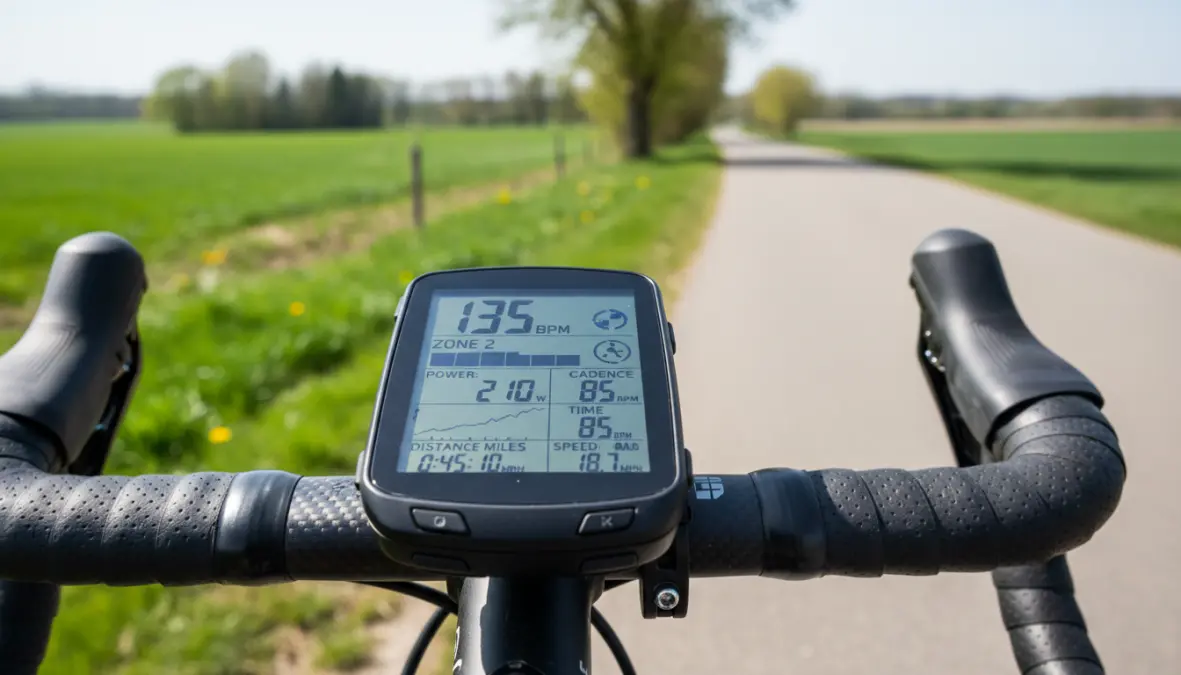
Why is early season cycling training so crucial? Spring serves as the perfect transition from winter’s reduced activity (or indoor trainer monotony) to the demanding summer season. Your body needs time to adapt gradually. Starting in early spring gives you that 8-12 week window to build aerobic endurance before ramping up intensity. The physiology is straightforward: consistent zone 2 training—that conversational pace where you can still chat but wouldn’t want to sing—maximizes aerobic capacity without digging into recovery reserves.
The difference between base training and high-intensity work? Base training is like depositing money in the bank; high-intensity work is spending it. You need a healthy account balance first. Common mistakes? Jumping straight into hard rides because you feel fresh after winter rest, or skipping the base phase entirely because it feels “too easy.” Trust the process—your mid-season self will thank you.
Building Your Spring Cycling Training Plan: Structure and Workouts
A solid spring bike training plan typically spans 8-12 weeks, depending on your starting fitness and goals. The magic formula? Start conservatively and apply progressive overload—gradually increasing training volume by about 10% weekly. For most cyclists, this means beginning with 4-6 hours per week and building toward 8-12 hours by the end of base phase.
Your cycling conditioning program should follow the 80/20 rule: approximately 80% of your riding time in Zone 2 (easy, aerobic pace), and 20% mixing in tempo efforts and recovery rides. This isn’t arbitrary—decades of research show this ratio optimizes aerobic development while preventing overtraining. Periodization matters here: divide your spring into 3-4 week blocks, with each block increasing volume slightly, followed by a recovery week at reduced volume.
Here’s what a typical week might look like for different levels:
- Beginner: 4 rides totaling 5-7 hours (one long 2-hour ride, two 1.5-hour endurance rides, one 1-hour recovery spin)
- Intermediate: 5 rides totaling 8-10 hours (one 3-hour endurance ride, two 2-hour rides with tempo blocks, one 1.5-hour Zone 2, one hour recovery)
- Advanced: 6 rides totaling 12-15 hours (one 4-hour endurance ride, two 2.5-hour rides with sweet spot work, two 2-hour Zone 2 rides, one 90-minute recovery)

Essential Spring Cycling Workouts for Base Building
Let’s get specific with spring cycling workouts that actually work:
Long Endurance Rides: Your weekly cornerstone. Start with 2 hours and build to 4+ hours at Zone 2 intensity (60-70% max heart rate). These develop fat-burning efficiency and mental resilience. Aim for one per week, preferably on weekends.
Sweet Spot Intervals: Introduce these after 3-4 weeks of pure base work. Ride at 88-93% of your FTP for 2×15-minute blocks, then progress to 3×20 minutes. Twice per week maximum during base phase—they bridge aerobic and threshold work.
Cadence Drills: Dedicate 10-15 minutes per ride to cadence drills—spin at 100+ RPM on flat terrain to improve pedaling efficiency and neuromuscular coordination. These aren’t about intensity; keep power low.
Hill Repeats: Once weekly, find a moderate climb (4-6 minutes). Ride up at tempo effort (Zone 3), spin easy downhill. Start with 4 repeats, build to 8. These build strength-endurance without the joint stress of high-intensity intervals.
Monitoring Progress and Adjusting Your Training Load
How do you know if your pre-season cycling training is working? FTP testing every 4-6 weeks provides concrete data—expect 5-10% improvements during a proper base phase. Track your resting heart rate each morning; if it creeps up 5+ beats, you’re overdoing it. Use Rate of Perceived Exertion (RPE) too—Zone 2 should feel like a 4-5 out of 10.
Watch for overtraining signals: persistent fatigue, elevated resting heart rate, irritability, or declining performance despite consistent training. When these appear, take 2-3 easy days immediately. The training stress score (TSS) and chronic training load (CTL) metrics help quantify load—aim to increase CTL gradually without huge TSS spikes on individual days.
Balancing training with life? Schedule your long ride on your most flexible day, and consider indoor cycling workouts for midweek sessions when time is tight. Thirty minutes of focused indoor Zone 2 beats skipping a ride entirely.

Supporting Your Spring Training: Nutrition, Recovery, and Cross-Training
Cycling fitness building doesn’t happen only on the bike. Nutrition fuels adaptation: consume adequate carbohydrates (4-7g per kg bodyweight daily during base training) to support long rides. Time protein intake within 30 minutes post-ride (20-30g) to optimize recovery. Stay hydrated—even cool spring rides cause significant fluid loss.
Recovery strategies are non-negotiable. Prioritize 7-9 hours of sleep nightly—this is when adaptation actually occurs. Incorporate foam rolling and dynamic stretching 3-4 times weekly to maintain flexibility and prevent injury. Recovery rides (Zone 1, truly easy spinning) the day after hard efforts actively flush metabolic waste.
Cross-training amplifies your cycling conditioning program. Add two strength sessions weekly focusing on squats, lunges, deadlifts, and core work. Yoga improves flexibility and addresses the postural imbalances cycling creates. Core exercises—planks, dead bugs, pallof presses—enhance power transfer and climbing efficiency.
Spring weather is notoriously unpredictable. Dress in layers you can shed as you warm up, and don’t hesitate to move workouts indoors during severe weather. An indoor trainer session beats getting hypothermic or missing training entirely. Just vary your indoor work to prevent mental fatigue—structured intervals or virtual riding platforms keep things engaging.
Frequently Asked Questions About Spring Cycling Training
How long should spring base training last?
Most cyclists benefit from 8-12 weeks of focused base training. Beginners might extend this to 12-16 weeks, while experienced riders with solid winter mileage might need only 8 weeks before incorporating higher intensity work.
Can I do high-intensity workouts during base training?
Limited high-intensity work is fine—about 20% of total training time. One or two sessions per week featuring tempo or sweet spot efforts complement base building without compromising aerobic development. Avoid VO2max intervals or all-out sprints during this phase.
What heart rate zone for base training?
Zone 2 is your target: approximately 60-70% of maximum heart rate. You should be able to hold a conversation comfortably. If you’re gasping for air, you’re going too hard. Many cyclists mistakenly train in Zone 3 (“grey zone”) which is too hard for base building but too easy for quality intensity.
How many hours per week for base cycling training?
This depends on your experience level and goals. Beginners should start with 4-6 hours weekly, intermediate riders 8-10 hours, and advanced cyclists 12-15+ hours. Always prioritize consistency over total volume—three quality weeks beat one heroic week followed by burnout.
When should I start spring cycling training?
Begin your base phase in late winter or early spring—typically February through April in the Northern Hemisphere. This timing allows you to peak for summer events while avoiding the winter fitness loss that comes from starting too late.
Building your cycling fitness during spring isn’t glamorous—there are no Strava trophies for consistent Zone 2 rides. But this disciplined approach creates the aerobic engine that powers breakthrough performances later. Start now, stay patient, and watch your summer season transform. The road ahead is long, and you’re building the foundation to conquer it.
