
Spring Nutrition Reset: A Clean Eating Plan Designed for Active Lifestyles

As the days get longer and temperatures rise, spring naturally invites us to shed the heaviness of winter and embrace a lighter, more energized approach to eating. For active individuals, this seasonal shift isn’t just about fitting into summer clothes—it’s about optimizing your nutrition to match your training demands and the incredible variety of fresh produce that becomes available. A spring nutrition reset offers the perfect opportunity to recalibrate your eating habits, boost your energy levels, and set yourself up for peak performance in the months ahead.
What Is a Spring Nutrition Reset and Why Active People Need It
A spring nutrition reset is a structured approach to cleaning up your diet by focusing on whole, seasonal foods that support your body’s natural rhythms and your active lifestyle. Unlike restrictive fad diets or extreme cleanses that leave you depleted, a proper nutrition reset plan is designed to nourish and energize, not starve and stress your system.
Spring is the ideal time for this reset because nature provides exactly what active bodies need: nutrient-dense greens, hydrating vegetables, and foods rich in vitamins that support recovery and immune function after winter’s end. For athletes and fitness enthusiasts, a spring wellness reset addresses specific needs like improved energy availability, enhanced recovery between workouts, reduced inflammation, and better metabolic efficiency.
The benefits are tangible: better workout performance, clearer mental focus, improved digestion, and sustained energy throughout the day. This isn’t about deprivation—it’s about strategic nutrition timing, choosing anti inflammatory foods, and aligning your plate with your training schedule. What a spring nutrition reset is not: it’s not a juice cleanse, not a 500-calorie crash diet, and definitely not a punishment for winter indulgences. It’s a sustainable framework that respects your body’s need for fuel while optimizing food quality.

The Spring Clean Eating Framework for Active Individuals
Building an effective spring clean eating plan for active people starts with understanding the core principles. First, prioritize whole foods—ingredients you can identify without a nutrition label. Second, embrace seasonal produce that’s at its nutritional peak. Third, ensure adequate macronutrient balance to support your training volume.
Spring offers an incredible array of seasonal nutrition options perfect for active lifestyles. Focus on these powerhouse foods:
- Leafy greens (spinach, arugula, kale): packed with iron, calcium, and nitrates that support oxygen delivery to muscles
- Asparagus: natural diuretic with folate and vitamins A, C, and K
- Peas and snap peas: plant-based protein and fiber
- Strawberries and early berries: antioxidants for recovery and immune support
- Radishes: vitamin C and digestive enzymes
- Spring onions and leeks: prebiotic fiber for gut health
- Artichokes: liver support and fiber
For active individuals following a spring nutrition reset for athletes, macronutrient distribution matters. Aim for complex carbohydrates from whole grains and starchy vegetables to fuel workouts, lean proteins for muscle repair, and healthy fats from avocados, nuts, and olive oil for hormone production and nutrient absorption. A plant based diet approach or plant-forward eating can work excellently during this reset, though quality animal proteins can certainly be included based on your preferences and training demands.
Timing is crucial for performance. Structure your spring meal plan around your training: carbohydrates concentrated around workouts, protein distributed throughout the day (20-30g per meal), and plenty of vegetables at every meal. This approach supports both your energy boost needs and recovery nutrition requirements.
During your healthy eating spring reset, reduce or eliminate processed foods, added sugars, excessive alcohol, refined grains, and inflammatory oils. These don’t support your active lifestyle and can interfere with recovery. Don’t forget hydration—spring training often means increased sweat loss. Aim for half your body weight in ounces daily, plus additional fluids around workouts. Herbal teas, infused water with fresh herbs, and mineral-rich broths all count toward your hydration goals.
Your 7-Day Spring Meal Plan Starter
Here’s a practical spring meal plan framework to kickstart your reset. Adjust portions based on your training volume and energy needs:
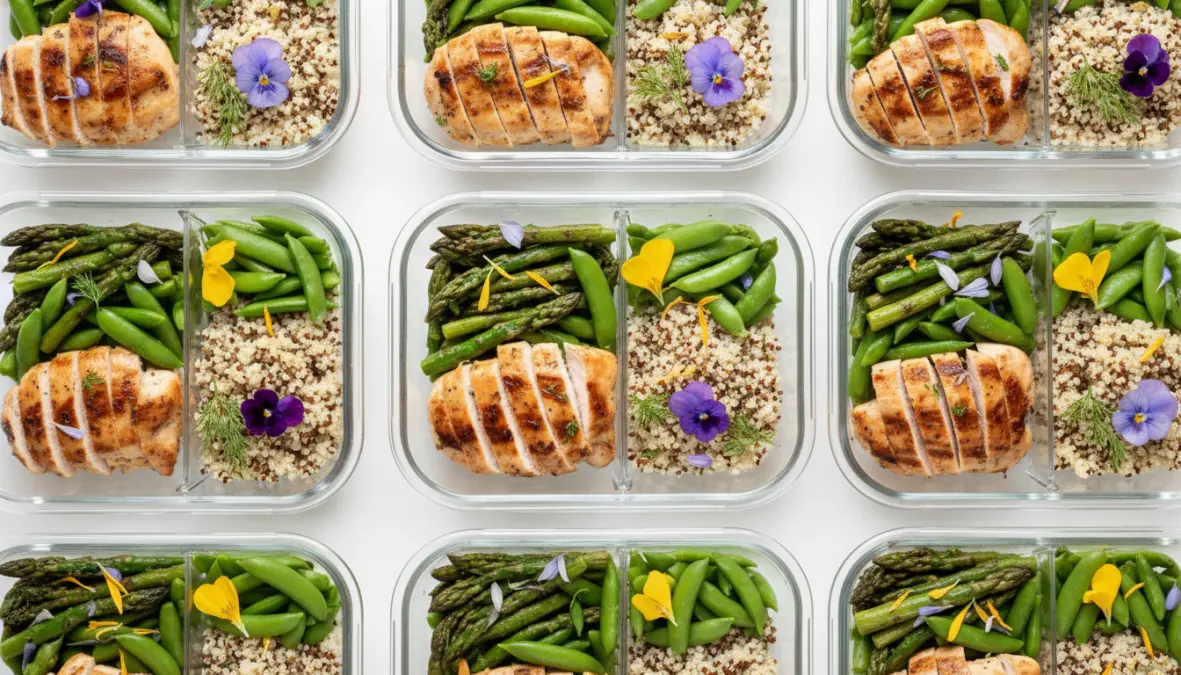
Day 1-2: Breakfast: Spinach and mushroom omelet with whole grain toast; Lunch: Quinoa bowl with roasted asparagus, chickpeas, and lemon tahini; Dinner: Grilled salmon with spring greens salad and roasted radishes; Snack: Strawberries with almond butter
Day 3-4: Breakfast: Overnight oats with berries and chia seeds; Lunch: Spring pea soup with crusty whole grain bread; Dinner: Chicken stir-fry with snap peas, carrots, and brown rice; Snack: Hummus with raw vegetables
Day 5-6: Breakfast: Green smoothie with spinach, banana, protein powder; Lunch: Mediterranean grain bowl with artichokes, olives, feta; Dinner: Lean turkey meatballs with zucchini noodles and marinara; Snack: Apple slices with cashew butter
Day 7: Breakfast: Whole grain pancakes with fresh berries; Lunch: Lentil and vegetable soup; Dinner: Baked cod with steamed asparagus and sweet potato; Snack: Greek yogurt with granola
Practice meal prep on Sundays: wash and chop vegetables, cook grains in batches, and prep protein sources for quick assembly throughout the week.

Implementing Your Spring Nutrition Reset: Practical Tips and Common Mistakes to Avoid
Starting your nutrition reset plan doesn’t require an overnight overhaul. Begin gradually: spend the first 3-4 days eliminating processed foods while adding more vegetables. Week two, focus on optimizing meal timing around workouts. By week three, you’ll have established new patterns that support your metabolic reset and feel sustainable.
Meal prep is your secret weapon. Dedicate 1-2 hours weekly to prepare components: roast a variety of vegetables, cook whole grains, wash greens, and portion proteins. This removes decision fatigue and ensures you have clean eating guide-approved options ready when hunger strikes.
Managing training during your reset requires attention to energy intake. Don’t slash calories dramatically—active bodies need fuel. If doing intense training, maintain adequate carbohydrate intake before and after workouts. Consider supplementation if needed: vitamin D after winter months, omega-3s for inflammation management, and potentially a quality multivitamin to fill nutritional gaps.
A typical spring detox diet reset should last 21-30 days—long enough to establish habits but not so long that it feels unsustainable. Common mistakes to avoid include being overly restrictive (leading to binge eating), not consuming enough calories for your activity level (causing fatigue and poor recovery), expecting dramatic overnight changes, and abandoning the plan after one imperfect meal.
After completing your reset, maintain results by following the 80/20 rule: eat clean, whole foods 80% of the time while allowing flexibility for social occasions and treats. Keep prioritizing seasonal produce, continue meal planning, and stay connected to how different foods make you feel during training.
A spring wellness reset isn’t a quick fix—it’s an investment in your performance, recovery, and long-term health. By aligning your nutrition with the season and your active lifestyle, you’re setting the foundation for your strongest, most energized months ahead. Start today, stay consistent, and let the abundance of spring fuel your best performance yet.
