Triathlon Training for Beginners: Your Complete Guide to Finishing Your First Race
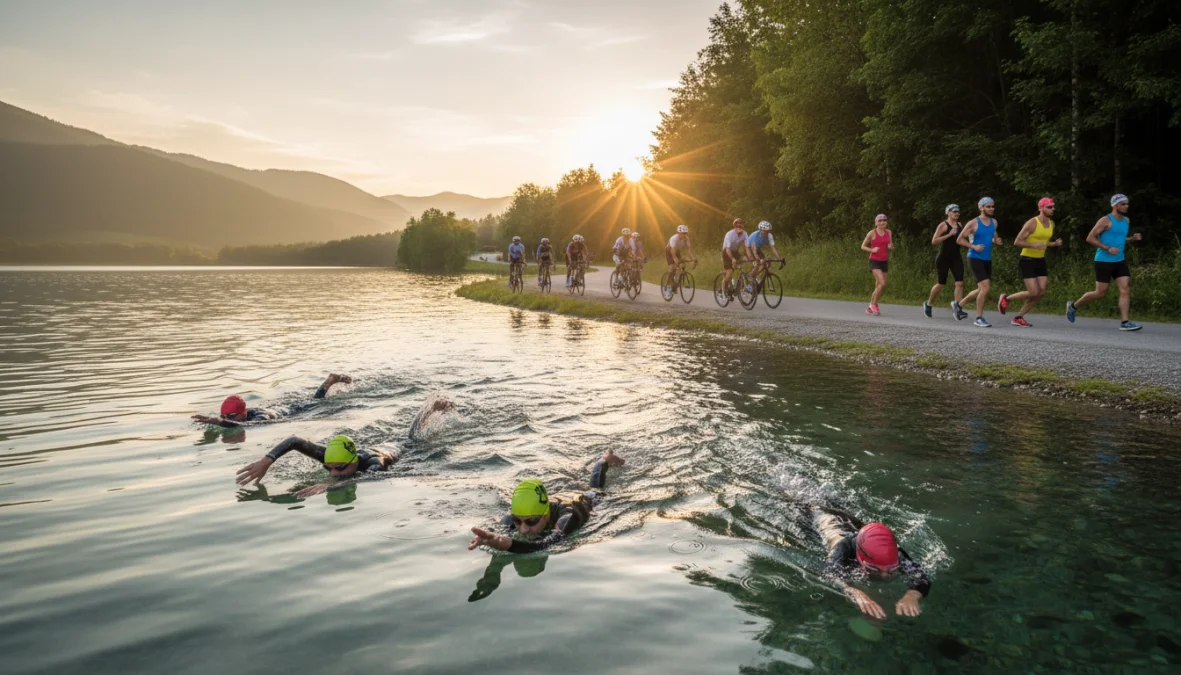
So you’ve been thinking about signing up for a triathlon but aren’t sure where to start? Maybe you’ve seen those incredible athletes crossing finish lines and thought, “Could I actually do that?” Here’s the good news: triathlon training beginners don’t need to be superhuman. With the right approach, proper planning, and a solid understanding of the basics, you can absolutely crush your first race. Let’s dive into everything you need to know about how to train for your first triathlon and turn that dream into reality.
What is Triathlon and Why Start as a Beginner?
A triathlon combines three disciplines—swim bike run—completed back-to-back in a single race. For those new to triathlon for beginners, understanding the different distances is crucial. The most common formats include:
- Sprint Distance: 750m swim, 20km bike, 5km run
- Olympic Distance: 1.5km swim, 40km bike, 10km run
- Half Ironman: 1.9km swim, 90km bike, 21.1km run
- Ironman: 3.8km swim, 180km bike, 42.2km run
For beginners wondering how to start triathlon training, the sprint distance is your perfect entry point. It’s challenging enough to feel accomplished but manageable enough to complete with 8-12 weeks of consistent training.
Why choose triathlon? The benefits are phenomenal. You’re building endurance training across three disciplines, which means less repetitive stress on your body compared to single-sport training. The variety keeps things interesting—no more boring Monday runs when you can mix in swimming and cycling. Plus, the triathlon community is incredibly welcoming and supportive, especially toward newcomers.
Let’s bust a common myth right now: you don’t need to be an elite athlete to complete a triathlon. Many beginners come from running backgrounds, some are cyclists looking for a new challenge, and others are complete newcomers to endurance sports. If you can already swim, bike, or run even a little, you’re already ahead of the game. And if you’re considering triathlon training for beginners over 40, age is absolutely not a barrier—many triathletes start later in life and thrive.
Essential Foundations: What You Need Before Starting Your Triathlon Training
Before jumping into a beginner triathlon guide, let’s assess where you’re starting from. Ideally, you should have a base fitness level that includes being able to swim 400 meters continuously (even if slowly), bike for 30 minutes, and run for 20 minutes. If you’re not quite there yet, spend 2-4 weeks building up to these benchmarks before starting structured triathlon training beginners programs.
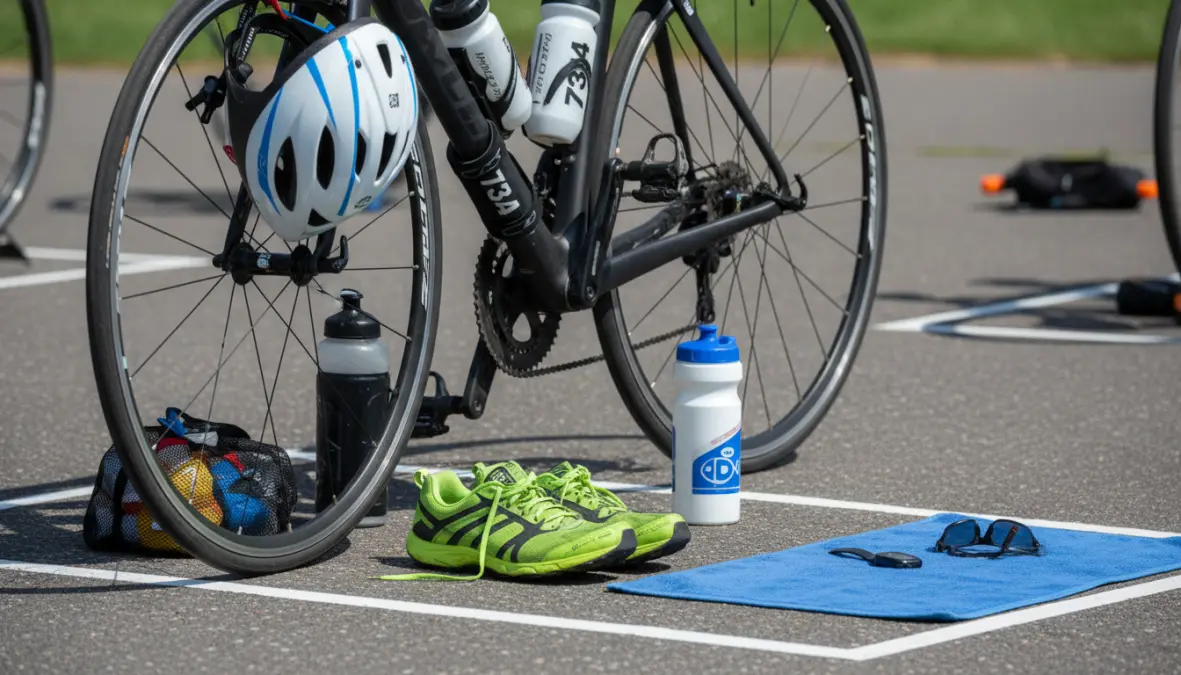
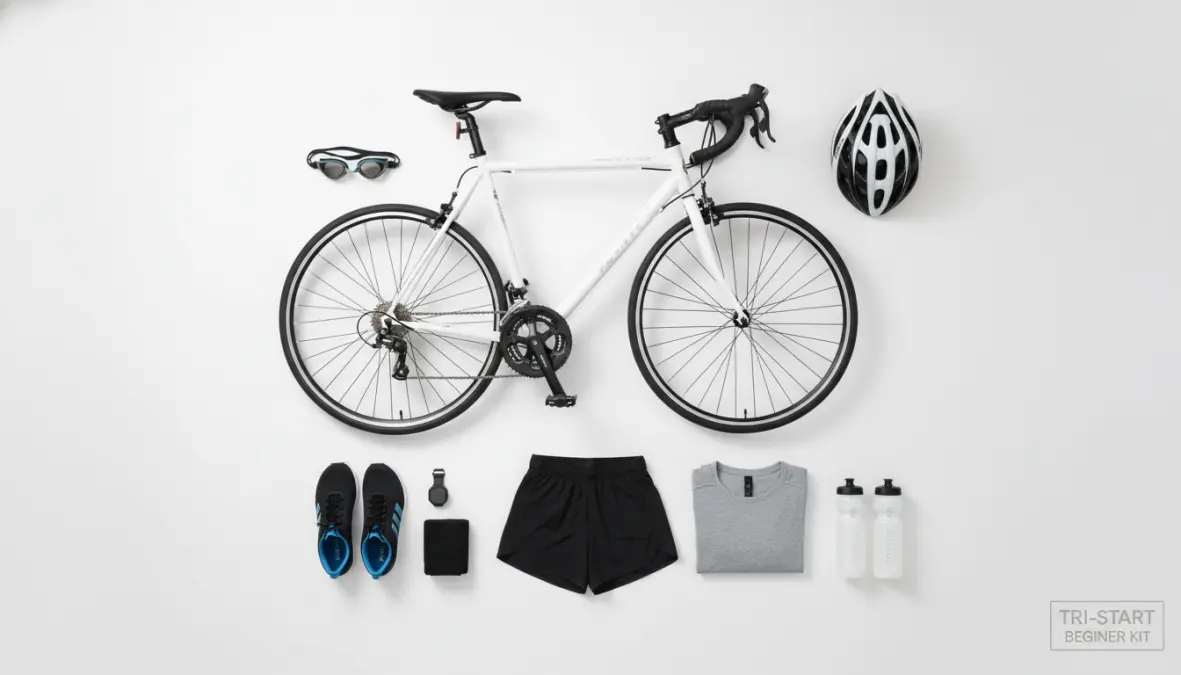
When it comes to triathlon gear essentials, don’t fall into the trap of thinking you need thousands of dollars in equipment. Here’s what you actually need versus what’s nice to have:
Must-Have Gear:
- Swimsuit and goggles (any comfortable pair works)
- A functioning bike (road, hybrid, or mountain bike all work for your first sprint)
- Bike helmet (non-negotiable for safety and race rules)
- Running shoes that fit well
- Workout clothes appropriate for each sport
Nice to Have (But Not Essential Initially):
- Wetsuit (many sprint triathlons are non-wetsuit swims)
- Cycling shoes and clipless pedals
- Tri-suit or tri-shorts
- GPS watch with multi-sport mode
- Aero bars or race wheels
Finding training locations is key. You’ll need access to a pool (check local community centers or gyms), safe roads or bike paths for cycling, and running routes. Many beginners worry about open water swimming, but you can do most of your swim training in a pool and practice open water just a few times before race day if your event includes it.
Before starting any first triathlon training program, consider getting a medical check-up, especially if you’re over 40 or have any pre-existing health conditions. Better safe than sorry, and your doctor can provide valuable guidance on training intensity.
Your First Beginner Triathlon Training Plan: 8-12 Week Schedule Breakdown
A solid beginner triathlon training plan typically spans 8-12 weeks, depending on your starting fitness level. When people ask “how long does it take to train for a triathlon,” the answer for a sprint distance is usually right in this range. A triathlon training plan for beginners 12 weeks offers more gradual progression and buffer time for life’s inevitable interruptions.
Your sprint triathlon training plan should be divided into three phases:
Phase 1: Base Building (Weeks 1-4)
Focus on building aerobic endurance in all three disciplines separately. Workouts are relatively short and comfortable, establishing consistency. This is where you’re teaching your body to handle regular training loads.
Phase 2: Build Phase (Weeks 5-10)
Gradually increase volume and introduce brick workouts—these are back-to-back sessions like bike-to-run that simulate race conditions. Brick workouts are essential because they teach your legs to run effectively after cycling, which feels surprisingly different than running fresh.
Phase 3: Taper (Weeks 11-12)
Reduce training volume by 40-50% to arrive at race day fresh and recovered. Many beginners skip this, thinking more is better, but rest is when your body actually gets stronger.
A sample triathlon training schedule might look like this:
- Monday: Swim workout (30-40 minutes)
- Tuesday: Run (30-40 minutes, easy pace)
- Wednesday: Bike (45-60 minutes)
- Thursday: Rest or easy swim
- Friday: Brick workout (30min bike + 15min run)
- Saturday: Long bike or long run
- Sunday: Rest or active recovery
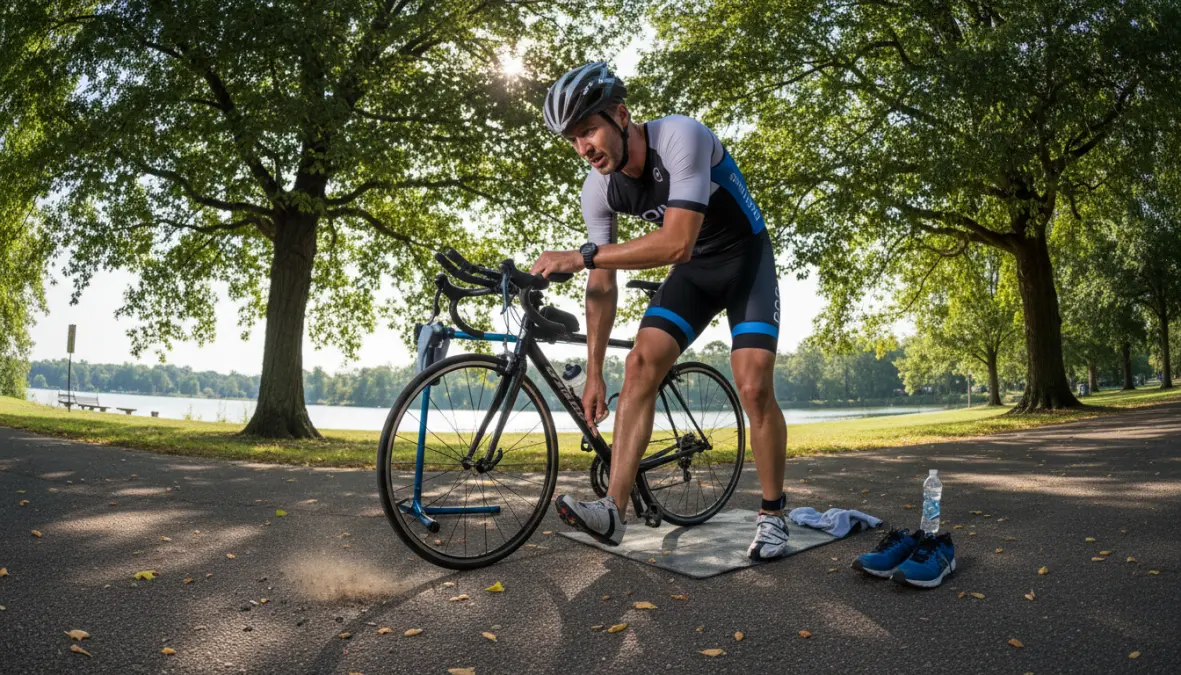
Don’t neglect transition training. Practice setting up your transition area at home, rehearse changing from swim to bike and bike to run. Efficient transitions can save minutes on race day and reduce stress. For those wondering how to prepare for a sprint triathlon with no experience, practicing transitions is one of the most overlooked yet valuable training elements.
Swim Training Tips for Complete Beginners
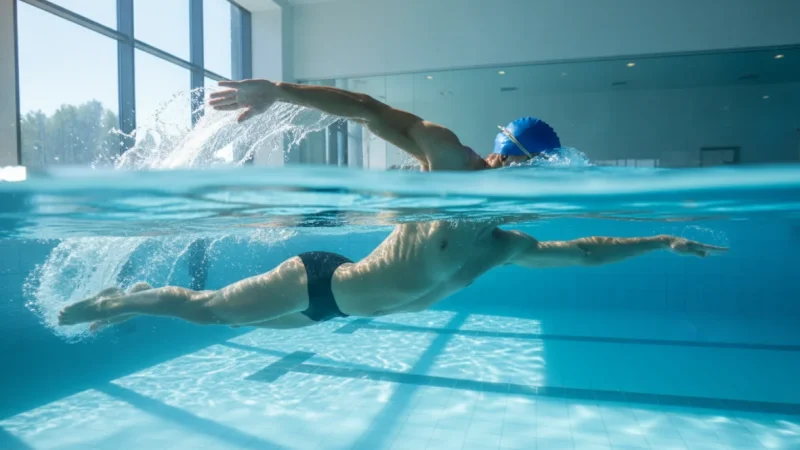
Swimming is often the most intimidating discipline for newcomers. The key is focusing on technique over volume. Start with two swim sessions per week, even if they’re just 20-30 minutes. Work on fundamental drills like body rotation, breathing patterns, and streamlining. Consider a few lessons with a coach—proper technique early prevents bad habits later. If your race includes open water swimming, practice at least 2-3 times beforehand in similar conditions. The feeling is completely different from pool swimming, and mental preparation is crucial.
Bike and Run Training Essentials
For cycling, build an endurance base with comfortable, steady-paced rides. Focus on maintaining a cadence of 80-90 RPM (pedal rotations per minute) rather than grinding in hard gears. Always prioritize safety—use bike lanes, follow traffic laws, and be visible. Running should be built gradually to prevent injury. Include at least one “run off the bike” session weekly to adapt to the heavy-leg sensation. Listen to your body and don’t increase weekly mileage by more than 10% to avoid overuse injuries.
Race Day Preparation and Common Beginner Mistakes to Avoid
Choosing your first race wisely sets you up for success. Look for local sprint triathlons with reputations for being beginner-friendly. Read reviews, check if they offer race briefings, and consider events with race day preparation support for newcomers. Register at least 6-8 weeks in advance to give yourself a firm goal and enough training time.
So what to expect in your first triathlon? Arrive early—at least 90 minutes before your wave start. You’ll need time to check in, set up your transition area, and calm your nerves. Your transition setup should be organized: bike in the rack, running shoes ready, helmet on handlebars, towel laid out. Simple and systematic wins.
Your triathlon nutrition strategy matters. Eat a familiar, carb-based breakfast 2-3 hours before your start time. Stay hydrated but don’t overdo it. For a sprint distance, you likely don’t need mid-race nutrition, but have water at transition for the run.
The most critical beginner triathlon training mistakes to avoid:
- Starting too fast: The swim start adrenaline will tempt you to sprint. Resist! Start conservatively and find your rhythm.
- Wearing new gear: Race day is not the time to test new shoes, suits, or equipment. Use only what you’ve trained in.
- Skipping breakfast: Your body needs fuel. Don’t race on an empty stomach.
- Poor pacing: It’s better to finish strong than to blow up halfway through. Go slower than you think you should.
- Neglecting transitions: Fumbling in transition wastes time and energy. Practice beforehand.
Remember: your only goal is to finish. That’s it. Don’t compare yourself to others. Cross that finish line, collect your medal, and join the incredible community of triathletes who’ve taken on this amazing challenge.
Ready to start your triathlon journey? The hardest part is signing up for that first race. Once you commit, the training becomes an adventure, and race day becomes a celebration of everything you’ve worked for. Your first triathlon is waiting—now go make it happen!