
Women in Cycling: Breaking Barriers and Celebrating Achievements in Professional Racing
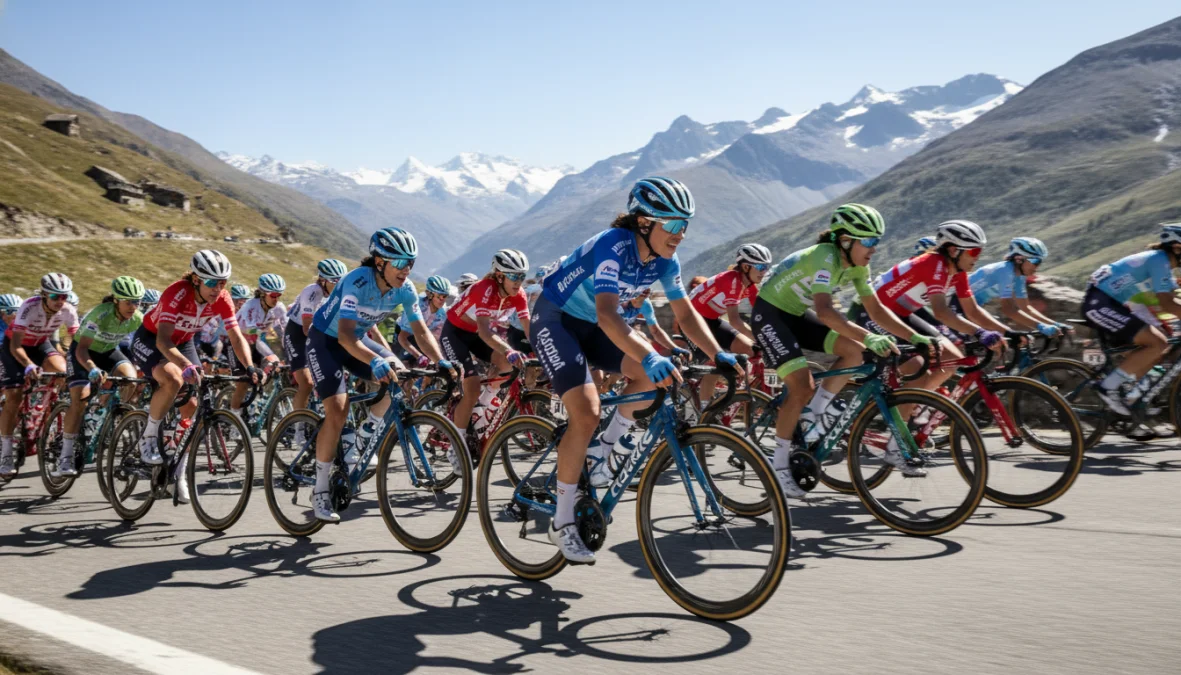
The peloton thunders past, a blur of color and determination. For decades, this image belonged almost exclusively to men. But women in cycling are rewriting the narrative, pedaling through barriers that once seemed insurmountable and claiming their rightful place at the forefront of professional racing. From the dusty roads of the 1890s to the electrifying finale of modern grand tours, female cycling athletes have fought not just against competitors, but against systemic inequality, cultural prejudice, and institutional gatekeeping. Today, we’re witnessing a renaissance in women’s professional cycling—one that’s been centuries in the making.
The Evolution of Women’s Cycling: From Exclusion to Recognition
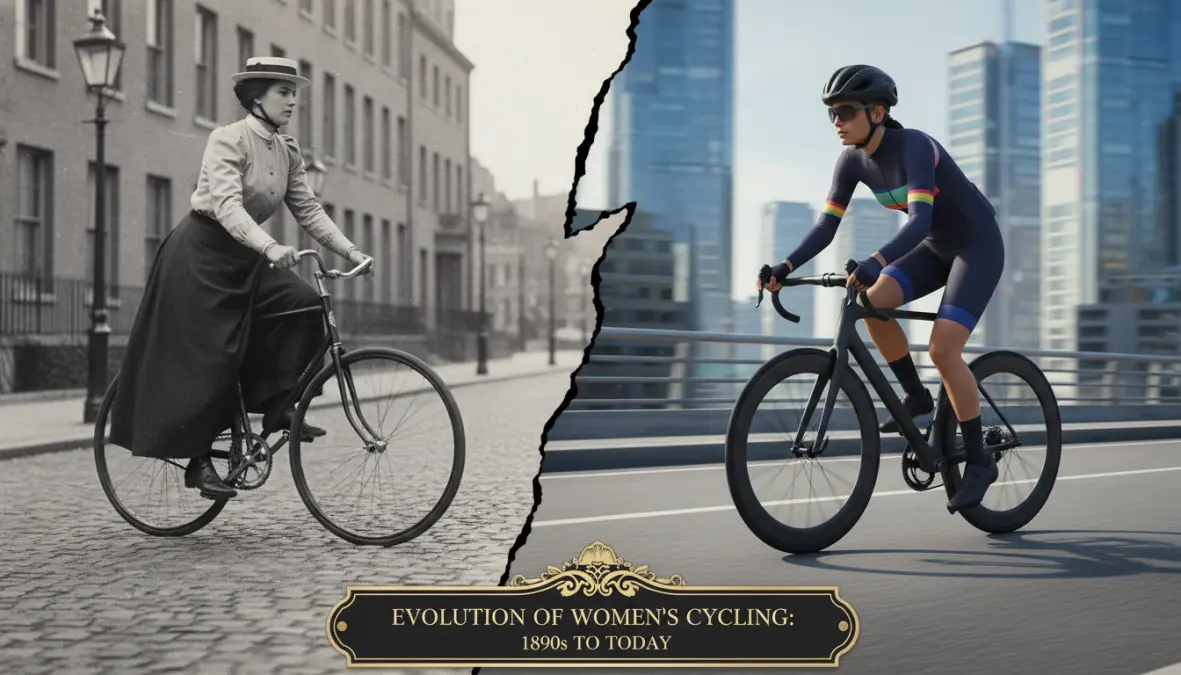
The story of women’s cycling history begins in the late 1800s, when the bicycle itself was revolutionizing mobility. Early women cyclists faced immediate backlash—doctors claimed cycling would damage reproductive organs, society deemed it unladylike, and restrictive Victorian clothing made riding practically dangerous. Yet pioneers persisted, organizing informal races and forming clubs despite social condemnation.
The first organized women’s cycling races emerged in the 1890s, but the barriers women cycling faced were formidable. By the early 1900s, many competitions banned female participants altogether. While men’s professional racing flourished throughout the 20th century, women were systematically excluded from major events. The Tour de France, cycling’s most prestigious race, ran for 81 years before including a women’s version in 1984—which lasted only five years before being discontinued.
This exclusion wasn’t just about tradition; it reflected deeper assumptions about women’s physical capabilities and their place in competitive sports. Women were restricted to shorter distances, faced prize purses a fraction of men’s, and struggled to find professional teams willing to invest in their careers. The breakthrough moments came gradually: the inclusion of women’s cycling in the Olympics expanded over decades, and grassroots advocacy slowly chipped away at institutional resistance. The relaunch of the Tour de France Femmes in 2022 represented a watershed moment—a recognition that women deserved equal access to cycling’s grandest stage.
Breaking Down Barriers: Challenges Women Cyclists Still Face
Despite tremendous progress, barriers women cycling athletes encounter remain significant. The pay gap is staggering: top male cyclists earn salaries in the millions, while many professional women cyclists struggle to make a living wage from racing alone. Until recently, some female riders weren’t guaranteed any minimum salary, forcing talented athletes to juggle part-time jobs with training schedules.
Media coverage tells another story of inequality. Men’s races receive exponentially more broadcasting hours, sponsorship dollars, and promotional resources. This creates a vicious cycle: less visibility means fewer sponsors, which means smaller team budgets and lower salaries. Female cycling teams often operate on budgets that wouldn’t cover a single star rider on men’s WorldTour teams.
Infrastructure access presents another challenge. Training facilities, coaching resources, and development programs have historically prioritized male athletes. Race formats also differed significantly—women’s versions of classic races were often substantially shorter, implying female athletes couldn’t handle the same distances as men. This assumption has been thoroughly debunked, but institutional inertia persists.
Cultural stereotypes continue affecting representation in cycling, from youth development through professional ranks. Young girls receive fewer opportunities to enter competitive cycling, and those who do often face implicit bias about their commitment and capabilities. The shortage of female team directors, coaches, and race organizers means women lack mentorship and advocacy within the sport’s power structures.
Progress Toward Gender Equality in Professional Cycling
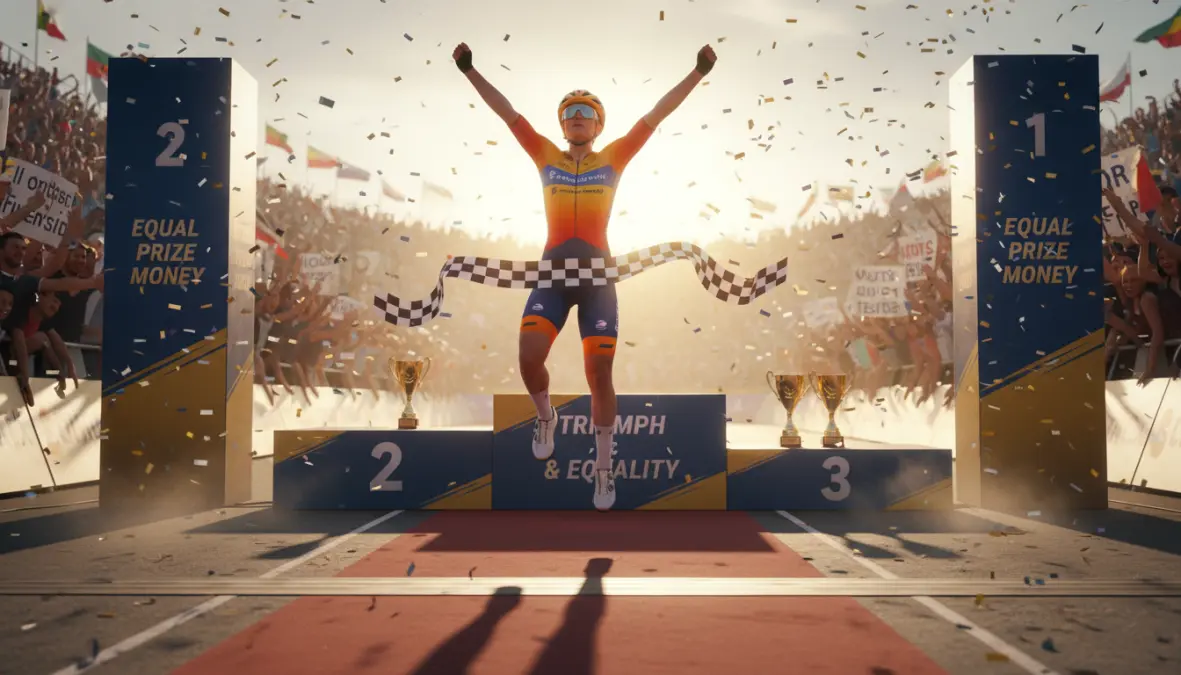
Yet gender equality cycling initiatives are gaining momentum. The UCI (cycling’s international governing body) has made significant strides, equalizing prize money at World Championships and implementing minimum salary requirements for WorldTour teams. The creation and expansion of the UCI Women’s WorldTour has provided a structured professional calendar, offering riders consistent competition at the highest level.
Television coverage has increased dramatically, with broadcasters recognizing the commercial potential of women’s racing. Major sponsors are investing in female teams, and several men’s WorldTour organizations have established women’s divisions, sharing resources and infrastructure. These developments represent tangible progress in breaking barriers in women’s cycling, though advocates emphasize that equality, not just improvement, must be the goal.
Recent Achievements: Women Cyclists Making History
The women cycling achievements of recent years have been nothing short of spectacular. The revived Tour de France Femmes has showcased female athletes’ incredible capabilities, with climbers conquering legendary mountain passes and sprinters reaching breathtaking speeds in bunch finishes. The Giro d’Italia Women and other grand tours have seen record-breaking performances, with riders shattering expectations in both individual stages and overall classifications.
World Championship races have demonstrated the depth of talent across cycling disciplines—from road racing to time trials, track cycling to mountain biking. Female cycling athletes have set new benchmarks in aerodynamic efficiency, power output, and tactical sophistication. The recent achievements women cyclists have accumulated span every category: sprinters dominating field sprints with tactical precision, climbers ascending at previously unimaginable paces, and all-rounders demonstrating versatility across terrain and race formats.
Perhaps equally significant is the women’s professional cycling growth in participation and geographic diversity. More nations are fielding competitive riders, expanding the sport’s global footprint. Olympic cycling women’s events have drawn record viewership, introducing new audiences to the drama and athleticism of competitive cycling. This expansion creates opportunities for young riders worldwide and enriches the sport’s competitive landscape.
Inspiring the Next Generation of Women Cyclists
Today’s professional riders serve as powerful role models, their visibility crucial for cycling advocacy and development. Young girls watching elite competitions can now see athletes who look like them competing at the highest level, making professional cycling feel attainable rather than impossible.
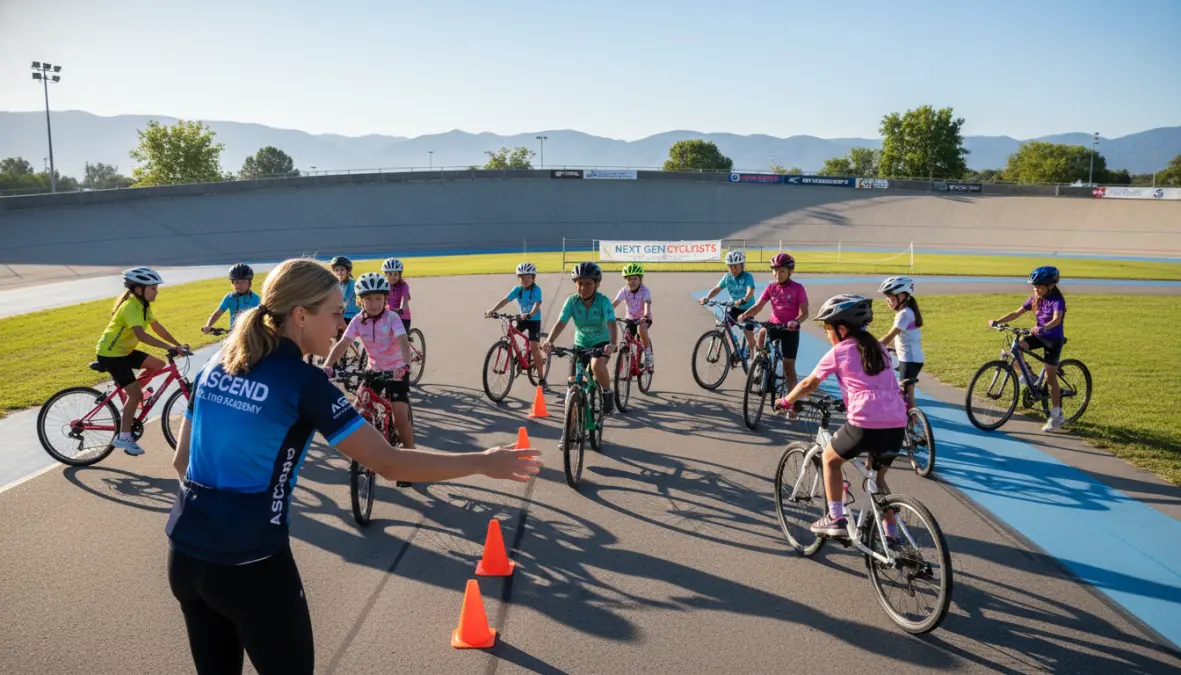
Youth development programs specifically targeting girls have proliferated, addressing the challenges faced by female cyclists from the beginning of their athletic journeys. Community cycling clubs, school programs, and grassroots initiatives are working to ensure girls have equal access to coaching, equipment, and competitive opportunities. These efforts recognize that inspiring women cyclists begins with creating pathways from childhood through professional ranks, removing barriers at every stage.
FAQ: Common Questions About Women in Cycling
When did women start professional cycling?
Women began racing competitively in the 1890s, but truly professional structures with consistent salaries and teams didn’t emerge until the late 20th century. The modern professional era for women’s cycling really accelerated in the 2010s with improved team structures and the establishment of the Women’s WorldTour.
What are the main differences between men’s and women’s cycling races?
Historically, women’s races were significantly shorter, but this gap is narrowing. Today, the primary differences involve team sizes (women’s teams are smaller), race calendars (fewer events for women), and prize money, though the cycling gender gap in these areas is gradually closing.
How has prize money changed for women cyclists?
Women’s cycling pay equity has improved dramatically in recent years. The UCI now mandates equal prize money at World Championships, and minimum salary requirements for WorldTour teams ensure riders can focus on racing. However, overall earnings still lag significantly behind men’s cycling.
Who are the most successful women cyclists in history?
Women’s cycling history features remarkable champions across all disciplines, from track sprinters to grand tour winners, with multiple world champions and Olympic gold medalists who’ve dominated their eras through extraordinary talent and determination.
What barriers do women still face in professional cycling?
Despite progress, female riders continue facing lower salaries, less media coverage, fewer professional team options, and limited infrastructure access compared to male counterparts. Cultural stereotypes and unequal investment in development programs also persist.
The revolution in women in cycling isn’t finished—it’s accelerating. Every barrier broken, every achievement celebrated, and every young rider inspired represents progress toward true equality. As fans, advocates, and participants, we all play a role in ensuring this momentum continues, transforming professional cycling into a sport where talent, not gender, determines opportunity. The road ahead is long, but women cyclists have proven they’re more than capable of going the distance.