Recovery Nutrition: The Complete Guide to Post-Workout Foods and Timing
You just crushed an intense workout, and your muscles are screaming. What you eat in the next few hours could make the difference between achieving your fitness goals and spinning your wheels. Recovery nutrition isn’t just a trendy concept—it’s the science-backed bridge between your effort in the gym and the results you see in the mirror. Whether you’re chasing muscle gains, improved endurance, or faster recovery times, understanding what to put on your plate after exercise is absolutely essential.
Understanding Recovery Nutrition and Why It Matters
Recovery nutrition refers to the strategic consumption of nutrients after exercise to optimize your body’s repair and adaptation processes. When you work out intensely, you’re essentially creating controlled damage to your muscle fibers while depleting glycogen stores—your muscles’ primary energy source. Post workout nutrition kickstarts the recovery process by providing the raw materials your body needs to rebuild stronger.
The physiological demands differ significantly between workout types. After strength training, your primary concern is muscle protein synthesis—the process where your body repairs and builds muscle tissue. Cardio sessions, especially longer endurance work, deplete glycogen stores more dramatically, making carbohydrate replenishment critical. Both types trigger inflammation and oxidative stress that proper post exercise nutrition can help manage.
You’ve probably heard about the “anabolic window”—that mythical 30-minute post-workout period where you supposedly must consume protein or lose all your gains. The truth is more nuanced. While nutrient timing matters, recent research suggests this window is wider than previously thought, especially if you’ve eaten a balanced meal within a few hours before training. That said, consuming quality nutrients within a couple of hours post-workout does optimize recovery and adaptation, particularly after intense or fasted training sessions.

The Best Foods and Nutrients for Optimal Workout Recovery
Your workout recovery meals should focus on three key macronutrients, each playing a distinct role in your recovery process.
Protein after workout is non-negotiable for muscle recovery. Aim for 20-40 grams of high-quality protein within two hours post-exercise to maximize muscle protein synthesis. The best protein sources include whey protein (absorbed quickly, ideal for immediate post-workout), Greek yogurt, eggs, chicken breast, salmon, and cottage cheese. Plant-based athletes should combine sources like quinoa with beans, or use complete proteins like tempeh, edamame, or hemp seeds. Quality matters—choose sources rich in leucine, the amino acid that triggers muscle building.
Carbohydrates are your glycogen replenishment champions. After intense training, your muscles are primed to absorb glucose like a sponge. For strength training, aim for a 1:1 or 2:1 carb-to-protein ratio; endurance athletes may need 3:1 or higher. Fast-digesting carbs like white rice, potatoes, bananas, and honey work well immediately post-workout, while complex carbs like sweet potatoes, oatmeal, and whole grains provide sustained energy for the recovery window extending 24-48 hours after training.
Don’t fear healthy fats—they support inflammation reduction and hormone production. Omega-3 rich foods like salmon, walnuts, chia seeds, and avocado help manage exercise-induced inflammation. While fats slow digestion (which is why you might limit them in your immediate post-workout snack), they’re valuable in your complete recovery meals.
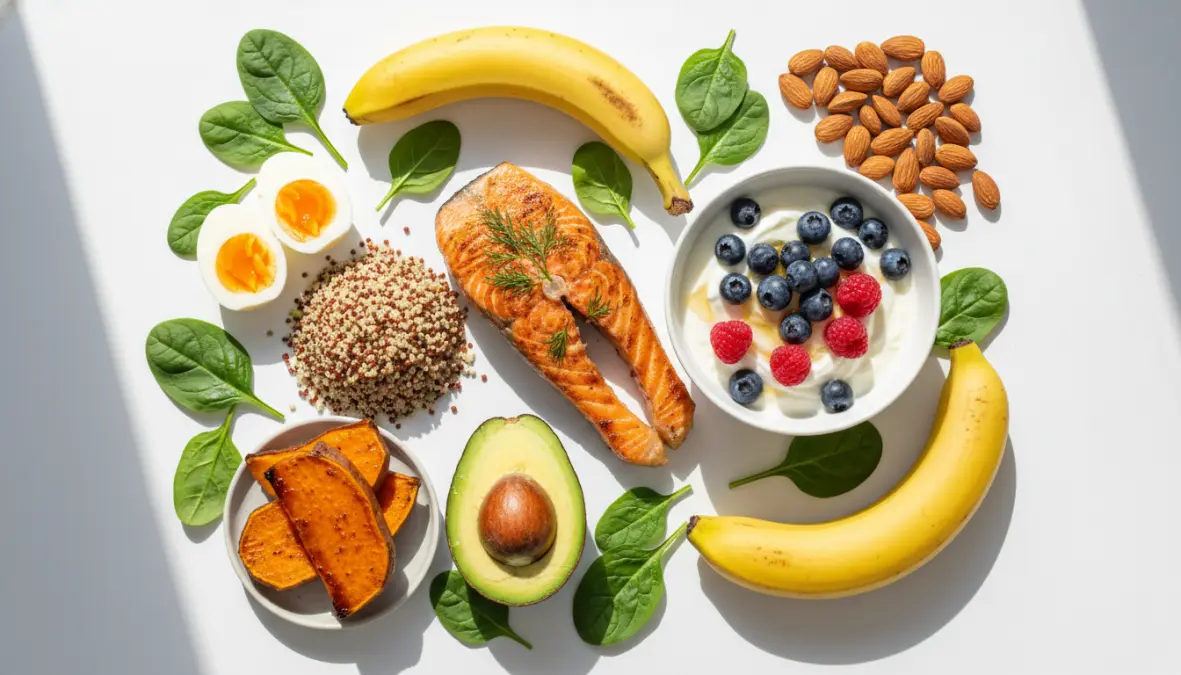
Top muscle recovery foods include: salmon (protein + omega-3s), eggs (complete protein with all essential amino acids), Greek yogurt with berries (protein + antioxidants), quinoa (complete plant protein + carbs), sweet potatoes (complex carbs + vitamins), bananas (fast carbs + potassium), tart cherry juice (anti-inflammatory compounds), and spinach (iron + nutrients for oxygen transport).
Hydration recovery is often overlooked but critical. You lose fluids and electrolytes through sweat, so drink water and consider electrolyte-rich options like coconut water or adding a pinch of sea salt to your post-workout meal. Dehydration impairs every aspect of recovery.
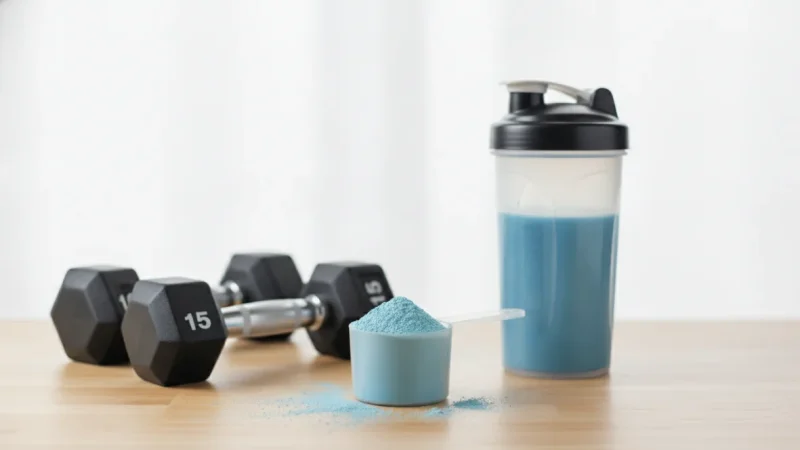
Regarding recovery supplements, whole foods should be your foundation. However, supplements can be convenient: whey protein powder offers quick, high-quality protein when you can’t eat immediately; creatine monohydrate supports strength recovery and muscle growth; BCAAs may help if training fasted, though whole protein is superior; and omega-3 supplements can help if you don’t consume fatty fish regularly. Most people don’t need expensive recovery formulas if they’re eating balanced meals.
Complete Post-Workout Meal Examples
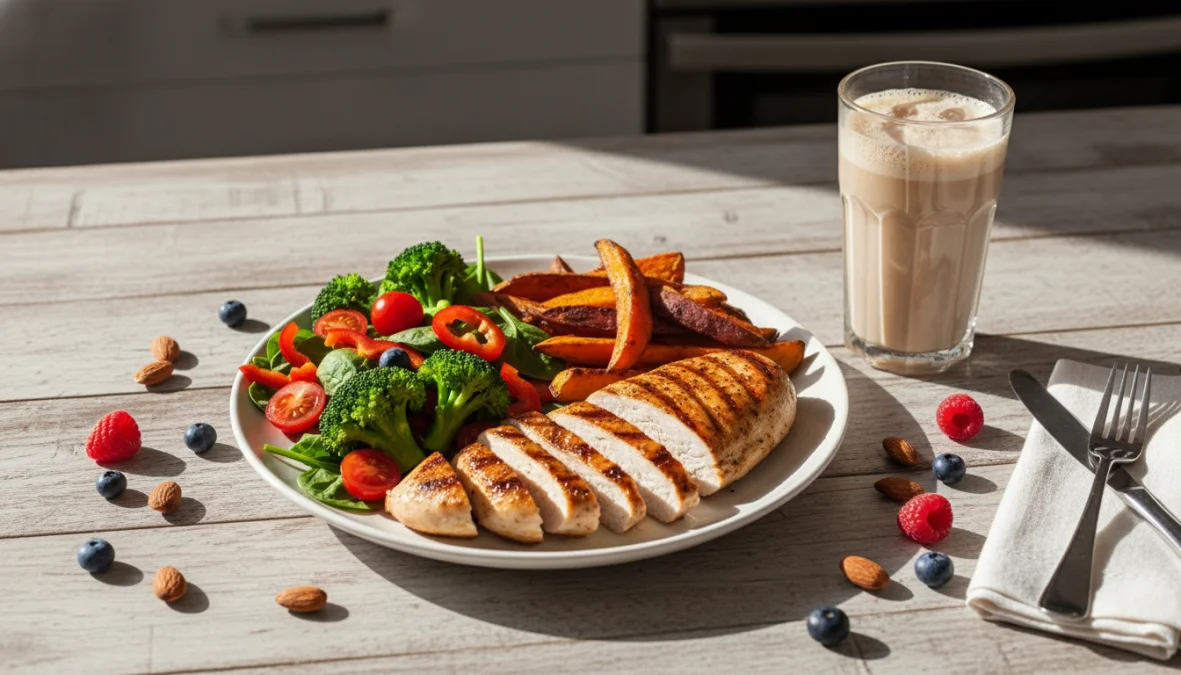
Post-Strength Training: Grilled chicken breast (6oz) with sweet potato (1 cup) and steamed broccoli. Approx: 45g protein, 50g carbs, 8g fat.
Post-Cardio Endurance: Whole grain pasta (2 cups) with lean ground turkey (4oz) and marinara sauce, side salad with olive oil. Approx: 35g protein, 80g carbs, 12g fat.
Vegetarian Option: Quinoa bowl (1 cup cooked) with chickpeas (1 cup), roasted vegetables, tahini dressing, and hemp seeds. Approx: 25g protein, 65g carbs, 18g fat.
Calorie Deficit/Fat Loss: Egg white omelet (4 whites + 1 whole egg) with spinach, tomatoes, served with berries and a slice of whole grain toast. Approx: 25g protein, 35g carbs, 8g fat.
Quick Shake Option: Protein smoothie with whey/plant protein (1 scoop), banana, frozen berries, spinach, almond butter (1 tbsp), and almond milk. Approx: 30g protein, 45g carbs, 10g fat.
Nutrient Timing: When to Eat for Maximum Recovery
When it comes to nutrient timing, context matters more than rigid rules. The classic recommendation of eating within 30-60 minutes post-workout has merit, especially after intense training or if you exercised fasted. During this period, your muscles are highly receptive to nutrients, insulin sensitivity is elevated, and the recovery machinery is revving. However, if you had a substantial meal 2-3 hours before training, the urgency decreases—those pre-workout nutrients are still circulating and supporting recovery.
Think of recovery in phases. The immediate post-workout window (0-2 hours) is when a quick-digesting protein and carb combo works best—this could be a shake or light snack. The extended recovery window (2-24 hours) is where your complete meals matter most, providing sustained nutrients for ongoing repair. For serious athletes or those training multiple times daily, the full 24-48 hour period of strategic nutrition drives exercise adaptation and prepares you for the next session.
Your timing strategy should adapt to circumstances. Morning trainers might need a quick shake immediately, then a full breakfast an hour later. Evening trainers should still eat afterward, even if close to bedtime—prioritize easily digestible options like Greek yogurt or a light protein shake rather than heavy meals. If you train fasted for fat loss or preference, post-workout nutrition becomes even more critical. If you genuinely aren’t hungry immediately after training (common after very intense sessions), start with hydration and a small portion of easily digestible carbs, then eat a complete meal within two hours.
The optimal macronutrient distribution timing also varies by goal. Building muscle? Prioritize protein and sufficient carbs. Losing fat? You might reduce carbs slightly but keep protein high. Training for endurance? Carbohydrates take center stage for refueling strategies.

FAQ: Common Questions About Recovery Nutrition
Do I need protein immediately after working out?
Not necessarily “immediately,” but within 2-3 hours is ideal. If you trained fasted or it’s been 4+ hours since your last meal, sooner is better. If you ate a protein-rich meal before training, you have more flexibility.
How much protein do I need post-workout?
Most people benefit from 20-40 grams of high-quality protein. Larger athletes or those after particularly intense sessions might go higher (up to 40-50g), but more isn’t always better—your body can only use so much at once for muscle building.
Are recovery supplements necessary?
For most people, no. Whole foods provide everything you need. Supplements offer convenience and can help if you struggle to meet protein needs through food, train multiple times daily, or have specific deficiencies. They’re tools, not magic bullets.
What should I eat after morning vs evening workouts?
Morning: Focus on easily digestible options that won’t upset your stomach, then follow with a substantial breakfast. Evening: Lighter, easily digestible meals work best—think Greek yogurt, cottage cheese, or a protein shake with a banana to avoid sleep disruption.
Can I just drink a protein shake instead of eating?
Occasionally, yes—shakes are convenient and effective. However, whole foods provide fiber, micronutrients, and phytonutrients that support overall health and recovery. Use shakes as tools, but don’t rely on them exclusively. The best foods to eat after intense workout combine both convenience and complete nutrition.
Your post-workout plate is more than just food—it’s the foundation of your progress. By understanding what to eat after workout for muscle recovery and timing it strategically, you’re not just recovering from today’s session; you’re building tomorrow’s performance. Start simple, stay consistent, and let smart recovery nutrition transform your training results.