Knee Pain in Runners and Cyclists: Complete Prevention and Treatment Guide
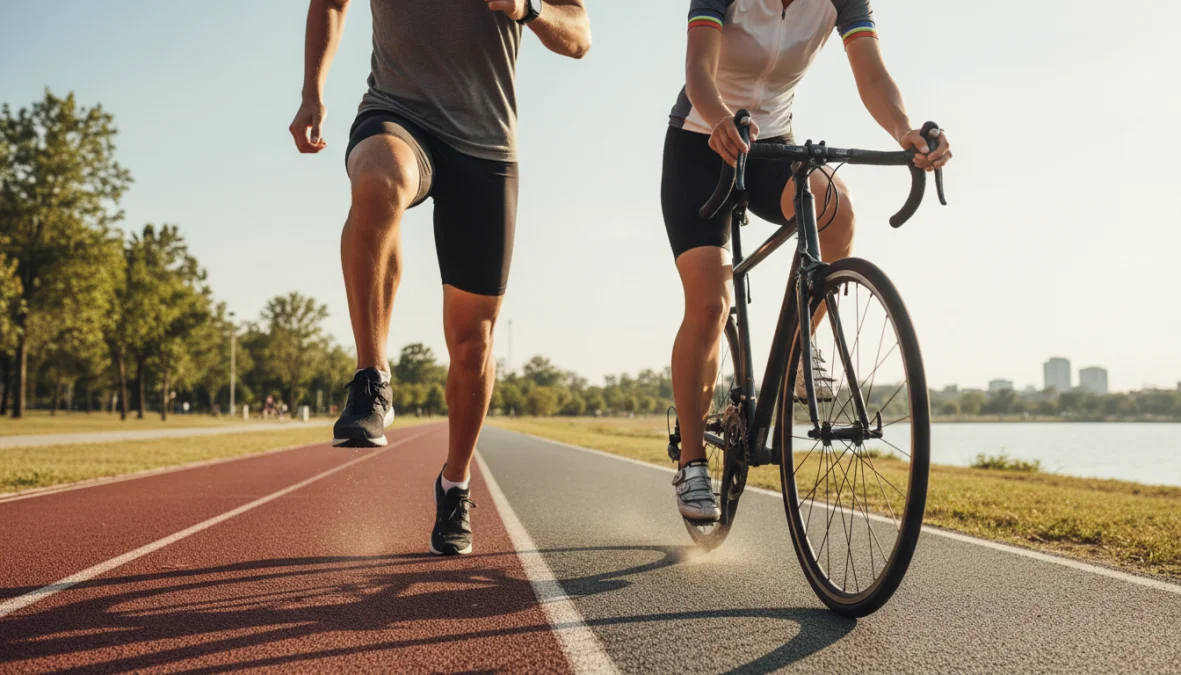
That familiar ache in your knee after a long run or bike ride isn’t just you—knee pain runners cyclists experience is one of the most common complaints in endurance sports. Whether you’re pounding the pavement or spinning through miles of countryside, your knees bear the brunt of repetitive motion, making them vulnerable to a variety of overuse injuries. The good news? Most knee issues are preventable and treatable when you understand what’s happening beneath the surface and take proactive steps to protect these crucial joints.
Understanding Knee Pain in Runners and Cyclists: Common Causes and Conditions
Both running and cycling place significant stress on the knee joint, but the biomechanics differ substantially. Runners deal with high-impact forces—roughly 2-3 times body weight with each strike—while cyclists face repetitive flexion-extension patterns with lower impact but higher volume. These different mechanical demands explain why certain conditions favor one sport over the other.
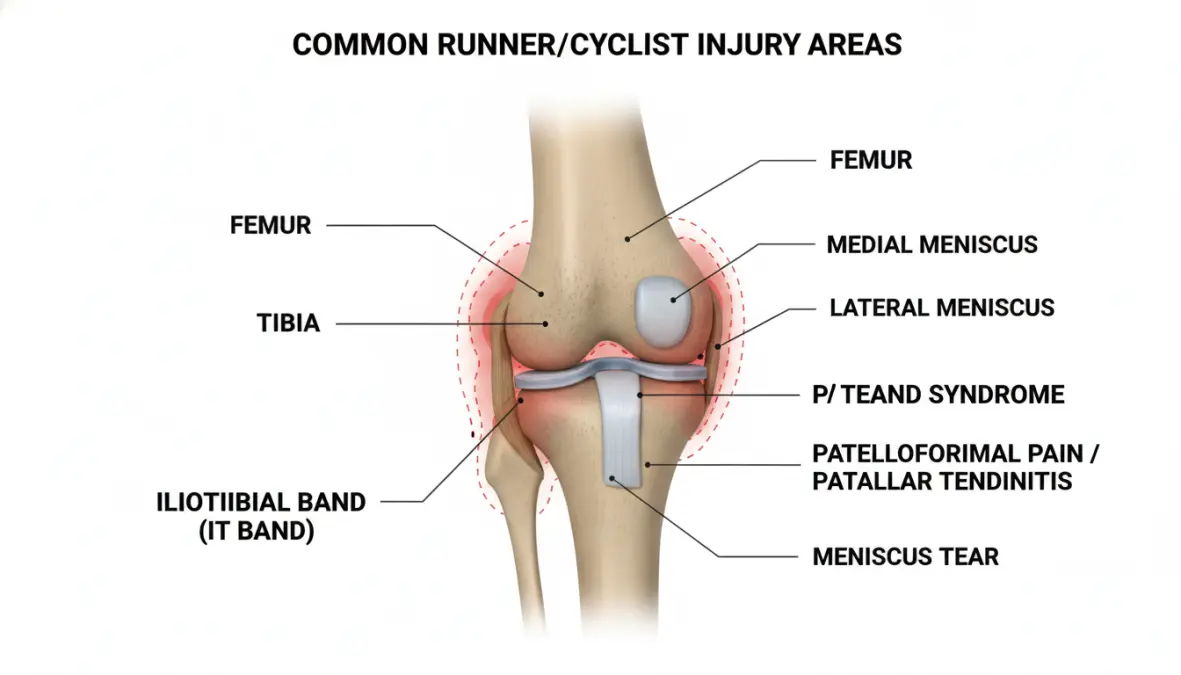
Patellofemoral pain syndrome, commonly called runner’s knee, tops the list for both athletes. This condition involves pain around or behind the kneecap caused by irritation between the patella and femur. You’ll feel it climbing stairs, squatting, or after prolonged sitting. The runner’s knee treatment approach focuses on correcting tracking issues and strengthening supporting muscles. Studies suggest 15-25% of runners deal with this at some point.
IT band syndrome creates sharp pain on the outer knee, particularly common in runners who increase mileage too quickly. The iliotibial band—a thick connective tissue running from hip to shin—becomes inflamed from repetitive friction. Cyclists experience this less frequently, but improper saddle height can trigger it.
Patellar tendinitis, or “jumper’s knee,” affects the tendon connecting kneecap to shinbone. For cyclists, this often signals cyclist knee pain causes like excessive saddle height forcing overextension. Runners typically develop it from speed work or hill training without adequate preparation.
Meniscus issues arise more commonly in runners due to rotational forces during turning or trail running. These cartilage tears cause clicking, locking, or giving way sensations. Cartilage damage requires careful diagnosis since symptoms overlap with other conditions.
Prevention Strategies: How to Protect Your Knees During Training
The best treatment is prevention, and protecting your knees starts before you lace up your shoes or clip into pedals. Understanding how to prevent knee pain when running or cycling requires addressing both general principles and sport-specific factors.
Every training session should begin with dynamic warm-up movements—leg swings, walking lunges, and gradual intensity increases prepare tissues for work ahead. Cooling down with static stretching and foam rolling helps manage muscle tension that can pull knees out of alignment. Progressive training load matters immensely: the 10% rule (increasing weekly volume by no more than 10%) prevents overuse injury better than any other single strategy.
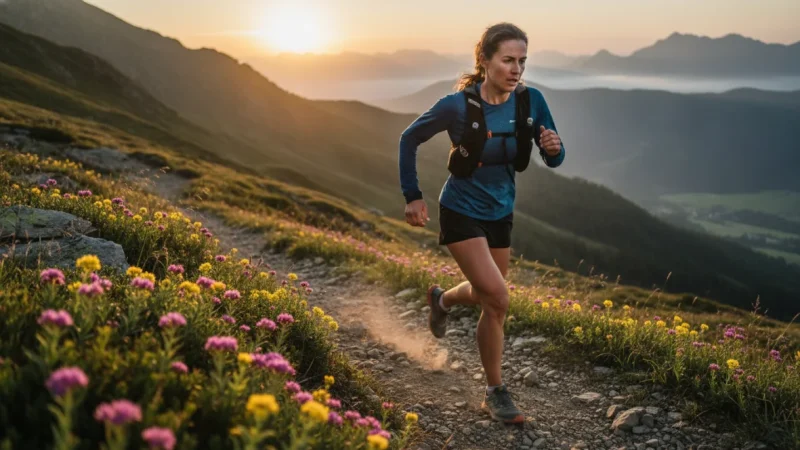
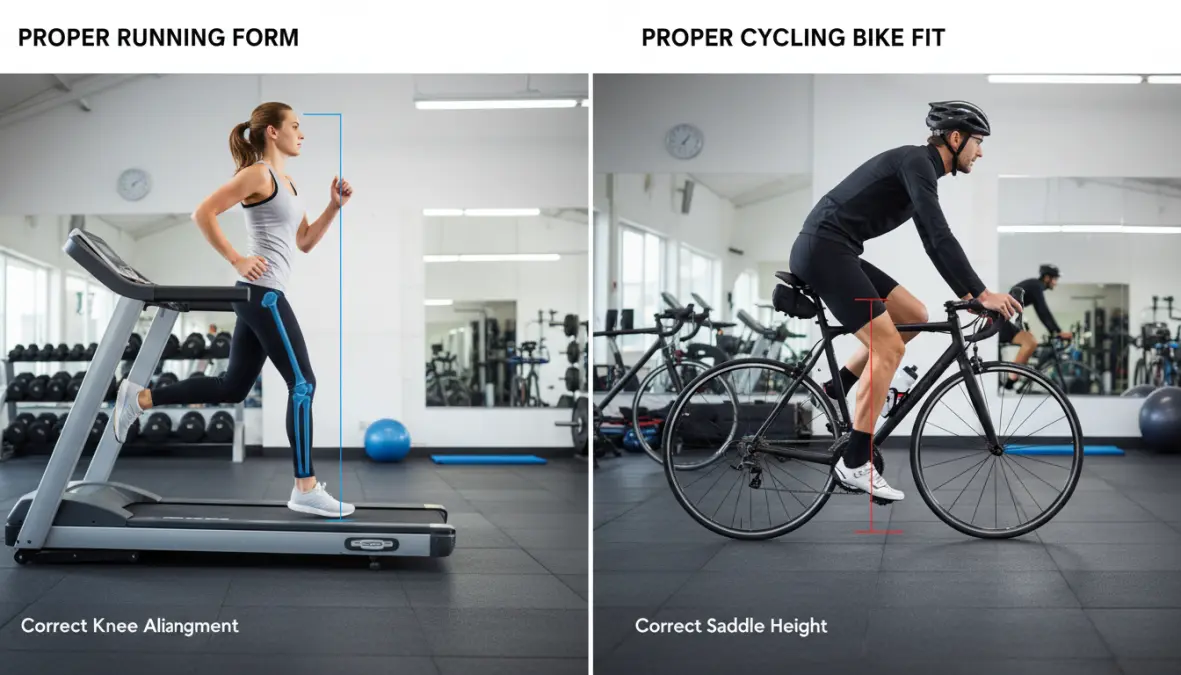
For runners specifically: Your running form knee pain connection is undeniable. Overstriding—landing with your foot far ahead of your body—creates braking forces that slam into your knees. Aim for a cadence around 170-180 steps per minute with midfoot striking. Vary running surfaces to distribute stress differently; concrete offers the hardest impact while trails and tracks provide more forgiveness. Proper footwear matched to your gait pattern prevents excessive pronation or supination that twists knee joints. The best exercises for runner’s knee include single-leg squats, clamshells for hip abductors, and step-downs that build eccentric quadriceps strength. Don’t neglect your glutes—weak hip muscles force knees to compensate, creating alignment issues that accumulate over miles.
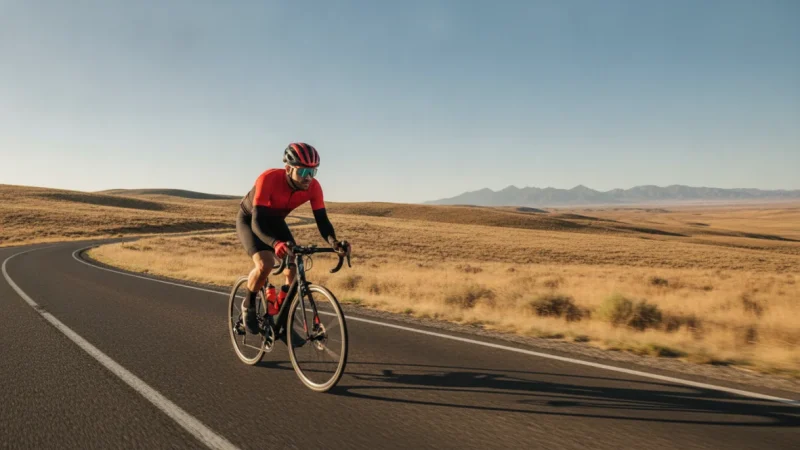
For cyclists: If you’re wondering why do my knees hurt after cycling, bike fit is your first investigation. Saddle height adjustment proves critical: too high forces hyperextension and strains tendons, while too low compresses the patellofemoral joint excessively. The classic method positions your heel on the pedal at bottom dead center with leg fully extended—switching to ball of foot creates proper 25-30 degree bend. Fore-aft saddle position affects how forces distribute through the knee; too far forward loads the patella heavily. Cleat positioning matters equally—rotational freedom prevents knee torque during the pedaling cycle. Focus on smooth, circular pedaling technique rather than mashing gears, and maintain cadence above 80rpm to reduce force per revolution. Cycling knee alignment depends on these setup details more than any other factor.
Both athletes benefit from dedicated strength training twice weekly. Quadriceps strengthening through exercises like squats, lunges, leg presses, and step-ups builds the muscular support system your knees desperately need. Include single-leg variations to identify and correct imbalances. Calf raises strengthen the posterior chain that stabilizes knee movement. These sessions don’t need to be long—20-30 minutes of focused work yields substantial protective benefits.
Treatment Options: From Self-Care to Professional Intervention
When knee pain runners cyclists experience does strike, responding appropriately determines whether you’re sidelined for days or months. The treatment hierarchy moves from immediate self-care through conservative therapies to professional intervention.
Start with the RICE protocol: Rest (relative, not absolute—complete immobilization weakens tissue), Ice (15-20 minutes several times daily to control inflammation), Compression (elastic wrap or sleeve), and Elevation (above heart level when possible). The critical question is whether to continue training. Mild discomfort that doesn’t worsen during activity and disappears quickly afterward typically allows modified training. Sharp pain, swelling, or discomfort that intensifies with movement demands complete rest.
Conservative treatments form the second line. Targeted stretching addresses tight structures pulling knees into poor alignment—hip flexors, hamstrings, and IT bands are usual culprits. Foam rolling for IT band syndrome provides temporary relief by releasing fascial tension, though it won’t fix underlying biomechanical issues. The knee strengthening exercises for cyclists and runners mentioned earlier become treatment tools now, building capacity to handle training loads. Knee braces or kinesiology taping can provide proprioceptive feedback and mild support during the healing process.
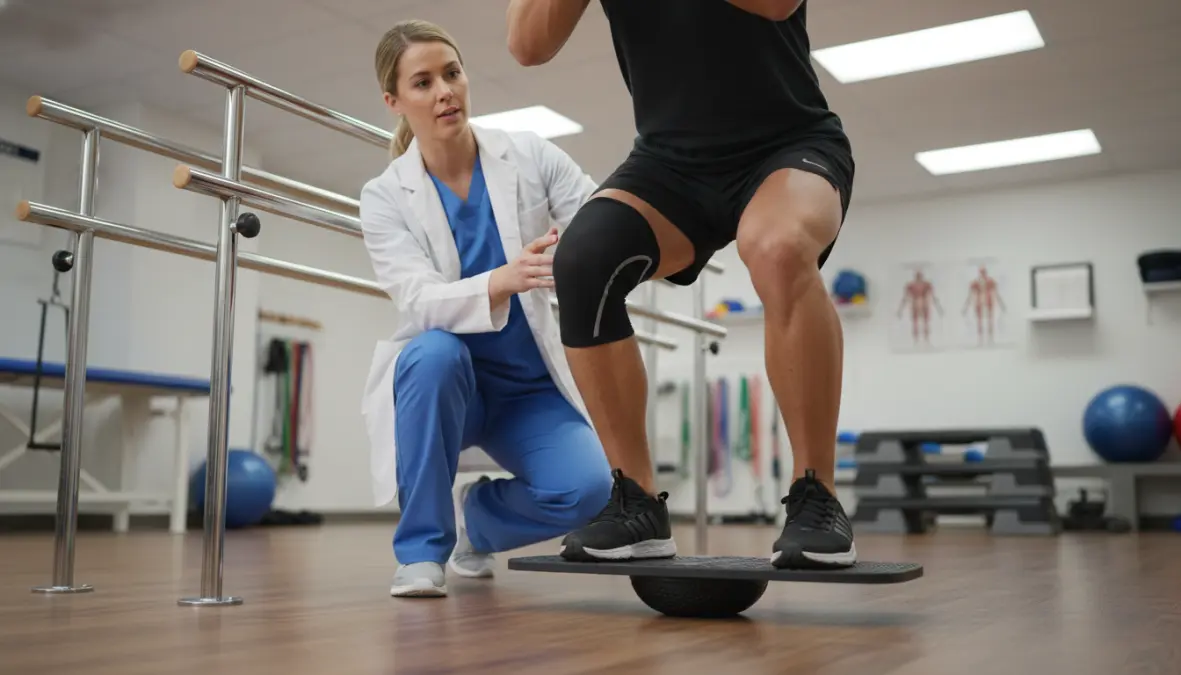
Professional help becomes necessary when pain persists beyond 2-3 weeks of self-care or significantly limits function. Physical therapy offers biomechanical analysis identifying movement faults you can’t see yourself. Therapists prescribe specific exercises addressing your particular dysfunction and employ modalities like ultrasound or electrical stimulation. For cyclists, professional bike fitting solves many cases of knee pain inner side cycling that resist other interventions. Medical evaluation includes imaging when structural damage is suspected—X-rays show alignment and arthritis, while MRI reveals soft tissue injuries to meniscus, ligaments, or cartilage. Anti-inflammatory medications manage symptoms but don’t substitute for addressing root causes. Injection therapies (corticosteroids, hyaluronic acid, or PRP) may help specific conditions. Surgery remains the last resort for structural problems unresponsive to conservative care.
Recovery timelines vary dramatically: mild runner’s knee may resolve in 2-4 weeks, while severe IT band syndrome can require 8-12 weeks. Patellofemoral pain syndrome treatment often demands 3-6 months of consistent strengthening. Red flags requiring immediate medical attention include sudden severe pain, visible deformity, inability to bear weight, significant swelling within hours of injury, or locking sensations preventing knee extension.
FAQ: Common Questions About Knee Pain in Runners and Cyclists
Should I stop running or cycling if my knee hurts?
It depends on severity. Mild discomfort that doesn’t worsen during activity allows cross-training or reduced intensity. Sharp pain, swelling, or progressive worsening demands complete rest. Listen to your body—training through significant pain causes more damage than a few days off.
What’s the difference between runner’s knee and cyclist’s knee?
There’s no official “cyclist’s knee,” but runners typically develop patellofemoral pain from impact forces while cyclists face issues from bike fit and pedaling mechanics. The anatomical structures affected often overlap, but the mechanism differs—compression versus improper tracking.
How long does it take for knee pain to heal?
Minor strains improve in 2-4 weeks with proper care. Moderate overuse injuries need 6-12 weeks. Severe or chronic conditions may require 3-6 months of rehabilitation. Consistent treatment and addressing root causes accelerate recovery significantly.
Can I prevent knee pain with supplements?
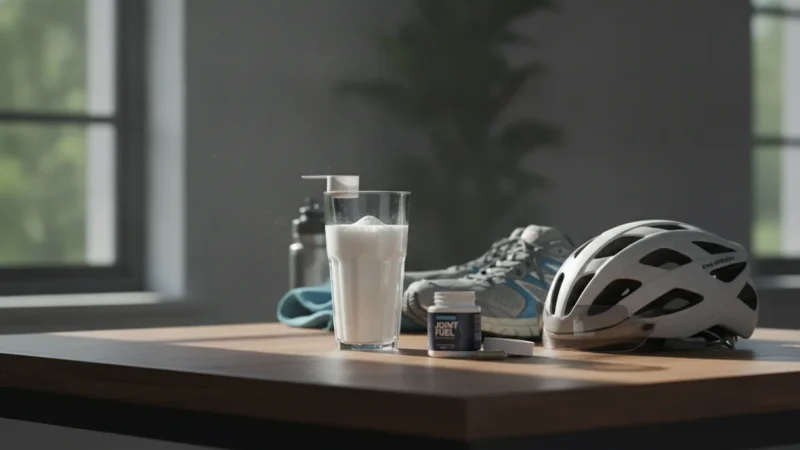
Glucosamine and chondroitin show mixed research results for joint health. Omega-3 fatty acids may reduce inflammation. However, supplements can’t overcome poor biomechanics or training errors. Focus on proper technique, strength training, and gradual progression first.
Is cycling good for recovering from runner’s knee?
Yes, with proper bike fit. Cycling provides cardiovascular training without running’s impact forces, making it excellent cross-training during runner’s knee recovery. Ensure proper bike fit to prevent knee pain from transferring the problem to a new context.
When should I see a doctor for knee pain?
Seek medical attention for pain lasting beyond 3 weeks despite self-care, significant swelling, inability to bear weight, visible deformity, locking or giving way sensations, or fever accompanying joint pain. Early professional evaluation prevents minor issues from becoming chronic problems.
Your knees carry you through thousands of miles over a lifetime of training. Treating them with respect—through proper technique, adequate strength preparation, and smart training progression—keeps you moving pain-free for years to come. When issues arise, addressing them early and comprehensively prevents the frustrating cycle of chronic pain that sidelines too many dedicated athletes. Stay strong, stay smart, and keep those knees happy.