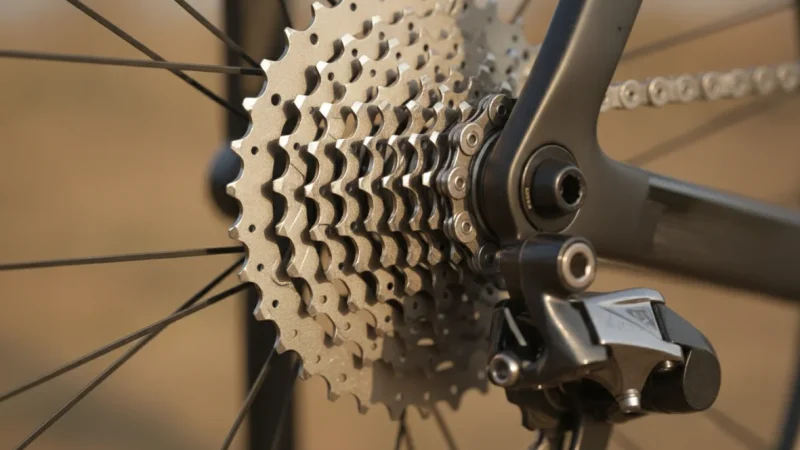
Strength Training for Cyclists: Build Power Without Bulk

You’ve probably heard it before: “I don’t want to lift weights because I’ll get too bulky for cycling.” Here’s the truth—strength training for cyclists isn’t about building bodybuilder muscles. It’s about developing explosive power, improving pedaling efficiency, and staying injury-free season after season. When done right, resistance training makes you faster on the bike without adding unnecessary weight. Let’s break down exactly how to build cycling-specific strength without compromising your power-to-weight ratio.
Why Strength Training Makes You a Faster Cyclist
The science is clear: strength training cyclists perform better. Research shows that incorporating resistance training cycling programs increases functional threshold power by 8-12% in just 12 weeks. But it’s not just about raw numbers—strength work improves neuromuscular adaptation, meaning your muscles fire more efficiently during each pedal stroke.
Here’s what power training for cyclists actually does: it enhances your ability to recruit muscle fibers quickly (crucial for sprints and climbs), improves pedaling economy so you use less energy at the same wattage, and builds connective tissue resilience that prevents overuse injuries like knee pain and IT band syndrome. The “bulk” myth? It comes from confusing bodybuilding-style training (high volume, moderate weight) with cycling-specific strength work (low reps, heavy weight, minimal hypertrophy).
When you focus on neural adaptation rather than muscle growth, you develop explosive strength cycling without significant weight gain. Studies on professional cyclists show that properly periodized strength programs increase peak power output while maintaining or even slightly reducing body weight. The key is training your nervous system to generate more force, not pumping up muscle size.
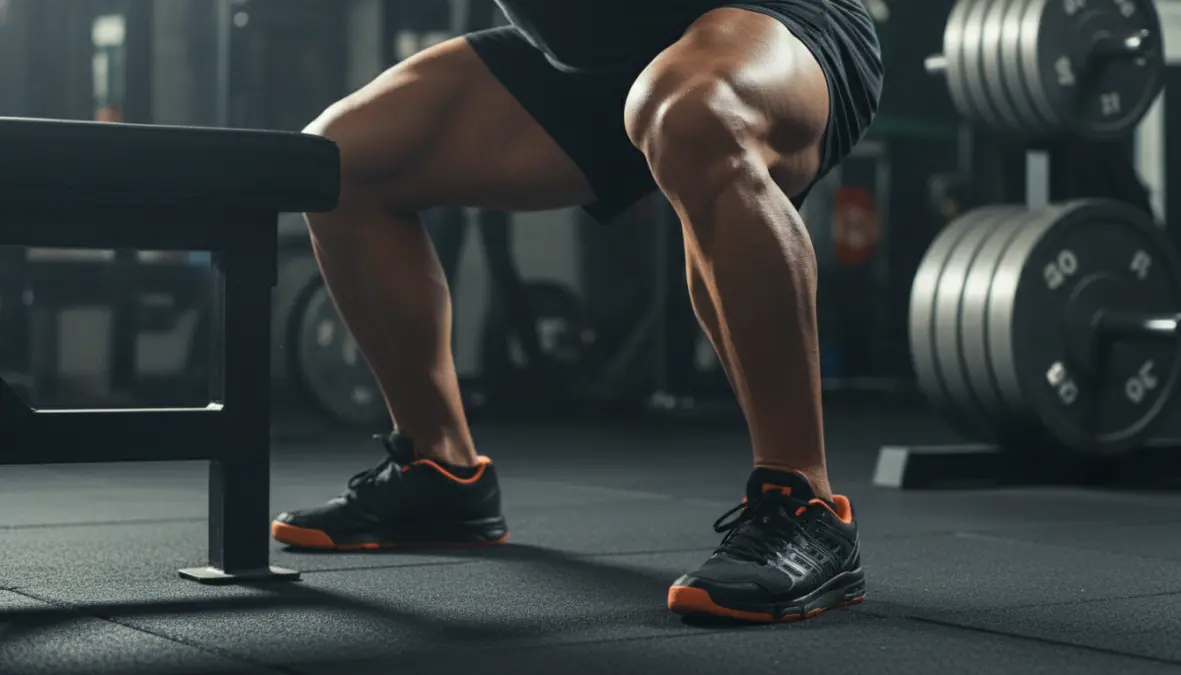
Essential Gym Exercises for Cyclists
Not all gym exercises for cyclists are created equal. The best cycling strength workouts focus on movements that directly transfer to the bike: single-leg power, hip extension, and core stability. Here’s your toolbox for building cyclist leg strength through smart off-bike training cycling.
Lower Body Power Builders
Back Squats (3-5 sets of 4-6 reps): The foundation of any strength program. Squats build overall leg power and teach you to generate force through your glutes and quads—exactly what happens when you stomp on the pedals. Keep the weight heavy enough that the last rep is challenging, but maintain perfect form.
Romanian Deadlifts (3-4 sets of 5-6 reps): This posterior chain builder targets your hamstrings and glutes, which are often underdeveloped in cyclists. Strong hamstrings mean better power transfer through the entire pedal stroke, not just the downstroke.
Bulgarian Split Squats (3 sets of 6-8 reps per leg): Single-leg work is gold for cyclists because pedaling is an alternating movement. These build unilateral strength and expose any left-right imbalances before they become injuries. They’re also one of the best functional strength exercises for road cyclists.
Step-Ups with Knee Drive (3 sets of 8 reps per leg): Mimics the cycling motion while building explosive power. Drive through your heel and focus on hip extension—this directly translates to climbing power.
Core and Stabilization Work
Core stability cyclists need isn’t about six-pack abs—it’s about maintaining position and transferring power efficiently. When your core is weak, energy leaks out through unnecessary movement instead of going into the pedals.
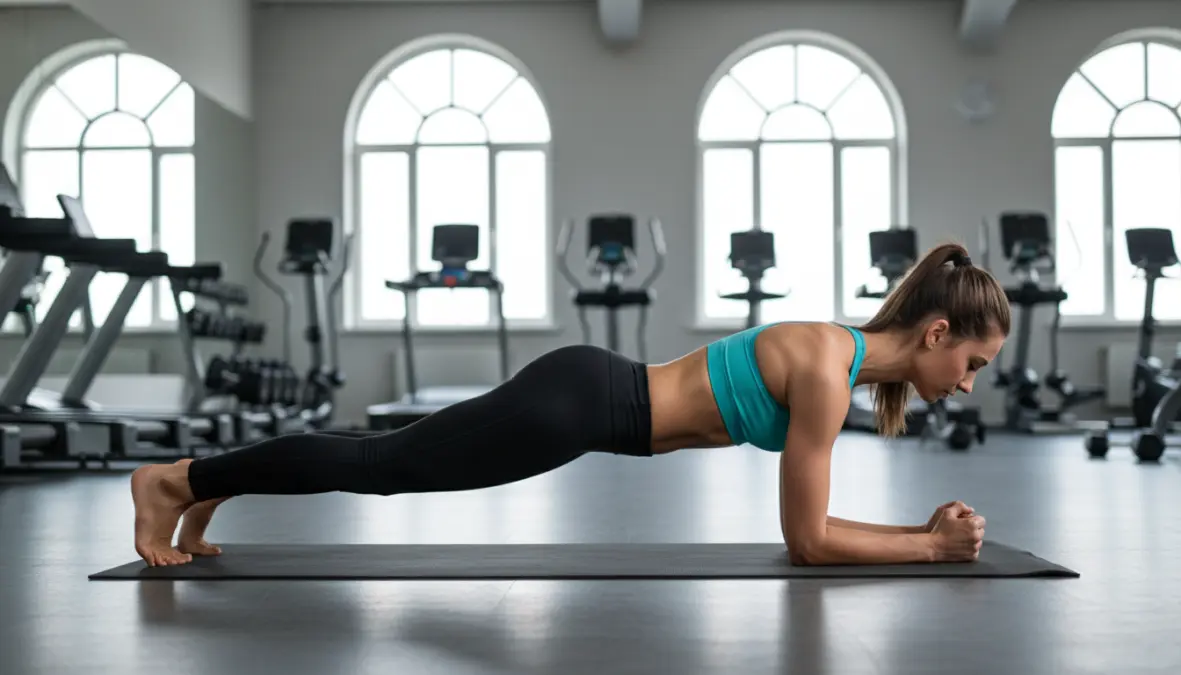
Planks and Variations (3-4 sets of 30-60 seconds): Front planks, side planks, and plank variations with arm/leg lifts build the anti-extension and anti-rotation strength crucial for maintaining aero position and climbing out of the saddle.
Single-Leg Deadlifts (3 sets of 8 reps per leg): This exercise is a triple threat—it builds balance, strengthens your posterior chain, and improves core stability all at once. The balance component enhances proprioception and pedaling smoothness.
Pallof Press (3 sets of 10 reps per side): An anti-rotation exercise that teaches your core to resist twisting forces—exactly what happens when you’re grinding up a steep climb or sprinting.
How to Structure Your Cyclist Strength Program
Building an effective strength program cyclists can follow requires smart periodization. Here’s the practical framework for resistance training for cyclists in off-season and beyond.
Off-Season (Base Building): This is when you do the heavy lifting—literally. Schedule 2-3 strength sessions per week, focusing on 3-6 rep ranges with 2-3 minutes rest between sets. This is your time for strength training for cyclists without gaining weight by emphasizing neural adaptation. A sample week might look like: Monday (lower body strength), Wednesday (easy ride), Thursday (upper body and core), Saturday (long ride), Sunday (lower body strength).
In-Season (Maintenance): Drop to 1-2 sessions per week with reduced volume but maintain intensity. You’re not building new strength here—you’re preserving what you built in the off-season. Keep weights heavy (80-85% of max) but reduce sets to 2-3. This prevents detraining while allowing fresh legs for key rides and races.
The secret to avoiding bulk? Keep volume low and intensity high. Instead of 4 sets of 12 reps (bodybuilding style), do 4-5 sets of 3-5 reps at 85-90% of your max. This trains your nervous system to recruit more muscle fibers without triggering significant hypertrophy. It’s how you improve your power-to-weight ratio instead of just getting stronger and heavier.
Timing matters too. Never do heavy leg work the day before hard intervals or race day. Ideally, place strength sessions after easy rides or on complete rest days from cycling. If you must combine them, do your bike workout first when you’re fresh, then hit the gym—your weight training for cyclists to improve performance shouldn’t compromise quality bike training.
Include plyometric exercises cyclists can benefit from—like box jumps and broad jumps—once you’ve built a strength base. These develop explosive power and further enhance neuromuscular adaptation without adding size. Use them sparingly (1-2 times per week, 3-5 sets of 3-5 reps) during pre-competitive phases.
FAQ
Will strength training make me too bulky for cycling?
No, not if you train correctly. Focus on low reps (3-6), heavy weight (85-90% max), and long rest periods. This builds neural strength without significant muscle growth. Avoid bodybuilding-style high-volume training.
How many times per week should cyclists lift weights?
Off-season: 2-3 times per week. In-season: 1-2 times per week for maintenance. Quality over quantity—two focused sessions beat four mediocre ones.
Should I do strength training during racing season?
Yes, but reduce volume to maintain gains without causing fatigue. One session per week of heavy, low-rep work preserves strength you built in the off-season.
What’s better for cyclists: high reps or heavy weight?
Heavy weight, low reps (3-6) develops power and neural efficiency without bulk. High reps (12+) build endurance you already get from cycling and can cause unwanted muscle growth.
Can I do strength and cycling on the same day?
Yes—do your quality bike work first, then lift. Or separate them by at least 6 hours. Never do heavy squats the day before intervals or races.
Building power without bulk isn’t just possible—it’s exactly what smart strength training for endurance cyclists delivers. Start with the basics, respect your periodization training plan, and watch your watts climb while your weight stays put. Your competition won’t know what hit them when you come out of the off-season stronger, faster, and ready to dominate.