Sodium for Endurance Athletes: How Much Do You Really Need?

You’ve probably heard that salt is bad for you—but if you’re logging serious miles on the roads, trails, or bike, the opposite might be true. Sodium for endurance athletes isn’t just important; it’s absolutely critical for maintaining performance, preventing dangerous conditions, and simply feeling good during those long training sessions. Yet many runners, cyclists, and triathletes still struggle with the question: how much do I actually need? Let’s cut through the confusion and get specific about your sodium needs.
Why Sodium Matters for Endurance Performance
Sodium plays three essential roles in your body that directly impact your ability to perform. First, it regulates fluid balance—keeping the right amount of water in and around your cells. Second, it enables nerve transmission, sending the electrical signals that tell your muscles when to fire. Third, it’s directly involved in muscle contraction itself. Without adequate sodium, all three systems start to falter.
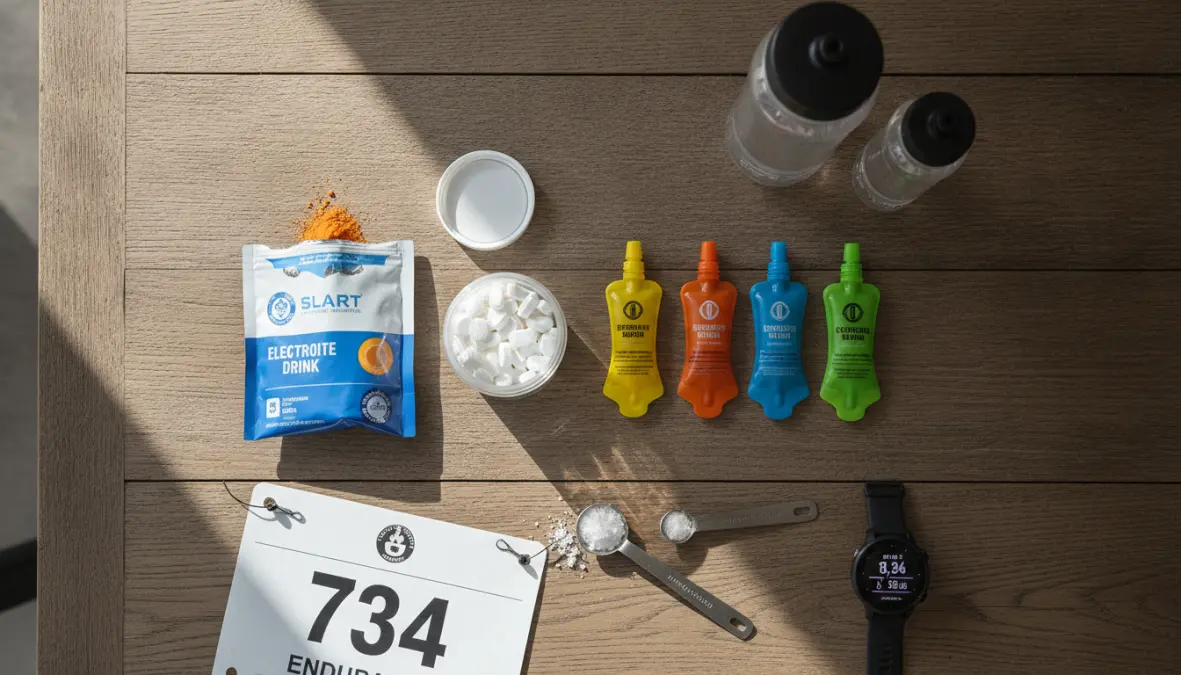
During prolonged exercise, you lose sodium primarily through sweat. The average sodium depletion during exercise ranges from 500 to 1,500 mg per liter of sweat, though this varies wildly between individuals. Some athletes are “salty sweaters” who leave visible white residue on their clothes and lose upwards of 2,000 mg per liter, while others lose considerably less. This variability makes personalized electrolyte intake athletes strategies essential.
When sodium levels drop too low, you’ll experience muscle cramping, unusual fatigue that feels different from normal tiredness, mental fog, and significant performance decline. Your body simply can’t maintain the electrical gradients needed for optimal muscle function. On the flip side, excessive sodium intake rarely causes acute problems for athletes (you’ll just feel thirsty), though chronically overdoing it outside of training can contribute to other health issues. The sweet spot matters, especially during competition.
Research shows that athletes can lose between 3,000 to 7,000 mg of sodium during a marathon, depending on conditions, intensity, and individual sweat rate. During an Ironman triathlon, losses can exceed 10,000 mg. These aren’t numbers you can ignore.
How Much Sodium Do Endurance Athletes Actually Need?
Let’s get specific with numbers. Your baseline daily sodium intake athletes should be around 2,300-3,000 mg per day for general health—that’s the foundation. But during exercise, your sodium needs for runners and other endurance athletes spike dramatically based on several factors.
For exercise lasting longer than one hour, aim for 300-600 mg of sodium per hour as a starting point. If you’re racing in hot conditions, training at high intensity, or know you’re a heavy sweater, you might need 600-1,200 mg per hour. Ultra-endurance events like 100-mile runs or long-distance triathlons may require even more—some athletes successfully consume up to 1,500 mg per hour during extreme efforts.
The factors influencing your salt requirements endurance training include: exercise intensity (higher intensity = more sweat), duration (longer = more cumulative loss), ambient temperature and humidity (hot and humid conditions dramatically increase sweat rate), your individual sweat rate (highly variable), and heat acclimatization status (adapted athletes may conserve sodium better, but still lose significant amounts). To understand how much sodium do endurance athletes need per day, add your exercise losses to your baseline needs. If you’re training two hours and losing 1,000 mg during that session, your total daily needs might be 4,000-5,000 mg.
For context: a 60-minute easy run might require 300-500 mg supplementation, a marathon could need 2,000-4,000 mg total, and an Ironman might demand 6,000-10,000 mg throughout the event. These ranges explain why simple water isn’t enough and why proper hydration strategies for endurance athletes must include electrolytes.
Calculating Your Personal Sodium Needs
The most accurate way to determine your needs is conducting sweat rate testing. Here’s the practical method: weigh yourself naked before a one-hour workout in typical conditions. Don’t drink during this test session. Weigh yourself again immediately after, toweling off any sweat first. The weight lost in pounds (or kilograms) roughly equals the liters of fluid you lost through sweat.
For example, if you lost 2 pounds, that’s approximately 1 liter of sweat. If you’re an average sweater (1,000 mg sodium per liter), you lost about 1,000 mg of sodium in that hour. Repeat this test in different conditions and intensities to understand how to calculate sodium needs for triathletes and other endurance athletes across various scenarios.
Look for visual cues too. White residue or stinging eyes from salty sweat indicate you’re a heavy sodium loser. If you notice these signs of low sodium in endurance athletes—persistent muscle cramps, unusual fatigue, headaches during or after long efforts, or nausea—you likely need more sodium. Tracking these observations alongside fitness trackers can provide valuable data for optimizing your fluid replacement strategy.
The Dangers of Getting It Wrong: Hyponatremia and Sodium Depletion
Hyponatremia in athletes occurs when blood sodium concentration drops dangerously low, typically below 135 mmol/L. This isn’t the same as gradual sodium depletion—it’s an acute, potentially life-threatening condition that happens when athletes drink excessive plain water without adequate sodium replacement, diluting their blood sodium levels.
Symptoms include nausea, headache, confusion, seizures, and in severe cases, cerebral edema. The condition most commonly affects slower endurance athletes who spend many hours exercising and drinking large volumes of water without electrolytes. Ironically, trying to “stay hydrated” with water alone creates the problem. Understanding preventing hyponatremia during ultra marathon events is crucial—it means matching fluid intake to actual losses and always including sodium in your hydration plan.
Real cases from major marathons have shown that 10-15% of finishers may have some degree of hyponatremia, with slower finishers at highest risk. The solution isn’t drinking less necessarily—it’s ensuring adequate sodium accompanies your fluids. This is fundamentally different from chronic sodium depletion, which develops over days of inadequate intake and causes progressive performance decline and cramping.
Practical Sodium Supplementation Strategies for Training and Racing
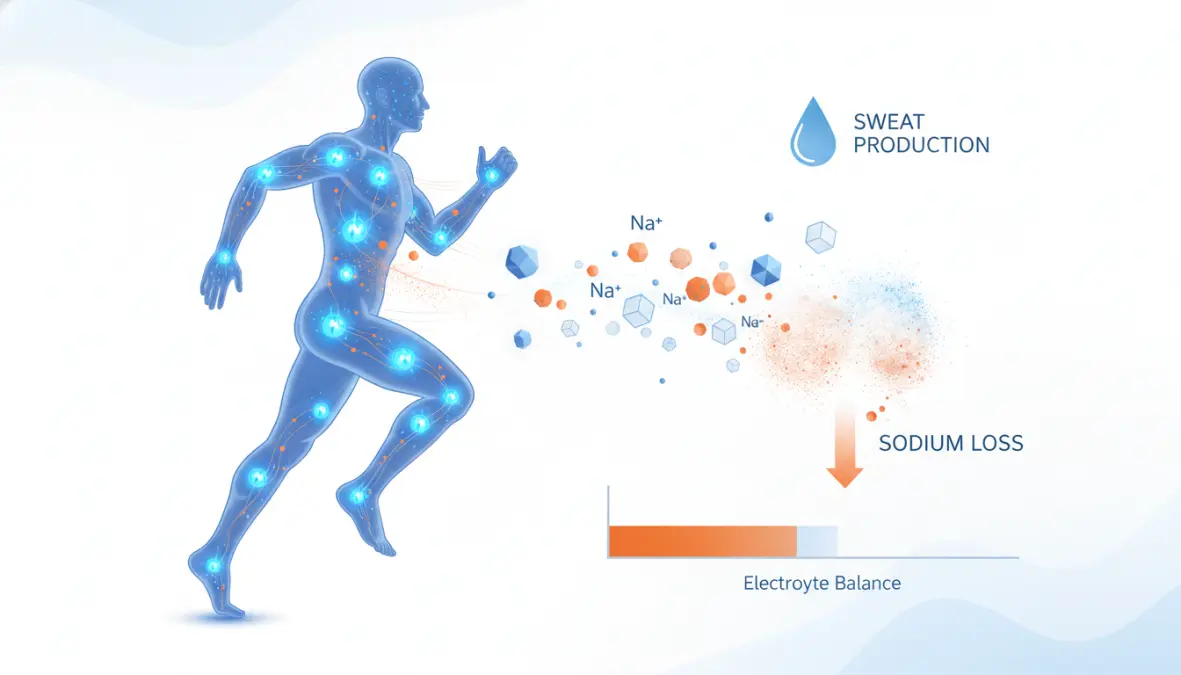
Now for the practical part: getting enough sodium into your system. The best sodium sources for marathon runners and other endurance athletes include regular table salt (2,300 mg sodium per teaspoon), sports drinks (typically 100-200 mg per 8 oz), electrolyte gels (50-200 mg per packet), salt tablets or electrolyte capsules (100-200 mg per capsule), and whole food sources like pretzels, pickles, or salted nuts.
For sodium intake before long distance running, consider consuming 300-500 mg about 30 minutes before starting. This preloads your system and can improve fluid retention. During exercise, spread your sodium intake throughout the effort—don’t wait until you’re cramping. For a marathon, that might mean 200-400 mg every 30-45 minutes via sports drink or gels. For ultra-distance events, many athletes successfully use salt tablets for runners, taking one capsule every hour alongside their regular nutrition.
Post-exercise, replenish sodium through regular meals, which naturally contain plenty when you salt your food normally. A recovery meal with some added salt helps restore electrolyte balance quickly. In training, you can be more relaxed with timing, but races demand structure. Plan exactly when and how you’ll consume sodium—write it into your race nutrition plan just like you would carbohydrate intake, similar to strategies outlined in carb cycling approaches.
In hot and humid conditions, increase your intake by 25-50%. At altitude, you may need slightly more due to increased respiratory water loss, though the effect is smaller than temperature. Different sports have different practical constraints: cyclists can carry more supplies easily, while runners need pocket-friendly options. Triathletes must plan transitions carefully to maintain consistent sodium supplementation sports intake across disciplines.
Remember that muscle cramping prevention involves adequate sodium, but also proper pacing and conditioning. Sodium helps, but it’s not magic—combine it with smart training, appropriate intensity management (consider performance testing to dial in your zones), and progressive adaptation. The mental game matters too, as covered in mental training strategies, because stress and anxiety can affect both cramping and nutrition tolerance.
Getting your sodium right is a cornerstone of performance optimization and endurance training nutrition. Start experimenting in training, track your personal needs, and develop a system that works for your body. Your performance—and your safety—depend on it. Don’t leave this critical element to chance on race day.