Sports Performance Testing: VO2 Max, FTP, and Lactate Threshold Explained

Ever wonder what separates elite endurance athletes from the rest of the pack? It’s not just genetics or grueling training hours—it’s the ability to measure, track, and optimize performance using scientific data. Sports performance testing gives athletes concrete numbers that reveal exactly how their cardiovascular and metabolic systems function under stress. Whether you’re a competitive cyclist pushing for podium finishes, a marathon runner chasing a personal best, or a triathlete balancing three disciplines, understanding your VO2 max, FTP, and lactate threshold can transform your training from guesswork into precision science.
Understanding Sports Performance Testing for Athletes
Sports performance testing is the scientific assessment of an athlete’s physiological capabilities through controlled, measurable protocols. These tests provide objective performance metrics athletes can actually use—not vague feelings or subjective effort levels, but hard data on oxygen consumption, power output, and metabolic thresholds. For endurance athletes especially, this information is gold.
The beauty of athletic performance assessment lies in its personalization. Two cyclists might train together daily, but their optimal training zones could be vastly different. Performance testing reveals these individual differences, allowing coaches and athletes to craft training programs that target specific physiological adaptations. Instead of following generic plans, you’re working within your unique metabolic landscape.
The three foundational tests we’ll explore—VO2 max, FTP, and lactate threshold—each reveal different aspects of your engine. VO2 max shows your maximum aerobic capacity, essentially how much oxygen your body can use during all-out effort. FTP (Functional Threshold Power) identifies the highest power output you can sustain for roughly an hour. Lactate threshold testing pinpoints the intensity where your body shifts metabolic gears. Together, these tests paint a comprehensive picture of your endurance capabilities and limitations.
The Three Essential Performance Tests Explained
Let’s break down each test in detail, exploring what they measure, how they’re conducted, and what the results mean for your training.
VO2 Max Testing: Measuring Your Aerobic Capacity
VO2 max testing measures your maximal oxygen uptake—the maximum volume of oxygen your body can consume per minute during intense exercise. It’s expressed as milliliters of oxygen per kilogram of body weight per minute (ml/kg/min). Elite male endurance athletes often score 70-85 ml/kg/min, while elite females typically range from 60-75 ml/kg/min. Recreational athletes usually fall between 35-55 ml/kg/min.
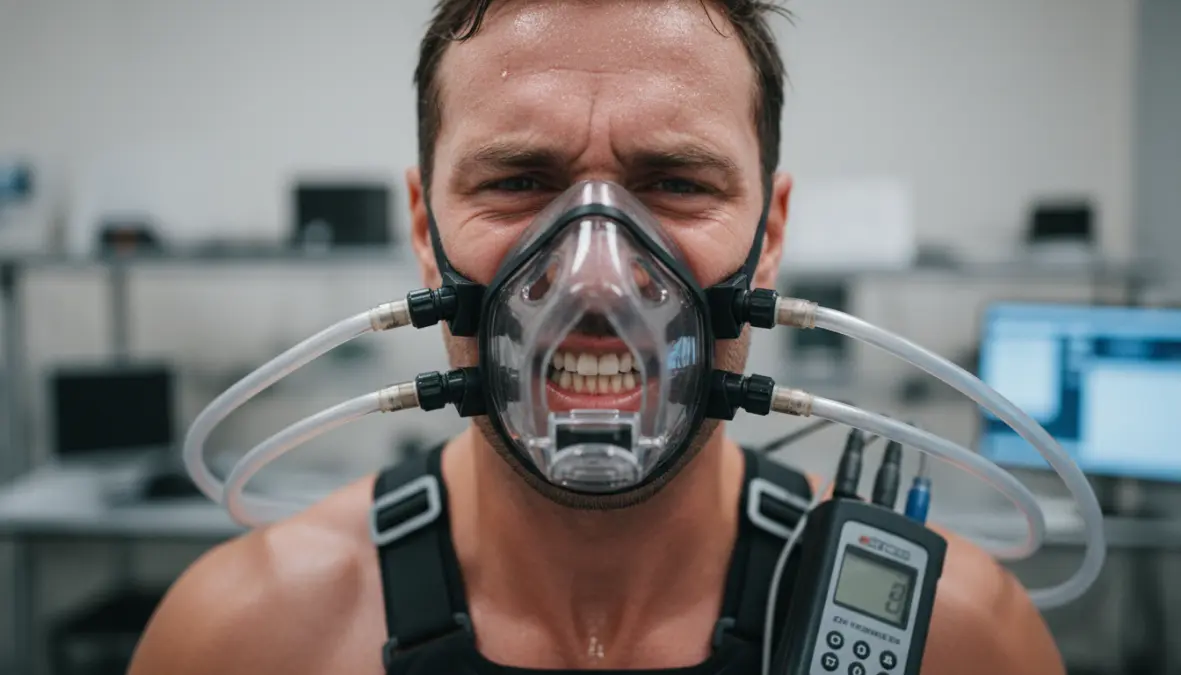
The gold standard for aerobic capacity testing happens in a lab with a metabolic cart. You’ll wear a mask that analyzes your breath while running on a treadmill or cycling on a stationary bike. The intensity increases gradually—either in stages or continuously—until you reach complete exhaustion. The test measures not just maximal oxygen uptake but also breathing efficiency, heart rate response, and the relationship between effort and oxygen consumption.
If you’re wondering how to measure VO2 max accurately, laboratory testing is ideal but not always accessible. Field tests like the Cooper 12-minute run or progressive beep tests can estimate VO2 max reasonably well for tracking trends, though they’re less precise than lab measurements. Many modern sports watches also provide estimates based on heart rate variability and performance data, useful for monitoring changes over time.
FTP Testing: Finding Your Functional Threshold Power
For cyclists and triathletes, the FTP test is perhaps the most practical performance metric. FTP represents the highest average power you can maintain for approximately 60 minutes—your threshold between sustainable and unsustainable effort. It’s the cornerstone for setting training zones and tracking improvements in cycling fitness.
The classic 20-minute FTP test protocol involves a thorough warm-up followed by a 5-minute all-out effort (to deplete glycogen stores), then a 20-minute maximum sustained effort. Your average power during those 20 minutes, multiplied by 0.95, gives your estimated FTP. The best sports performance tests for cyclists also include ramp tests, where resistance increases steadily until failure—your FTP is typically 75% of your peak 1-minute power.
Understanding the difference between FTP and lactate threshold is crucial: FTP is a power-based metric specific to cycling, while lactate threshold is a physiological phenomenon that applies across all endurance sports. They’re related but not identical. FTP typically occurs slightly below your second lactate threshold, making it a sustainable reference point for training and racing.
Lactate Threshold Testing: Understanding Your Metabolic Limits
Lactate threshold test protocols measure blood lactate concentration at increasing exercise intensities. As effort increases, your body produces lactate faster than it can clear it. The first lactate threshold (LT1) marks where lactate begins rising above baseline—this corresponds roughly to your all-day sustainable pace. The second threshold (LT2 or anaerobic threshold) is where lactate accumulates rapidly, typically around 4 mmol/L for most athletes.
During metabolic testing, small blood samples are taken from your fingertip or earlobe at regular intervals as intensity increases. This direct measurement provides the most accurate data for establishing training zones based on your individual physiology. Some facilities use respiratory exchange ratio (RER) from breath analysis as a proxy for lactate thresholds, though blood sampling remains the gold standard.
Many athletes ask about VO2 max vs lactate threshold explained—which matters more? Both are important but serve different purposes. VO2 max represents your ceiling, your maximum engine size. Lactate threshold determines how much of that engine you can actually use for extended periods. An athlete with a moderate VO2 max but high lactate threshold (as a percentage of VO2 max) will often outperform someone with higher absolute aerobic capacity but poor threshold development.
Choosing the Right Test and Applying Results to Your Training
So which test should you prioritize? The answer depends on your sport and goals. Cyclists and triathletes benefit enormously from regular FTP test protocols—they’re convenient, sport-specific, and directly applicable to training prescription. Runners and cross-training athletes gain more from lactate threshold test results, which translate across different movement patterns. VO2 max testing provides valuable baseline data but changes slowly, making it less useful for frequent monitoring.
Testing frequency matters. FTP can be assessed every 6-8 weeks during structured training blocks. Lactate threshold testing works well quarterly or at the beginning of major training phases. VO2 max testing once or twice yearly is sufficient unless you’re tracking specific interventions. The key is consistent testing conditions—same time of day, similar fatigue levels, controlled environment—to ensure valid comparisons.
Applying your test results is where the magic happens. Once you know your FTP, you can calculate precise power output measurement zones for intervals, tempo rides, and recovery sessions. Lactate threshold data determines your tempo run pace, marathon race pace, and threshold intervals. VO2 max results help gauge overall cardiorespiratory fitness and long-term progress.
Cost and accessibility vary significantly. DIY FTP tests require only a power meter and trainer—maybe $50-100 if you need a training platform subscription. Professional lactate threshold testing typically runs $150-300. Comprehensive VO2 max testing in exercise physiology labs can cost $200-400. Searching for “sports performance testing near me” will reveal local options, from university labs to specialized sports medicine clinics.
The bottom line? Performance benchmarking transforms training from art to science. Whether you’re curious about how to improve lactate threshold training or simply want to understand your current capabilities, these tests provide the roadmap. Start with what’s accessible and sport-specific, then expand as your competitive ambitions grow. The numbers don’t lie—and they’ll guide you toward your best performances yet.