Dehydration Symptoms in Athletes: Critical Warning Signs and Emergency Response Guide
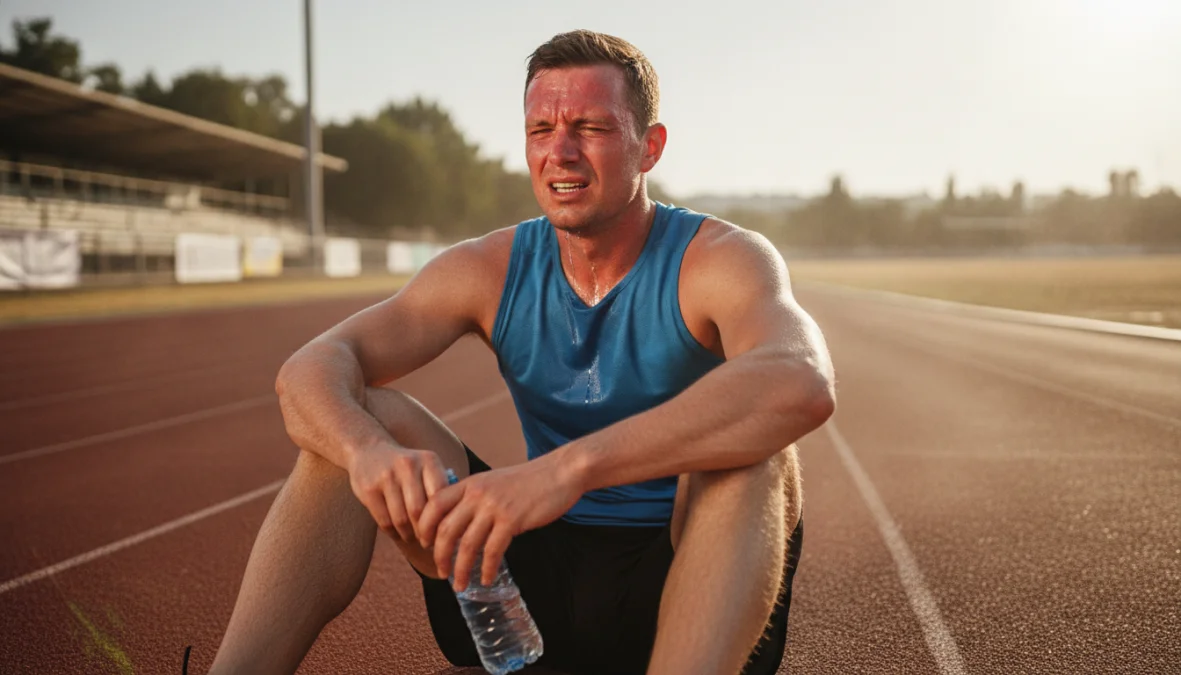
Picture this: You’re three miles into a marathon, feeling strong, when suddenly your legs turn to cement, your vision blurs, and you can’t remember what mile marker you just passed. Sound familiar? That’s your body screaming about dehydration symptoms athletes often ignore until it’s too late. Whether you’re a weekend warrior or a competitive athlete, understanding the critical warning signs of dehydration could literally save your life—or at the very least, save your race time.
Understanding Dehydration in Athletes: Why It’s More Than Just Thirst
When we talk about dehydration symptoms athletes experience, we’re not just discussing feeling thirsty. Exercise-induced dehydration is a complex physiological cascade that begins the moment you start sweating. Your body can lose anywhere from 0.5 to 2.5 liters of fluid per hour during intense exercise, depending on your sweat rate, environmental conditions, and exercise intensity.
Here’s what makes athletic dehydration particularly dangerous: studies show that losing just 2% of your body weight in fluids can decrease athletic performance hydration by up to 10-20%. That means a 150-pound runner losing just 3 pounds of water weight could see significant performance drops. Lose 5% or more, and you’re risking serious heat illness complications.
Athletes are especially vulnerable because the thirst mechanism lags behind actual fluid needs during exercise. By the time you feel thirsty, you’re already dehydrated. Add in competitive focus—where athletes push through discomfort—and you’ve got a perfect storm. Research indicates that up to 60% of athletes start training or competition already dehydrated, compounding the problem before they even begin. This baseline deficit makes recognizing early warning signs absolutely critical, especially when combined with the physical demands that can lead to overtraining symptoms.
Critical Warning Signs: How to Recognize Dehydration Symptoms in Athletes
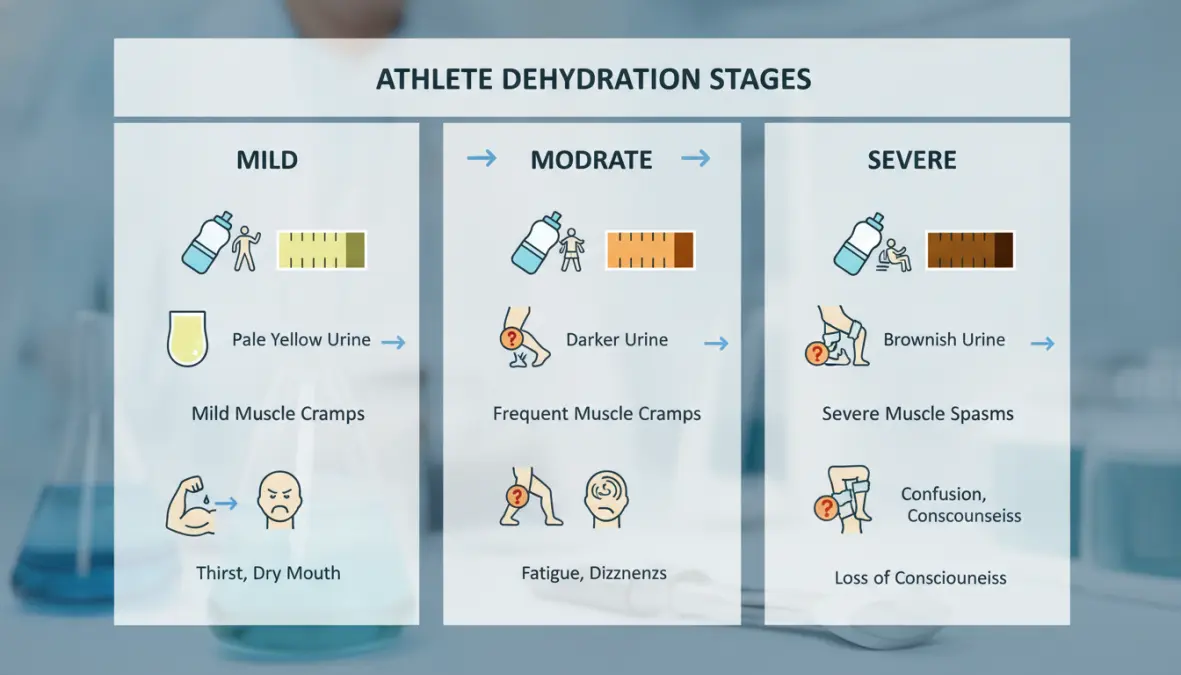
Recognizing athlete dehydration signs requires understanding the progression from mild to life-threatening. Early warning signs of dehydration in athletes include increased thirst, dry mouth, darker urine color (think apple juice instead of lemonade), slight headache, and reduced sweat production. Many athletes also notice their performance feels “off” before physical symptoms become obvious.
Moderate symptoms escalate quickly: muscle cramping becomes prominent, dizziness sets in, fatigue feels disproportionate to effort, heart rate increases abnormally, and cognitive impairment begins—you might struggle with decision-making or coordination. Your skin loses elasticity (pinch test: if it doesn’t snap back quickly, you’re dehydrated), and you may experience nausea.
Severe dehydration constitutes a medical emergency. How to recognize severe dehydration during sports: extreme confusion or disorientation, inability to sweat despite heat, rapid weak pulse, sunken eyes, very dark or no urine output, seizures, or loss of consciousness. This is when dehydration crosses into heat exhaustion athletes experience or even heat stroke territory.
Understanding the difference between mild and severe dehydration in sports is critical: mild dehydration can be self-managed with proper fluid replacement, while severe cases require immediate medical intervention. Heat exhaustion involves heavy sweating, weakness, and nausea but normal mental function; heat stroke means confusion, possible unconsciousness, and body temperature above 104°F—this is life-threatening.
The Role of Electrolyte Imbalance in Athletic Performance
Electrolyte imbalance symptoms complicate the dehydration picture significantly. When you sweat, you don’t just lose water—you lose sodium, potassium, magnesium, and chloride. This is why chugging plain water during prolonged exercise can actually worsen problems or even cause hyponatremia (dangerously low sodium levels).
Specific electrolyte deficiency signs include: sodium loss causes confusion, headaches, and in severe cases, seizures; potassium depletion leads to severe muscle cramping and heart arrhythmias; magnesium deficiency triggers muscle twitches and weakness. Athletes drinking only water during events longer than 60-90 minutes risk diluting their blood sodium concentration, which can be as dangerous as dehydration itself.
The difference between water and sports drinks matters here. For exercise under an hour, water suffices. Beyond that—especially in heat—beverages containing electrolytes become essential. This is why proper nutrition timing, similar to strategies discussed in carb cycling for athletes, requires planning around your specific sport demands.

Prevention Strategies and Emergency Response Protocol
Sports dehydration prevention starts days before competition. Prevent fluid loss complications with these protocols: Begin hydrating 24 hours before intense exercise—aim for pale yellow urine consistently. Two hours pre-exercise, drink 16-20 ounces of fluid. During exercise, target 7-10 ounces every 10-20 minutes (adjust for your sweat rate and conditions). Post-exercise, replace 150% of fluid lost—weigh yourself before and after training to calculate losses.
Monitor urine color religiously: it’s your simplest hydration gauge. Track body weight changes during training to establish your personal sweat rate. Environmental factors matter enormously—heat, humidity, and altitude all increase fluid needs. Preventing dehydration in endurance athletes requires particular attention, as covered in our comprehensive guide on hydration strategies for endurance athletes.
For symptoms of chronic dehydration in competitive athletes, watch for persistent fatigue, recurring headaches, decreased performance over weeks, and frequent illness. Chronic dehydration impairs recovery and increases injury risk.
Emergency response for dehydrated athletes requires immediate action. When you recognize severe symptoms: Stop all activity immediately. Move to shade or air conditioning. Remove excess clothing and equipment. Begin oral rehydration if the athlete is conscious and can swallow—small, frequent sips. Apply cool, wet cloths to neck, armpits, and groin. Elevate legs if dizzy.
When to seek medical help for athlete dehydration: Call 911 if the athlete is unconscious, confused, experiencing seizures, has stopped sweating despite heat, shows signs of heat stroke, or if symptoms don’t improve within 15-20 minutes of cooling and rehydration. Don’t wait to “see if they improve”—severe dehydration emergency treatment requires IV fluids administered by medical professionals.
What NOT to do: Never force fluids on an unconscious person. Don’t give salt tablets without adequate water. Avoid alcohol or caffeinated beverages initially. Don’t apply ice directly to skin (can cause shock). The mental clarity needed for proper emergency response is similar to the focus developed through mental training for athletes.
FAQ: Common Questions About Athlete Dehydration
How quickly can dehydration affect athletic performance?
Performance decrements begin at just 2% body weight loss in fluids—which can occur within 30-45 minutes of intense exercise in hot conditions. You’ll notice reduced endurance, slower reaction times, and decreased strength before you even feel significantly thirsty.
What’s the difference between dehydration and heat exhaustion in athletes?
Dehydration is fluid deficit; heat exhaustion is a heat illness that often includes dehydration but also involves the body’s inability to cool itself. Heat exhaustion symptoms include heavy sweating, weakness, and nausea, while maintaining relatively normal mental function. Severe dehydration can trigger heat exhaustion, but they’re distinct conditions requiring different responses.
Can you reverse dehydration symptoms during competition?
Mild to moderate dehydration can be partially reversed during competition with proper fluid and electrolyte intake, though full recovery takes hours. Severe dehydration cannot be adequately addressed during competition—it requires stopping activity and medical intervention. Prevention is exponentially more effective than mid-race correction.
How much water should athletes drink during training?
Individual needs vary dramatically based on sweat rate, intensity, and conditions, but general guidelines suggest 7-10 ounces every 10-20 minutes during exercise. Calculate your specific needs by weighing yourself before and after training—each pound lost equals roughly 16 ounces of fluid deficit. Using fitness trackers for multi-sport athletes can help monitor exertion levels to adjust hydration accordingly.
What are the long-term effects of chronic dehydration in athletes?
Chronic dehydration increases injury risk (particularly muscle and tendon injuries), impairs kidney function over time, reduces cognitive performance, compromises immune function leading to more frequent illness, and significantly hampers recovery between training sessions. Some research suggests it may contribute to cardiovascular strain and early development of kidney stones in susceptible individuals.
Your body’s hydration status isn’t just about comfort—it’s fundamental to performance, safety, and long-term health. By learning to recognize the warning signs early and responding appropriately, you’re not just protecting your next race time; you’re protecting your athletic career and potentially your life. Stay vigilant, stay hydrated, and never ignore what your body is trying to tell you.