Cycling Lens Colors Explained: Complete Guide to Choosing the Right Tint
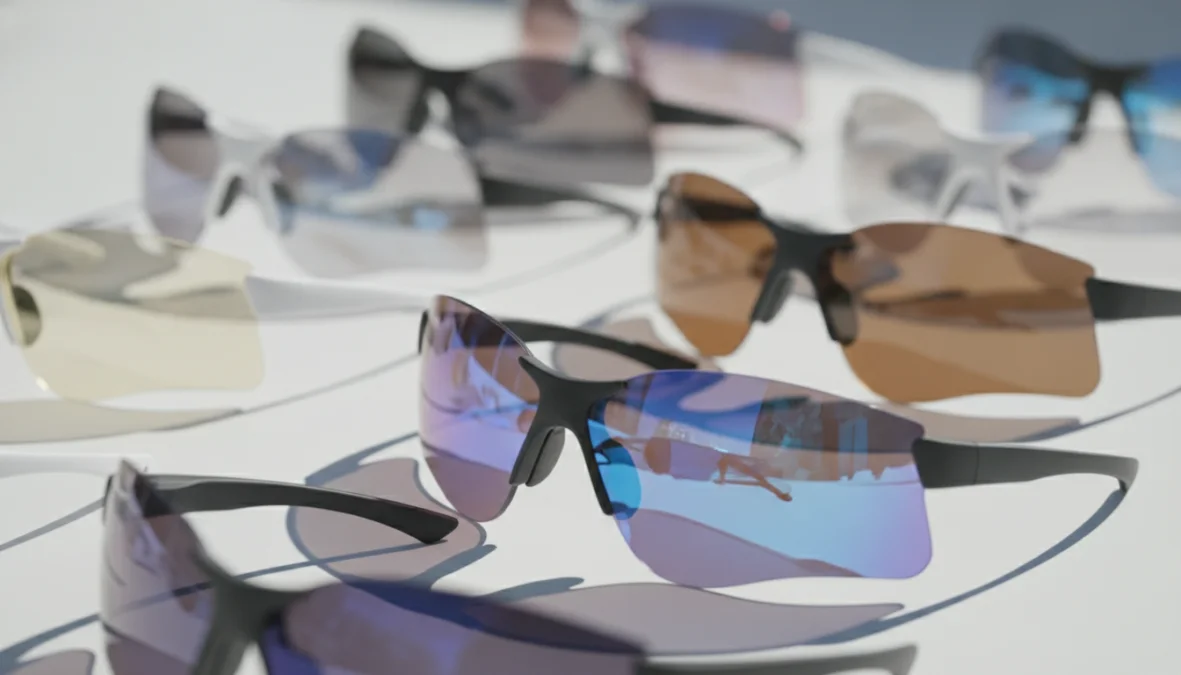
Ever squinted through the wrong lens tint on a bright sunny climb, or struggled to see trail obstacles in dim forest light? Choosing the right cycling lens colors isn’t just about looking cool—it’s about seeing clearly, riding safely, and performing at your best. With so many cycling sunglasses lens tints available, from amber to gray, photochromic to polarized, it’s easy to feel overwhelmed. But once you understand how different bike lens colors actually work and which conditions they’re designed for, picking the perfect tint becomes surprisingly straightforward.
Understanding Cycling Lens Colors: How Different Tints Work
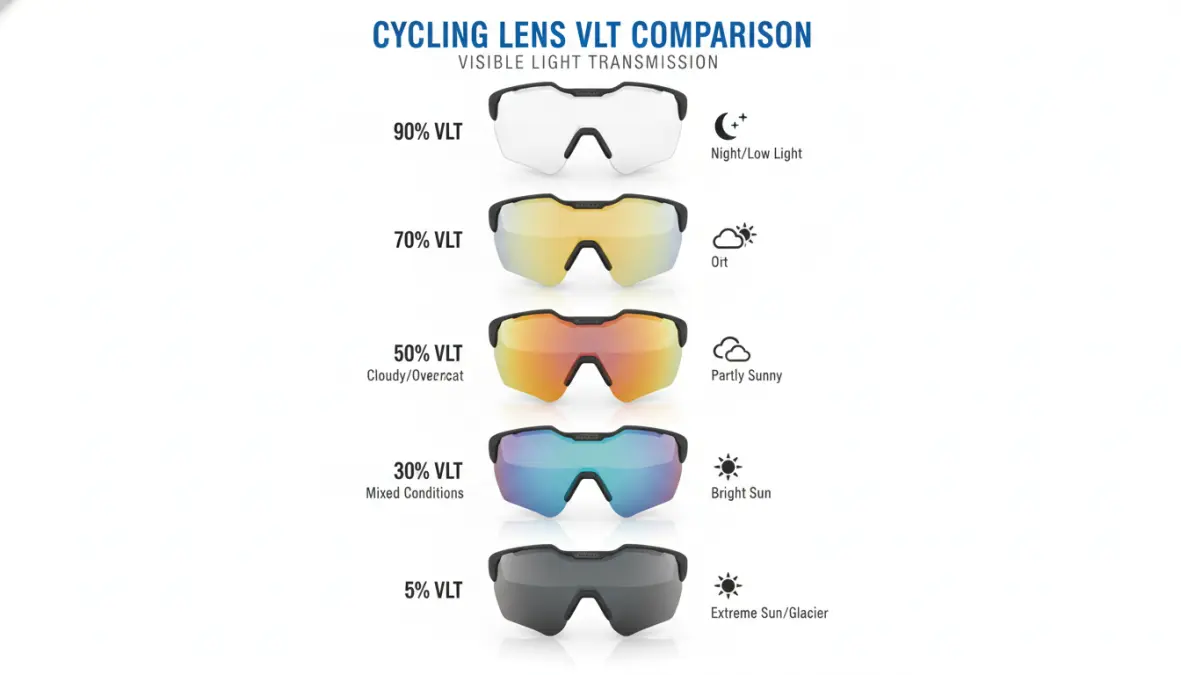
The science behind cycling lens colors is all about selective light filtering. Different tints block specific wavelengths of light while allowing others through, which affects how you perceive contrast, depth, and color on the road or trail. The key metric to understand is VLT percentage—Visible Light Transmission—which tells you exactly how much light passes through the lens.
A lens with 10% VLT blocks 90% of visible light, perfect for bright conditions, while an 80% VLT lens only blocks 20%, ideal for low light. But light transmission is just part of the story. Each cycling sunglasses lens tint also enhances certain colors while muting others, which is where contrast enhancement comes into play. Yellow lenses, for example, boost blue wavelengths to make road surfaces and obstacles pop in flat light, while gray lenses provide true color perception without distortion.
Here’s a quick reference for the main bike lens colors and their VLT ranges:
- Clear/Transparent: 80-100% VLT (night, very low light)
- Yellow/Amber: 65-85% VLT (dawn, dusk, overcast)
- Rose/Red: 40-75% VLT (variable, partly cloudy)
- Brown/Copper: 20-40% VLT (mixed conditions)
- Gray/Smoke: 10-20% VLT (full sun, bright days)
Understanding these basics helps you match the right tint to your riding conditions, which is exactly what we’ll explore next.
Best Cycling Lens Color for Different Weather and Light Conditions
Choosing the best cycling lens color starts with honestly assessing where and when you ride most often. This cycling eyewear tint guide breaks down the primary cycling glasses lens options by weather and lighting scenarios.
Clear or lightly tinted lenses (80-100% VLT) are your go-to for night rides, pre-dawn starts, or heavily overcast days. When considering clear vs tinted cycling lenses when to use, the rule is simple: if you wouldn’t wear sunglasses while walking around, reach for clear lenses. They provide wind and debris protection without reducing the already limited light.
Yellow or amber lenses (65-85% VLT) are absolute game-changers for cycling lens tint for low light conditions. The yellow low light advantage comes from boosting contrast and depth perception when natural light is flat—think early morning rides, sunset spins, or heavily shaded forest trails during mountain biking. These amber rose lenses make road imperfections, gravel, and trail obstacles significantly easier to spot. For the question of what color cycling lens for cloudy days, yellow-amber is often the answer, especially on completely overcast mornings.
Rose or red lenses (40-75% VLT) occupy the versatile middle ground. They excel in partly cloudy or variable conditions where light levels fluctuate throughout your ride. Rose tints enhance contrast against green and blue backgrounds (perfect for road cycling against grass and sky), making them excellent all-around performers. They’re particularly popular for spring training when weather is unpredictable—just as variable as the conditions you’ll experience when you build your base fitness during spring cycling training.
Brown or copper lenses (20-40% VLT) provide the best cycling sunglasses lens color for road cycling in mixed sun-and-cloud conditions. They enhance reds and greens while providing enough light reduction for comfort in moderately bright situations. The cycling lens tint for mountain biking in variable forest canopy is often brown, as it helps distinguish trail features while adapting to sudden light changes.
Gray or smoke lenses (10-20% VLT) deliver the definitive answer to best lens color for cycling in bright sun. This gray neutral tint reduces overall brightness without distorting colors, giving you true color perception while protecting your eyes. Gray is essential for summer road rides, beach cycling, or high-altitude climbing where UV exposure and glare are intense. If you’re planning to tackle cycling in extreme heat, dark gray lenses become non-negotiable for eye comfort and safety.
Specialized Lens Technologies: Photochromic and Polarized Options
Photochromic cycling lenses automatically adjust their tint based on UV exposure, typically transitioning from about 75% VLT indoors to 15-20% VLT in bright sunlight. They’re brilliant for rides with highly variable conditions—like starting before dawn and finishing in full sun, or tackling mountain descents that alternate between shaded forest and exposed ridges. The main limitation? They need UV light to activate, so they won’t darken much on overcast days or inside cars, and temperature affects transition speed (they darken slower in cold weather).
Polarized cycling lenses reduce glare by blocking horizontally reflected light from surfaces like water, cars, and wet pavement. While fantastic for reducing eye strain in bright conditions, they can actually be problematic for road cycling because they make it harder to see important surface details like ice patches, oil slicks, or wet road texture. Mountain bikers often appreciate polarization for cutting glare off water crossings and rocks, but road cyclists frequently prefer non-polarized options for better surface reading—similar to how you need clear visual feedback when optimizing your pedaling cadence.
How to Choose Your Cycling Lens Colors: Practical Recommendations
Now that you understand the theory behind cycling lens colors, let’s talk practical strategy. The best cycling lens color approach depends on your riding style, typical conditions, and budget for cycling glasses lens options.
For road cyclists who ride primarily in daylight, a two-lens strategy works brilliantly: invest in a quality frame with interchangeable lenses, then get a dark gray lens (10-20% VLT) for bright days and a rose or amber lens (40-75% VLT) for everything else. This covers 90% of situations. If you frequently ride at dawn or dusk, add a clear lens to your kit.
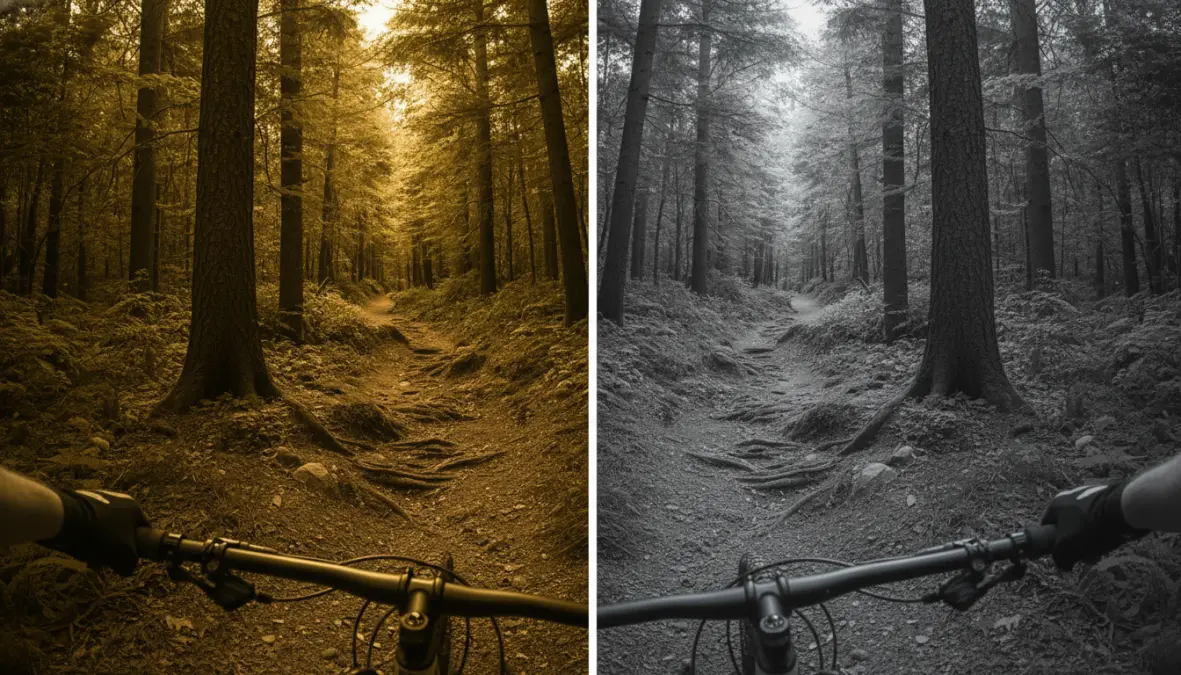
Mountain bikers face more varied light conditions due to tree canopy, so the cycling lens tint for mountain biking often favors yellow-amber or brown tints that boost contrast in dappled light. A photochromic lens in the 20-75% VLT range can be a single-lens solution for trail riders who don’t want to swap lenses mid-ride.
Commuters and all-weather riders benefit most from photochromic technology. A single photochromic lens eliminates the need to remember which lens to grab before your morning commute or evening ride home, adapting as conditions change throughout the day—much like how you’d adapt your gear when transitioning from indoor to outdoor cycling.
Gravel and bikepacking enthusiasts who tackle multi-day adventures need versatility without complexity. Consider a photochromic lens as your primary option with a clear backup for night riding. When you’re planning bikepacking essentials, lightweight interchangeable lens systems are worth their minimal weight penalty.
As for mirror coating, it’s primarily cosmetic but does provide an extra layer of glare reduction and can help reduce eye fatigue in extremely bright conditions. It’s a nice-to-have rather than essential.
Minimum recommended kit: If you’re starting from scratch, get a frame with interchangeable lenses and begin with two tints—a gray for bright conditions (10-20% VLT) and an amber or rose for everything else (40-75% VLT). This combination handles the vast majority of riding scenarios and gives you the flexibility to adapt as conditions change.
Ultimately, the right cycling lens colors transform your riding experience by matching your eyes’ needs to the environment. Whether you’re chasing speed on the road, exploring gravel routes, or tackling technical singletrack, clear vision isn’t just comfort—it’s performance, safety, and confidence. Take the time to match your lenses to your conditions, and you’ll wonder how you ever rode without the right tint.