Best Running Headphones: Wireless, Waterproof and Secure Fit Options for Every Athlete
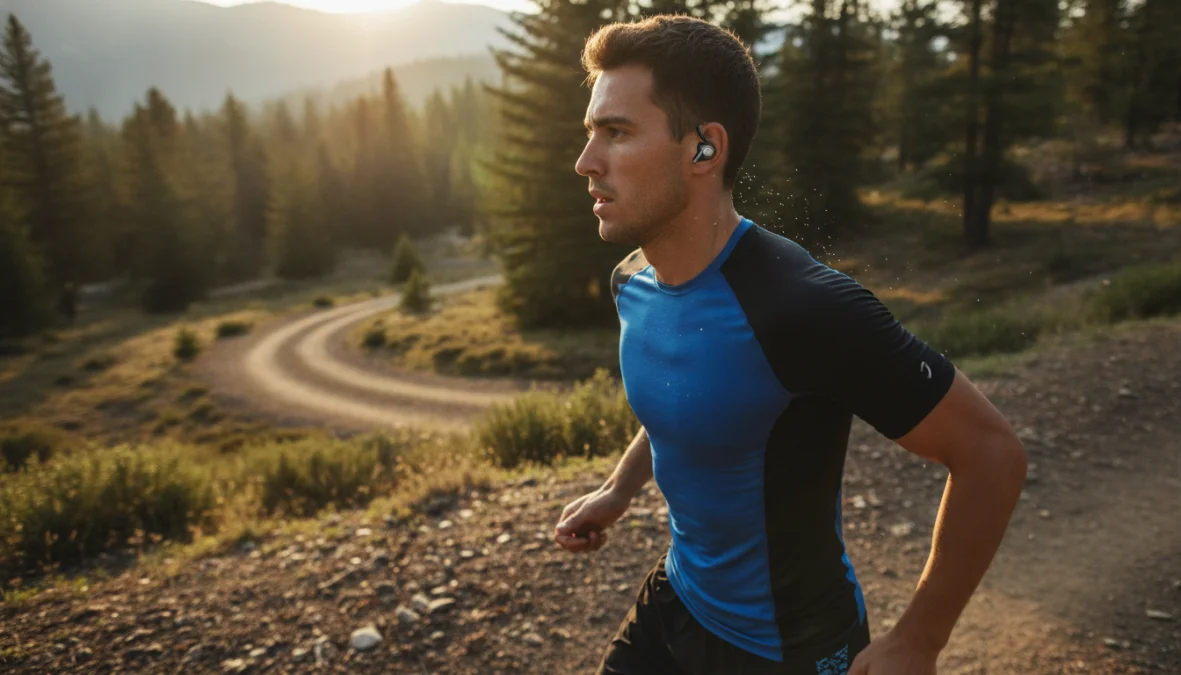
Picture this: you’re three miles into your morning run, your playlist is pumping, and suddenly—silence. Your earbuds have slipped out again, or worse, died mid-stride. If you’ve ever struggled with regular headphones during workouts, you know the frustration. The truth is, best running headphones aren’t just regular earbuds with a fancy label—they’re purpose-built tools designed to keep up with every step, sprint, and mile you tackle.
Whether you’re training for a marathon, hitting the trails, or squeezing in quick gym sessions, the right pair of wireless running headphones can transform your workout experience. From secure fit technologies to waterproof protection that laughs at sweat and rain, let’s dive into what makes these sport headphones wireless champions actually worth the investment.
What Makes Running Headphones Different from Regular Earbuds
Let’s cut to the chase: your standard consumer earbuds weren’t designed for the punishment of athletic training. Best running headphones tackle challenges that your desk-bound earbuds never face, starting with the most obvious issue—staying put. When you’re pounding pavement or navigating technical trails, every footstrike creates impact forces that want to shake loose anything not properly secured to your ears.
The stability equation for sport headphones wireless models goes beyond just friction. Quality running earbuds incorporate specialized wing tips, ear hooks, or custom ergonomic designs that lock into the unique contours of your ear. Some even use flexible loops that anchor around your entire ear, creating a secure fit headphones that won’t budge during burpees or box jumps.
Then there’s the sweat factor. Your body can produce up to a liter of sweat per hour during intense exercise, and standard electronics don’t play nice with moisture. Best workout headphones feature sealed components with IPX ratings specifically engineered to handle constant exposure to perspiration and even full water immersion. This isn’t just about surviving a light drizzle—we’re talking about gear that withstands the humid conditions of a summer marathon or the torrential downpour on an unexpected outdoor run.
Sound quality during movement presents another unique challenge. Regular earbuds often produce rattling or inconsistent audio when you’re in motion, while running-specific models use advanced drivers positioned to maintain consistent contact and deliver stable audio even as you bounce along. Battery life matters differently too—while desk workers can easily recharge throughout the day, runners need wireless running headphones that last through ultra-marathons or multi-hour training sessions without dying mid-workout. Many dedicated running models pack 8-10 hours of continuous playback, with charging cases extending that to 30+ hours total.
Key Features to Look for When Choosing Running Headphones
Shopping for wireless running headphones can feel overwhelming with dozens of models claiming to be the perfect fit. Let’s break down the technical features that actually matter when you’re logging miles.
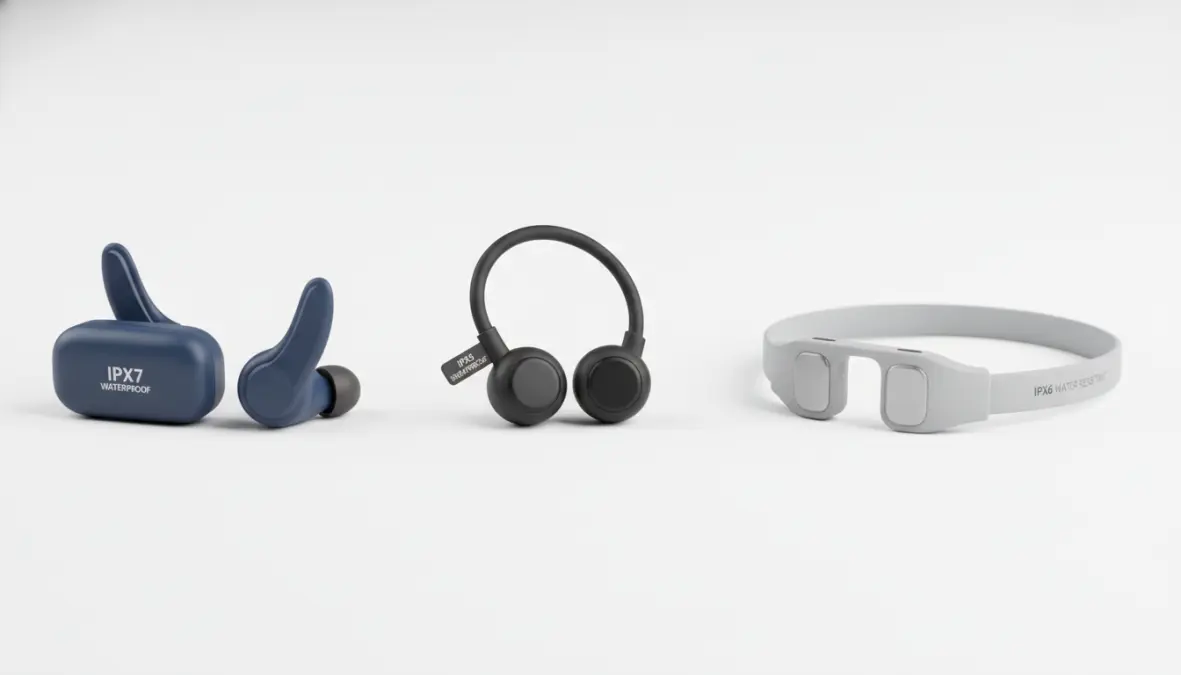
First up: fit design types. In-ear models with silicone tips offer excellent noise isolation and are compact enough to disappear under a hat or headband. Secure fit headphones with ear hooks wrap around your outer ear, distributing weight and creating that bomber security for high-intensity intervals. Then there’s bone conduction technology, which sits outside your ear canal entirely, transmitting sound through your cheekbones while leaving your ears completely open to ambient sound mode—ideal for road runners who need traffic awareness.
Wireless technology has evolved dramatically. Look for running earbuds bluetooth with at least Bluetooth 5.0 or newer, which provides more stable connections, better range, and lower latency. Nobody wants audio lag when trying to match their cadence to the beat. Battery capacity should match your longest typical workout plus buffer—if you’re training for endurance events, don’t settle for less than 6-8 hours of playback.
Controls matter more than you’d think. Physical buttons beat touch controls when your hands are sweaty or gloved, and voice assistant integration can be clutch for changing tracks without breaking stride. If you’re someone who tracks workouts with fitness trackers or other devices, check out our guide to fitness trackers for multi-sport athletes to ensure your entire tech ecosystem works together seamlessly.
Sound quality for running differs from critical listening at home. You want balanced audio with punchy bass to keep motivation high, but excessive noise isolation can be dangerous outdoors. Many best running headphones now include ambient sound mode or transparency features that pipe in environmental noise so you can hear approaching vehicles, cyclists, or trail hazards while still enjoying your music.
Understanding IP Ratings for Waterproof and Sweatproof Protection
Those IPX numbers aren’t just marketing jargon—they’re standardized protection ratings that tell you exactly what your waterproof headphones for running can handle. IPX4 means protection against water splashes from any direction (fine for gym workouts and light rain). IPX5 handles water jets, making them suitable for heavy sweat and rain. IPX7 rating means full submersion up to 1 meter for 30 minutes—these are your best wireless headphones for running in rain or even waterproof bluetooth headphones for marathon events where weather is unpredictable.
For most runners, IPX7 offers peace of mind without overpaying for IPX8 (extended submersion) unless you’re literally swimming in your earbuds. The key difference: water-resistant means they’ll survive moisture exposure, while waterproof means they’re designed to be fully submerged. Sweat proof earbuds should be minimum IPX4, but serious athletes benefit from IPX7 protection.
Secure Fit Technologies: What Actually Works While Running
The fit system makes or breaks the running experience. Ear fins or wings are small silicone flanges that wedge into your ear’s concha—these work brilliantly for most people and are the secret behind sweat resistant earbuds that don’t fall out. Over-ear hooks (think wireless running headphones with ear hooks) wrap around your entire ear and distribute weight, ideal for people with smaller ear canals or those doing explosive movements like CrossFit.
Custom foam tips conform to your unique ear shape and create amazing noise isolation, though they need regular replacement. Some brands offer multiple tip sizes and wing combinations—experiment to find your perfect match. The most secure fit running headphones often use a combination approach: in-ear tips for sound quality plus wings or hooks for security. Testing during actual workouts, not just standing in a store, reveals what truly works for your ear anatomy and running gait.
Top Running Headphones Recommendations by Use Case
Now for the good stuff—actual recommendations categorized by how you actually train. Remember, the best running headphones for a casual jogger differ wildly from what an ultramarathoner needs.

Best Overall: For most runners seeking the sweet spot of performance and value, look at models like the Jaybird Vista 2 or Beats Fit Pro. Both offer IPX7 waterproofing, secure wing-tip designs, and 6+ hours of battery life with excellent sound quality. They’re versatile enough for both outdoor runs and gym workouts, making them truly best workout headphones for cross-training athletes.
Best Budget-Friendly: Don’t sleep on options like the Anker Soundcore Sport X10 or JLab Epic Air Sport ANC. These best budget running headphones waterproof deliver IPX7 protection and ear hooks at under $80, proving you don’t need to spend $200 for solid performance. They sacrifice some audio refinement and premium materials, but they’ll survive your training cycle without breaking the bank.
Best for Marathons: When you need marathon-distance stamina, the Jabra Elite 7 Active and Sony WF-SP800N shine with 8-10 hours of playback on a single charge. Their extended battery life means you won’t fade before your playlist does. Both include ambient sound modes crucial for road safety during long runs, plus they’re waterproof bluetooth headphones for marathon events where weather can turn ugly fast.
Best for Trail Running: Trail runners need maximum security and situational awareness. Bone conduction models like Shokz OpenRun Pro keep your ears completely open to hear trail hazards, wildlife, or approaching mountain bikers while delivering surprisingly solid audio through your cheekbones. The over-ear hook design means they’re practically impossible to shake loose on technical terrain. Similar to how choosing between a gravel bike versus road bike depends on your terrain, headphone choice should match your running environment.
Best for Gym and Mixed Workouts: If your training includes running, lifting, and high-intensity interval work, versatility rules. The Powerbeats Pro or Samsung Galaxy Buds2 Pro offer the security of ear hooks with noise cancellation you can toggle on in the gym and off during outdoor runs. Their ergonomic design handles sweat from any workout type, and controls are easy to operate mid-burpee. Just like maintaining consistent performance requires attention to recovery (check our sleep optimization guide for athletes), your headphones should support all aspects of your training.
When shopping, read real user reviews focusing on your specific use case—what works for someone doing treadmill 5Ks might fail spectacularly on a muddy trail run. Many retailers offer generous return policies, so don’t hesitate to test multiple models during actual workouts before committing.
Finding your perfect pair of best running headphones transforms every workout from a tech frustration into pure focus on performance. Whether you prioritize bulletproof waterproofing, all-day battery life, or that secure fit that never budges, there’s a model engineered specifically for how you train. Invest in the right pair, and you’ll wonder how you ever ran without them—because the best miles are the ones where your gear just works, letting you focus entirely on crushing your goals.