Cycling Overshoes Guide: How to Keep Your Feet Warm and Dry on Every Ride
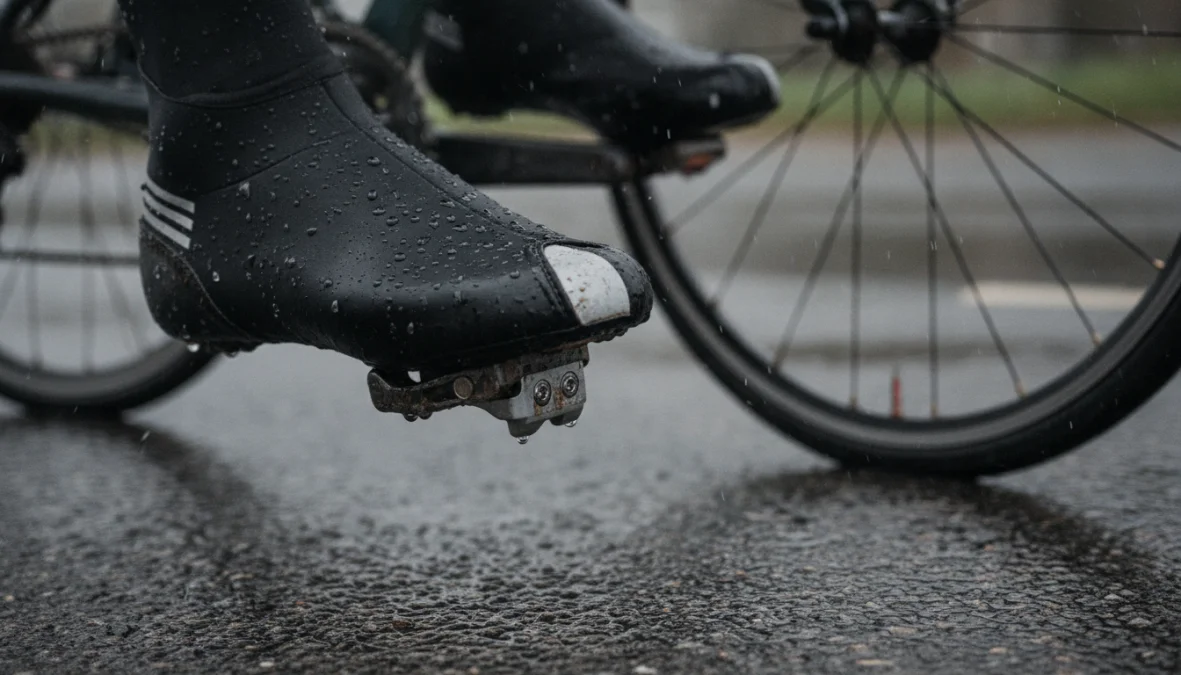
There’s nothing worse than cutting a ride short because your toes have gone numb or your feet are soaked through. Whether you’re commuting through winter drizzle, tackling early morning training rides, or pushing through unpredictable spring weather, keeping your feet warm and dry can make or break your cycling experience. That’s where this cycling overshoes guide comes in—to help you understand how these simple accessories can transform uncomfortable rides into enjoyable adventures, no matter what the weather throws at you.
What Are Cycling Overshoes and Why You Need Them
Cycling overshoes, also known as cycling shoe covers, are protective garments designed to fit over your cycling shoes. Think of them as raincoats for your feet—they create a barrier between your shoes and the elements, providing crucial weather protection when conditions get tough.
The benefits go beyond just staying dry. Quality overshoes offer windproof protection that prevents cold air from penetrating through shoe vents and mesh panels. They provide essential thermal insulation that traps heat around your feet, maintaining circulation and comfort even when temperatures drop. This directly impacts your performance—cold, wet feet lead to reduced power output, poor pedaling technique, and potentially dangerous conditions like numbness that affects bike control.
Unlike winter cycling socks, which provide insulation from inside the shoe, overshoes work from the outside, creating an additional protective layer. This means you can continue using your regular cycling shoes year-round without investing in expensive winter-specific footwear. Overshoes become essential when temperatures drop below 10°C (50°F), during any rain or wet road conditions, or when facing strong winds that create significant wind chill.
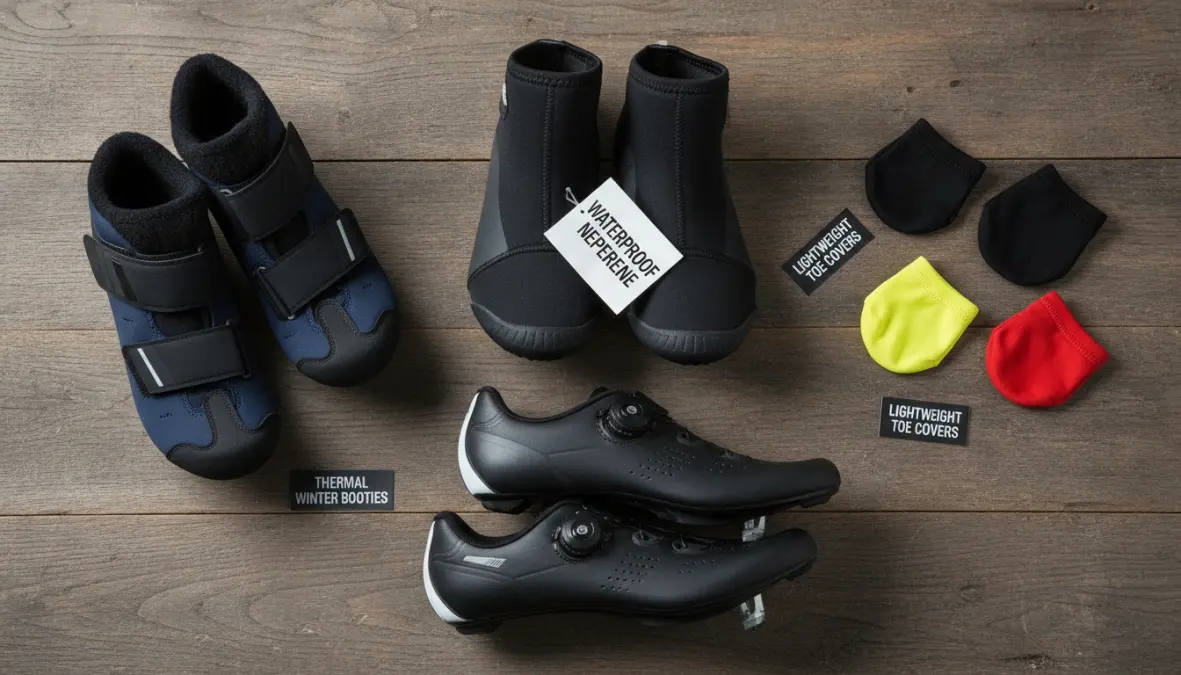
The market offers everything from lightweight toe covers that protect just the front of your foot to full-coverage booties designed for extreme winter conditions. This versatility makes them invaluable for cyclists who refuse to let weather dictate their riding schedule.
Types of Cycling Overshoes: Finding Your Perfect Match
Understanding the different types of overshoes available helps you choose the right protection for your specific riding conditions. Not all overshoes are created equal, and selecting the wrong type can leave you either overheating or underprotected.
Waterproof vs. Water-Resistant Overshoes
The distinction between waterproof cycling overshoes and water-resistant versions is critical. Waterproof overshoes typically feature sealed seams and materials like neoprene, Gore-Tex membranes, or heavy-duty PU (polyurethane) coatings that completely block water penetration. These are your go-to choice for sustained rain, puddle-splashing commutes, or multi-hour rides in wet conditions.
Neoprene cycling overshoes are particularly popular because neoprene—the same material used in wetsuits—provides excellent water resistance while offering natural insulation. They’re stretchy, durable, and maintain their protective qualities even after repeated use. However, they can feel warmer, making them less suitable for mild, rainy days where overheating becomes a concern.
Water-resistant overshoes, on the other hand, use lighter materials with water-repellent coatings. They’ll keep your feet dry during light drizzle or road spray but will eventually saturate during heavy rain. The advantage? Better breathability and less bulk, making them ideal for changeable weather or tempo rides where you’re generating significant heat.
Thermal and Winter Overshoes
Winter cycling overshoes and thermal cycling overshoes prioritize insulation over waterproofing, though many combine both features. These typically use thicker materials—often 3-5mm neoprene or fleece-lined fabrics—that trap warm air around your feet.
For serious cold-weather riding (below 5°C/41°F), thermal overshoes become essential. They’re designed to work in combination with winter cycling socks, creating a layering system that maintains foot warmth even during low-intensity rides where you’re not generating much body heat. Many feature windproof outer shells that prevent convective heat loss while riding at speed.
The trade-off with heavy insulation is reduced breathability. During intense efforts or milder winter days, your feet might sweat, leading to moisture buildup inside. This is where choosing the right thickness for your typical riding conditions matters—not everyone needs expedition-grade overshoes for their local winter rides.
How to Choose the Best Cycling Overshoes for Your Needs
Selecting the best cycling overshoes involves more than just grabbing the most expensive pair. Here’s what actually matters when you’re making your decision.
Fit and sizing are paramount. Overshoes should fit snugly without restricting circulation or making it difficult to walk. Common sizing issues include toe boxes that are too tight, causing cramping, or ankle openings that gap and let water in. Most manufacturers size by shoe size, but always check reviews—some brands run notoriously small or large. If you’re between sizes, consider whether you’ll be wearing them with thick winter socks.
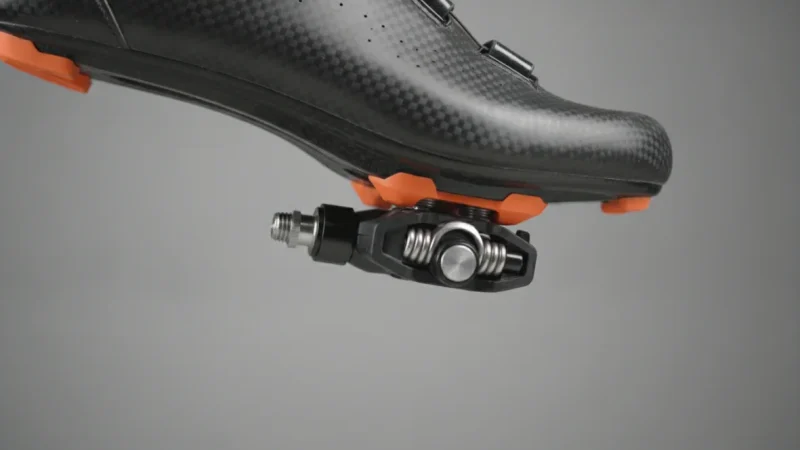
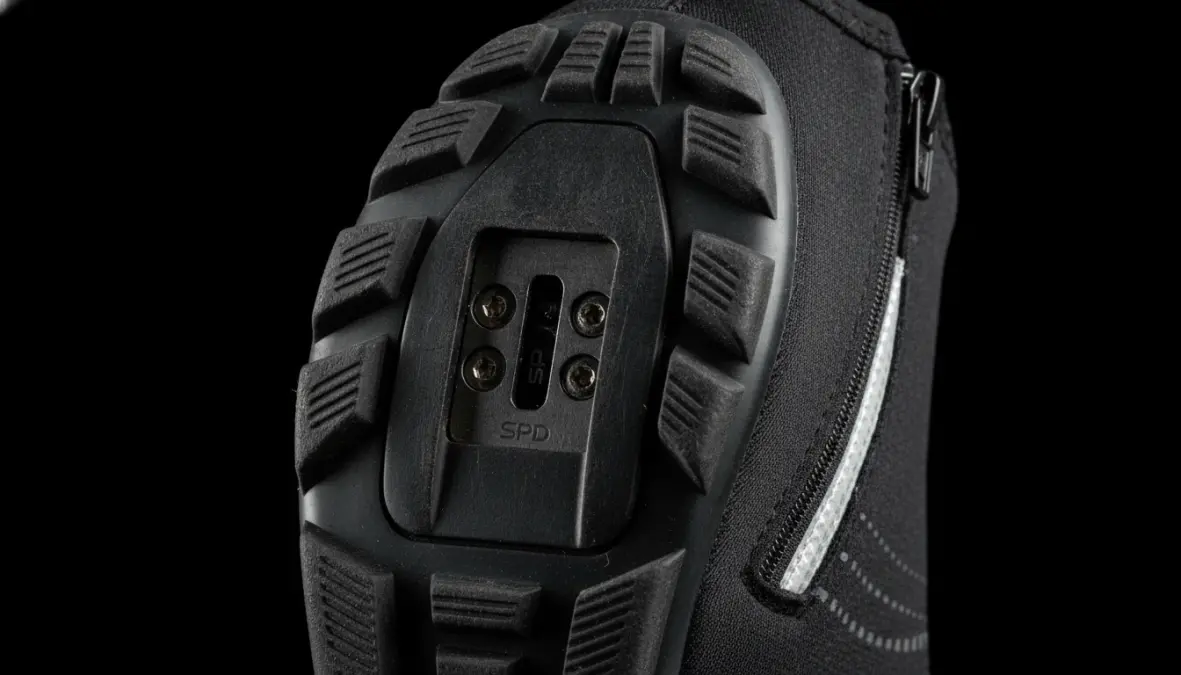
Cleat compatibility is non-negotiable. Look for reinforced cleat openings that accommodate your pedal system (SPD, SPD-SL, Look, Speedplay, etc.) without excessive wear. Quality overshoes feature replaceable sole panels or durable rubber that won’t shred after a few walks from the car to the trailhead. The cleat opening should be precisely cut—too large and water pours in; too small and you’ll struggle to clip in.
Consider ease of use. Rear zippers are easiest to operate but can be vulnerable points for water entry. Velcro closures are simple but lose effectiveness over time. Some designs pull on entirely, which maximizes waterproofing but makes roadside removal nearly impossible with cold, wet hands. Think about how you’ll actually use them—commuters need quick on/off, while endurance riders prioritize security once they’re on.
Visibility matters more than you might think. Reflective elements on overshoes put bright markers exactly where drivers’ headlights hit—low and moving. This significantly improves conspicuity during winter’s shortened daylight hours.
Budget considerations are real. Premium brands offer better materials and longer durability, but mid-range options from reliable manufacturers (Shimano, Castelli, GripGrab, Velotoze) deliver excellent performance for most riders. If you’re just starting with rain cycling gear, you don’t need to invest in top-tier models—learn what features matter most to you before upgrading.
Your riding style matters too. Racers need aerodynamic, close-fitting designs. Commuters benefit from durable soles that handle walking and climbing stairs. If you’re training seriously year-round, you might want to check out our spring training guide to understand how weather gear fits into your annual training plan. For those venturing on multi-day trips, our bike packing essentials guide covers how overshoes integrate with touring setups.
FAQ: Common Questions About Cycling Overshoes
Do cycling overshoes keep feet warm? Yes, especially thermal and winter models. They work by trapping warm air and blocking wind, though they’re most effective when combined with appropriate socks. In extreme cold (below 0°C/32°F), even the best overshoes may need supplementing with chemical toe warmers.
How do you wash cycling overshoes? Most can be hand-washed in cool water with mild detergent. Avoid machine washing neoprene overshoes as it can delaminate materials. Never use fabric softener, which degrades water-repellent coatings. Air dry only—heat damages waterproof membranes and causes shrinkage.
How long do overshoes last? With proper care, expect 2-3 seasons of regular use. The sole around the cleat opening typically wears first. Some brands offer replacement soles, extending lifespan significantly. Waterproof coatings gradually degrade but can be refreshed with aftermarket treatments.
What size cycling overshoes should I choose? Match your cycling shoe size, but check brand-specific sizing charts. If you’ll wear them exclusively with thick winter socks, consider sizing up. When in doubt, slightly loose is better than restrictive—you can always add thicker socks but can’t expand overshoes that cut off circulation.
Can you use overshoes with any cycling shoe? Generally yes, but bulky mountain bike shoes may require larger sizes. Road shoes with unusual sole shapes (like some tri-specific models) can be problematic. Always verify cleat compatibility—three-bolt and two-bolt systems have different opening requirements.
The difference between suffering through cold, wet rides and actually enjoying winter cycling often comes down to dialed-in gear choices. Overshoes represent one of the best value investments you can make in year-round cycling comfort. Whether you’re transitioning back to outdoor cycling after winter or gearing up for serious cold-weather training, the right overshoes keep you focused on performance instead of numb toes. Start with conditions you ride most often, invest in quality where it matters, and remember—there’s no such thing as bad weather, only inadequate gear.