Plant-Based Protein Sources for Athletes: Complete Nutrition Guide
Gone are the days when athletes needed a steak after every workout to build muscle. Whether you’re a weekend warrior or training for your next marathon, plant based protein athletes are proving that you can fuel peak performance without animal products. The shift isn’t just about ethics or environment—it’s about unlocking recovery benefits, reducing inflammation, and optimizing your body’s potential through strategic nutrition. Let’s dive into how plant-based proteins can transform your athletic game.
Why Plant-Based Protein Works for Athletic Performance
The science behind plant based protein athletes is more compelling than ever. Research shows that vegan protein for athletes can support muscle growth, endurance, and recovery just as effectively as animal-based sources when consumed strategically. What sets plant proteins apart? They come packaged with fiber, antioxidants, and phytonutrients that actively combat exercise-induced inflammation and oxidative stress.
Studies have demonstrated that athletic performance plant based diets can improve cardiovascular health by reducing cholesterol and blood pressure—critical factors for endurance athletes. Plant proteins are typically easier to digest and don’t create the acidic load that animal proteins do, potentially supporting better nitrogen balance and faster recovery times. Elite athletes like ultra-runner Scott Jurek and tennis champion Venus Williams have shown that plant-based nutrition doesn’t just work—it can give you a competitive edge.
The myth that plant proteins are inherently inferior stems from outdated nutritional science. Modern research confirms that with proper variety and adequate caloric intake, plant-based athletes can easily meet all their amino acid requirements while enjoying reduced inflammation and improved gut health—factors that directly impact training capacity and competition readiness.
Best Plant-Based Protein Sources for Muscle Building
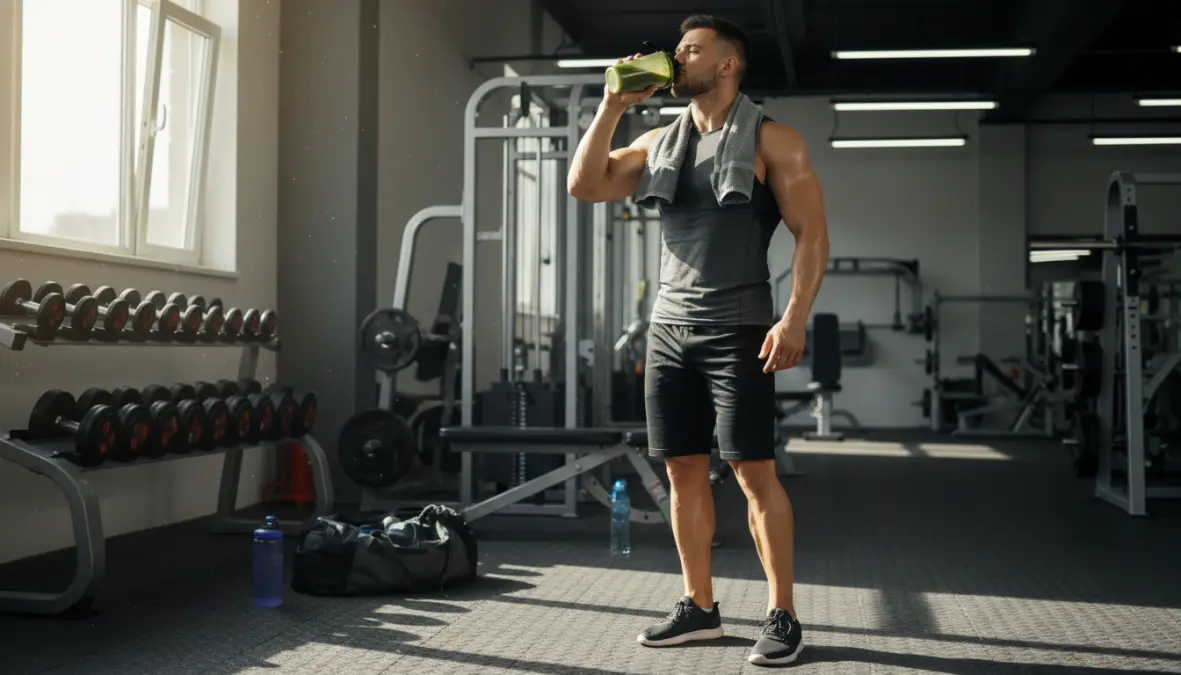
When it comes to best plant based protein options, not all sources are created equal. Understanding the difference between complete and complementary plant protein sources helps you strategically fuel muscle building plant based goals.
Complete plant proteins contain all nine essential amino acids in sufficient quantities. Quinoa delivers about 14g of protein per 100g cooked, with an impressive amino acid profile that rivals many animal sources. Soy products like tempeh (19g/100g) and edamame (11g/100g) are powerhouses for athletes, offering high leucine content crucial for muscle protein synthesis. Hemp seeds pack 32g of protein per 100g with excellent protein bioavailability, plus omega-3 fatty acids that support recovery nutrition. Buckwheat, despite its name, is grain-free and delivers 13g per 100g with all essential amino acids.
Complementary proteins work together to provide complete nutrition. Legumes and quinoa combinations are classic, but you don’t need to combine them in the same meal. Your body maintains an amino acid pool throughout the day, so eating lentils (18g/100g cooked) at lunch and brown rice (5g/100g) at dinner works perfectly. Chickpeas (19g/100g), black beans (21g/100g), and peanuts (26g/100g) are versatile staples. Chia seeds (17g/100g) and pumpkin seeds (30g/100g) make excellent snack additions that boost your daily protein intake while providing minerals like iron and zinc.
Complete vs Incomplete Proteins: What Athletes Need to Know
The distinction between complete and incomplete proteins matters less than you think. Yes, complete proteins contain all nine essential amino acids—histidine, isoleucine, leucine, lysine, methionine, phenylalanine, threonine, tryptophan, and valine—in adequate amounts. But here’s the game-changer: you don’t need to achieve this in every meal or even through combining plant proteins for complete amino acids at the same sitting.
Your body is smarter than old nutrition textbooks suggested. It pools amino acids from various foods throughout the day, creating complete vs incomplete plant based proteins synergy automatically. As long as you eat a varied diet with different plant protein sources over 24 hours, you’ll hit all your amino acid targets. This means stress-free meal planning—no need to obsessively pair beans with rice or calculate complementary proteins at every meal.
For athletes wondering how much plant protein do athletes need daily, focus on total intake rather than perfection at each meal. The variety naturally handles amino acid completeness, making plant-based eating surprisingly simple once you understand the basics.
Plant-Based Protein Powder Options for Athletes
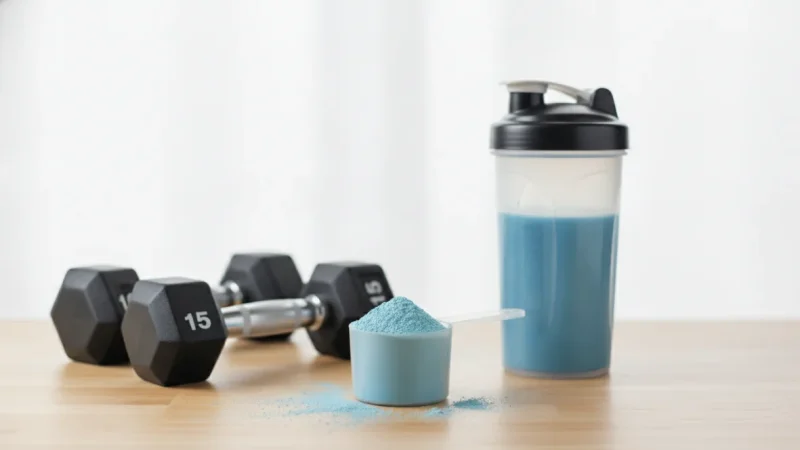
When whole foods aren’t convenient, protein powder vegan athletes can strategically fill gaps. Pea protein isolate offers 20-25g per scoop with high leucine content, making it excellent for post-workout muscle protein synthesis. Rice protein, while lower in lysine, works well when blended with pea protein for improved amino acid profile and protein bioavailability.
Hemp protein powder provides around 15g per scoop plus fiber and healthy fats—ideal for plant based protein supplements for endurance athletes who need sustained energy. Multi-source blends combining pea, rice, hemp, and quinoa typically offer superior nutrition compared to single-source options, mimicking the variety you’d get from whole foods.
For plant based protein timing for athletes, consume 20-30g within two hours post-workout to maximize recovery. Look for products with third-party testing certifications like Informed Sport or NSF Certified for Sport if you compete professionally. Avoid unnecessary additives, artificial sweeteners, and proprietary blends that don’t list specific ingredient amounts.
Creating Your Plant-Based Protein Strategy
Strategic planning separates good vegan protein for athletes nutrition from great results. Athletes typically need 1.6-2.2g of protein per kilogram of body weight daily—higher than sedentary individuals but completely achievable with plants. For a 70kg athlete, that’s 112-154g daily, distributed across 4-5 meals for optimal absorption and muscle protein synthesis.
Front-load your protein intake earlier in the day when possible. Plant based protein timing for athletes research suggests spacing protein evenly throughout the day maintains positive nitrogen balance better than back-loading calories at dinner. Aim for 25-35g per main meal and 10-15g at snacks.
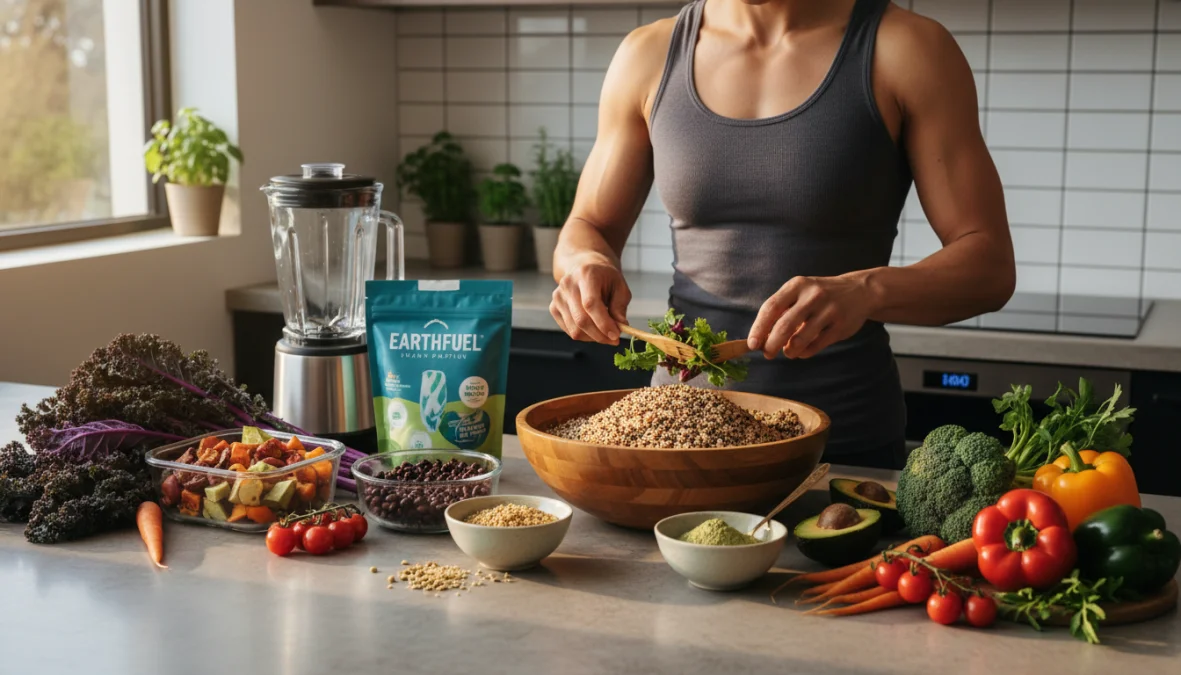
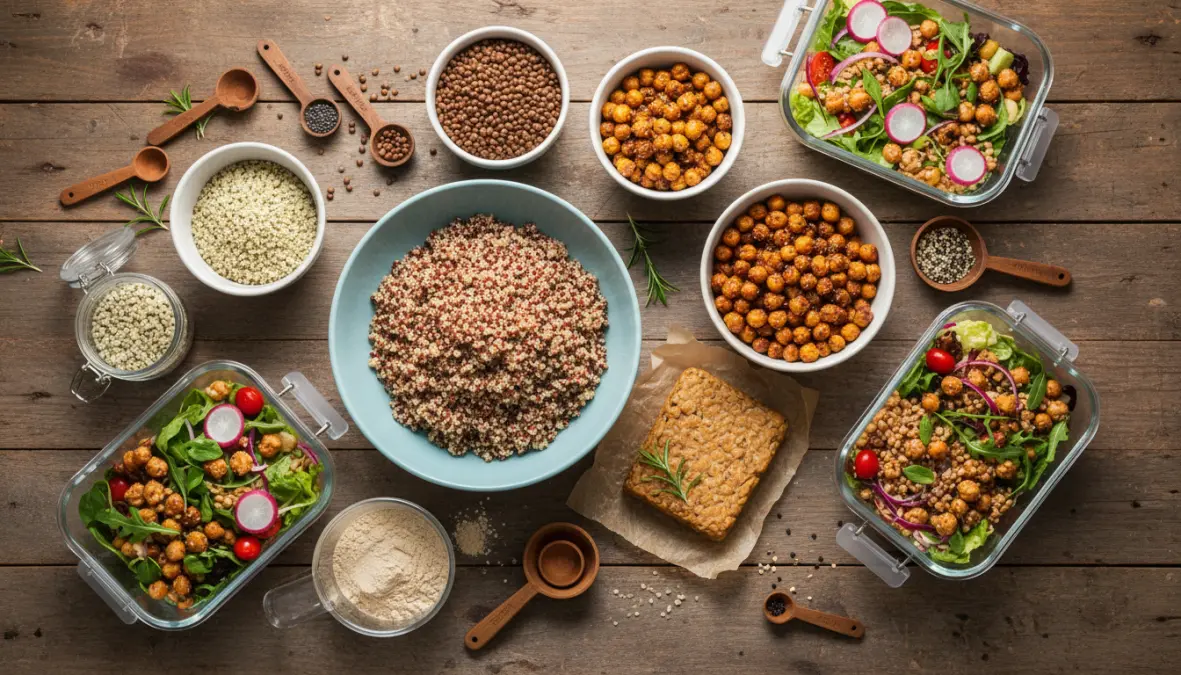
High protein vegan meals for strength training might include: a breakfast smoothie with banana, spinach, pea protein powder, hemp seeds, and almond butter (35g protein); lunch of quinoa Buddha bowl with chickpeas, tahini, and roasted vegetables (30g); afternoon snack of hummus with vegetables and whole grain crackers (12g); dinner of lentil pasta with nutritional yeast and tempeh (40g); evening snack of overnight oats with chia seeds (15g). This sample day delivers approximately 132g of protein with excellent variety and best plant based protein sources for muscle recovery.
Pre-workout, eat easily digestible carbs with moderate protein 1-2 hours before training—perhaps a banana with almond butter or a small smoothie. Post-workout within 30-60 minutes, prioritize quick-absorbing protein with carbs to replenish glycogen: a protein shake with fruit, or whole food options like a tofu scramble wrap.
Don’t forget the supporting cast: supplement with vitamin B12 (essential for all plant-based eaters), consider algae-based omega-3s for inflammation management, and monitor iron levels through regular bloodwork. Track your performance, recovery times, and energy levels—these metrics matter more than abstract nutrition dogma.

Building muscle and achieving athletic excellence on plants isn’t just possible—it’s powerful. By focusing on variety, adequate total intake, and strategic timing rather than obsessing over individual meal perfection, you’ll fuel your body with the best plant based protein while supporting long-term health. The real question isn’t whether plant-based protein works for athletes—it’s why more athletes aren’t leveraging its advantages yet. Start with one meal, experiment with new sources, and watch your body respond. Your next personal record might just be powered by plants.