Best Cycling Gloves: Complete Guide to Padding, Fit and Seasonal Selection
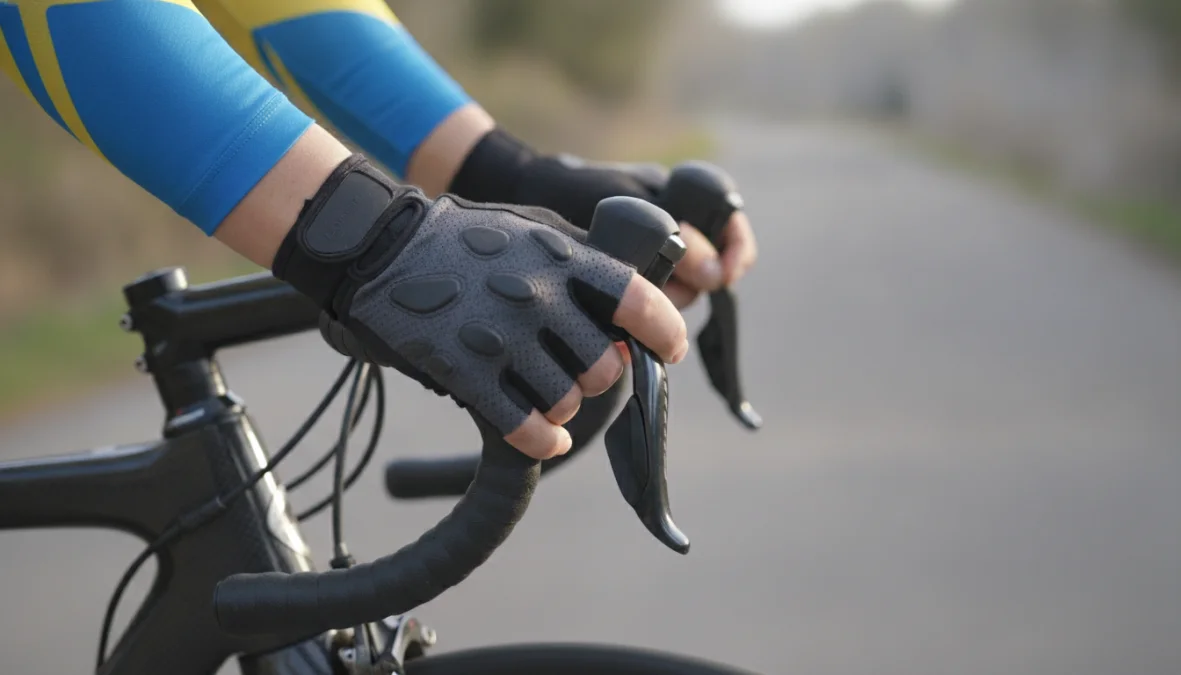
Your hands are your primary contact points with your bike, absorbing road vibrations, controlling your steering, and braking for hours on end. Yet many cyclists overlook one of the simplest ways to improve comfort and performance: finding the best cycling gloves for their riding style. Whether you’re battling hand numbness on century rides or looking for better grip comfort on technical descents, the right gloves make a tangible difference. This guide will walk you through everything you need to know about cycling gloves padded options, seasonal choices, and how to find the perfect fit.
Understanding Cycling Glove Types and Key Features
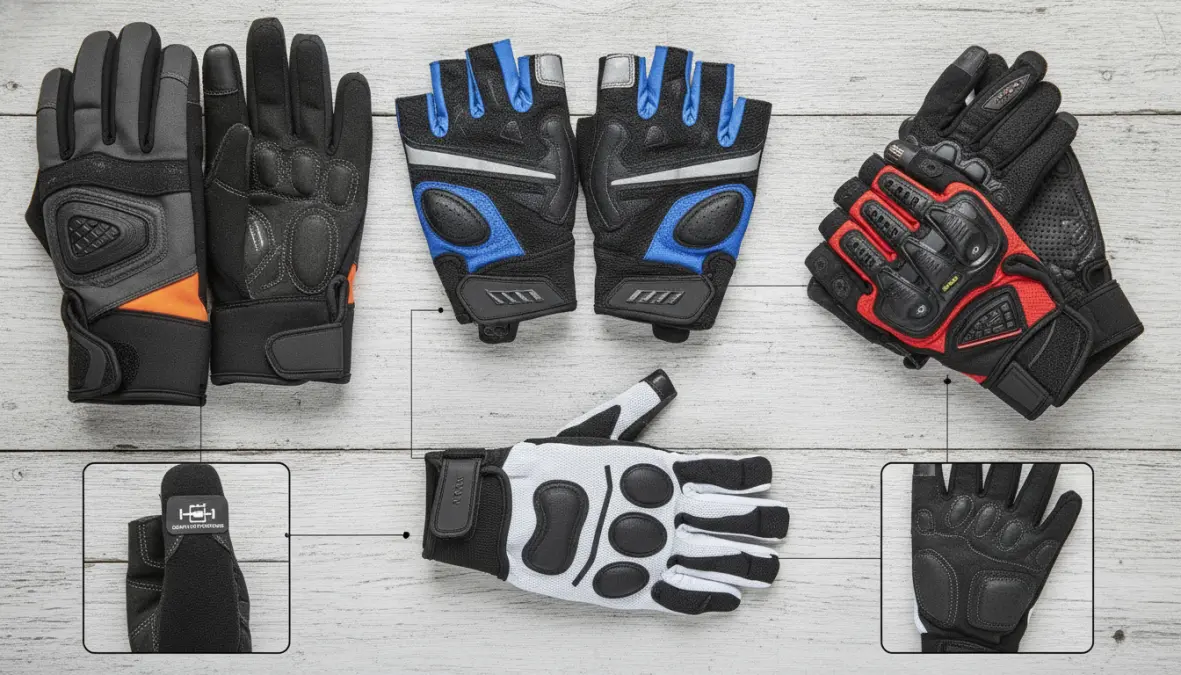
When shopping for the best cycling gloves, you’ll quickly encounter two main categories: fingerless cycling gloves and full finger cycling gloves. Fingerless designs (also called mitts) end at your knuckles, offering maximum ventilation and bar feel—ideal for warm weather and road cycling. Full finger gloves provide complete hand protection, essential for cold conditions, mountain biking where branches and debris are concerns, and any situation requiring extra coverage.
The padding is where gloves truly earn their keep. Gel padded cycling gloves feature strategically placed gel inserts that conform to your hand’s pressure points, absorbing vibrations particularly well on rough surfaces. Foam padding offers a more budget-friendly alternative with decent shock absorption, though it typically compresses faster over time. Some premium cycling gloves padded options combine both materials for optimal comfort.
Common materials include:
- Palms: Synthetic leather, Clarino, or silicone for durability and anti-slip material grip
- Backs: Lycra, mesh, or polyester for flexibility and ventilation
- Padding: Gel, memory foam, or EVA foam for shock absorption
- Cuffs: Elastic, Velcro, or pull-on designs for wrist support
Essential features to look for include moisture wicking fabrics that keep sweat at bay, touchscreen compatible fingertips (especially important for navigation and ride tracking), reinforced areas for brake lever contact, and proper palm padding placement at the ulnar and median nerve areas to prevent numbness. Just as proper nutrition matters for performance—as discussed in our carb cycling guide—the right equipment choices compound your comfort on the bike.
Best Cycling Gloves by Season and Riding Conditions
Choosing between summer cycling gloves and winter cycling gloves isn’t just about temperature—it’s about matching glove features to your specific riding conditions and discipline. Road cycling gloves prioritize minimal bulk and maximum bar feel, while mountain bike gloves often feature more robust construction, knuckle protection, and enhanced grip for technical terrain.
Summer and Warm Weather Options
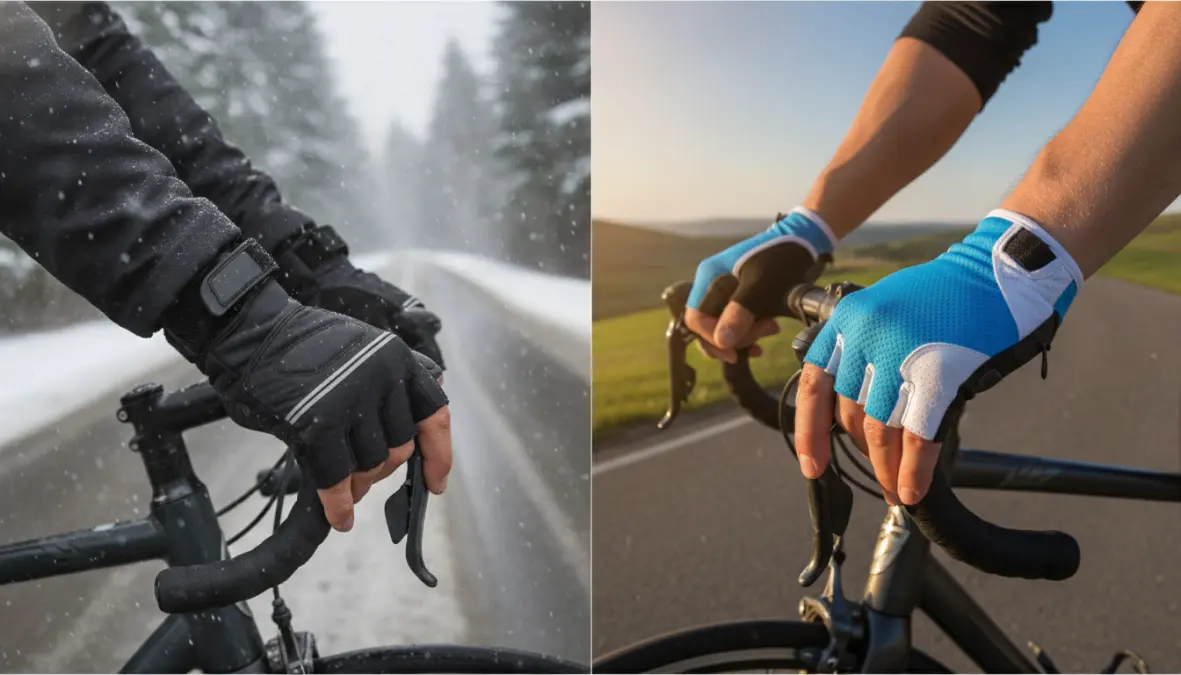
The best breathable summer cycling gloves focus on heat dissipation and sweat management. Fingerless cycling gloves dominate this category, offering maximum airflow while maintaining essential palm padding. Look for mesh back panels, perforated palms, and minimal padding if you prioritize cooling over cushioning on shorter rides.
For the most comfortable cycling gloves for road biking in warm weather, consider models with strategic gel padding at pressure points without excessive bulk. Thin, moisture-wicking materials prevent that clammy feeling during intense efforts. Many road cycling gloves for summer feature terry cloth thumb panels—surprisingly useful for wiping sweat during climbs, as anyone who’s tackled serious elevation knows from applying proper hill climbing techniques.
Lighter-weight fingerless cycling gloves also work well during indoor training sessions. If you’re logging hours on indoor cycling apps, minimal gloves can prevent calluses without causing overheating.
Winter and Cold Weather Protection
The best winter cycling gloves for cold weather require a completely different approach. Insulation becomes paramount, with materials like Thinsulate, fleece linings, or windproof membranes keeping your digits functional when temperatures drop. Full finger cycling gloves are non-negotiable here, and many cyclists find that waterproof or water-resistant options are essential for wet winter conditions.
Key features for winter protection include windproof outer shells, thermal linings, extended cuffs that overlap with jacket sleeves (preventing that miserable gap where cold air sneaks in), and reflective elements for low-light riding. Touchscreen compatible fingertips are especially valuable in winter—nobody wants to remove gloves to answer a call or check navigation in freezing conditions.
For extreme cold, some cyclists layer a thin liner glove under a windproof shell, similar to the layering strategies used when transitioning from indoor to outdoor cycling in variable spring weather. This approach offers flexibility as conditions change during longer rides.
How to Choose the Right Fit and Padding for Your Needs
Even the best cycling gloves won’t perform if they don’t fit properly. Following a proper cycling gloves sizing guide and fit starts with measuring your hand circumference at the widest part (typically across your knuckles, excluding the thumb). Most manufacturers provide sizing charts, but here’s the crucial point: cycling gloves should fit snugly without restricting circulation or causing bunching when you grip the bars.
Common fit issues include excess material at fingertips (size too large), restricted finger movement (too small), or palm padding that doesn’t align with your pressure points (wrong model for your hand shape). When trying gloves, make a fist and grip an imaginary handlebar—you shouldn’t feel excessive bunching or pulling.
Regarding how to choose cycling gloves for comfort, consider your riding duration and style. The best padded cycling gloves for long rides typically feature substantial gel padded cycling gloves construction, with 4-6mm of padding at key ulnar and median nerve contact areas. These pressure zones are where numbness and discomfort typically develop on extended rides.
For mountain bike gloves, prioritize models with reinforced palms and knuckle protection—trail riding involves more handlebar gripping and potential contact with vegetation or ground. The padding distribution differs too, with MTB gloves often featuring more coverage across the entire palm rather than road gloves’ targeted padding.
Cycling gloves with gel padding reviews consistently highlight that gel excels at vibration dampening on rough surfaces—whether that’s chip-seal roads or gravel paths explored on bikes like those compared in our gravel vs road bike guide. Foam padding works well for smoother surfaces and provides a firmer bar feel preferred by some road cyclists who prioritize control for cadence work and technical handling.
FAQ
Do I really need padded cycling gloves?
While not absolutely mandatory, cycling gloves padded with gel or foam significantly reduce hand fatigue, prevent numbness, and protect against vibration-related nerve issues on rides longer than an hour. They also provide crash protection and improve grip comfort in all conditions.
What’s better: gel or foam padding?
Gel padded cycling gloves offer superior vibration dampening and conform better to your hand’s unique pressure points, making them ideal for rough roads and long rides. Foam is lighter, less expensive, and provides a firmer feel preferred by some riders for better bar feedback.
Should I size up or down for cycling gloves?
Neither—cycling gloves should fit true to size based on manufacturer charts. Sizing up creates bunching and reduces control; sizing down restricts circulation. If between sizes, consider your hand shape: wider hands may prefer sizing up, longer fingers sizing down.
Can I use the same gloves for road and mountain biking?
You can, but it’s not optimal. Road cycling gloves prioritize minimal bulk and targeted padding, while mountain bike gloves offer more coverage, durability, and often knuckle protection. A well-padded road glove works reasonably well for XC mountain biking, but aggressive trail riding demands MTB-specific protection.
How do I wash cycling gloves?
Hand wash in cool water with mild detergent, gently working the fabric and padding. Rinse thoroughly and air dry—never use a dryer, as heat degrades gel padding and elastic materials. Wash after every few rides to prevent bacteria buildup and material breakdown from salt and sweat.
Finding the best cycling gloves for your needs doesn’t require a huge investment, but it does demand attention to fit, padding type, and seasonal requirements. Whether you’re seeking the best padded cycling gloves for long rides or simply want to eliminate hand numbness on your commute, the right gloves transform your riding experience. Start with proper sizing, match padding to your riding style, and don’t hesitate to invest in separate summer and winter pairs—your hands will thank you for every mile.