Criterium Racing Guide: Master the Tactics and Skills for Fast Circuit Races
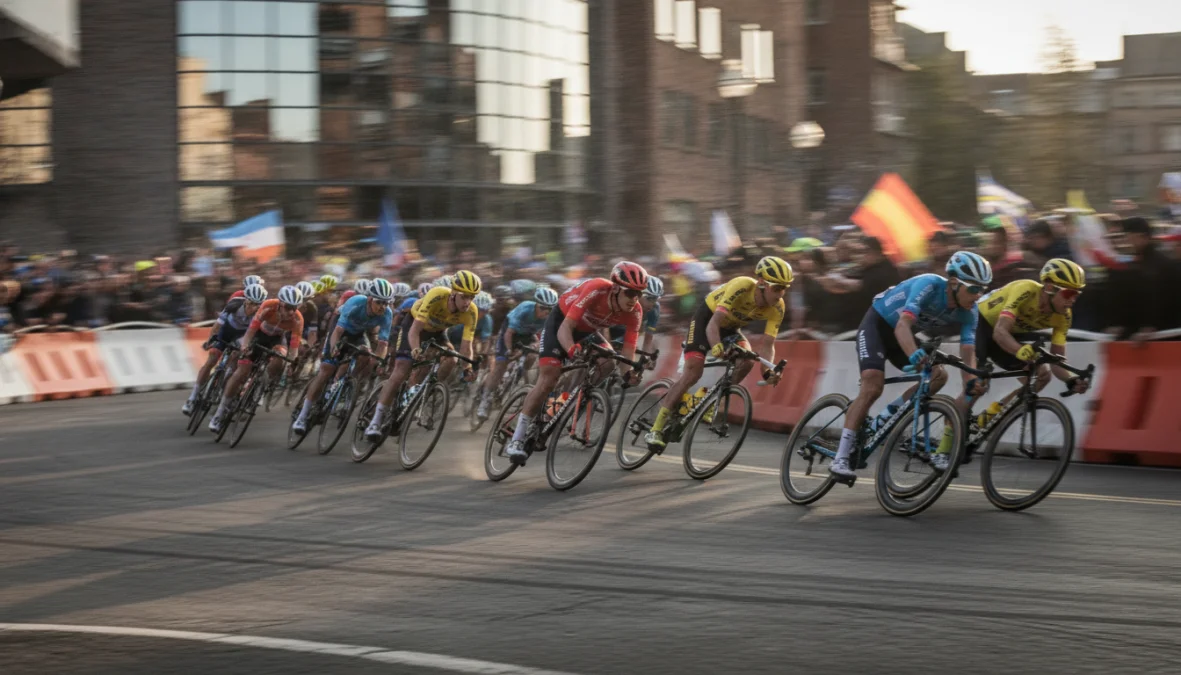
There’s nothing quite like the adrenaline rush of a criterium bike race. Picture this: you’re shoulder-to-shoulder with dozens of riders, screaming through tight corners at 30+ mph, sprinting out of every turn, constantly jockeying for position. It’s chess on wheels—played at breakneck speed. Whether you’re eyeing your first crit or looking to finally grab that podium spot, this criterium racing guide will break down the tactics, techniques, and training you need to thrive in these fast-paced circuit battles.
Understanding Criterium Racing: The Fundamentals
A criterium bike race (or “crit”) is a multi-lap race held on a short, closed circuit—typically 0.5 to 2 miles around city blocks or parking lots. Unlike traditional road races that cover long distances from point A to point B, crits are all about speed, technical handling, and tactical awareness packed into 30-90 minutes of intense racing. The courses feature multiple corners (often 4-6 per lap), and you’ll repeat the circuit anywhere from 20 to 100 times depending on race duration.
What makes criteriums unique? First, the constant acceleration out of corners means your power output resembles a saw blade—short explosive efforts followed by brief recoveries in the draft. Second, circuit racing skills like cornering, bike handling, and spatial awareness matter more than raw FTP. A rider with decent power but exceptional positioning can outperform a powerhouse who wastes energy at the back of the pack. Third, the race dynamics are visible and predictable—you can watch attacks develop, identify strong teams controlling the front, and time your moves accordingly.
Success in criterium racing requires mastering four key areas: technical cornering at speed, intelligent positioning within the peloton, strategic energy management through drafting, and explosive sprint power for attacks or the finish. If you’re coming from road racing or time trials, prepare for a completely different experience where tactics often trump pure fitness. For optimal performance, ensure your bike fits properly—check out our bike fitting guide to maximize power and minimize injury risk during these high-intensity efforts.
Essential Criterium Racing Tactics and Strategy
Understanding criterium racing tactics separates the contenders from the also-rans. Your crit race strategy must balance energy conservation with strategic positioning—stay too far back and you’ll burn matches chasing; push too hard too early and you’ll crack before the finish. Let’s break down the core tactical elements.
Positioning and Pack Dynamics
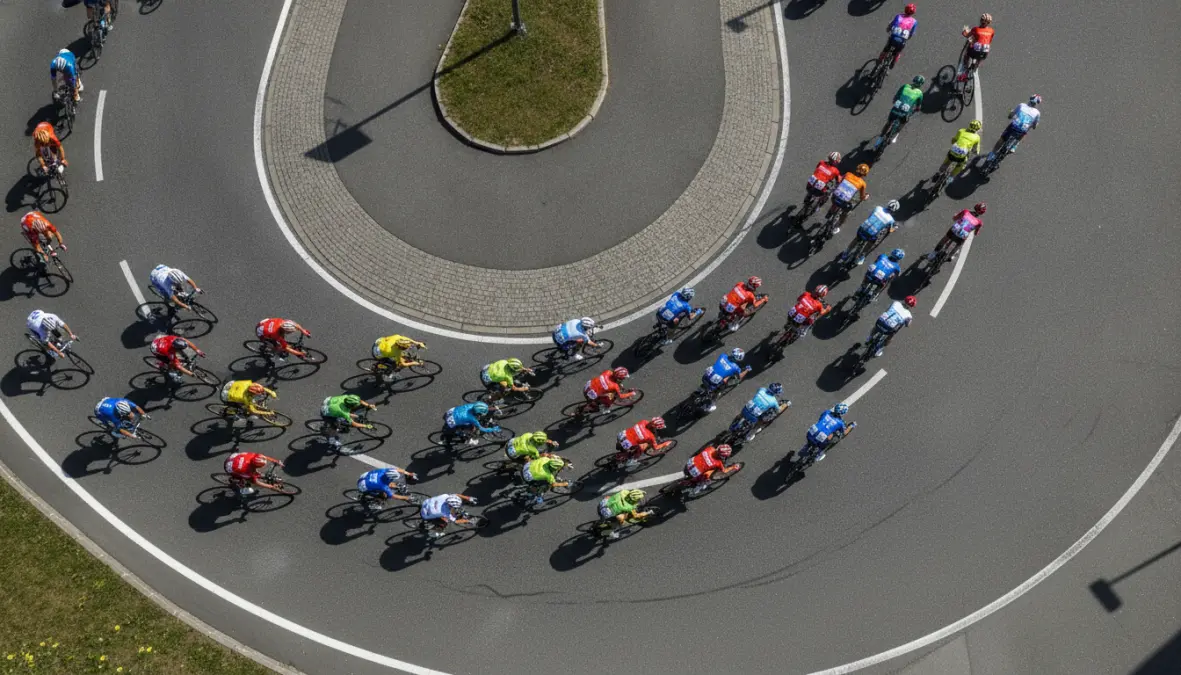
Positioning strategies for crit races revolve around one golden rule: stay in the front third of the pack. The difference in energy expenditure between the front and back is massive—riders at the rear experience an accordion effect, constantly braking and accelerating to maintain contact. Meanwhile, those in the top 15-20 positions enjoy smoother, more consistent speeds.
Pack riding tactics require reading the group’s movement like a tide. Watch for teams massing at the front—they’re likely setting up a leadout or preparing to control the pace. Notice when the pack drifts wide before a corner, creating an opening on the inside line. Learn to hold your line firmly but not rigidly; slight handlebar touches are normal, but erratic movements cause crashes.
How to position in a criterium? Move up on straightaways when the pace is steady, not in corners where space is tight and risks are high. Use drafting techniques religiously—sitting in someone’s slipstream saves 20-30% of your energy. Before key corners (especially the final turns), advance your position early rather than fighting through traffic when everyone else has the same idea. If you find yourself drifting backward, don’t panic—use the next straight to calmly move up wheel-by-wheel.
Cornering Techniques and Sprint Timing
How to corner in a criterium faster than your competitors? Master criterium cornering techniques and you’ll gain seconds per lap while conserving energy. The ideal line enters wide, apexes at the inside, and exits wide—but in a packed field, you’ll rarely get the perfect line. Instead, focus on these fundamentals: brake before the turn (not in it), look through the corner to where you’re going, weight your outside pedal, and accelerate smoothly as you exit.
Technical cornering improves with practice. Set up cones in an empty parking lot and practice different speeds and lines. Learn to pedal through corners when safe—coasting means losing momentum. The best criterium racers corner at 90% of their braking limit, maintaining speed that forces others to work harder after each turn.
Sprint timing and attacking strategy depend on race dynamics. Early attacks rarely succeed in crits unless the field is small or disorganized—the pack can easily chase down solo efforts. Instead, watch for these opportunities: when the pace slows after a chase, immediately after a crash creates confusion, or when strong teams are committed to controlling for their sprinter (making them reluctant to chase).
For the field sprint finish, position yourself in the top 10 wheels with two laps to go, top 5 with one lap remaining. Launch your sprint finish coming out of the final corner—too early and you’ll die before the line; too late and you can’t close the gap. Study how to win a criterium race by watching experienced racers: they’re calm, calculated, and strike when the moment is perfect.
Criterium Race Training and Preparation
Criterium race training must simulate race demands: repeated high-intensity efforts with minimal recovery. Traditional long base miles help, but specific workouts make the difference. Incorporate these sessions into your training plan:
- High-Intensity Intervals: 10-15 repeats of 1-2 minutes at threshold or above with 1-2 minute recoveries. This mimics the surge-and-settle pattern of crit racing. Our HIIT training guide offers additional protocols you can adapt for cycling.
- Cornering Drills: Practice tight turns at speed, focusing on line selection and bike lean. Set up a mock course and ride it repeatedly, gradually increasing speed.
- Group Rides: Nothing replaces actual pack riding experience. Join fast group rides to develop comfort in tight quarters and learn to read group dynamics.
- Sprint Repeats: After building base fitness, add 6-10 short sprints (10-20 seconds) from various speeds to develop explosive power.
Criterium racing tips for beginners include pre-riding the course before your race. Walk or slowly ride it, identifying corner angles, road surface quality, and potential hazards. Note which corners tighten up and where the finish line sits relative to the final turn. This reconnaissance builds confidence and eliminates surprises.
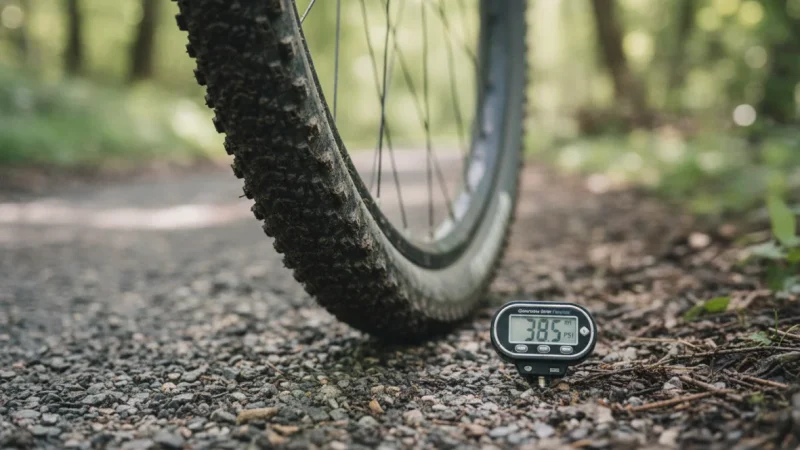
How to prepare for your first criterium? Beyond fitness, practice bike handling skills weekly. Ride in pacelines, practice emergency braking, and get comfortable with others’ wheels inches from yours. Ensure your equipment is race-ready—check your tubeless tire setup to minimize puncture risk during aggressive cornering.
Nutrition during crits is simpler than road races—most criteriums last under 90 minutes, so pre-race fueling matters most. Eat a carb-rich meal 2-3 hours before, sip a sports drink in the hour leading up, and you’ll have sufficient energy. For recovery between weekend races, consider the protocols in our foam rolling guide to speed muscle recovery.
FAQ
What is a criterium bike race?
A criterium (crit) is a bicycle race held on a short, closed circuit featuring multiple laps. Races typically last 30-90 minutes with courses ranging from 0.5-2 miles, emphasizing speed, technical cornering, and tactical positioning over pure endurance.
How do you train for criterium racing?
Effective criterium race training combines high-intensity interval workouts (1-2 minute efforts above threshold), sprint repeats, technical cornering practice, and group riding to develop pack skills. Focus on explosive power and bike handling rather than just base endurance.
What bike is best for criterium racing?
A lightweight, responsive road bike with stiff frame geometry for quick acceleration works best. Aluminum or carbon frames around 15-18 lbs are ideal. Ensure proper fit through a professional bike fitting to maximize power transfer during repeated sprints.
How do you corner faster in a criterium?
Enter wide, apex tight, exit wide when possible. Brake before the corner (not during), look through the turn, weight your outside pedal, and accelerate smoothly out. Practice is essential—set up cones and drill different speeds and angles regularly.
What’s the difference between criterium and road racing?
Criteriums are short, multi-lap races on closed circuits emphasizing technical skills and repeated high-intensity efforts. Road races cover longer distances point-to-point or on large circuits, prioritizing endurance and sustained power over pure bike handling and positioning tactics.
Criterium racing delivers some of cycling’s most exciting, accessible competition. The skills you develop—explosive power, technical handling, tactical awareness—translate to every aspect of cycling. Start with local beginner races, focus on positioning and cornering before worrying about winning, and gradually build your criterium racing skills and techniques through consistent practice. The pack will feel chaotic at first, but with experience, you’ll learn to read the race, conserve energy, and strike when it counts. Now get out there, practice those corners, and experience the thrill of racing shoulder-to-shoulder at full speed.