Cycling Cadence Drills: Proven Exercises to Improve Pedaling Efficiency
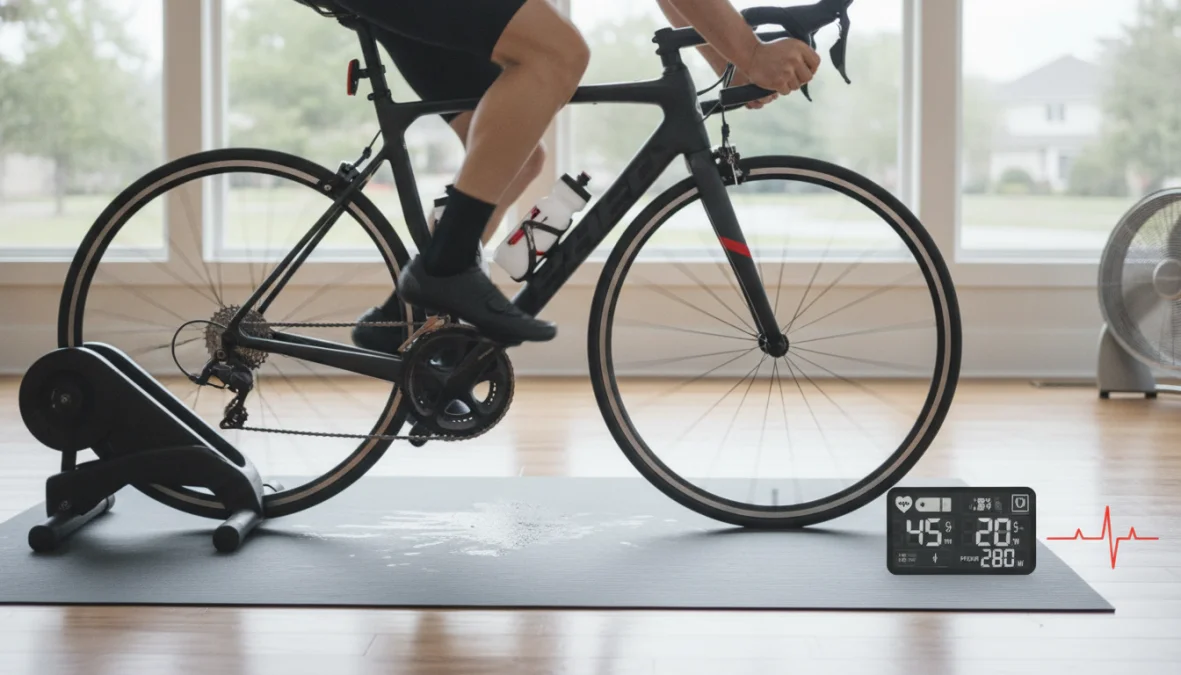
Ever feel like you’re grinding your way up a climb while your riding buddy seems to spin effortlessly past you? The secret often isn’t just fitness—it’s pedaling cadence. Your revolutions per minute (rpm) can make or break your cycling efficiency, and the good news is that you can train it. Cycling cadence drills are proven exercises that help you pedal smoother, faster, and with less fatigue. Whether you’re a weekend warrior or training for your first century, mastering these drills will transform how you ride.
Understanding Cadence and Why It Matters for Cycling Performance
Let’s start with the basics: pedaling cadence is simply how many times you complete a full pedal revolution in one minute. Most cyclists find their sweet spot between 80-100 rpm, though this varies based on terrain, fitness level, and individual biomechanics. Why does this number matter so much for cycling efficiency?
When you pedal at a higher cadence (around 90-100 rpm), you’re distributing the workload across more pedal strokes, which reduces the force required per stroke. This means less muscular stress and better cardiovascular engagement. Think of it like shifting gears in a car—you wouldn’t lug the engine at low rpms when a higher gear ratio would be smoother and more efficient.
Lower cadences (60-70 rpm) require more force per stroke, which can build strength but also fatigue your muscles faster. The key is finding your optimal cycling cadence—the rate where you maximize power output without burning out. Professional cyclists often vary their cadence strategically: Chris Froome famously climbed at 95-100 rpm, while riders like Jan Ullrich preferred a grinding 70-80 rpm on steep gradients.
The physiological benefits are clear: higher cadence reduces muscle damage, improves oxygen delivery to working muscles, and allows for better sustained effort. By training different cadence ranges through specific drills, you develop neuromuscular efficiency and improve your overall pedal stroke efficiency. For more on finding your personal optimal rate, check out our guide on Cycling Cadence Training: How to Find Your Optimal Pedaling Rate.
Essential Cycling Cadence Drills to Boost Your Pedaling Efficiency
Now let’s dive into the meat of cadence training—the specific cycling cadence drills that will rewire your legs for smoother, more efficient pedaling. These rpm cycling drills target different aspects of your pedaling mechanics, from neuromuscular coordination to muscular endurance. Here are the most effective cadence exercises you should incorporate into your training.
High-Cadence Interval Drills
Spin-ups are the foundation of high cadence cycling training. These drills teach your nervous system to fire muscle fibers rapidly and maintain control at elevated rpms. Here’s how to execute them properly:
- Duration: Start with 30-second intervals, gradually building to 90 seconds as you improve
- Target rpm: Aim for 110-120 rpm in an easy gear
- Technique: Focus on keeping your hips stable on the saddle—no bouncing. Your pedal stroke should feel light and quick
- Recovery: Take 2-3 minutes of easy spinning between intervals
- Frequency: Perform 4-6 intervals, twice per week
The key to successful spin-ups is maintaining smoothness. If you start bouncing in the saddle, reduce your cadence slightly until you regain control. Over time, you’ll develop the leg turnover speed that makes climbing and accelerating feel effortless. This neuromuscular training is essential for building the coordination needed for efficient pedaling at any cadence.
Low-Cadence Strength and Efficiency Drills
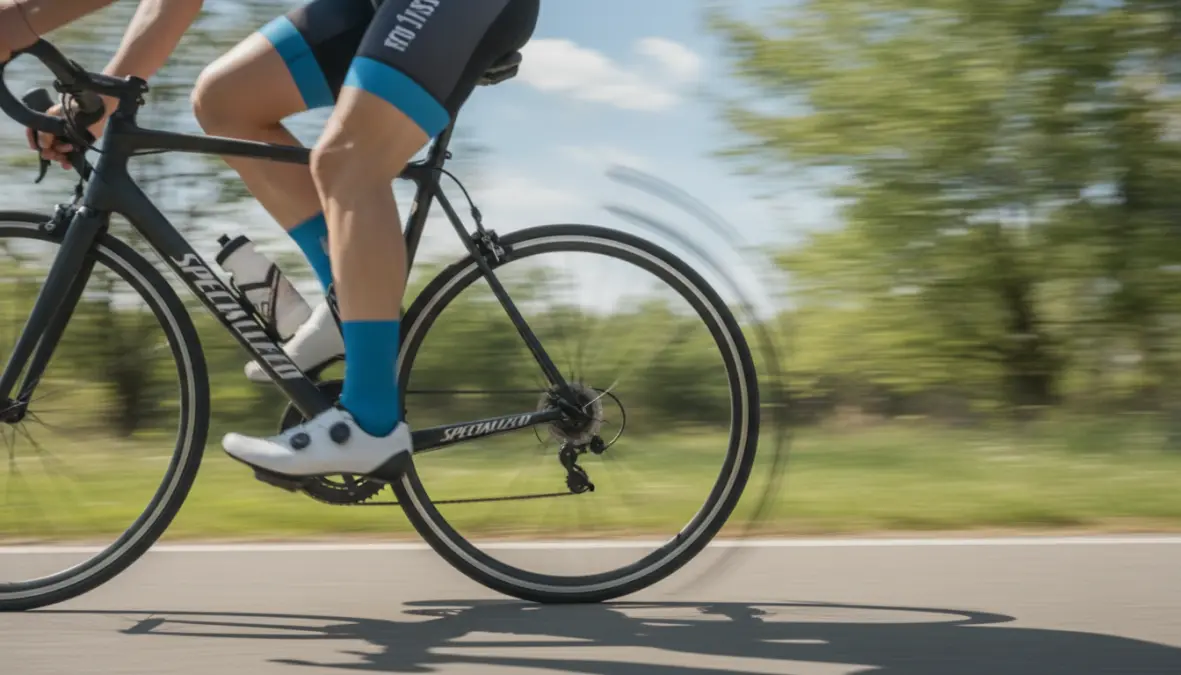
On the opposite end of the spectrum, low-cadence drills build the muscular strength and smooth pedal stroke efficiency that high-speed spinning requires. These “big gear” intervals are among the best drills for cycling cadence development because they force you to apply consistent pressure throughout the entire pedal revolution.
- Target rpm: 50-70 rpm in a moderate to hard gear
- Duration: 3-5 minute intervals
- Focus: Concentrate on pulling through the bottom of the stroke and pushing over the top—eliminate dead spots
- Cadence: Perform 3-4 intervals with 3-4 minutes recovery
- When to include: Once weekly during base training periods
These drills complement explosive power training nicely. For cyclists looking to build overall strength, pairing cadence work with plyometric training creates a comprehensive power development program.
Additional essential drills include cadence pyramids (gradually increasing from 80 to 110 rpm and back down), single leg drills (unclip one foot and pedal with the other for 30-60 seconds to identify pedaling imbalances), and tempo intervals where you maintain a specific target cadence (like 95 rpm) for extended periods of 10-20 minutes. These varied approaches ensure comprehensive development of your pedaling technique.
Implementing Cadence Training Into Your Cycling Routine
Understanding how to improve cycling cadence is one thing; actually integrating these drills into your training is another. The key is consistency without overdoing it. Here’s a practical framework for implementing cycling cadence drills for beginners and experienced riders alike.
Start by dedicating 2-3 sessions per week to focused cadence training. You don’t need separate rides—incorporate these drills into your regular training. For example, use your warm-up for spin-ups, insert low-cadence intervals during mid-ride flat sections, and finish with tempo work at your target cadence. A sample week might include: Tuesday (high-cadence intervals), Thursday (single-leg drills and pyramids), and Saturday (tempo ride with sustained target cadence).
Progressive overload applies here just like strength training. Begin conservatively—if you’re new to structured high cadence training exercises, start with just 4 x 30-second spin-ups twice weekly. Add duration or intensity every 2-3 weeks. Your body needs time to adapt neuromuscularly before you pile on volume.
Equipment matters for tracking progress. A basic bike computer with cadence function or a smart trainer provides real-time feedback. Monitor your ability to maintain target cadences with lower perceived exertion over time—that’s your measurable improvement. Indoor training platforms make cadence work especially effective since you can control resistance perfectly. For tips on balancing indoor and outdoor training, see our guide on transitioning from indoor to outdoor cycling.
Common mistakes to avoid: increasing cadence too quickly (causing bouncing and inefficiency), neglecting recovery between intervals, and sacrificing proper form for higher numbers. Your pedaling efficiency should never deteriorate in pursuit of rpm targets. Smooth always beats fast but choppy.
Finally, fuel your training properly. Cadence work is neurologically demanding, and proper nutrition supports adaptation. Consider exploring carb cycling strategies to optimize your energy availability for these demanding sessions.
FAQ
What is the ideal cadence for cycling?
For most cyclists, the optimal cycling cadence falls between 80-100 rpm on flat terrain. However, this varies individually based on fitness, muscle fiber composition, and riding style. Experiment within this range to find where you can sustain power output most comfortably for extended periods.
How often should I do cadence drills?
Include focused cycling cadence drills 2-3 times per week for best results. This frequency allows adequate neuromuscular adaptation without overtaxing your system. Even one weekly session will produce improvements if maintained consistently over several weeks.
Can high cadence cycling improve endurance?
Absolutely. High cadence cycling reduces muscular fatigue by distributing work across more pedal strokes, which preserves your muscles for longer efforts. It shifts the workload toward your cardiovascular system, which recovers faster than fatigued muscles, ultimately extending your endurance capacity.
What’s better: high or low cadence?
Neither is universally “better”—both serve different purposes. High cadence (90-100+ rpm) is typically more efficient for sustained efforts and climbing. Low cadence (60-70 rpm) builds strength and can be useful for short power efforts. Training both ranges creates the most versatile, efficient cyclist.
How long does it take to improve pedaling efficiency?
Most cyclists notice improvements in pedal stroke efficiency within 4-6 weeks of consistent cadence training. Significant neuromuscular adaptations typically require 8-12 weeks. The key is patience and progressive training—your nervous system needs time to rewire pedaling patterns developed over years of riding.
Mastering cadence isn’t about chasing arbitrary rpm numbers—it’s about developing the neuromuscular efficiency to pedal smoothly at any speed. These proven cycling cadence drills will transform your pedaling from a grinding, inefficient effort into a smooth, powerful engine. Start incorporating these exercises today, track your progress, and watch your cycling performance reach new heights. Your legs will thank you on that next long climb.