
Cycling Leg Shaving: The Real Performance Benefits Behind the Tradition

If you’ve ever lined up at a road race or scrolled through professional cycling photos, you’ve probably noticed something: smooth, hairless legs everywhere. Cycling leg shaving has been a cornerstone of bike racing culture for decades, but is it just vanity, or are there legitimate reasons behind this widespread practice? The truth lies somewhere between tradition, marginal gains, and practical benefits that might surprise you. Whether you’re a weekend warrior or aspiring pro, understanding why cyclists shave their legs can help you decide if it’s right for your own riding.
Why Do Cyclists Shave Their Legs? Understanding the Tradition
The practice of shaving legs for cycling dates back to the 1950s and 60s, when European professional riders first made smooth legs part of their pre-race routine. Originally, it wasn’t about aerodynamics—wind tunnels weren’t exactly common in post-war cycling circles. Instead, early adopters focused on practical concerns: easier massage therapy, better wound care after crashes, and simply looking like a serious racer.
Today, cyclist leg grooming remains incredibly common. Surveys suggest that roughly 70-80% of competitive road cyclists regularly remove leg hair, while the percentage drops among mountain bikers and casual riders. Professional cyclists almost universally shave, making it part of the sport’s visual identity. But here’s the interesting part: many amateur cyclists also adopt the practice, even if they’re not racing at elite levels.
So why do professional cyclists shave their legs? The reasons blend practical benefits with cultural belonging. In the peloton, smooth legs signal that you’re part of the tribe—someone who takes cycling seriously. It’s similar to wearing proper kit or knowing how to change a flat tire quickly. But beyond tradition, there are measurable advantages worth considering, which brings us to the real performance question.
Real Performance Benefits of Shaving Legs for Cycling
Let’s cut through the myths and examine the actual benefits of shaving legs cycling based on evidence and practical experience. While some advantages are scientifically validated, others fall into the “marginal gains” category that serious cyclists obsess over.
Aerodynamic Advantages: Wind tunnel testing has shown that removing leg hair can reduce drag, though the gains are modest. Studies suggest savings of 50-80 seconds over a 40km time trial—not earth-shattering, but meaningful in competitive racing. Similar to optimizing your position (as discussed in our cycling aerodynamics guide), leg shaving contributes to cumulative speed improvements. Does shaving legs make you faster cycling? Technically yes, but you’ll notice bigger gains from better training and equipment first.
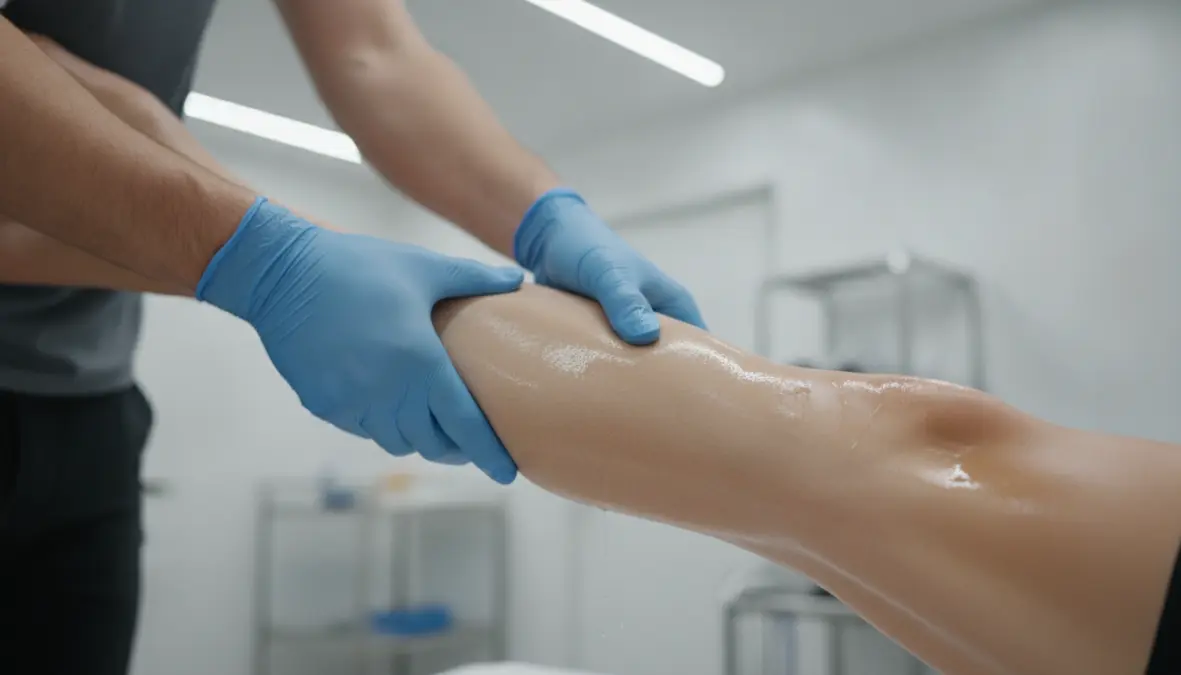
Massage Preparation and Recovery: This is where leg shaving performance benefits become most tangible. Professional riders receive daily sports massage, and smooth skin allows therapists to work more effectively without pulling hair. Embrocation creams and recovery lotions also absorb better without hair blocking absorption. If you’re serious about recovery and follow structured training like our spring cycling training program, this advantage matters.
Road Rash Treatment and Wound Cleaning: Anyone who’s crashed knows that cleaning gravel from hairy, scraped skin is miserable. Shaved legs make wound cleaning significantly easier and less painful. Medical tape and bandages stick better to smooth skin, and removing them later won’t feel like torture. While nobody plans to crash, cyclists who frequently ride in groups or race competitively appreciate this insurance policy.
Here are the key benefits summarized:
- Reduced wind resistance (small but measurable aerodynamic gains)
- Better massage effectiveness and cream application
- Easier wound care after crashes and road rash incidents
- Improved hygiene and skin monitoring for issues
- Professional appearance and cycling culture integration
Honesty matters here: the aerodynamic benefits won’t transform an average cyclist into a pro. The real advantages are practical comfort and preparation, especially if you’re racing or riding at higher intensity levels where crashes and recovery protocols matter.
Do Cyclists Really Need to Shave Their Legs? Making the Decision
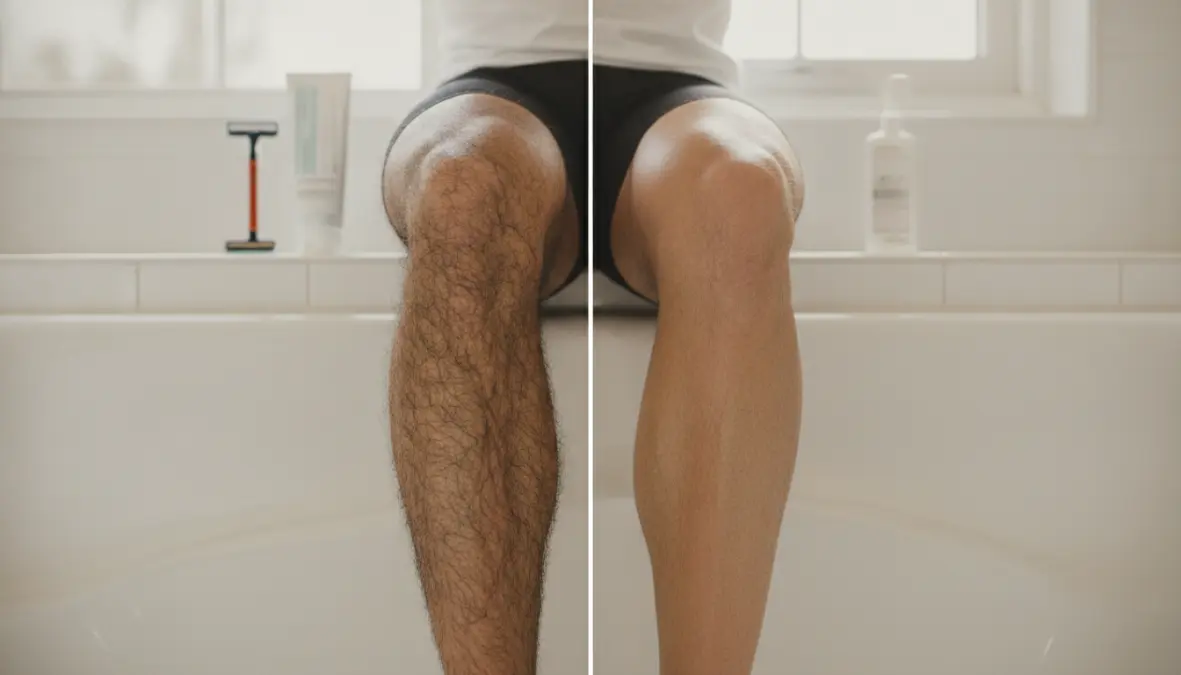
The short answer: do cyclists need to shave legs? No, it’s not mandatory. But the longer answer depends on your cycling goals, discipline, and personal preferences. Let’s break down when cycling hair removal makes sense and when it doesn’t.
Road cyclists who race or ride in fast groups benefit most from shaved legs. The combination of aerodynamic gains, crash preparation, and cultural acceptance makes it worthwhile. Mountain bikers historically cared less about smooth legs, though this varies—cross-country racers sometimes shave while enduro riders typically don’t. Gravel cyclists fall somewhere in between, often following road cycling traditions if they come from that background.
When considering when should cyclists start shaving legs, think about your commitment level. If you’re training seriously, racing regularly, or getting sports massage, the practical benefits justify the maintenance effort. Casual recreational riders gain less from the practice unless they simply prefer the aesthetic.
For those ready to start, here’s the best way to shave legs for cycling: Begin with trimming longer hair using clippers, then shave in the shower with quality razors and shaving cream. Shave against the growth direction for smoothness. Electric razors work for maintenance shaving. Some cyclists use epilators (more painful but longer-lasting) or consider laser hair removal for permanent reduction. Most competitive cyclists shave every 3-5 days during race season.
Modern alternatives include depilatory creams and professional waxing, though these require testing for skin sensitivity. Whatever method you choose, consistency matters more than perfection—a few missed patches won’t ruin your aerodynamics.
It’s worth noting that cycling leg shaving pros and cons include time investment and ongoing maintenance. You’ll spend 15-20 minutes every few days keeping legs smooth. Some cyclists experience ingrown hairs or razor burn initially. But many find the routine becomes second nature, like other aspects of athletic preparation and optimization.
Importantly, this remains a personal choice. The cycling community increasingly embraces individual preferences, and nobody should feel pressured either way. Female cyclists often already remove leg hair for non-cycling reasons, though application patterns may differ. The key is making an informed decision based on your goals rather than feeling obligated to conform.
FAQ: Common Questions About Cycling Leg Shaving
Does shaving legs actually make you faster?
Yes, but marginally. Wind tunnel studies show shaved legs can save 50-80 seconds over 40km compared to hairy legs—about 1-2% improvement. This matters in competitive racing where seconds count, but won’t transform your overall speed. Proper training, nutrition, and equipment choices deliver far greater performance gains. Think of leg shaving as one small piece of optimization rather than a magic solution.
How often do cyclists shave their legs?
Most competitive cyclists shave every 3-5 days during active racing season. Professional riders often shave twice weekly to maintain perfectly smooth legs for massage and aerodynamics. During off-season or base training periods, many cyclists let hair grow back or shave less frequently. Frequency depends on individual hair growth rates and personal standards—some maintain year-round smoothness while others take winter breaks.
What’s the best method for shaving legs for cycling?
Traditional wet shaving with quality multi-blade razors remains most popular. Trim long hair first with clippers, then shave in a warm shower using shaving cream or gel. Shave against hair growth for smoothness. Electric razors work for maintenance between full shaves. For longer-lasting results, consider epilators (painful but effective) or professional waxing. Laser hair removal offers semi-permanent reduction for cyclists committed long-term.
Does leg hair affect cycling performance?
Minimally in most real-world conditions. Hair creates slight aerodynamic drag, potentially costing a couple watts at racing speeds. The bigger performance factors are crash recovery (easier wound care), massage effectiveness, and psychological confidence. Unless you’re competing at elite levels where marginal gains determine podium positions, leg hair won’t meaningfully limit your cycling performance compared to training quality and overall fitness.
Will leg hair grow back thicker after shaving?
No, this is a common myth. Shaving cuts hair at the surface, creating blunt ends that feel coarser initially, but doesn’t change hair thickness, color, or growth rate. Hair appears darker when short because it hasn’t been lightened by sun exposure. After regular shaving, many cyclists report hair growing back finer over time, though this likely reflects perception rather than biological change.
Whether you embrace cycling leg shaving as part of your routine or decide it’s not for you, understanding the real benefits helps you make informed choices about your cycling preparation. Like many aspects of the sport—from optimizing cadence to perfecting nutrition—it’s about finding what works for your goals and preferences. The tradition endures because it offers genuine practical advantages for serious cyclists, but it remains optional rather than essential. Focus on what matters most: spending quality time on the bike and enjoying the ride.