Cycling in Rain: Essential Safety Tips and Waterproof Gear Guide
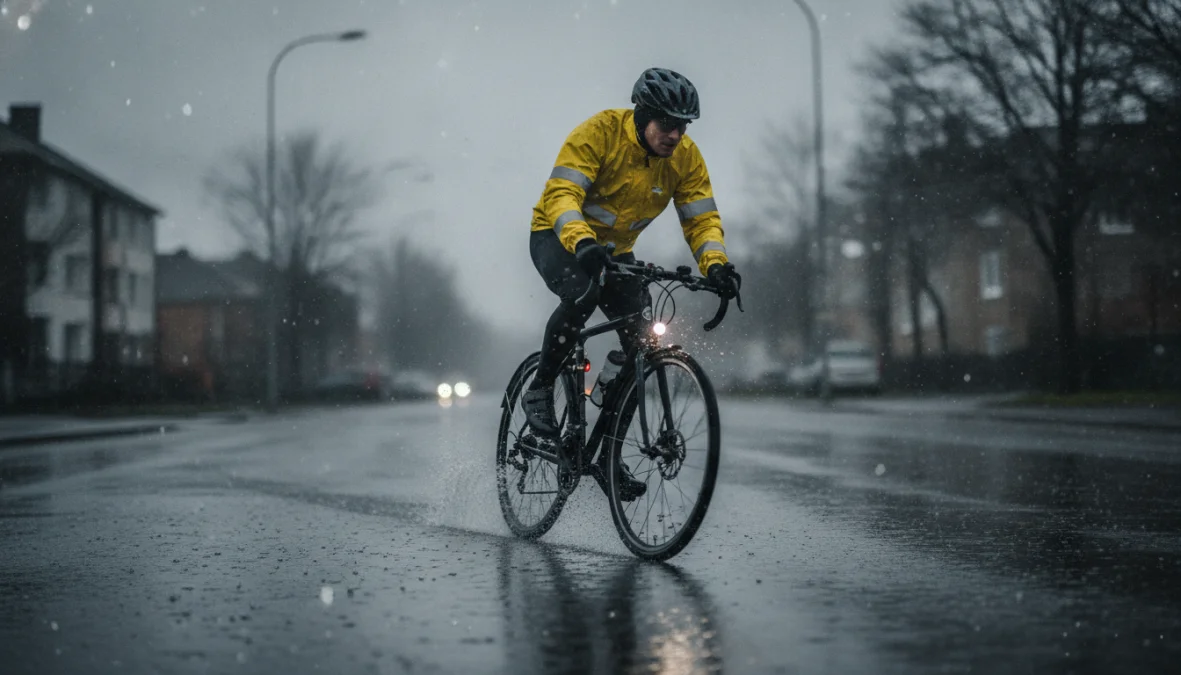
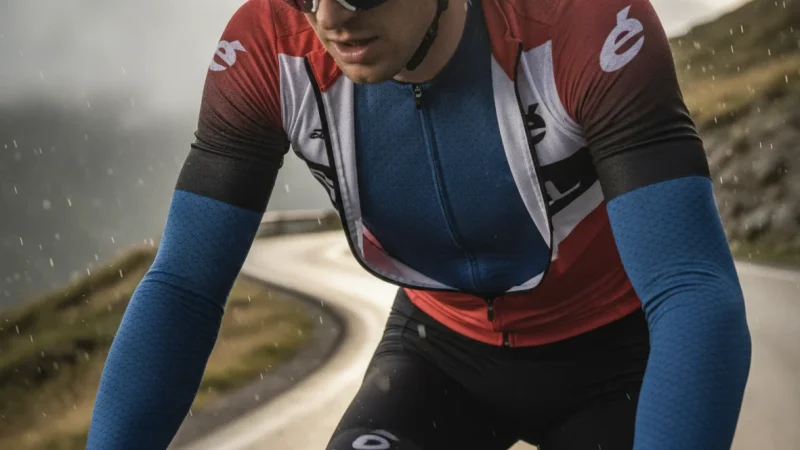
There’s something almost magical about cycling in rain—the fresh smell of wet pavement, quieter streets, and that satisfying feeling of being tougher than the weather. But let’s be real: cycling in rain requires more than just grit. You need the right techniques, proper gear, and a healthy respect for how wet conditions change everything from your bike’s handling to your visibility on the road. Whether you’re a commuter who can’t let a little drizzle derail your routine or an enthusiast who rides year-round, mastering wet weather cycling is an essential skill that’ll keep you safe and comfortable.
Essential Safety Tips for Cycling in Rain
When it comes to bike safety in rain, your riding technique needs a complete overhaul. Wet roads aren’t just uncomfortable—they’re genuinely hazardous if you treat them the same as dry pavement. The most critical change? Your wet braking distance can increase by 30-50%, meaning you need to anticipate stops much earlier than usual. Start applying your brakes gently and progressively, giving your brake pads time to clear water from the rims or rotors before they bite effectively.
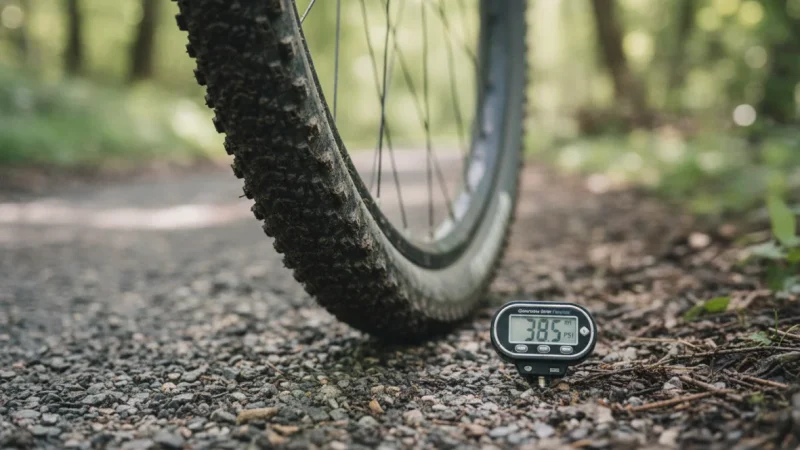
Before you even roll out, spend a few minutes on pre-ride prep. Check your brakes are functioning properly—this isn’t the day to ignore that squeaky rear brake. Consider slightly lowering your tire traction by reducing tire pressure by 5-10 PSI, which increases your contact patch with the road and improves grip on slick surfaces. During your ride, treat every painted road marking, metal manhole cover, and railway crossing like ice—because in wet conditions, they basically are. Approach these hazards straight-on when possible, and avoid any sudden steering inputs.
Position yourself more upright on the bike for better control and weight distribution. In traffic, increase your following distance to at least four bike lengths, giving yourself plenty of reaction time. Just as you’d adjust your approach when cycling in the heat, wet weather demands its own adaptations to maintain safety.
Braking and Handling Techniques in Wet Conditions
Mastering the art of braking in rain is non-negotiable. Start your braking earlier—much earlier. Use both front and rear brakes, but favor a 60/40 distribution (front to rear) rather than the typical 70/30 you’d use in dry conditions. This prevents front wheel washouts on slippery surfaces. Feather your brakes lightly as you approach corners to clear water and ensure they’re ready when you need full stopping power.
When cornering, slow down before the turn, not during it. Your tire traction is already compromised by water; adding braking forces while leaned over is asking for trouble. Keep your body weight centered and avoid aggressive lean angles. Watch for those treacherous painted lines at intersections—they’re exponentially more slippery when wet. If you must cross them, do so as upright as possible.
Visibility and Communication on the Road
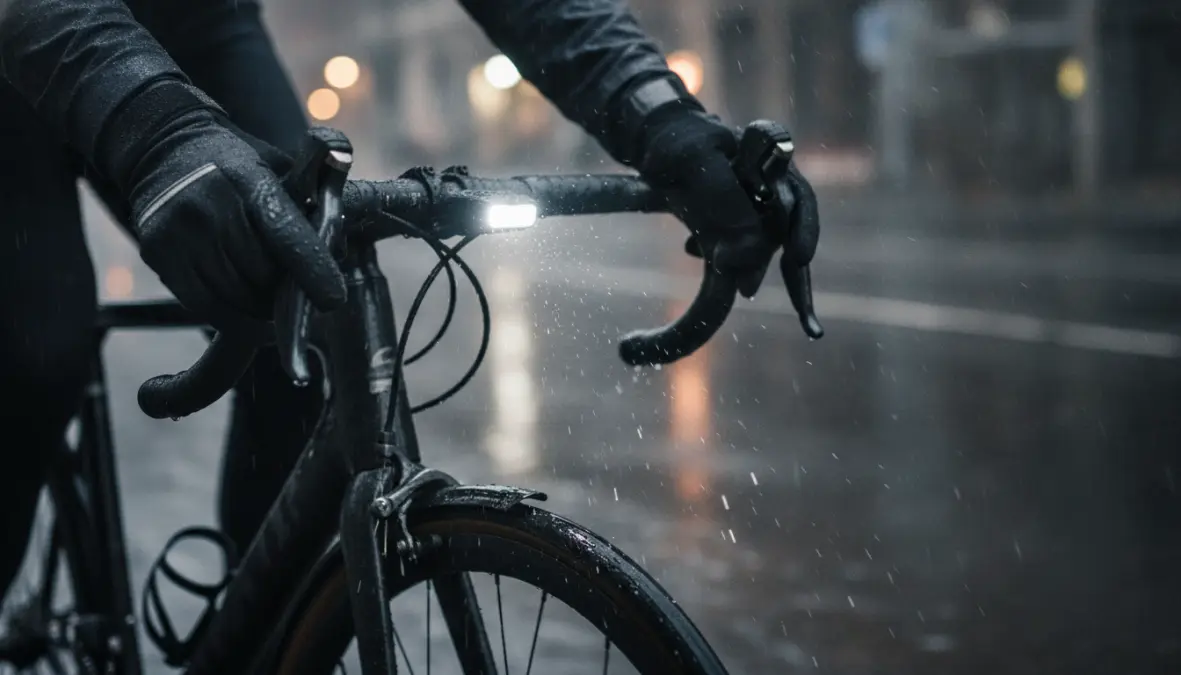
Rain visibility works both ways: you can’t see as well, and drivers definitely can’t see you. Combat this with redundant lighting—a bright front light (at least 200 lumens on flash mode) and a rear light are mandatory, even during daylight hours. Add reflective clothing to your arsenal: reflective vests, ankle bands, and helmet covers turn you into a beacon in gloomy conditions.
Make your intentions crystal clear with exaggerated hand signals. In rain, drivers have reduced visibility and longer stopping distances too, so give them every advantage to predict your movements. Consider adding a reflective flag or additional rear lights if you’re commuting regularly in wet weather.
Must-Have Waterproof Cycling Gear and Equipment
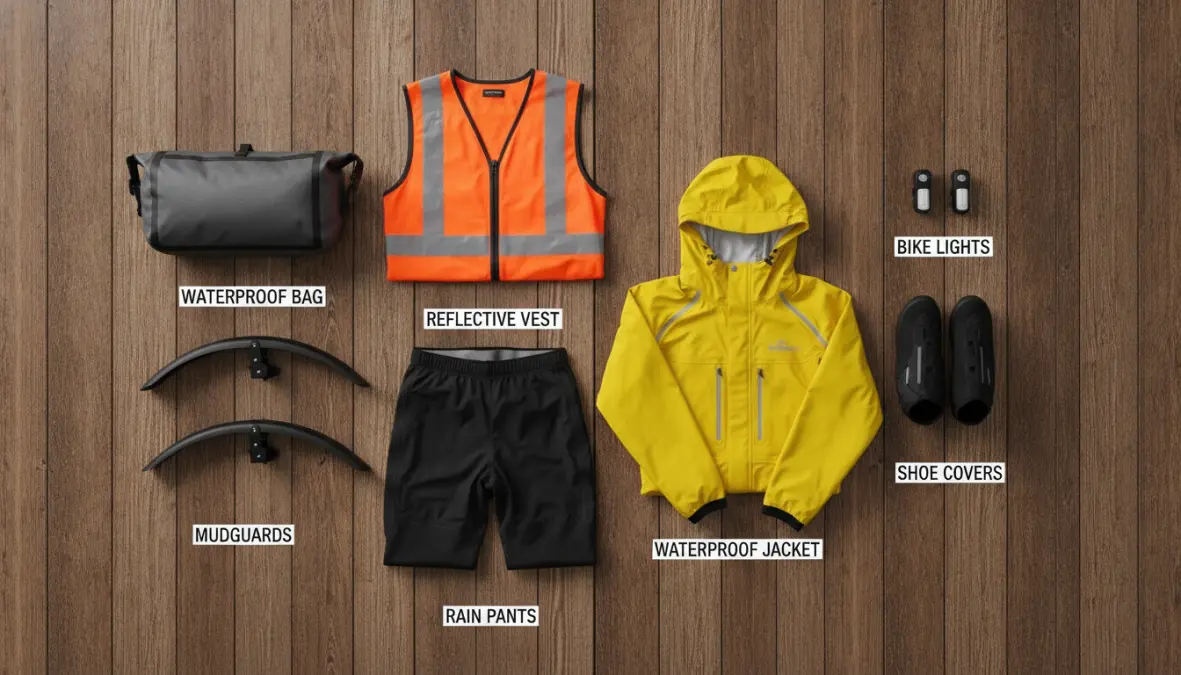
The difference between miserable wet weather cycling and tolerable (dare we say enjoyable?) rainy rides comes down to your rain cycling gear. Start with a quality waterproof jacket—this is your first line of defense and worth the investment. Look for jackets with a waterproof rating of at least 10,000mm and breathability of 10,000g/m²/24hrs. Sealed seams are non-negotiable; otherwise water sneaks through the stitching like uninvited houseguests.
Your core might be protected, but what about your legs? Rain pants cycling options range from full waterproof trousers to lightweight rain chaps that protect just your thighs and knees. Commuters often prefer full coverage, while performance riders might opt for water-resistant bib tights that dry quickly. Don’t forget your extremities: waterproof gloves maintain grip and prevent that miserable numb-finger sensation, while neoprene shoe covers keep your feet from turning into prunes.
For longer rides or multi-day adventures—similar to what you’d pack for bike packing essentials—invest in truly waterproof bags. Dry bags with roll-top closures offer superior protection over zipper-based systems. Frame bags with welded seams keep your phone, snacks, and tools bone-dry even in downpours.
Protecting Your Bike and Valuables
Mudguards (or bike fenders if you’re stateside) are the unsung heroes of wet weather cycling. They prevent that stripe of road grime up your back and keep your drivetrain cleaner, extending component life. Full-coverage fenders offer maximum protection, while clip-on versions provide flexibility for fair-weather removal.
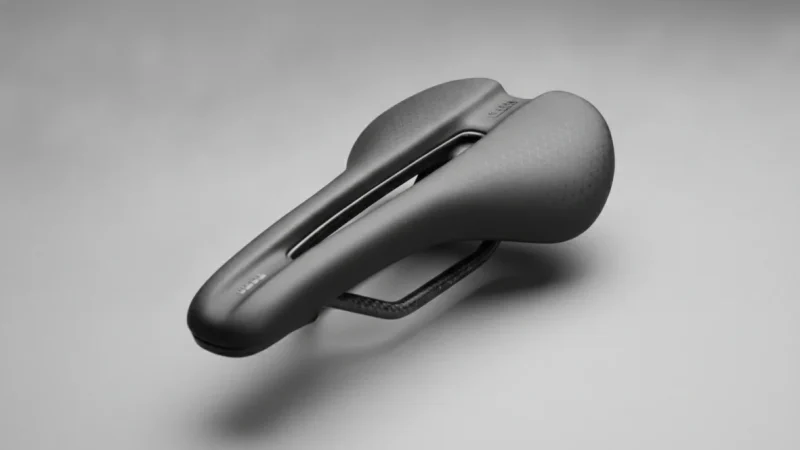
Protect your saddle with a waterproof cover—coming back to a soggy seat after a coffee stop is nobody’s idea of fun. For your electronics, invest in proper waterproof cases rather than relying on plastic bags. Modern smartphones might be water-resistant, but cycling rain combined with road spray is a different beast than a brief dunk in the sink. Keep spare dry clothes in a waterproof stuff sack in your bag; there’s nothing worse than reaching your destination only to discover your “waterproof” bag leaked all over your change of clothes.
FAQ: Common Questions About Cycling in Rain
Is it safe to cycle in the rain?
Yes, cycling in rain is safe when you adapt your technique and use proper equipment. Reduce speed by 20-30%, increase braking distance, avoid slippery surfaces, and prioritize visibility. Thousands of cyclists commute safely in wet conditions daily—it just requires respect for the changed conditions.
How do I keep my feet dry while cycling in rain?
Waterproof shoe covers are your best defense. Neoprene versions work well in cooler weather, while lighter waterproof covers suit milder conditions. For heavy rain, some cyclists use plastic bags inside their shoes before adding covers for double protection. Accept that in truly torrential rain, completely dry feet might be impossible—focus instead on warm feet with merino wool socks.
What tire pressure is best for wet conditions?
Reduce your normal tire pressure by 5-10 PSI to increase the contact patch and improve grip. For road bikes, this might mean dropping from 100 PSI to 90-95 PSI. The exact amount depends on your weight, tire width, and road conditions—experiment to find what feels secure without bottoming out on rough surfaces.
Should I use different brakes in the rain?
You don’t need different brakes, but disc brakes perform significantly better in wet conditions than rim brakes, maintaining consistent stopping power. If you have rim brakes, anticipate reduced performance and start braking much earlier. Consider upgrading to disc brakes if you regularly ride in wet weather cycling conditions.
How do I prevent my glasses from fogging?
Apply anti-fog spray or use anti-fog wipes designed for eyewear. Create airflow by tilting glasses slightly away from your face or choosing designs with better ventilation. Some cyclists prefer clear lenses with hydrophobic coatings that shed water droplets. In heavy rain, consider cycling caps with brims to keep rain off your lenses.
Can I ride my bike in heavy rain?
You can, but heavy rain demands extra caution. Visibility drops dramatically, puddles hide potholes, and water spray from vehicles becomes dangerous. If you must ride, use extremely bright lights, wear high-visibility clothing, reduce speed significantly, and consider alternative routes with less traffic. Sometimes the safest choice is waiting out the worst of the storm.
Mastering cycling in rain transforms you from a fair-weather rider into a true all-conditions cyclist. With the right waterproof cycling equipment, refined techniques for handling wet roads, and a mindset that embraces rather than fears precipitation, those rainy days become just another opportunity to ride. Remember that preparation makes all the difference—invest in quality gear, practice your wet-weather skills on quiet roads first, and never let your confidence outpace the conditions. Before you know it, you’ll find yourself actually looking forward to those fresh, quiet rides when everyone else stays inside. And when the sun eventually returns, you’ll appreciate it even more, with skills sharpened by rides that tested your commitment. Stay safe, stay visible, and embrace the rain.