Iron Deficiency in Athletes: Symptoms, Testing and Treatment Guide
You’re crushing your training, logging miles or hours like clockwork, but lately something feels off. Your legs feel heavy, your pace is slipping, and no amount of rest seems to help. Before you blame overtraining or bad sleep, consider this: iron deficiency in athletes is one of the most overlooked performance killers, affecting up to 50% of female endurance athletes and a significant percentage of males too. Unlike the average person, athletes face unique challenges that drain iron stores faster than diet alone can replenish them.
Understanding Iron Deficiency and Sports Anemia in Athletes
Iron deficiency in athletes isn’t just about eating more spinach. It’s a complex condition that exists on a spectrum, from depleted iron stores (low ferritin athletes) to full-blown anemia in athletes where hemoglobin levels drop significantly. Here’s the key distinction: you can have iron deficiency without anemia, meaning your ferritin levels are tanking but your hemoglobin concentration is still hanging on—barely.
Athletes are uniquely vulnerable to iron deficiency for several reasons. During endurance training, you lose iron through sweat (yes, it’s in there), foot-strike hemolysis where red blood cells literally burst from repetitive impact, gastrointestinal bleeding from reduced blood flow to the gut during intense exercise, and in some cases, exercise-induced hematuria. Add to this the increased demand for oxygen-carrying capacity, and you’ve got a perfect storm.
Sports anemia is particularly common in distance runners, cyclists, triathletes, and swimmers. Research shows that 15-35% of male endurance athletes and 30-50% of female athletes have depleted iron stores. Women face additional challenges due to menstrual blood loss, which can cost 0.5-1mg of iron daily. The difference in prevalence between genders is stark—female athletes need to be especially vigilant about monitoring their serum iron and ferritin levels.
Recognizing Iron Deficiency Symptoms in Athletes
The tricky part about iron deficiency symptoms in athletes is that they masquerade as normal training fatigue. Many athletes push through what they think is just a rough patch, not realizing their body is literally starving for oxygen at the cellular level. Symptoms of low iron in female athletes and males follow a progressive pattern that’s easy to miss until performance takes a serious hit.
Early warning signs include:
- Unexplained fatigue that doesn’t improve with rest days
- Declining performance despite consistent or increased training
- Slower recovery between workouts or intervals
- Increased perceived effort at previously comfortable paces
- Loss of motivation or training enthusiasm
- Increased susceptibility to infections or illness
As iron stores continue to deplete, you’ll notice more obvious symptoms: shortness of breath during exercise, elevated heart rate at lower intensities, difficulty concentrating, pale skin, cold hands and feet, brittle nails, and restless leg syndrome. The challenge is that these symptoms overlap significantly with overtraining syndrome, which is why athletes often ignore them until they’re racing significantly slower or can’t complete their normal training volume.
How Iron Deficiency Impacts Athletic Performance
Iron is absolutely critical for athletic performance because it’s the central component of hemoglobin, which carries oxygen to working muscles, and myoglobin, which stores oxygen within muscle cells. When iron is depleted, your VO2 max—the maximum amount of oxygen your body can use during exercise—drops significantly. Studies show that even iron deficiency without anemia in runners can reduce VO2 max by 5-10%, which translates to substantially slower race times.
Beyond oxygen transport, iron is essential for enzymes involved in energy production at the mitochondrial level. Low iron impairs your muscles’ ability to generate ATP efficiently, meaning you fatigue faster and produce more lactate at lower intensities. Research demonstrates that athletes with ferritin levels below 30-35 ng/mL experience measurable performance decrements even when hemoglobin remains normal. If you’re serious about understanding your performance metrics, regular Sports Performance Testing: VO2 Max, FTP, and Lactate Threshold can help you track changes that might indicate iron issues.
Testing, Treatment and Iron Supplementation for Athletes
Diagnostic Testing and Optimal Iron Markers
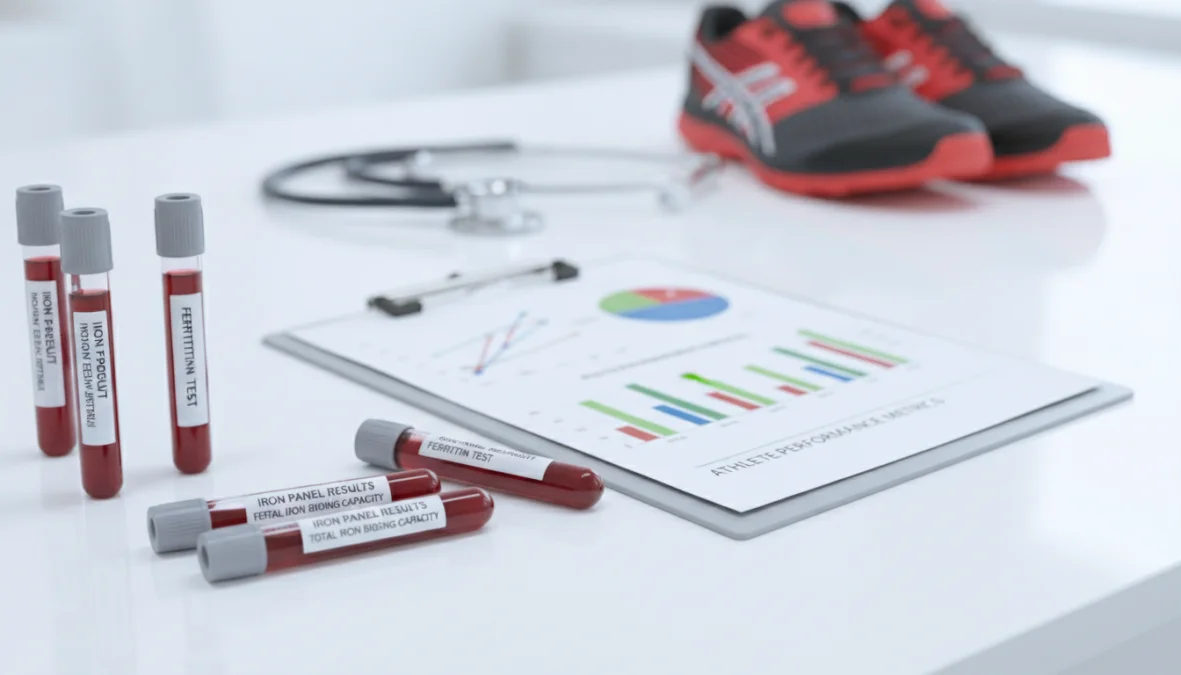
Knowing how to test for iron deficiency in athletes is essential because standard reference ranges don’t apply to you. A complete iron deficiency testing panel should include: serum ferritin (your iron storage marker), hemoglobin concentration (oxygen-carrying capacity), serum iron (circulating iron), transferrin saturation (percentage of iron-binding proteins that are saturated), and total iron-binding capacity (TIBC).
Here’s where it gets important: while the general population might be considered “normal” with ferritin above 15-20 ng/mL, athletes need significantly higher levels for optimal performance. Most sports medicine experts recommend maintaining ferritin above 30-40 ng/mL at minimum, with many endurance athletes performing best at 50-100 ng/mL. Transferrin saturation should be above 20%, and hemoglobin should be in the normal range (13-17 g/dL for men, 12-15 g/dL for women).
Timing matters for testing. Get your baseline during off-season when training stress is lower, then retest mid-season and after periods of high-volume training. If you’re training heavily or experiencing symptoms, check every 3-4 months. Always test in the morning, fasted, and avoid iron supplements for 24 hours prior for accurate results.
Treatment Protocols and Supplementation Strategies
Once you’ve confirmed low iron, the question becomes: when to take iron supplements for athletic performance? The answer depends on your numbers. For mild depletion (ferritin 20-35 ng/mL without anemia), dietary modifications plus moderate supplementation usually work. Severe depletion or frank anemia requires more aggressive intervention.
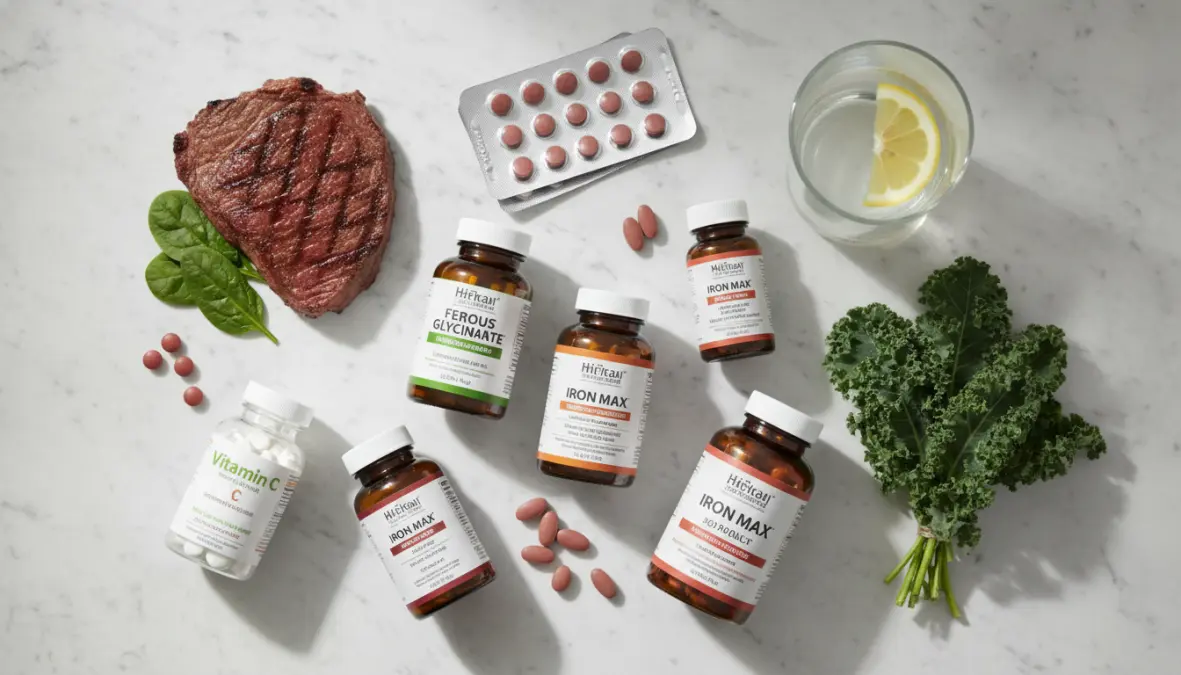
The best iron supplements for endurance athletes are typically those your gut can tolerate while still providing adequate absorption. Options include ferrous sulfate (cheap but harder on the stomach), ferrous bisglycinate (gentler, better absorbed), or heme iron from animal sources (absorbed 2-3 times better than non-heme forms). Standard dosing ranges from 100-200mg elemental iron daily for deficiency, though some protocols use alternate-day dosing to improve absorption.
Timing is crucial. Take iron supplements on an empty stomach with vitamin C (enhances absorption by up to 30%), and avoid calcium, coffee, tea, or dairy within 2 hours (they inhibit absorption). Most athletes see ferritin improvements within 6-8 weeks, but full repletion can take 3-6 months. How much iron do athletes need daily? Maintenance requirements are typically 18mg for women and 8mg for men from all sources, but during repletion you’ll need substantially more.
For severe cases or poor response to oral supplements, iron infusion for athletes with severe deficiency can restore levels rapidly—usually within days to weeks rather than months. This route is particularly useful during competition season when you can’t afford months of suboptimal training. Just like proper nutrition strategies such as Carb Cycling for Athletes, iron supplementation requires strategic timing and monitoring.
Dietary sources matter too. Heme iron from red meat, poultry, and fish is absorbed at 15-35% efficiency. Plant-based athletes relying on non-heme sources like legumes, fortified grains, and dark leafy greens face absorption rates of just 2-20%, making supplementation often necessary. If you’re following a plant-based approach, check out our Plant-Based Protein Sources for Athletes guide for comprehensive nutritional strategies.
Monitor your response by retesting ferritin and hemoglobin every 6-8 weeks during treatment. Once you’ve achieved optimal levels, many athletes continue with lower maintenance doses (especially during heavy training blocks) to prevent recurrence. Combine this with addressing nutritional deficiencies holistically—adequate protein, B12, folate, and copper all support healthy red blood cell production.
Iron deficiency doesn’t have to derail your training or racing goals. By staying vigilant about testing, recognizing early symptoms, and implementing strategic supplementation, you can maintain the iron status needed to perform at your best. Your performance deserves more than guesswork—get tested, treat appropriately, and watch your energy and race times return to where they should be.