Best Running Shoes for Different Foot Types: A Complete Guide to Finding Your Perfect Fit
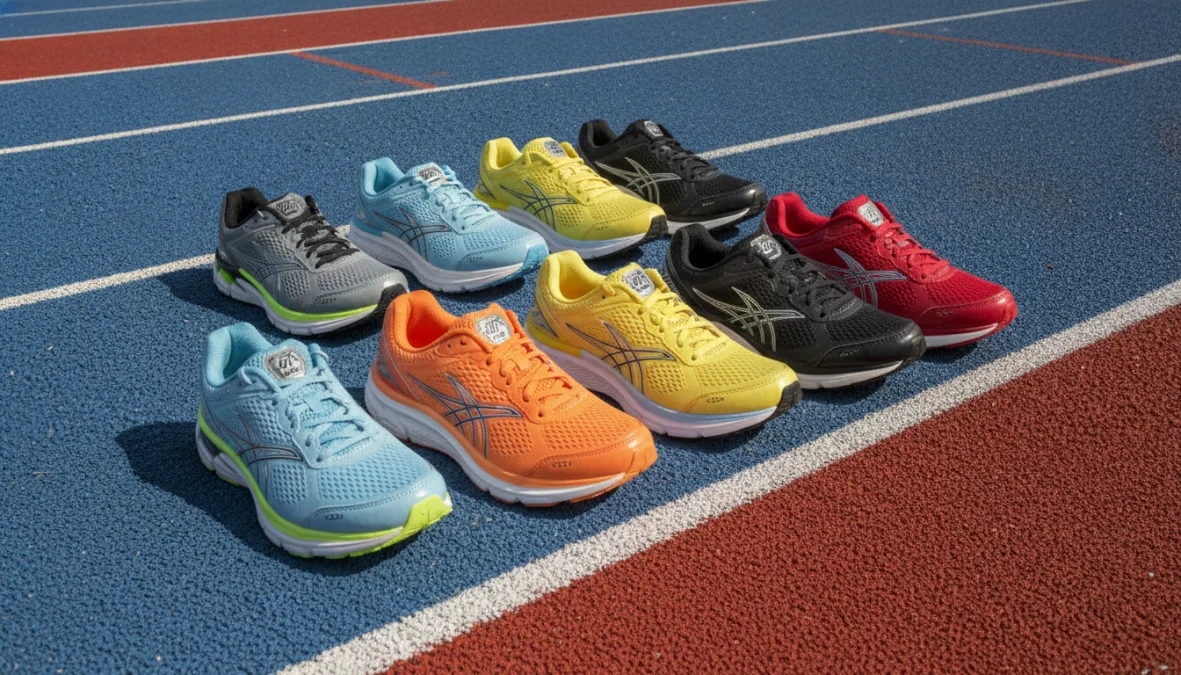
Ever wondered why your running shoes feel amazing on your friend but leave you wincing after mile three? The secret isn’t in the price tag or the brand hype—it’s all about matching the best running shoes foot type combination that works for your unique biomechanics. Your feet are as individual as your fingerprints, and running in the wrong shoes can turn your training runs into a recipe for injury. Let’s dive into how understanding your foot type and gait pattern can transform your running experience from frustrating to phenomenal.
Understanding Your Foot Type and Gait Pattern
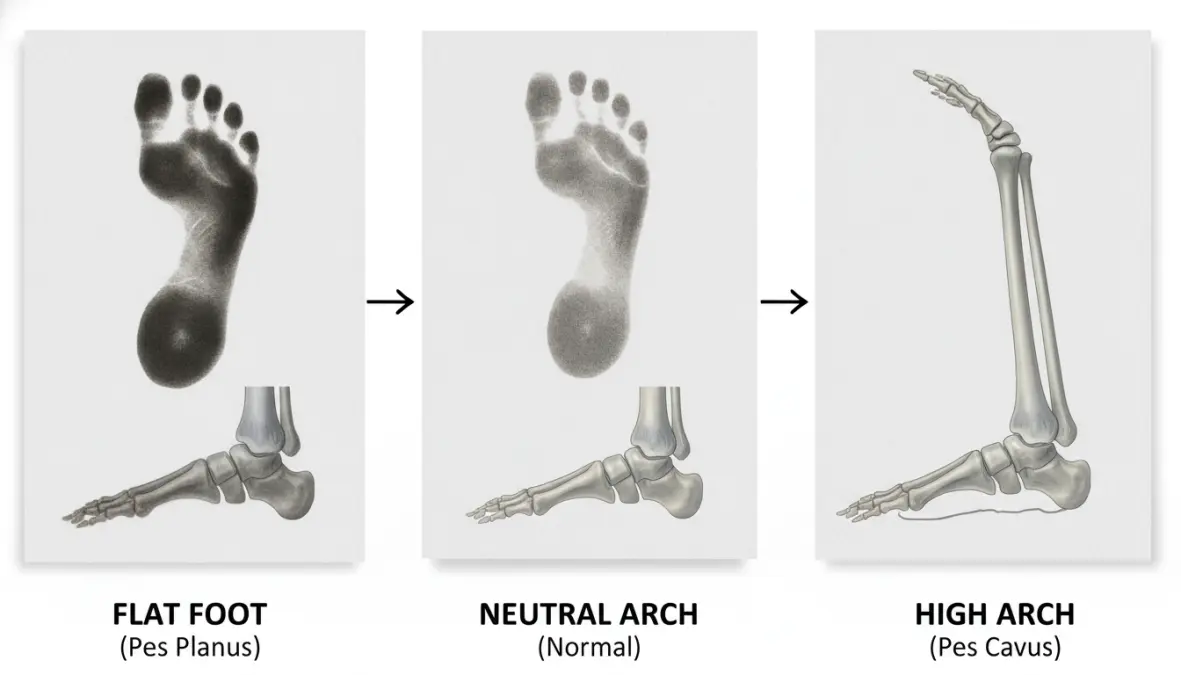
Before you drop serious cash on new running shoes, you need to know what you’re working with. Your foot type running guide starts with understanding three main arch types: flat feet (low arches), neutral arches, and high arches. Each affects how your foot distributes impact forces when you run.
Here’s a simple wet test you can do at home: wet your foot, step on a paper bag or dark pavement, and examine your footprint. A complete footprint with minimal inward curve means flat feet. A moderate curve on the inside edge indicates neutral arches. If you see mostly your heel and ball of your foot with a thin connection, you’ve got high arches.
Now let’s talk pronation—the natural inward roll of your foot after heel strike pattern. Neutral pronation provides optimal shock absorption. Overpronation means your foot rolls inward excessively, common with flat feet. Supination (underpronation) is when your foot doesn’t roll inward enough, typical with high arches affecting forefoot landing mechanics.
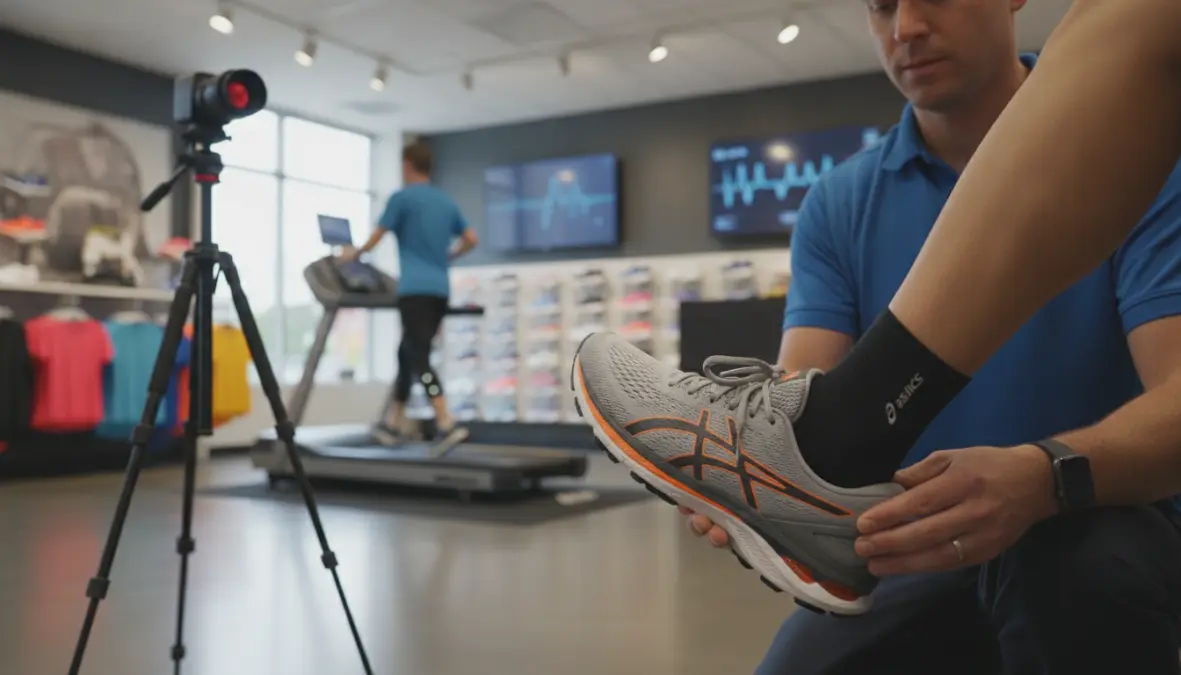
Want more accuracy? Professional gait analysis running shoes fitting at specialty running stores uses video analysis to examine your biomechanics in motion. Meanwhile, check your old running shoes for wear patterns: excessive wear on the inner edge signals overpronation, outer edge wear indicates supination, and even wear across the sole suggests neutral pronation. These visual cues are gold when selecting your next pair. Just like athletes optimize every aspect of their training—from tracking metrics with fitness trackers to prioritizing quality recovery—understanding your biomechanics creates a foundation for better performance.
Best Running Shoes by Foot Type and Gait
Now that you’ve identified your foot type and gait pattern, let’s match you with the best running shoes foot type recommendations. The right shoe category can make the difference between crushing your training goals and nursing preventable injuries.
Shoes for Flat Feet and Overpronation
If you’re searching for the best running shoes for flat feet and overpronation, you need stability or motion control features. Look for medial posts (that firmer section on the inner midsole) and pronation control technologies that guide your foot through a healthier gait cycle.
Top picks include the Brooks Adrenaline GTS ($130-140), beloved for its GuideRails support system that doesn’t feel intrusive. The ASICS Gel-Kayano ($160-170) offers maximum stability features with plush comfort for longer distances. For budget-conscious runners, the Saucony Guide ($120-130) delivers excellent arch support without breaking the bank. The New Balance 860 ($130-140) is perfect if you need running shoes for wide feet and flat arches, as it comes in multiple width options. All feature firmer midsoles on the medial side to counteract excessive inward roll while maintaining comfortable cushioning.
Shoes for High Arches and Supination
High-arched runners need running shoes for high arches and supination that prioritize shock absorption and flexibility. Your rigid foot structure requires maximum cushioning technology to compensate for reduced natural shock absorption. Avoid stability features and motion control shoes—they’ll make your underpronation worse.
The Nike Air Zoom Pegasus ($130) offers responsive cushioning with enough flexibility for efficient toe-off. The Hoka Clifton ($140) provides exceptional cushioning-to-weight ratio—perfect for high-mileage runners seeking the best cushioned shoes for high arches. The Brooks Ghost ($140) balances soft landings with smooth transitions, while the Saucony Triumph ($150) maxes out plushness for runners who need serious impact protection. All these neutral platforms let your foot move naturally without corrective elements.
Neutral Running Shoes for Normal Arches
Lucky you—normal arches with neutral pronation give you the widest selection. Neutral running shoes and neutral gait running shoes recommendations focus on balanced cushioning without stability interventions. You can choose based purely on feel, cushioning preference, and running style.
The Adidas Ultraboost ($180) delivers exceptional energy return with Boost foam technology. The New Balance Fresh Foam 1080 ($150) provides luxurious cushioning for easy days. The Mizuno Wave Rider ($125) offers a firmer, more responsive ride for tempo work. The ASICS Gel-Nimbus ($160) rounds out the category with reliable, plush comfort that’s been refined over decades. Choose based on your preferred cushioning level and intended use.
How to Choose the Right Running Shoe: Key Factors Beyond Foot Type
Understanding the best running shoes foot type match is crucial, but other factors deserve attention too. Always get professionally fitted at a specialty running store where staff can perform gait analysis running shoes assessment. Try shoes on in the afternoon when your feet are slightly swollen from daily activity—this mimics how they’ll feel during runs.
Consider your running surfaces. Trail runners need different traction and protection than road warriors. Your weekly mileage matters too—high-mileage runners benefit from rotating between two pairs to extend shoe life and vary stress patterns. Body weight influences cushioning needs; heavier runners typically need more substantial cushioning technology and durability.
Don’t skip the break-in period. Quality running shoes should feel comfortable immediately, but subtle adjustments in foam compression happen over the first 20-30 miles. Replace your shoes every 300-500 miles depending on your weight, running style, and surfaces. Even if they look fine, compressed midsole foam loses shock absorption properties, increasing injury risk.
Here’s an insider tip most guides skip: buy new shoes before your current pair is completely dead. Rotate them for a few runs to identify any fit issues while you can still return them. Your body will thank you for the gradual transition rather than the shock of completely new biomechanics.
FAQ
How do I know my foot type? Perform the wet test at home or visit a specialty running store for professional gait analysis. Check wear patterns on old shoes for additional clues about your pronation pattern.
Can I run in neutral shoes with flat feet? Not recommended if you overpronate. Without proper stability features, you risk plantar fasciitis, shin splints, and knee issues. Stability or motion control shoes provide necessary support.
How often should I replace running shoes? Every 300-500 miles, though heavier runners or those on rough surfaces may need replacement sooner. Track mileage and watch for decreased cushioning or unusual aches.
What’s the difference between stability and motion control shoes? Stability shoes have moderate support features like medial posts for mild-to-moderate overpronation. Motion control shoes offer maximum rigidity and support for severe overpronation or heavier runners.
Should I get a gait analysis? Absolutely, especially if you’re new to running, switching from casual to serious training, or experiencing recurring injuries. Professional analysis removes guesswork from shoe selection.
Do expensive shoes make a difference? Not always. Fit and appropriate support matter more than price. That said, premium shoes often feature better cushioning technology and durability that justify the investment for high-mileage runners.
Finding the perfect running shoe isn’t about chasing the latest technology or celebrity endorsements—it’s about honest assessment of your unique biomechanics and matching them with appropriate features. Take the time to understand your foot type, get professionally analyzed if possible, and don’t be afraid to invest in the right pair. Your knees, shins, and feet will reward you with miles of comfortable, injury-free running. Now lace up those perfect-fit shoes and hit the road with confidence!