Open Water Swimming for Triathletes: Essential Technique and Safety Guide
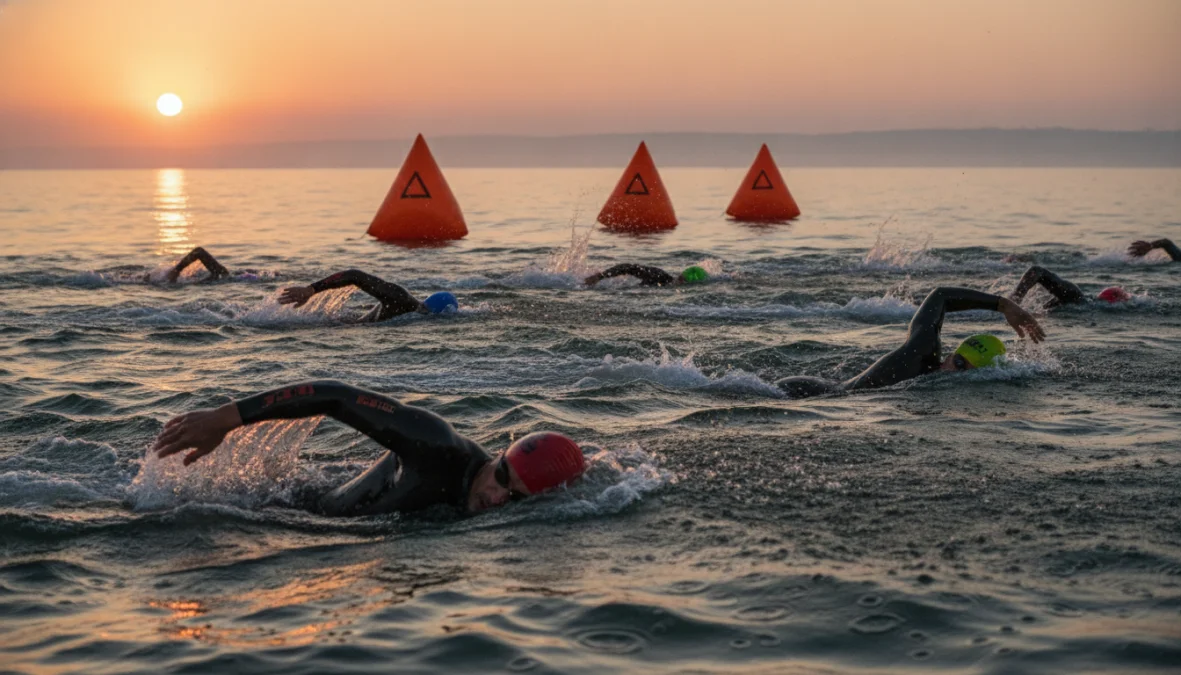
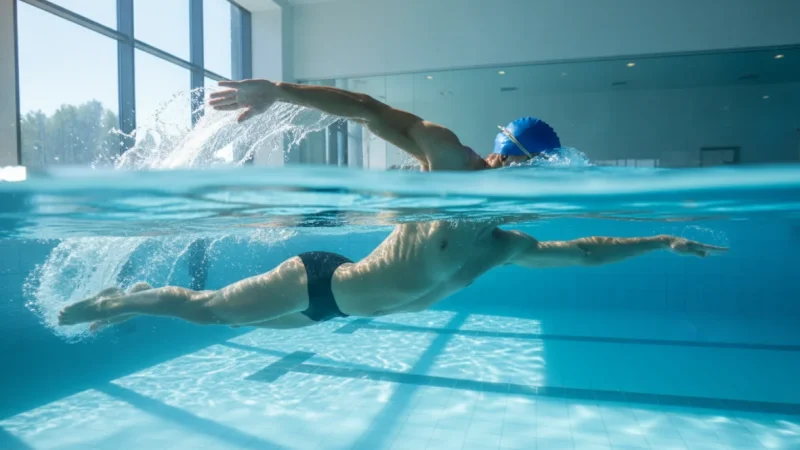
Picture this: you’ve crushed countless pool sessions, your flip turns are flawless, and you can hold a solid pace for miles. Then race day arrives, and suddenly you’re facing choppy waves, a mass of thrashing arms, and zero black lines to follow. Welcome to open water swimming for triathletes – a completely different beast that requires its own set of skills, techniques, and mental preparation. Whether you’re transitioning from pool to open water triathlon or looking to refine your race-day performance, mastering these essential techniques and safety protocols will transform your swim leg from survival mode into a competitive advantage.
Essential Open Water Swim Techniques for Triathletes
The jump from pool to triathlon open water swimming can feel intimidating, but understanding the fundamental differences will accelerate your adaptation. Unlike the controlled environment of a pool, open water swimming challenges you with limited visibility, no wall breaks, unpredictable currents, and the need for constant navigation. Your open water swim techniques must account for these variables while maintaining efficiency and conserving energy for the bike and run ahead.
Body position in open water differs slightly from pool swimming due to environmental factors. Waves and chop often require a slightly higher head position and more assertive catch to power through resistance. Your kick might need to be more deliberate to maintain stability, especially in rough conditions. Pacing strategies become crucial – starting too aggressively in the excitement of a mass start can leave you gasping for air within the first 200 meters. Practice negative splitting your swims, starting controlled and building into your rhythm as your body settles.
Bilateral breathing isn’t just a pool drill – it’s essential for open water success. Being comfortable breathing on both sides allows you to adapt to sun glare, check competitors’ positions, and adjust to waves coming from different directions. It also helps you swim straighter by preventing the tendency to veer toward your breathing side. Combine this with efficient drafting strategy to save significant energy. Swimming directly behind another athlete’s feet can reduce effort by up to 20%, while positioning slightly to the side (hip drafting) provides similar benefits with better visibility.
Sighting and Navigation Skills
Mastering sighting techniques separates efficient open water swimmers from those who zigzag their way through the course. The key is integrating sighting into your stroke without breaking rhythm or creating excessive drag. As your lead hand enters the water, lift your eyes just enough to spot your landmark – you don’t need to lift your entire head like a turtle. Most triathletes should sight every 6-10 strokes in calm conditions, increasing frequency in choppy water or near turn buoys.
Effective open water navigation swimming requires choosing the right landmarks. Don’t fixate solely on buoys – they disappear in wave troughs. Instead, identify tall, stationary objects on the horizon: buildings, trees, or towers that won’t move with your perspective. Practice swim course navigation by noting multiple reference points, allowing you to adjust if conditions change or you lose sight of one marker.
Wetsuit Swimming Technique Adjustments
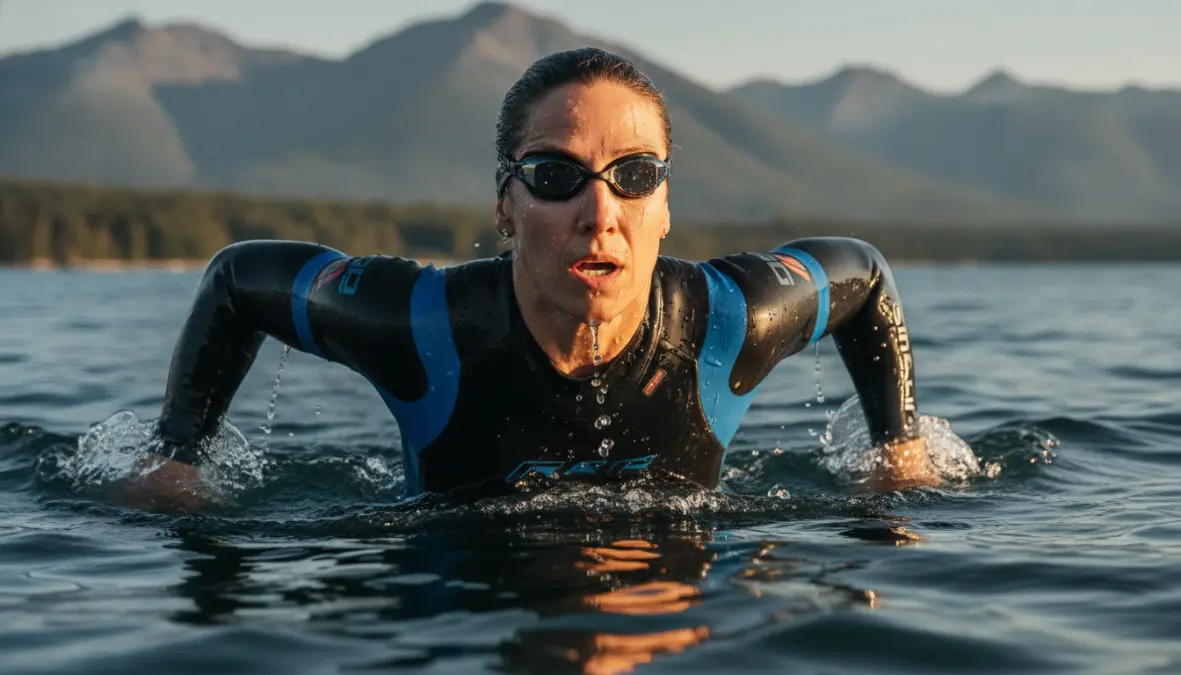
Your first experience with wetsuit swimming technique might feel restrictive, but understanding wetsuit buoyancy helps you optimize your stroke. Wetsuits elevate your hips and legs, improving body position and reducing the need for an aggressive kick. This means you can employ a two-beat kick and conserve leg energy for the bike and run.
The neoprene around your shoulders restricts range of motion, requiring slight stroke modifications. Shorten your recovery slightly and focus on a higher elbow position. Your catch and pull remain powerful, but the shortened recovery prevents shoulder strain. Breathing may feel different initially due to the snug neck seal – practice in your wetsuit before race day to acclimate. Finally, master the quick-release technique: unzip halfway down your back before exiting the water, pull arms out while running to transition, then peel to your waist for maximum efficiency.
Triathlon Swimming Safety and Training Preparation
Safety in triathlon swimming isn’t negotiable – it’s the foundation of smart training and successful racing. The golden rule for open water training triathletes is simple: never swim alone. Even experienced swimmers can encounter unexpected situations like cramps, disorientation, or sudden weather changes. Training with a buddy or group provides immediate assistance and makes sessions more enjoyable.
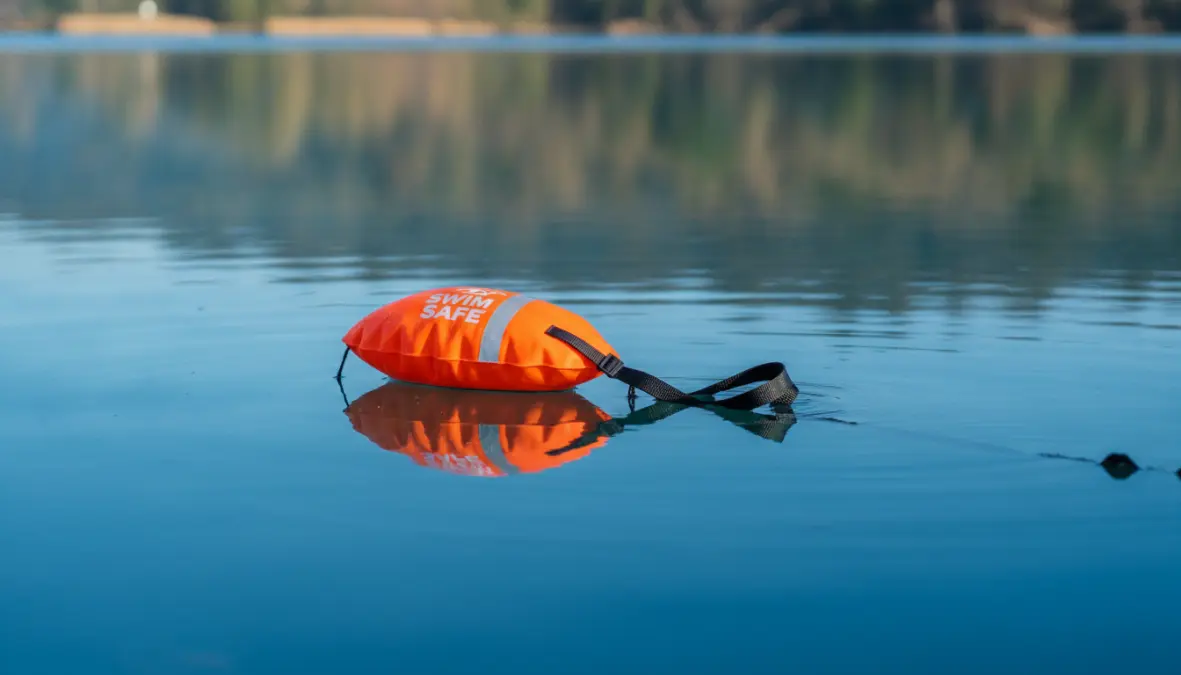
A swim buoy triathlon training tool serves dual purposes: visibility and safety. These brightly colored inflatable devices trail behind you, making you visible to boats while providing flotation if you need to rest or signal for help. They’re invaluable during solo training sessions (though never a substitute for a swim buddy) and help build confidence in nervous swimmers. Many triathletes use them throughout their entire training progression.
Cold water acclimatization prevents shock and improves performance in cooler races. Start with shorter exposures in water above 65°F (18°C), gradually increasing duration as your body adapts. Never jump into cold water without acclimation – enter slowly, control your breathing, and allow your body to adjust. Understanding water temperature regulations (wetsuits are often mandatory below 68°F/20°C) helps you plan appropriate gear for race conditions, addressing the common question of what to wear for open water triathlon swimming.
Recognize environmental hazards before entering the water. Check for boat traffic patterns, understand local marine life, and monitor weather forecasts. During races, attend safety briefings thoroughly – they cover specific course hazards, emergency protocols, and important signals. Know the universal distress signal: raising one arm straight overhead while treading water. If panic strikes during a race, flip to your back, control breathing, and use a gentle backstroke or breaststroke until you regain composure. There’s no shame in slowing down – DNF means “Did Not Finish,” not “Did Not Try.”
Mental preparation is equally crucial. The chaos of a swim start mass – dozens or hundreds of bodies thrashing simultaneously – can trigger anxiety even in confident swimmers. Visualization techniques and controlled exposure to crowded conditions during training help desensitize this response. For more comprehensive mental strategies, check out our guide on mental training for athletes.
Building Your Open Water Training Program
Wondering how to improve open water swimming for triathlon? A progressive training approach is essential when transitioning from pool to open water. Start with shallow, calm venues where you can stand if needed, building confidence before tackling more challenging conditions. Your first sessions should be short – 10-15 minutes – focusing on comfort and basic sighting rather than distance or speed.
Frequency matters for adaptation. Aim for at least one open water session weekly during race season, maintaining pool training for technique work and intervals. As race day approaches, increase open water frequency to 2-3 times weekly if conditions allow. Simulate race conditions by practicing mass start scenarios with your training group – line up together and start simultaneously, experiencing the contact and chaos in a controlled environment.
These open water swimming tips for beginner triathletes accelerate learning: swim parallel to shore initially for safety, practice in various conditions (calm and choppy), and gradually extend distances. Train with swimmers slightly faster than you to improve pacing and drafting skills. Remember that proper preparation extends beyond the water – just as you’d optimize your setup with our bike fitting guide, invest time in perfecting your swim preparation. If you’re just starting your triathlon journey, our complete beginner’s guide provides a comprehensive roadmap.
FAQ: Open Water Swimming for Triathletes
How do I overcome anxiety in open water swimming?
Anxiety is common and manageable. Start in shallow water where you can stand, practice controlled breathing exercises, and gradually increase exposure. Use positive visualization before sessions, and consider training with a swim buoy triathlon device for added security. Progressive exposure – not forcing yourself into panic-inducing situations – builds genuine confidence over time.
What should I wear for triathlon open water swimming?
This depends on water temperature. Below 68°F (20°C), wetsuits are usually mandatory and provide warmth plus buoyancy. Between 68-78°F (20-25°C), wetsuits are optional but advantageous for most age-groupers. Above 78°F (25°C), wetsuits may be prohibited – wear your tri suit or jammers/swimsuit. Always check race regulations beforehand.
Do I need a swim buoy for triathlon training?
While not mandatory, a swim buoy significantly enhances safety during training. It makes you visible to boaters, provides rest opportunities without touching bottom, and builds confidence for anxious swimmers. Most experienced triathletes consider them essential training equipment, especially for solo sessions.
How is swimming in a wetsuit different?
Wetsuit swimming technique differs due to increased buoyancy and restricted shoulder mobility. You’ll float higher (requiring less kick), but need to adjust your recovery phase for the shoulder restriction. The snug fit affects breathing initially, so practice several times before racing. The performance benefits – warmth, buoyancy, and speed – far outweigh the adaptation period.
When should triathletes start open water training?
Ideally, begin open water sessions 8-12 weeks before your race. This provides adequate time for technical adaptation, confidence building, and race-specific conditioning. If you’re racing in colder months or locations, start earlier to allow for cold water acclimatization. Maintain pool training year-round for technique and fitness, adding open water as conditions and race schedules dictate.
Mastering open water swimming transforms it from the most dreaded triathlon leg into a competitive advantage. By implementing these techniques, prioritizing safety, and following a progressive training program, you’ll approach race day with confidence and competence. Remember that proper recovery supports all your training efforts – explore our recovery nutrition guide to optimize adaptation. The water may be unpredictable, but your preparation doesn’t have to be. Now get out there and make some waves!