Running Recovery Techniques: From Ice Baths to Compression Gear
You’ve just crushed a tough 10-mile run, and your legs feel like they’ve been through a war zone. What you do in the next few hours—and days—can make the difference between bouncing back stronger or dragging yourself through your next workout. Running recovery techniques aren’t just fancy extras for elite athletes; they’re essential tools that help your body adapt, repair, and get ready for the next challenge. From dunking yourself in ice-cold water to squeezing into compression gear, the recovery game has evolved dramatically. But which methods actually work, and which are just hype? Let’s dive into the science and practical strategies that’ll transform your post-run routine.
Why Post Run Recovery Matters More Than You Think
Every time you lace up your running shoes and hit the pavement, you’re essentially creating controlled damage to your muscle fibers. This microscopic trauma is actually a good thing—it’s what triggers your body to rebuild stronger. But here’s the catch: the magic doesn’t happen during the run itself; it happens during post run recovery.
When you run, especially at higher intensities, your muscles accumulate metabolic waste products, develop micro-tears, and deplete energy stores. Your body responds with inflammation—a natural healing process that, while necessary, can also lead to delayed onset muscle soreness (DOMS) that peaks around 24-48 hours after exercise. Without proper recovery strategies, this inflammation can become excessive, prolonging soreness and increasing injury risk.
Understanding muscle recovery methods requires knowing the difference between passive and active approaches. Passive recovery involves complete rest, allowing your body to heal without additional stress. Active recovery, on the other hand, uses low-intensity movement to promote blood flow and speed up the healing process. Both have their place in a comprehensive recovery protocol, and smart runners know when to deploy each strategy. The goal isn’t just to feel better faster—it’s to optimize your body’s adaptation to training, prevent overuse injuries, and ultimately improve your performance over time.
Evidence-Based Recovery Techniques for Runners
The world of recovery tools for athletes has exploded in recent years, but not all techniques are created equal. Let’s break down the most popular and scientifically-supported running recovery techniques that actually deliver results.
Cold Therapy: Ice Baths and Contrast Water Therapy
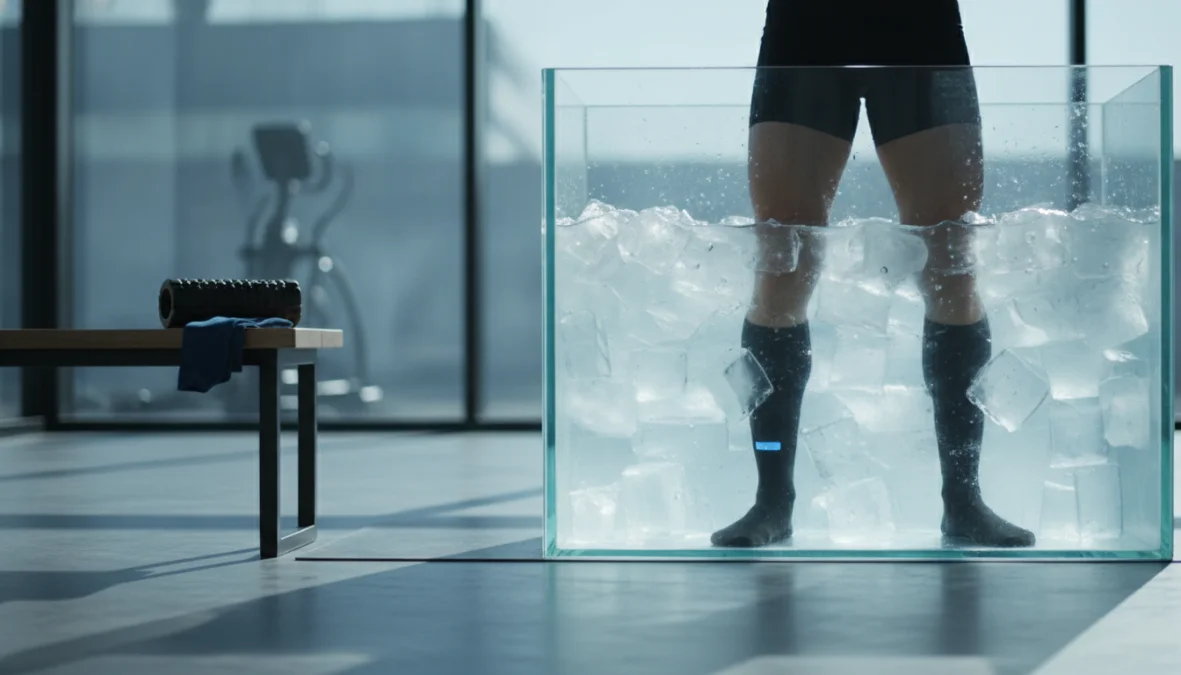
Few recovery methods generate as much debate as ice baths for runners. The theory behind cold water immersion is straightforward: exposing your body to cold temperatures causes vasoconstriction (narrowing of blood vessels), which helps reduce inflammation and flush out metabolic waste. When you warm up again, fresh blood rushes back in, delivering oxygen and nutrients to damaged tissues.
So, how long should runners ice bath? Research suggests 10-15 minutes in water between 50-59°F (10-15°C) is optimal. Go longer or colder, and you risk excessive stress on your cardiovascular system without additional benefits. The benefits of ice baths after long runs are most pronounced—studies show they can reduce perceived muscle soreness and improve recovery between intense training sessions.
But here’s where it gets interesting: some research suggests that excessive cold therapy might actually blunt the adaptive response your muscles need for long-term gains. If you’re in a base-building phase and not racing soon, you might want to moderate your ice bath use. For those wondering about ice bath vs cold shower for recovery, cold showers offer a milder version of the same benefits without the logistical hassle—they’re less effective for inflammation reduction but still better than nothing.
Contrast water therapy alternates between hot and cold water (typically 3 minutes hot, 1 minute cold, repeated 3-4 times). This creates a pumping action in your blood vessels that may enhance lactate clearance and circulation improvement, though the evidence is mixed compared to cold water alone.

Compression Gear and Mechanical Recovery Tools
Walk into any running expo, and you’ll see compression gear everywhere. But do those tight socks and sleeves actually work? The science says yes—with some caveats. Compression gear benefits stem from graduated compression, which applies more pressure at the extremities and gradually decreases toward the heart. This mechanical pressure helps push blood back up from your legs, improving circulation and reducing swelling.
When considering when to use compression socks after running, timing matters. Wearing them immediately post-run and for several hours afterward (or even overnight) appears most beneficial for reducing muscle damage markers and perceived soreness. The best compression gear for running recovery includes properly fitted graduated compression socks (15-20 mmHg for general recovery, 20-30 mmHg for more aggressive support) or full-leg tights. Many runners swear by compression for long flights or between race stages in multi-day events.
As for whether compression tights help muscle recovery, studies show modest but real benefits, particularly for reducing DOMS and improving subsequent performance. Don’t expect miracles, but they’re a legitimate tool in your recovery arsenal.
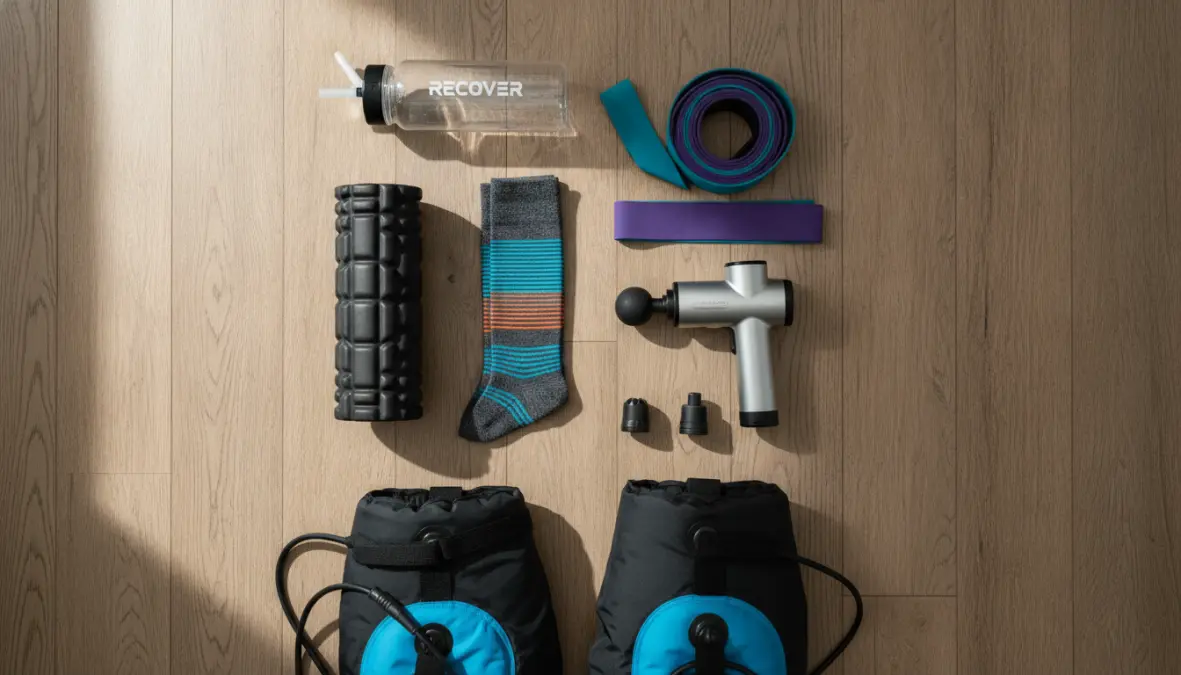
Foam rolling benefits are well-documented for improving range of motion and reducing muscle tension. This self-myofascial release technique works by applying pressure to tight spots, potentially breaking up adhesions and increasing blood flow to the area. Focus on major muscle groups like calves, quads, hamstrings, IT bands, and glutes, spending 30-60 seconds on each area. For a deeper dive into proper techniques, check out our comprehensive Foam Rolling Guide.
Other mechanical recovery tools for athletes include massage guns (which use percussive therapy to reduce muscle tension), recovery boots (pneumatic compression devices that sequentially squeeze your legs), and good old-fashioned sports massage. All can enhance blood flow and reduce subjective soreness, though their effects on actual muscle repair at the cellular level remain debatable.
Building Your Personalized Recovery Routine
Here’s the truth: there’s no one-size-fits-all approach to recovery. The most effective running recovery techniques depend on your training intensity, race schedule, injury history, and individual response. That said, you can build a smart framework that adapts to your needs.
For how to speed up running recovery time, start with your immediate post-run window (0-30 minutes). This should include light walking or jogging to gradually bring your heart rate down, gentle stretching, and hydration. If you’ve done an intense workout or long run, this is when you might incorporate a quick foam rolling session or slip into compression gear. Don’t forget the importance of Recovery Nutrition—getting protein and carbs in within this window supports muscle repair and glycogen replenishment. For optimal timing, our guide on Protein Timing for Muscle Recovery cuts through the myths.
Within 2-4 hours post-run is ideal for cold therapy if you’re using it. Save the ice bath for after particularly grueling sessions—your hardest interval workouts, tempo runs, or long runs over 90 minutes. For everyday runs, you can skip it without guilt.
Active recovery techniques shine on your rest days. Instead of complete inactivity, incorporate easy movement like a 20-30 minute recovery jog at conversational pace, swimming, cycling, or yoga. These activities promote blood flow without adding significant training stress. Our article on Active Recovery Workouts offers specific routines that actually boost your fitness.
Never underestimate the foundational recovery pillars: quality sleep (7-9 hours for most runners) and proper nutrition. These trump any fancy gadget or technique. Incorporating anti-inflammatory foods can also support your body’s natural healing processes.
Your personal recovery protocol might look like this: compression socks immediately after hard runs, foam rolling 3-4 times weekly, ice baths after your longest runs or hardest workouts, active recovery on easy days, and prioritizing sleep every single night. Experiment, track how you feel, and adjust accordingly.
Recovery isn’t sexy, but it’s where champions are made. The runners who consistently outperform aren’t necessarily those who train the hardest—they’re the ones who recover the smartest. By strategically incorporating these evidence-based techniques into your routine, you’re not just reducing soreness; you’re setting yourself up for sustained progress and longevity in the sport. Now stop reading and go take that ice bath you’ve been putting off.