
Indoor Cycling Apps Compared: Zwift, TrainerRoad, and Best Alternatives
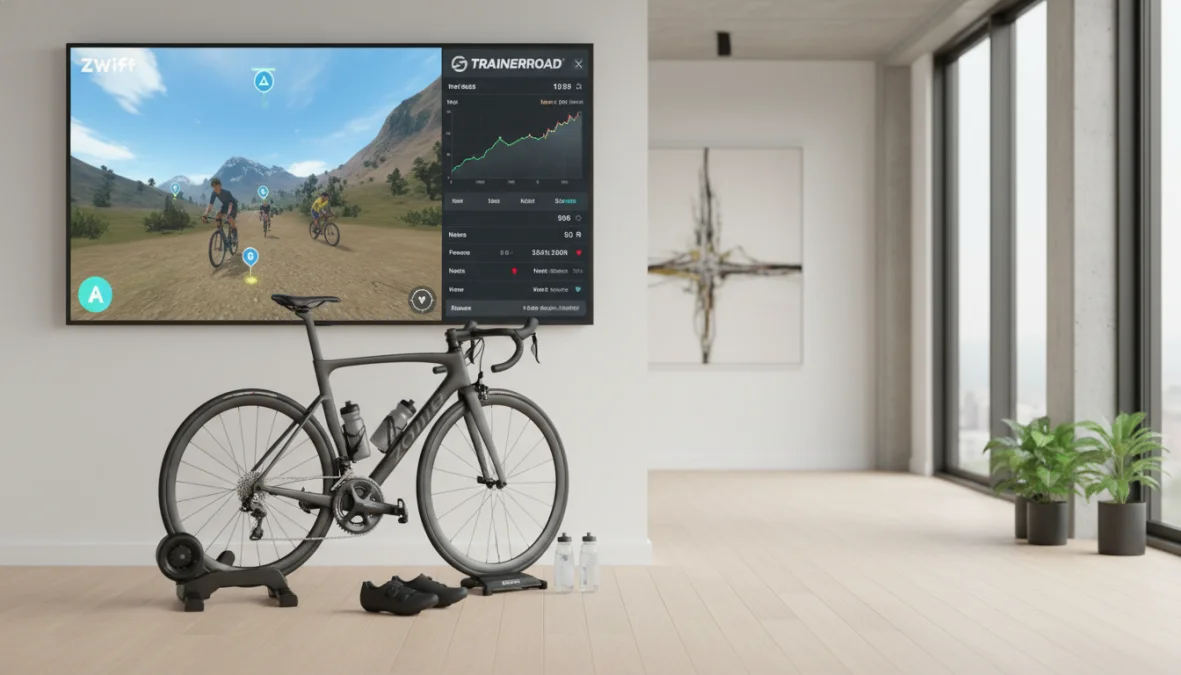
Staring at your smart trainer gathering dust in the corner? You’re not alone. The biggest challenge of indoor cycling isn’t the physical effort—it’s the mental battle against boredom. That’s where indoor cycling apps come in, transforming your pain cave into an engaging training environment. But with dozens of platforms competing for your subscription dollars, which one deserves a spot on your device? Let’s dive into this indoor cycling apps comparison to help you make the right choice.
Understanding Indoor Cycling Apps: What They Offer and Who They’re For
Before we jump into the head-to-head comparisons, let’s establish what indoor cycling software actually does. At their core, these smart trainer apps connect to your equipment via Bluetooth or ANT+ to control resistance and track your performance metrics—think power output, cadence, heart rate, and speed.
But here’s where it gets interesting: virtual cycling platforms fall into three main categories. First, you’ve got the gamification crowd (Zwift being the poster child), which drops you into virtual worlds where you can race avatars and unlock digital jerseys. Then there are the structured training purists like TrainerRoad, which strip away the fancy graphics in favor of focused interval training and FTP training protocols. Finally, hybrid platforms try to marry both approaches.
These apps typically track essential cycling metrics including watts, TSS (Training Stress Score), normalized power, and variability index. Most offer power meter compatibility, though you can use them with basic smart trainers too. The key question: are you training for specific performance goals, or do you need entertainment to stay motivated? Your answer will guide your choice. Beginners often wonder which indoor cycling app is best for beginners—generally, platforms with gamification elements and social features make those first painful months more bearable.
Head-to-Head Comparison: Zwift vs TrainerRoad vs Top Alternatives
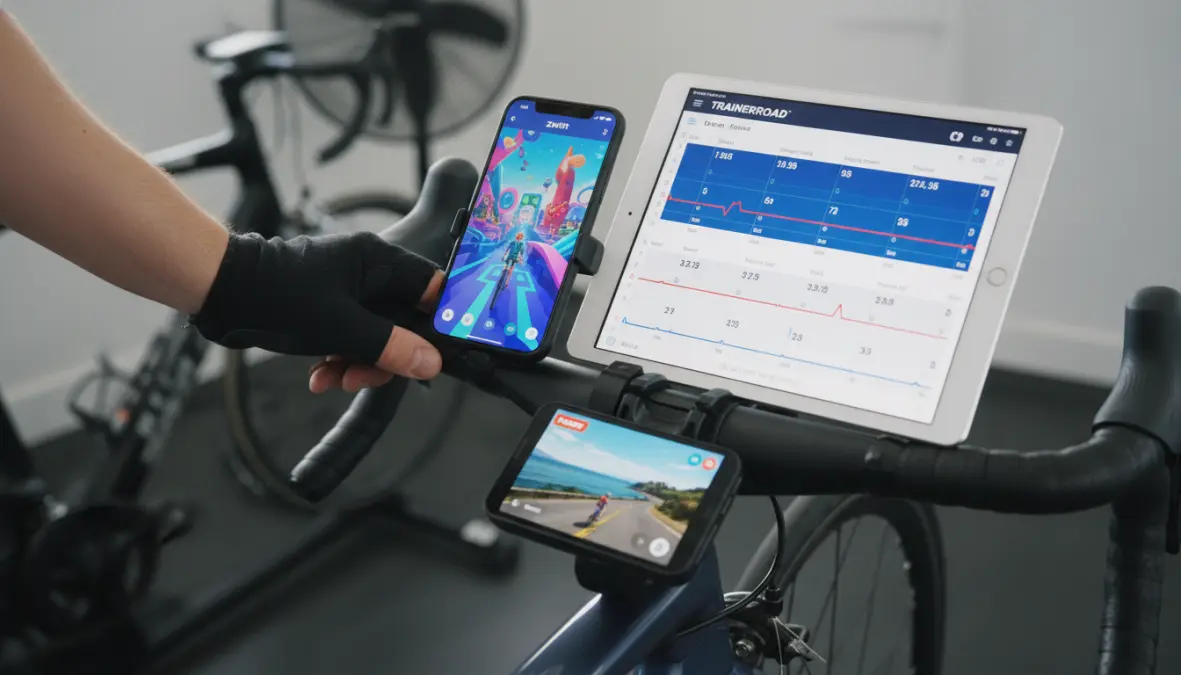
Now for the main event. This cycling training apps comparison examines the heavyweights and some compelling underdogs. When researching zwift vs trainerroad, you’ll quickly realize they’re solving different problems—but that’s exactly why we need to dig deeper.
| App | Monthly Cost | Focus | Graphics | Community | Training Plans |
|---|---|---|---|---|---|
| Zwift | $14.99 | Social/Racing | 3D Virtual Worlds | Excellent | Basic |
| TrainerRoad | $19.95 | Structured Training | None (data only) | Minimal | Excellent |
| Rouvy | $12.00 | Augmented Reality | Real-world Routes | Moderate | Moderate |
| Wahoo SYSTM | $14.99 | Multi-sport Training | Video-based | Good | Excellent |
| FulGaz | $12.99 | Realistic Routes | Video | Low | Minimal |
Zwift: Best for Social and Gamified Training
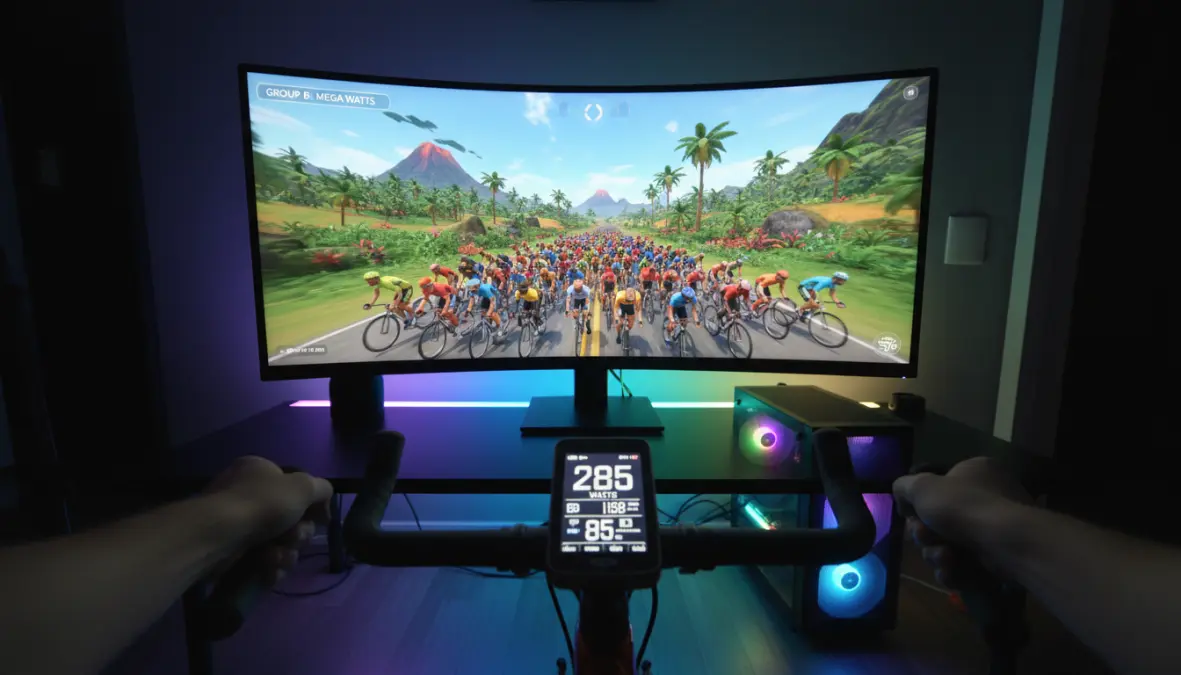
Zwift pioneered the multiplayer cycling experience, and it remains the king of virtual racing. You ride through fantasy worlds (Watopia) and real-location routes (London, NYC), collecting virtual currency to customize your avatar and bike. The platform hosts thousands of organized events weekly—from casual group rides to brutal race simulations.
The magic lies in seeing other riders around you. That random avatar you’re chasing? They’re a real person suffering just like you, which creates surprising motivation. Zwift’s structured workout plans have improved, but they’re still secondary to the entertainment factor. If you’re wondering about the most realistic virtual cycling app, Zwift isn’t it—the graphics are stylized rather than photorealistic—but the social energy is unmatched.
The downside? At $14.99 monthly, it’s pricey for what some consider a game. The training plans lack the sophistication of dedicated coaching platforms. And if you’re not into the social scene, you’re paying for features you won’t use. Zwift shines as the best indoor cycling app for winter training when motivation tanks and you need digital companionship.
TrainerRoad: Best for Structured Training Plans
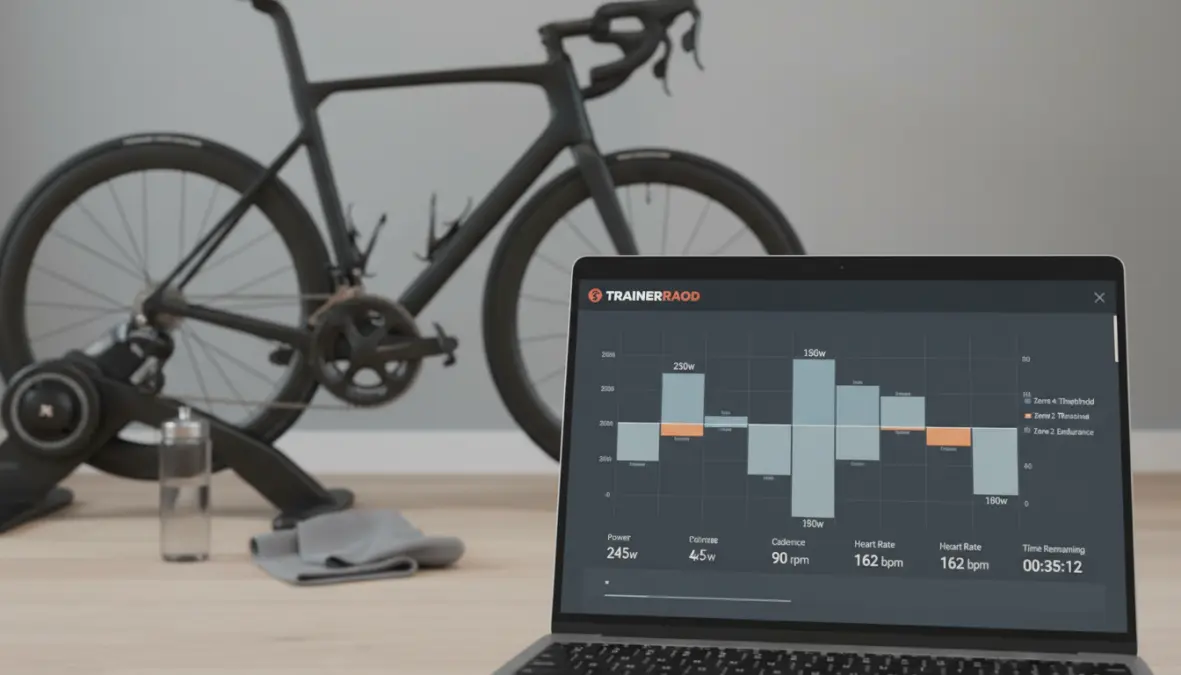
If Zwift is the party, TrainerRoad is the stern coach with a clipboard. This platform strips away all visual distractions, presenting just your workout data and a power curve you need to follow. It’s pure FTP training focused on making you faster, period.
TrainerRoad’s adaptive training plans are legitimately impressive, using machine learning to adjust your workouts based on performance. Complete a threshold session easily? Tomorrow’s interval gets harder. Fail repeatedly? The system backs off. This makes it the best app for smart trainer workouts if you’re goal-oriented. The accompanying podcast and resources show serious commitment to education.
So when does zwift vs trainerroad which is better favor TrainerRoad? When you’re training for events and need systematic improvement. When you can self-motivate without visual stimulation. When you want to pair it with outdoor rides (many athletes use TrainerRoad for structured work and Zwift for recovery spins). The interface won’t win design awards, but serious cyclists appreciate how it gets out of the way. Consider combining it with guidance from our spring cycling training guide for optimal seasonal planning.
Among zwift alternatives, Wahoo SYSTM deserves mention for its comprehensive approach including mental training videos and strength workouts. Rouvy offers augmented reality routes filmed on real roads worldwide—perfect if you want realism without gamification. FulGaz similarly uses actual route videos but lacks training structure. For those searching for the cheapest indoor cycling app subscription, Rouvy at $12 monthly offers solid value.
Choosing the Right Indoor Cycling App for Your Needs
Here’s the practical decision matrix. If you’re a beginner who dreads indoor training, start with Zwift’s seven-day trial. The social features and gamification will help establish the habit. Most platforms are indoor cycling apps compatible with peloton bike if you have a compatible sensor, though check specifications carefully.
For competitive cyclists with specific performance goals—completing a century, racing, or achieving a target FTP—TrainerRoad or SYSTM provide superior indoor cycling apps for structured training. The lack of eye candy is a feature, not a bug, keeping you focused on watts rather than virtual scenery.
Budget-conscious riders should know that most best indoor cycling apps offer free trials. Test multiple platforms before committing. Many cyclists maintain two subscriptions: structured training on weekdays (TrainerRoad) and social riding on weekends (Zwift). Your smart trainer can switch between apps seamlessly.
Consider your available time too. Zwift group rides often run 60-90 minutes. TrainerRoad workouts can be as short as 30 minutes while delivering meaningful training stimulus. If you’re juggling family and work, efficiency matters. Check out our guide on cadence training to maximize your limited indoor time.
Final checklist: Do you need entertainment or pure training? What’s your monthly budget? Will you use group features? Do you want video routes or virtual worlds? Do you need integrated training plans? Answer these honestly, and the right platform becomes obvious. And when spring arrives, our transition guide will help you take that indoor fitness outside.
FAQ: Indoor Cycling Apps Comparison
Is Zwift worth it compared to TrainerRoad?
It depends on your priorities. Zwift excels at motivation through social features and makes indoor cycling fun, but TrainerRoad delivers superior structured training for performance gains. Many serious cyclists use both strategically—TrainerRoad for focused workouts, Zwift for recovery rides and entertainment.
What’s the cheapest indoor cycling app?
Rouvy offers the most features at $12 monthly, while several platforms like Kinomap offer budget tiers around $10. However, free apps like Zwift Companion (limited features) or using YouTube workout videos with your smart trainer cost nothing beyond equipment.
Can I use multiple apps with my smart trainer?
Absolutely. Smart trainers connect to apps via Bluetooth or ANT+, so you can switch between platforms. Many cyclists subscribe to multiple services. Just ensure only one app controls your trainer at a time to avoid resistance conflicts.
Do I need a smart trainer for these apps?
For full functionality, yes. Smart trainers automatically adjust resistance based on virtual terrain or workout protocols. However, most apps work with basic trainers plus separate power meters, though you’ll lose automatic resistance control.
Which app has the best training plans?
TrainerRoad leads for pure cycling training with adaptive plans based on your fitness level and goals. Wahoo SYSTM offers excellent multi-sport plans including strength and mental training. Zwift’s plans work but lack the sophistication of dedicated coaching platforms.
The indoor cycling revolution isn’t about replacing outdoor rides—it’s about making the inevitable indoor sessions productive and bearable. Whether you chase virtual KOMs on Zwift or grind through TrainerRoad’s Sweet Spot workouts, the best app is the one you’ll actually use consistently. Now stop researching and start pedaling.