
Gut Health for Athletes: How Digestive Optimization Unlocks Peak Performance

Ever wondered why some athletes seem to bounce back faster, fight off colds like champions, and maintain consistent energy levels while others struggle despite similar training? The answer might be hiding in your gut. Your digestive system isn’t just about processing food—it’s a performance powerhouse that directly impacts everything from nutrient absorption to recovery speed. Understanding gut health athletes need for peak performance could be the game-changer you’ve been looking for.
Why Gut Health Matters for Athletic Performance
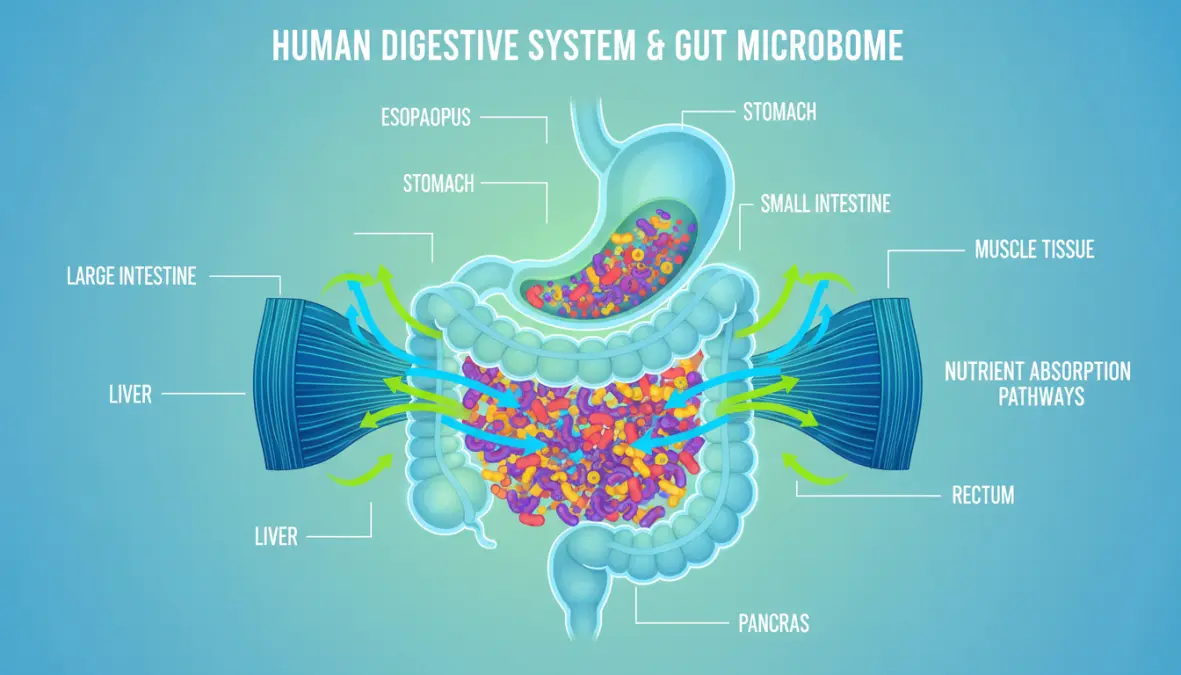
The connection between gut health athletes maintain and their performance goes way deeper than avoiding an inconvenient bathroom break mid-race. Your gut microbiome performance relationship is fundamental to how your body functions under stress. Research shows that roughly 70% of your immune system lives in your gut, making athlete digestive health a critical factor in staying healthy during intense training blocks.
Here’s where it gets interesting: studies have found that athletes with diverse, healthy gut microbiomes show improved VO2 max and faster recovery times. The gut-muscle axis—yes, that’s a real thing—describes how bacterial metabolites produced in your intestines influence muscle strength, endurance, and even power output. These tiny organisms produce short-chain fatty acids (SCFAs) that reduce inflammatory response, support immune system function, and optimize energy metabolism. When your gut is thriving, nutrient absorption improves dramatically, meaning you actually get more from the food you’re eating.
Elite endurance athletes have been shown to harbor specific bacterial strains associated with enhanced performance. One study identified Veillonella bacteria in marathon runners that metabolize lactate—essentially turning a fatigue-inducing byproduct into an energy source. Pretty cool, right?
Common Digestive Issues Athletes Face and Their Impact
Let’s talk about the elephant in the room—or should we say, the rumbling in your stomach. Between 30-50% of endurance athletes experience gastrointestinal distress during training or competition. Athlete gut issues aren’t just uncomfortable; they can absolutely tank your performance.
The most common athlete stomach problems include:
- Runner’s diarrhea: Often caused by reduced blood flow to the intestines during intense exercise (blood gets redirected to working muscles)
- Exercise-induced nausea: Typically linked to sports nutrition digestion timing issues or dehydration
- Bloating and cramping: Can result from high-FODMAP foods, inadequate warm-up, or eating too close to training
- Intestinal permeability: Also called “leaky gut,” where intense exercise increases gut barrier permeability, allowing unwanted substances into the bloodstream
The causes? Competition stress triggers your fight-or-flight response, which literally shuts down digestion. During high-intensity efforts, blood flow to your gut can drop by up to 80%. Add dehydration and poorly timed meals to the mix, and you’ve got a recipe for digestive disaster. Understanding digestive problems during intense training helps you develop prevention strategies rather than just suffering through.
Red flags requiring medical attention: persistent blood in stool, unexplained weight loss, severe abdominal pain, or symptoms that don’t improve with dietary modifications. Don’t ignore these—see a sports medicine specialist.

Evidence-Based Strategies for Digestive Optimization in Sports
Now for the actionable stuff—how to improve gut health for athletic performance using strategies backed by science, not Instagram influencers.
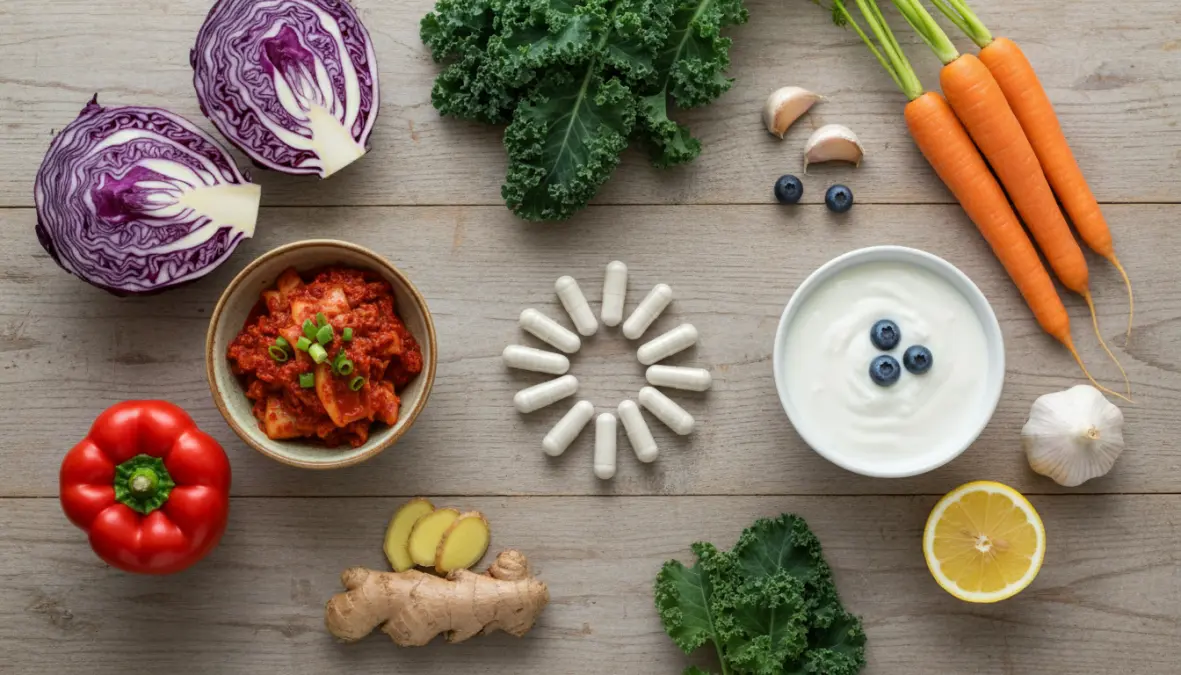
First up: microbiome diversity is king. The more varied your gut bacteria, the more resilient your digestive system. This means eating a wide range of plant foods (aim for 30+ different plants weekly), incorporating best foods for athlete digestive health like fermented options (kimchi, sauerkraut, kefir), and avoiding unnecessarily restrictive diets unless medically indicated.
For athletes with sensitive stomachs, experimenting with a low-FODMAP approach during training can help identify trigger foods. But don’t stay restrictive long-term—recovery optimization requires dietary diversity. Strategic fiber intake matters too: high fiber supports gut health, but timing is everything. Save the fiber-rich meals for post-workout, not your pre-workout meal when you need easily digestible fuel.
Hydration goes hand-in-hand with digestive optimization sports performance. Check out proper hydration strategies for endurance athletes to learn how electrolyte balance affects gut function during long efforts.
Probiotic Supplementation for Athletes
When we talk about probiotics for athletes, not all supplements are created equal. The most studied strains for athletic performance include Lactobacillus acidophilus, L. rhamnosus, Bifidobacterium longum, and B. bifidum. Research shows these specific strains can reduce upper respiratory tract infections (a common problem during heavy training), decrease exercise-induced intestinal permeability, and potentially improve recovery optimization.
Understanding how gut bacteria affects athletic performance helps you choose wisely. Look for products with at least 10 billion CFU (colony-forming units) from multiple strains, proper refrigeration requirements listed, and third-party testing certifications. Timing matters: take probiotics with food to buffer stomach acid, but avoid taking them immediately before or during intense training when gut function is compromised.
The evidence for gut health supplements for endurance athletes is promising but still emerging. A meta-analysis found that multi-strain probiotics reduced GI symptoms in athletes by up to 40% compared to placebo. That’s significant when you’re trying to maintain consistent training.
Nutrition Timing and Food Choices for Optimal Digestion
Here’s your practical protocol for managing gastrointestinal issues in athletes through smart nutrition timing:
3-4 hours pre-training: Balanced meal with moderate protein, complex carbs, and minimal fat. Think rice with chicken and cooked vegetables. This window allows complete digestion before your workout.
1 hour before: Light, easily digestible carbs if needed—banana, toast with honey, or a small smoothie. Some athletes tolerate fasted training better; experiment during practice, never on race day.
During exercise: For sessions over 90 minutes, easily digestible carbs are essential. Sports drinks, gels, or simple foods you’ve tested in training. Your gut can process 60-90g carbs per hour with training.
Post-workout: This is when your gut is most receptive. Protein plus carbs within 30-60 minutes supports recovery. Consider plant-based protein sources if dairy causes issues.
Foods to avoid pre-competition: high-fat meals (slow digestion), excessive fiber, artificial sweeteners, high-FODMAP foods if sensitive, and anything you haven’t tested in training. Understanding your pre workout meal gut health tolerance is individual—keep a food and symptom journal to identify patterns.
For different sports, needs vary. Endurance athletes benefit from strategic carb cycling to train the gut to process fuel during exercise. Strength athletes can afford longer digestion windows between meals and training.
FAQ: Gut Health and Athletic Performance
How long does it take to improve gut health as an athlete?
You’ll notice some changes within 2-3 weeks of implementing dietary modifications and probiotics, but meaningful microbiome diversity improvements typically take 2-3 months of consistent habits. Symptom relief from specific issues like bloating may occur faster.
Can poor gut health cause fatigue in athletes?
Absolutely. Compromised nutrient absorption, chronic inflammatory response, and weakened immune system function from poor gut health all contribute to persistent fatigue. If you’re constantly tired despite adequate sleep and good training metrics, your gut might be the culprit.
Should I take probiotics every day?
For athletes, daily probiotic supplementation during heavy training blocks makes sense, especially if you’re prone to exercise-induced gut issues or frequent illness. During lighter training periods, focus on probiotic-rich foods instead.
What foods should athletes avoid for better gut health?
This is highly individual, but common triggers include excessive processed foods, artificial sweeteners, alcohol, and high amounts of saturated fat. Rather than avoiding foods unnecessarily, identify your personal triggers through systematic testing.
Does intense training damage gut health?
Intense exercise temporarily increases intestinal permeability and reduces gut blood flow, which can stress the digestive system. However, moderate regular exercise actually improves gut health. The key is balancing intensity with adequate recovery, proper nutrition, and supporting your gut through smart choices. Combining gut health strategies with proper recovery protocols optimizes adaptation.
Your gut isn’t just along for the ride—it’s actively shaping your athletic potential. By prioritizing digestive health with the same dedication you bring to training, you’re investing in sustainable performance improvements that go far beyond your next PR. Start with small changes, track your responses, and remember that optimizing gut health athletes need is a journey, not a quick fix. Your future self will thank you.