Caffeine and Athletic Performance: The Complete Guide to Timing, Dosage, and Benefits
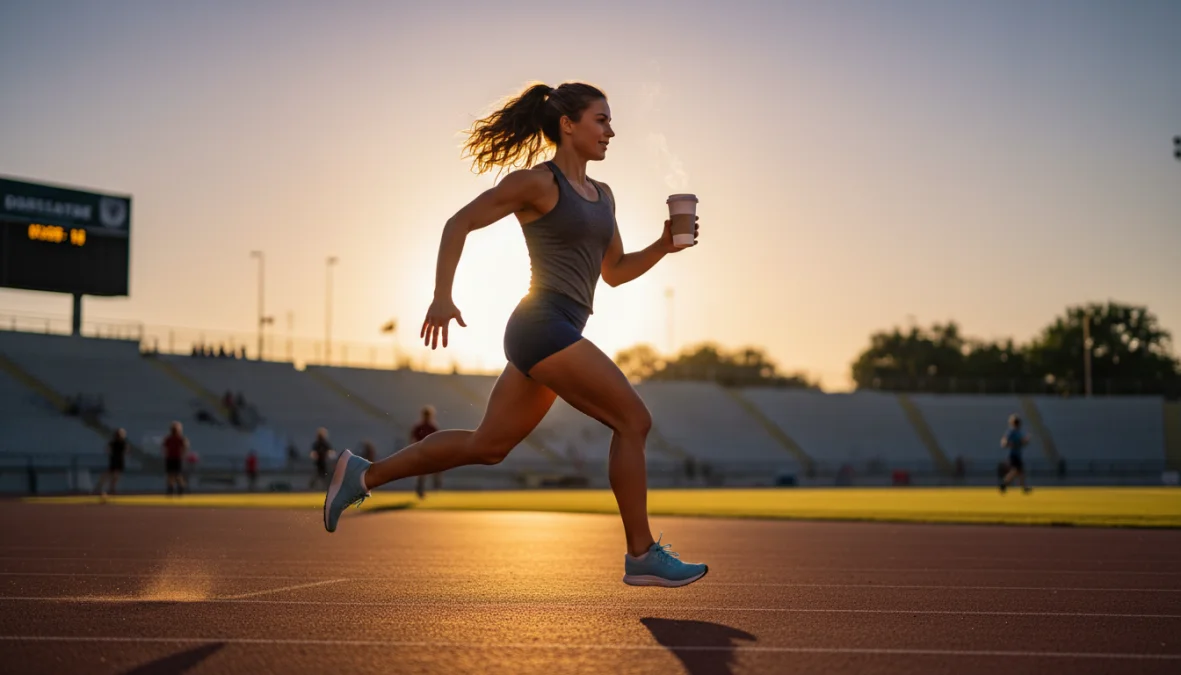
Whether you’re chasing a new personal record or simply trying to push through that last set, chances are you’ve reached for a coffee or energy drink to give you that extra edge. And you’re not wrong—caffeine athletic performance enhancement is one of the most researched and proven strategies in sports nutrition. But here’s the thing: simply gulping down caffeine isn’t enough. The real game-changer lies in understanding exactly how much to take, when to take it, and how to leverage it for your specific training goals. Let’s dive into the science and practical strategies that can transform your workouts.
How Caffeine Enhances Athletic Performance
So what makes caffeine such a powerful ergogenic aid? The magic happens through several interconnected mechanisms that directly impact your body’s ability to perform. First, caffeine blocks adenosine receptors in your brain—think of adenosine as your body’s “sleepy” signal. By blocking these receptors, caffeine reduces your perception of fatigue, meaning you literally feel like you can push harder for longer. This isn’t just psychological; studies show consistent improvements in exercise performance enhancement across various sports.
But that’s just scratching the surface. Caffeine also promotes the mobilization of fatty acids from fat tissue, essentially helping your body tap into fat stores for energy during prolonged activity—a crucial factor for caffeine endurance performance. Additionally, it enhances neuromuscular function, improving the force of muscle contractions and reaction time. The result? Better power output and sharper mental focus when it matters most.
The caffeine benefits exercise vary depending on your sport. Endurance athletes see the most dramatic improvements, with research showing 3-5% performance gains in activities lasting 60 minutes or more—think cycling, running, or swimming. For caffeine strength training applications, the benefits are more nuanced but still significant: enhanced power output, reduced perceived exertion during high-intensity sets, and improved focus for technical movements. Sports involving repeated sprints, team sports, and activities requiring sustained concentration (like tennis or basketball) also benefit substantially. If you’re tracking your performance metrics, check out our guide on Sports Performance Testing: VO2 Max, FTP, and Lactate Threshold Explained to measure these improvements objectively.
Optimal Caffeine Dosage and Timing for Athletes
Understanding caffeine dosage sports protocols is where most athletes either nail it or miss the mark entirely. The science is clear, but individual variation makes this part equal parts research and experimentation.
Recommended Dosage Based on Body Weight
The gold standard for optimal caffeine intake athletes should follow is 3-6 mg per kilogram of body weight. Let’s make this practical: if you weigh 70 kg (154 lbs), your sweet spot is 210-420 mg of caffeine. For a 60 kg athlete, that’s 180-360 mg; for an 85 kg athlete, we’re looking at 255-510 mg. To put this in perspective, a standard cup of coffee contains roughly 95 mg, while most pre-workout supplementation products pack 150-300 mg per serving.
Start at the lower end—around 3 mg/kg—especially if you’re not a regular caffeine consumer. Your body will be more sensitive, and even modest doses can produce significant effects. Habitual users may need to lean toward the higher end of the range to experience similar benefits. Here’s a critical warning: doses exceeding 9 mg/kg are associated with negative side effects including jitters, gastrointestinal distress, and increased heart rate without additional performance benefits. More isn’t better—precision is.
When to Take Caffeine for Maximum Effect
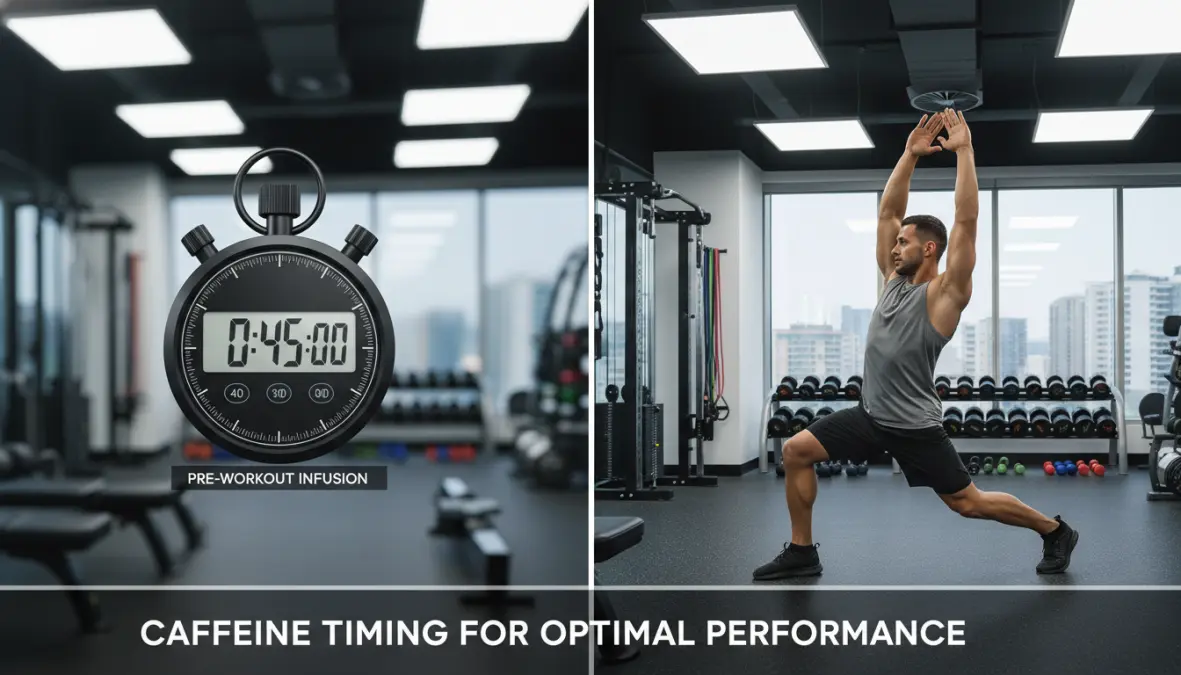
Nailing caffeine timing for athletes is just as crucial as the dose itself. Caffeine reaches peak blood concentration approximately 30-60 minutes after ingestion, which means timing your caffeine pre workout intake in this window maximizes its effects right when you need them most. Planning a hard interval session? Take your caffeine 45 minutes before you start warming up.
But here’s where it gets interesting: the form matters. Pills and capsules tend to be absorbed slightly faster and more predictably than coffee, while caffeine gels (popular among endurance athletes) can work in as little as 15-20 minutes. Coffee’s absorption can be slowed by food in your stomach and varies based on brewing method. The effects last 3-6 hours depending on your individual metabolism, so consider your training time carefully—a 6 PM workout with caffeine might mean staring at the ceiling at midnight.
For longer events or training sessions, re-dosing strategies can be effective. Many endurance athletes take an initial dose pre-event, then supplement with smaller amounts (50-100 mg) every 60-90 minutes to maintain elevated levels. This approach is particularly useful for races lasting several hours. For more insights on fueling strategies, explore our article on Pre-Workout Nutrition: What to Eat Before Training for Maximum Performance.
Practical Guidelines and Considerations for Athletes
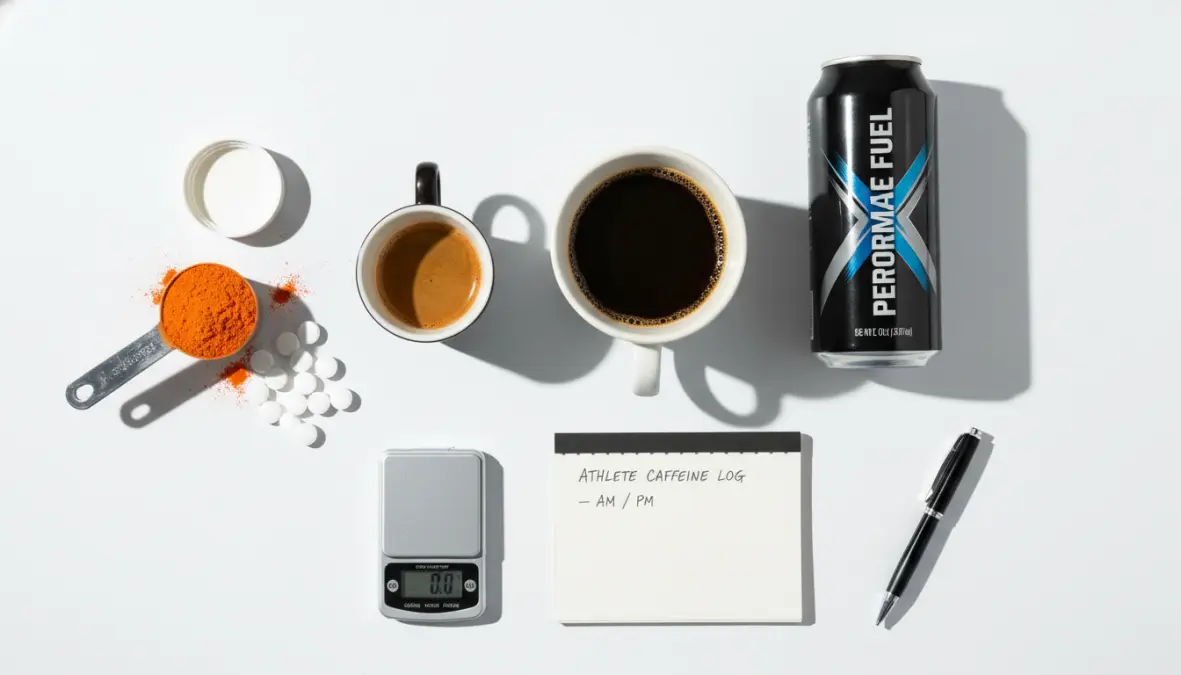
Let’s get tactical. When it comes to sports nutrition, caffeine sources vary significantly. Espresso delivers about 63 mg per shot, brewed coffee ranges from 95-200 mg per cup, energy drinks typically contain 80-300 mg, and caffeine pills offer precise dosing from 100-200 mg tablets. Pre-workout powders are variable but usually land between 150-350 mg per serving. For athletes who need precise dosing and want to avoid extra calories or ingredients, pills offer the most control.
Individual tolerance varies dramatically—some athletes experience the jitters from a single espresso, while others can down 400 mg without batting an eye. This often comes down to genetic differences: you might be a fast metabolizer (CYP1A2 enzyme variant) who processes caffeine quickly, or a slow metabolizer who feels effects longer and more intensely. The only way to know your sweet spot is through systematic testing during training sessions, never on race day.
Common side effects include anxiety, racing heart, stomach upset, and the dreaded caffeine crash. If you experience gastrointestinal issues, try taking caffeine with a small amount of food, or switch from coffee to pills which are easier on the stomach. Managing metabolic rate and energy throughout the day means being strategic—using caffeine for key workouts while maintaining lower intake on easy days prevents tolerance buildup.
Speaking of tolerance, yes, you absolutely can become desensitized to caffeine’s effects with daily high-dose use. Many competitive athletes practice periodization: using caffeine strategically for hard sessions and competitions while keeping intake minimal on recovery days. Some even do periodic “caffeine fasts” lasting 5-7 days before major events to reset sensitivity and maximize race-day benefits.
Contrary to old myths, moderate caffeine intake doesn’t cause significant dehydration in habitual users, though it does have a mild diuretic effect. Stay on top of hydration regardless. Caffeine can be combined effectively with other supplements like beta-alanine, creatine, and carbohydrates, potentially creating synergistic effects on anaerobic performance and recovery optimization. For comprehensive athletic development, consider pairing your caffeine strategy with Mobility Training for Athletes to maximize your overall performance potential.
FAQ
Does caffeine dehydrate athletes?
Not significantly. While caffeine has mild diuretic properties, research shows that in habitual consumers, it doesn’t cause meaningful dehydration during exercise. Just maintain your normal hydration protocols and you’ll be fine.
Can I build tolerance to caffeine?
Absolutely. Regular high-dose consumption leads to downregulation of adenosine receptors, diminishing caffeine’s performance-enhancing effects. Strategic periodization—saving caffeine for key workouts and competitions—helps maintain sensitivity.
Is caffeine banned in sports?
No. The World Anti-Doping Agency (WADA) removed caffeine from its prohibited substances list in 2004. It’s completely legal in all levels of competition, though they monitor its use through their monitoring program.
What’s better: coffee or caffeine pills for performance?
Pills offer precise dosing, faster absorption, and no stomach upset from coffee’s oils and acids. However, coffee contains beneficial antioxidants and some athletes simply prefer the ritual. For competition, pills provide the most reliable and predictable results.
Caffeine isn’t a magic bullet, but when used strategically, it’s one of the most effective and accessible tools in your performance arsenal. Start conservative, test systematically during training, and dial in your personal protocol before it counts. Whether you’re building your base fitness with spring cycling training or preparing for competition, mastering caffeine timing and dosage can be the difference between good and great performance. Now get out there and put this knowledge to work—your next PR is waiting.