
Vitamin D for Athletes: Performance Benefits and Optimal Levels

You train hard, eat clean, and prioritize recovery—but are you overlooking one of the most fundamental nutrients for athletic performance? While vitamin D athletes need might seem like just another supplement to add to the stack, this hormone-like vitamin plays a surprisingly crucial role in everything from muscle recovery to immune function. Despite spending time outdoors, many athletes unknowingly operate with suboptimal levels, potentially leaving gains on the table. Let’s dive into why this “sunshine vitamin” deserves a spot in your performance optimization toolkit.
Why Vitamin D Matters for Athletic Performance
Unlike most vitamins, calciferol—commonly known as vitamin D—functions more like a hormone in your body, influencing over 1,000 different genes. For vitamin d athletes, this translates to far-reaching effects on performance, recovery, and overall health.
Research shows that vitamin d deficiency athletes experience at alarming rates. Studies indicate that between 56-90% of athletes have insufficient serum vitamin d levels, particularly those training indoors (gymnasts, basketball players, swimmers) or living in northern latitudes. Even outdoor athletes aren’t immune—sunscreen use, training times, and skin pigmentation all impact production.
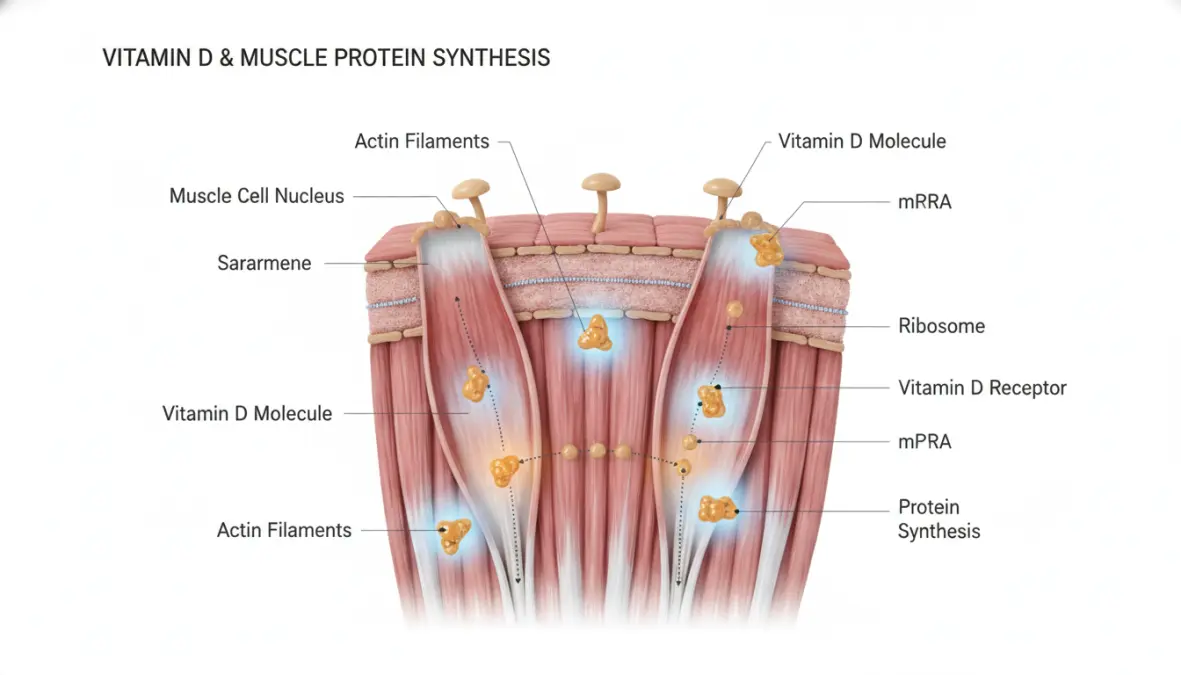
The biological role of vitamin D extends well beyond bone health athletes traditionally associate it with. This nutrient directly influences muscle function by regulating calcium absorption and phosphate metabolism, essential for muscle contraction. It modulates immune function sports performance depends on, reducing upper respiratory infections that derail training. Additionally, vitamin D receptors exist throughout muscle tissue, affecting protein synthesis and mitochondrial function—both critical for strength and endurance adaptations.
What makes vitamin d athletic performance particularly interesting is that athletes require higher levels than sedentary individuals. The increased physical stress, higher muscle mass, and greater demands on the immune system mean that “normal” ranges may not be optimal for competitive performance. This is similar to how athletes need more of other micronutrients for peak performance.
Performance Benefits: From Muscle Recovery to Endurance
The real question: does vitamin d improve athletic performance? Research increasingly says yes, though effects vary based on baseline levels and sport type.
Muscle Strength and Recovery
When it comes to vitamin d muscle recovery, the mechanisms are impressive. Vitamin D enhances muscle protein synthesis by activating the mTOR pathway, the same anabolic pathway targeted by resistance training. Studies on athletes supplementing with vitamin D3 have shown improvements in muscle strength, particularly in type II fast-twitch muscle fibers responsible for explosive power.
The anti-inflammatory properties directly impact recovery speed. Vitamin D helps regulate cytokine production, reducing excessive inflammation recovery responses after intense training. This doesn’t mean blocking beneficial inflammation—rather, it helps modulate the recovery process for faster return to training. Athletes with optimal 25-hydroxyvitamin d levels report reduced muscle soreness and faster strength recovery between sessions.
Interestingly, vitamin D also influences testosterone levels in male athletes. Research shows that men with sufficient vitamin D status maintain healthier testosterone-to-cortisol ratios, supporting muscle building and recovery. The vitamin’s role in mitochondrial function means better energy production at the cellular level—crucial for both strength and endurance adaptations.
Endurance and Cardiovascular Function
For vitamin d endurance athletes, the benefits extend to aerobic capacity and cardiovascular function. Studies examining vitamin d3 supplementation for endurance athletes have found improvements in VO2 max—the gold standard measure of aerobic capacity covered in detail in performance testing protocols.
Vitamin D supports cardiovascular function through multiple pathways: regulating blood pressure, improving vascular health, and enhancing oxygen delivery to working muscles. Endurance athletes with deficiency often experience reduced time to exhaustion and decreased efficiency—measurable declines that supplementation can reverse.
The distinction between power and endurance sports matters. While strength athletes see primary benefits in muscle force production, endurance athletes gain advantages in fatigue resistance and sustained output. Runners, cyclists, and triathletes with optimized vitamin D status report better maintenance of pace during long efforts and improved recovery between training blocks.
Optimal Vitamin D Levels and Supplementation Guidelines for Athletes
Understanding optimal vitamin d levels athletes need requires looking beyond standard medical ranges. While 20-30 ng/mL of serum vitamin d is considered “sufficient” for general health, athletic performance appears to benefit from higher levels.
Research suggests vitamin d blood levels for optimal performance fall between 40-60 ng/mL (100-150 nmol/L). Some sports medicine experts recommend athletes target the higher end of this range, particularly during heavy training periods. Testing your 25-hydroxyvitamin d levels through blood work is the only accurate way to assess status—symptoms alone aren’t reliable.
So, how much vitamin d should athletes take daily? Vitamin d dosage for athletes depends on several factors:
- Baseline levels: Deficient athletes may need 5,000-10,000 IU daily initially, then reduce to maintenance doses
- Season: Winter months require higher supplementation due to reduced sun exposure
- Training environment: Indoor athletes need year-round supplementation
- Skin tone: Darker skin produces vitamin D less efficiently, requiring higher doses
- Body weight: Larger athletes may need more due to greater tissue distribution
A common maintenance dose for vitamin d supplementation sports performance is 2,000-4,000 IU daily of vitamin D3 (cholecalciferol), which is more effective than D2. However, individual needs vary significantly—testing every 3-6 months helps dial in your optimal dose.
Regarding best time to take vitamin d for athletes, take it with a fat-containing meal since it’s fat-soluble. Morning or midday works well, though timing is less critical than consistency. Important cofactors include magnesium (required for vitamin D metabolism), vitamin K2 (directs calcium to bones rather than soft tissue), and adequate calcium intake—all part of a comprehensive micronutrient strategy.

FAQ
What are vitamin d deficiency symptoms in athletes?
Symptoms include persistent fatigue, frequent illness, slow recovery between workouts, unexplained decreases in performance, muscle weakness or cramping, and bone pain. However, many athletes with suboptimal levels experience no obvious symptoms—making testing essential.
Can vitamin d help with muscle strength?
Yes, particularly if you’re deficient or insufficient. Studies show vitamin D supplementation improves muscle strength, power output, and type II muscle fiber function. The effect is most pronounced in athletes starting with low levels—those already optimal may see minimal additional gains.
Does vitamin d improve athletic performance in all sports?
Benefits appear across most sports, but magnitude varies. Strength and power athletes see improvements in force production, while endurance athletes gain cardiovascular and fatigue-resistance benefits. Sports requiring high immune function (high training volumes) particularly benefit from adequate status.
How do I know if I need vitamin D supplementation?
Blood testing is the only definitive method. Request a 25-hydroxyvitamin D test from your healthcare provider. If levels fall below 40 ng/mL, supplementation likely benefits performance. Athletes training indoors, living in northern climates, or with darker skin are at higher risk.
Can you take too much vitamin D?
Yes, though toxicity is rare and typically requires chronic intake exceeding 10,000 IU daily. Symptoms include nausea, vomiting, kidney problems, and excessive calcium levels. Staying below 4,000 IU daily without testing or 10,000 IU with monitoring keeps you in safe ranges. Regular blood tests prevent overshooting.
Optimizing your vitamin D status represents one of the most cost-effective performance interventions available. Combined with proper nutrition, quality sleep optimization, and smart training, adequate vitamin D levels help you train harder, recover faster, and perform better. Get tested, supplement intelligently, and retest—your muscles, bones, and immune system will thank you.