Cycling in Headwind: Master Wind Resistance and Ride More Efficiently
We’ve all been there—pedaling hard, legs burning, yet your bike computer shows a painfully slow speed. Welcome to cycling in headwind, one of the most challenging and frustrating aspects of riding. But here’s the thing: headwinds aren’t just about suffering through them. Understanding the physics behind wind resistance and applying the right techniques can transform your experience from a brutal slog into an opportunity to become a stronger, smarter cyclist.
Understanding Cycling Wind Resistance and Its Impact
Let’s talk numbers. When you’re cycling wind resistance becomes your biggest enemy once you exceed about 12 mph. At that point, roughly 80-90% of your energy goes into pushing air out of the way rather than overcoming rolling resistance or gravity. This is because aerodynamic drag increases exponentially with speed—double your speed, and you quadruple the resistance.
The formula for cycling aerodynamics is straightforward but ruthless: drag force equals one-half times air density times the drag coefficient times frontal area times velocity squared. That squared velocity term is the killer. A 15 mph headwind doesn’t just add 15 mph worth of resistance—it’s far worse. If you’re riding at 20 mph into a 15 mph headwind, your body experiences the same wind resistance cycling forces as riding 35 mph in calm conditions.
Research shows that a moderate 10 mph headwind can reduce your average speed by 3-5 mph while requiring 30-40% more power output to maintain your target pace. For context, professional cyclists might sustain 300-400 watts in calm conditions, but need 450-500 watts to maintain similar speeds in strong headwinds. Understanding this helps you adjust expectations and avoid the common mistake of trying to maintain your normal speed, which leads to burnout.
Proven Techniques for Riding in Headwind
Mastering headwind cycling requires a combination of physical positioning, mental strategy, and tactical decisions. The good news? Most improvements come from technique rather than expensive equipment, making these headwind techniques accessible to every cyclist.
Body Position and Aerodynamic Optimization
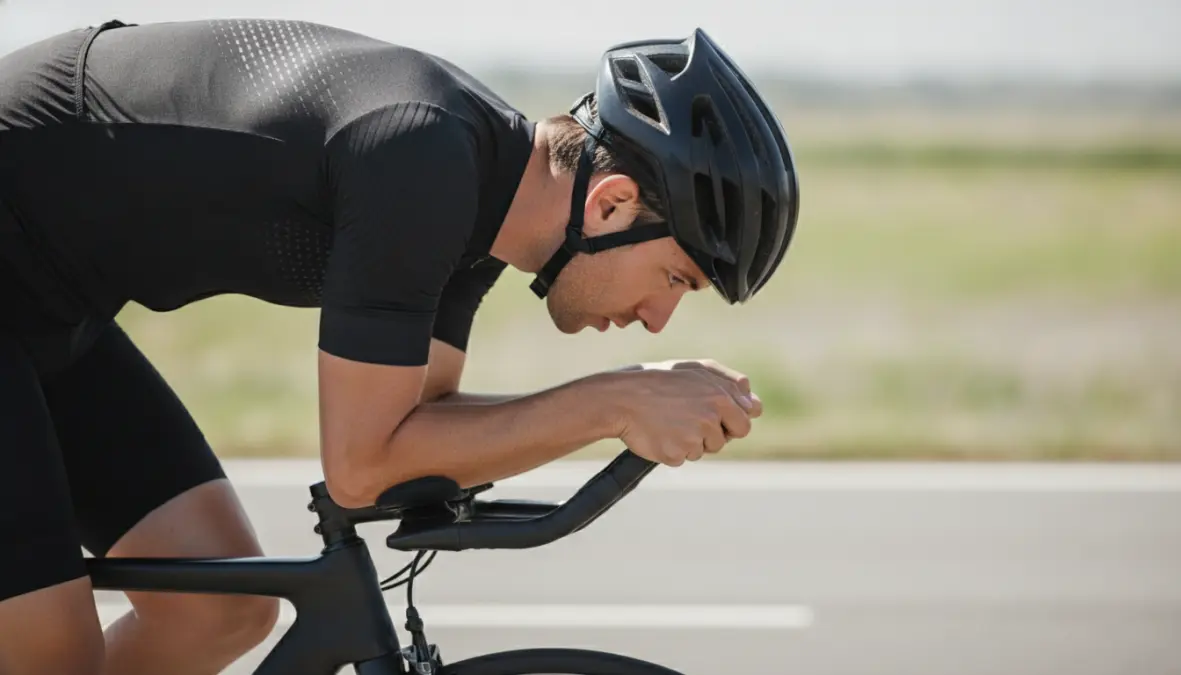
Your aerodynamic position is your first line of defense when riding in headwind. The goal is simple: reduce your frontal area—the cross-sectional silhouette you present to the wind. Drop your hands to the lower part of your handlebars (the drops), bringing your elbows in tight rather than splaying them outward. This single adjustment can reduce your drag coefficient by 15-20%.
Lower your torso by flattening your back and bringing your head down, though keep your eyes on the road ahead. Imagine trying to peer over the top of your sunglasses rather than sitting upright. This position might feel uncomfortable initially, but it’s how you reduce wind resistance while cycling most effectively without spending a dime.
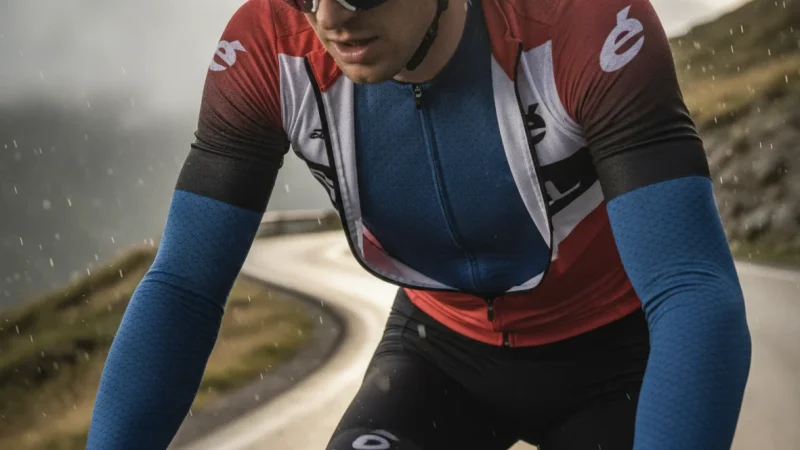
Your clothing matters too. Loose, flapping jerseys add significant drag. Wear fitted cycling apparel—the difference between a baggy jacket and a tight-fitting jersey can save you 20-30 watts at 20 mph. If you’re wondering about the best cycling position for headwind, think compact: narrow elbows, low torso, hands on drops. For more on optimal gear, check out our guide on summer cycling gear essentials.
Pacing Strategy and Power Management
Here’s the mental shift that defines successful headwind riding: forget about speed. Seriously. If you’re fixated on maintaining your usual 18 mph average, you’ll blow up within miles. Instead, focus on maintaining consistent effort or power output. Accept that your speed will drop—sometimes dramatically—and that’s perfectly fine.
One of the most effective cycling techniques for strong headwinds is maintaining a steady cadence rather than grinding big gears. Drop to an easier gear that allows you to spin at 80-90 rpm instead of mashing at 60 rpm in a harder gear. This approach is gentler on your muscles and more sustainable over long distances, especially important if you’re training for a century ride.
The concept of drafting becomes crucial in headwinds. Riding in a group, you can save 20-40% of your energy by sitting in the slipstream of riders ahead. If you’re riding with others, take turns at the front—proper group ride etiquette means sharing the workload through organized paceline rotations. Even on solo rides, any solid object—parked trucks, buildings, hedgerows—can provide brief respite when you need to recover.
Learn more about optimizing your pedaling efficiency through cadence training to maintain rhythm even when conditions get tough.
Equipment and Setup for Maximum Efficiency
While technique trumps equipment for most cyclists, certain gear choices can enhance your cycling efficiency in windy conditions. The key is understanding what actually makes a measurable difference versus marketing hype.
Aerodynamic wheels do help, but the benefit is most noticeable at higher speeds. Deep-section carbon wheels can save 10-20 watts compared to standard box-section wheels, but they cost thousands. For most recreational cyclists, the return on investment is questionable. That said, if you already own aero wheels, windy days are when they shine—just be cautious with deep wheels in crosswind riding as they can catch gusts.
Bike position adjustments are free and often more impactful. Lowering your handlebar stem by 10-20mm or moving your saddle slightly forward can help you achieve a more aggressive, wind-cheating position without compromising bike handling. Many cyclists ride with handlebars too high, which is comfortable but aerodynamically inefficient.
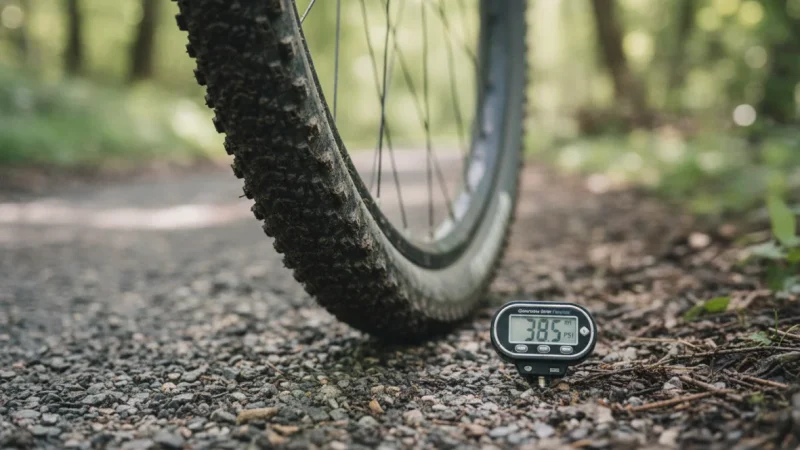
Tire pressure deserves mention: running slightly higher pressures (within manufacturer limits) reduces rolling resistance, which compounds with wind resistance. However, don’t sacrifice comfort and grip—the optimal balance depends on your weight, tire width, and road conditions. The marginal gains here are exactly that: marginal, but they add up over long distances when you’re fighting wind.
One often-overlooked aspect is helmet choice. An aerodynamic helmet can save 5-15 watts compared to a standard vented helmet, and unlike wheels, quality aero helmets are relatively affordable. The science of cycling aerodynamics shows that your head creates significant drag due to its position at the front of your body.
FAQ: Common Questions About Cycling in Headwinds
How much does headwind slow you down?
A 10 mph headwind typically reduces your speed by 3-5 mph and requires 30-40% more power to maintain pace. A 20 mph headwind can slash your speed nearly in half. The exact impact depends on your speed, position, and the cycling speed loss in headwind follows exponential rather than linear patterns.
What gear should I use in headwind?
Use easier gears than you’d normally choose, maintaining a higher cadence (80-90 rpm) rather than grinding in big gears. This approach conserves muscular energy and is more sustainable for long windy stretches, which is essential knowledge for how to save energy cycling in headwind.
Is it better to stand or sit when cycling in headwind?
Stay seated. Standing increases your frontal area dramatically, creating more drag. The only exception is brief accelerations or very steep climbs where the gradient matters more than wind resistance. Sitting in an aerodynamic position is always better for headwind riding.
How do you breathe when cycling into wind?
Focus on controlled, rhythmic breathing through both nose and mouth. The wind can make breathing feel labored, so consciously slow your breathing rate and take fuller breaths. Some cyclists find tilting their head slightly downward helps reduce the sensation of wind hitting their face.
Should I ride alone or in a group during headwinds?
Group riding provides massive advantages through drafting—you can save 20-40% energy in a paceline. However, this requires proper rotation and cooperative riders. Solo riders must rely entirely on position and pacing, making the ride significantly harder but building impressive mental and physical strength.
Headwinds will always be challenging—that’s physics you can’t argue with. But understanding how to cycle faster in headwind (or more accurately, how to maintain efficiency and minimize losses) transforms them from demoralizing obstacles into opportunities for growth. Apply these techniques, adjust your expectations, fuel properly with strategies like proper carb timing, and remember: every headwind on the way out means a tailwind coming home. Now get out there and show that wind who’s boss.