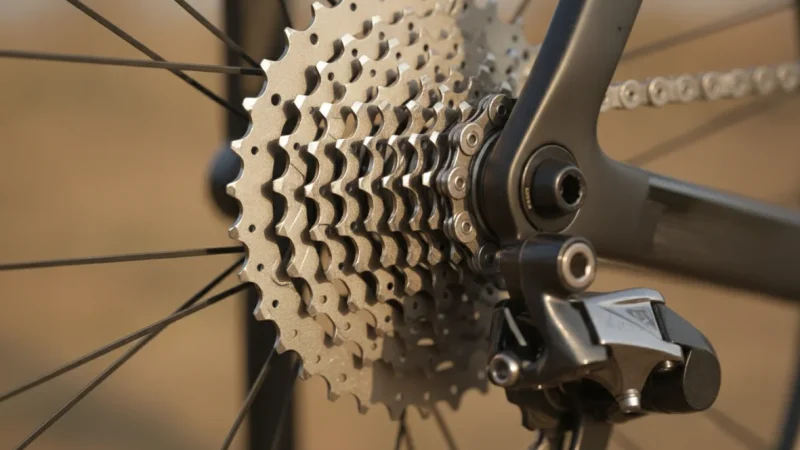
How to Transition from Indoor to Outdoor Cycling After Winter: A Complete Guide
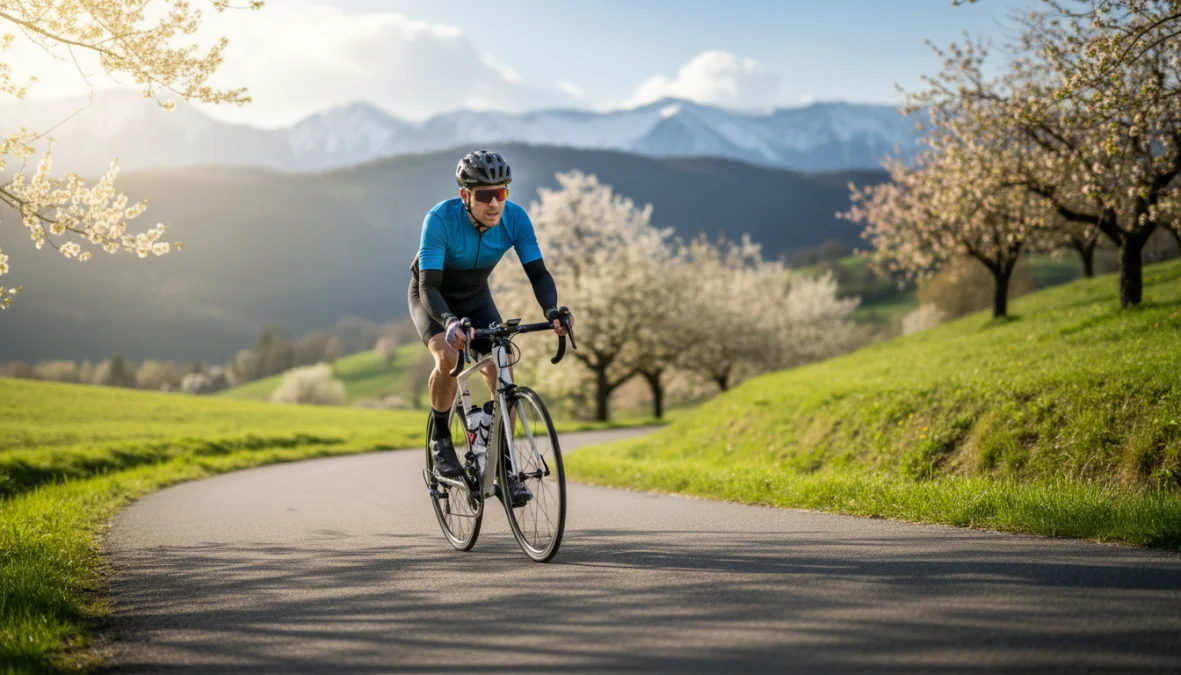
After months of grinding on your bike trainer, staring at virtual landscapes on Zwift, the spring sun is finally calling you back outside. But before you clip in and expect to crush those same power numbers on the open road, there’s something you need to know: indoor to outdoor cycling transitions require a strategic approach. Your body, bike handling, and even your mind need time to readjust to the real-world demands of road cycling. Let’s break down exactly how to make this shift smooth, safe, and ultimately more rewarding.
Why Indoor vs Outdoor Cycling Requires a Transition Period
The difference between indoor vs outdoor cycling isn’t just about scenery. When you’re pedaling indoors, you’re working in a controlled, predictable environment with constant resistance and zero external variables. Your trainer provides steady, uninterrupted power output, perfect for structured intervals. But outdoor cycling after winter throws you into a completely different game.
First, there’s wind resistance—something your trainer can only partially simulate. Even a moderate headwind can increase your effort by 20-30% while dropping your speed significantly. Then there’s terrain adaptation: real roads undulate constantly, forcing micro-adjustments in power output, cadence, and body position that your trainer never demanded. Your stabilizer muscles, which basically took a vacation during indoor sessions, suddenly need to fire continuously to maintain balance on uneven pavement.
Thermoregulation is another game-changer. Indoors, even with fans, you’re overheating in still air. Outdoors, you’re dealing with wind chill, temperature fluctuations, and the need to layer clothing appropriately. Your bike handling skills—cornering, braking, navigating traffic—have likely dulled after winter. And mentally, the constant vigilance required for road safety is far more demanding than zoning out to a Netflix series while hitting power targets. This is why you can’t simply transfer your indoor training intensity directly to the road. Your FTP might be the same on paper, but applying it outdoors is a different physiological and technical challenge entirely.
Your Step-by-Step Plan to Transition from Trainer to Road
The key to a successful transition from trainer to road is progressive adaptation. Rushing this process leads to fatigue, frustration, or even injury. Here’s your week-by-week blueprint for spring cycling training that respects your body’s need to readjust.
Week 1-2: Building Outdoor Adaptation
Start conservatively with rides lasting 30-45 minutes maximum. Choose flat, familiar routes with minimal traffic—this isn’t about performance yet, it’s about reacclimation. Reduce your target intensity by 20-30% compared to your indoor sessions. If you were doing sweet spot intervals at 260 watts indoors, aim for endurance pace at 180-200 watts outdoors.
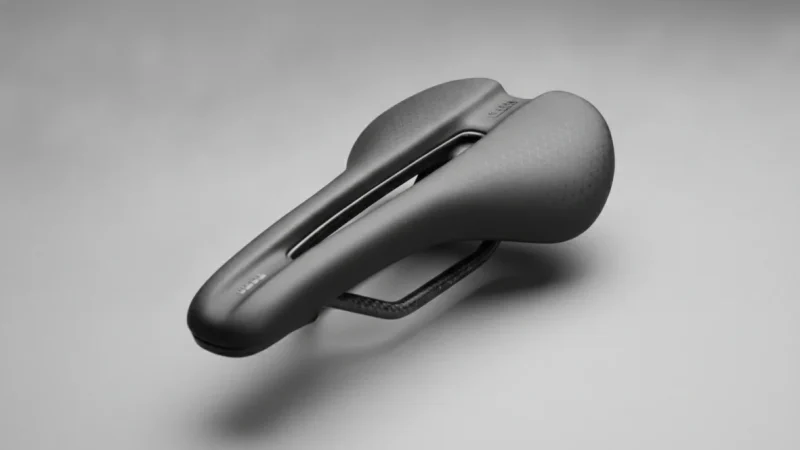
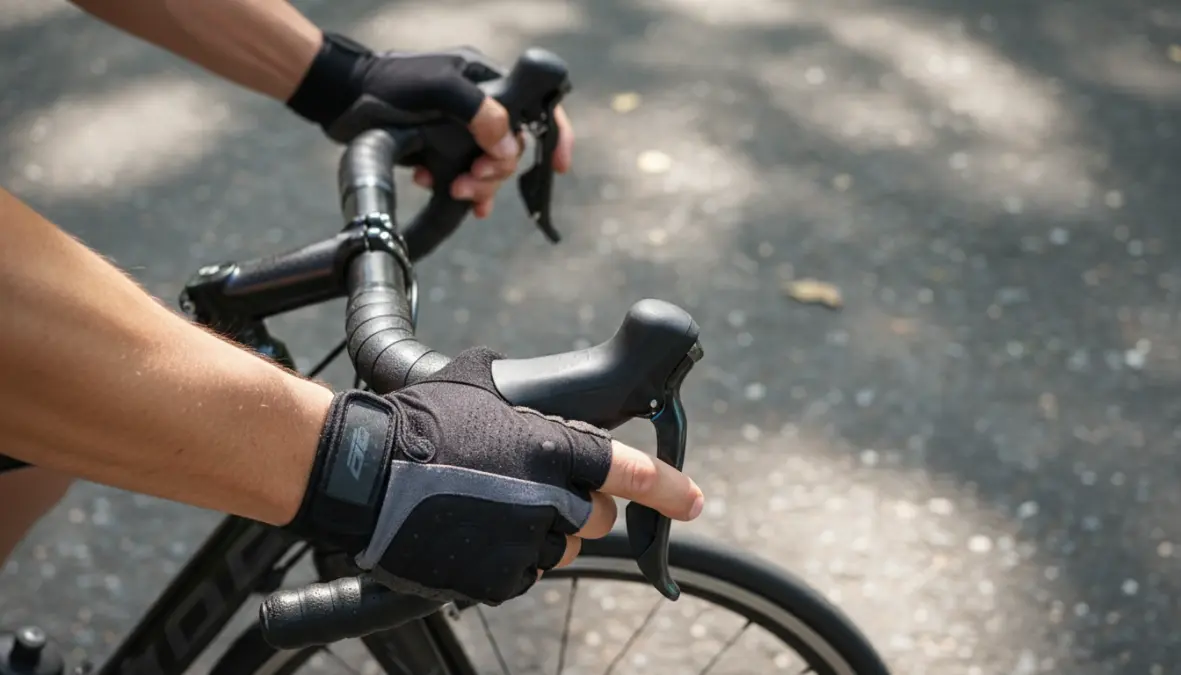
Focus heavily on bike handling skills during these initial outings. Practice smooth cornering, braking from different hand positions, and riding a straight line. Your core and stabilizer muscles need to wake up and remember how to keep you balanced. Pay attention to how road vibrations feel, how your saddle pressure differs from the trainer, and how your hands and neck respond to the outdoor riding position.
Don’t be discouraged if your average speed is lower or your cycling cadence feels inconsistent—this is completely normal when adjusting from Zwift to outdoor riding. The constant micro-variations in terrain make maintaining steady cadence much harder than on a trainer’s fixed resistance.
Week 3-4: Increasing Duration and Introducing Terrain Variety
Now you can extend rides to 60-90 minutes and start exploring routes with gentle climbs. The goal is to embrace variable pacing rather than fighting it. Unlike trainer sessions where you maintain exact power targets, outdoor rides flow with the terrain—pushing harder on climbs, recovering slightly on descents, managing energy through headwinds.
If you’re using a power meter, you’ll notice your power output oscillates much more than indoors. This is expected and actually beneficial for building real-world fitness. Introduce one or two structured workouts outdoors—perhaps tempo climbs or rolling threshold efforts—while keeping 1-2 indoor sessions per week if you want to maintain specific interval sharpness.
This phase is critical for relearning on-the-bike nutrition and hydration. During your first outdoor ride after winter indoor training, you probably forgot how much more you need to drink when wind and sun are factors. Practice reaching for bottles, opening food wrappers, and fueling while navigating real roads. These skills atrophy quickly indoors and need deliberate practice.
Essential Adjustments for a Smooth Indoor to Outdoor Cycling Transition
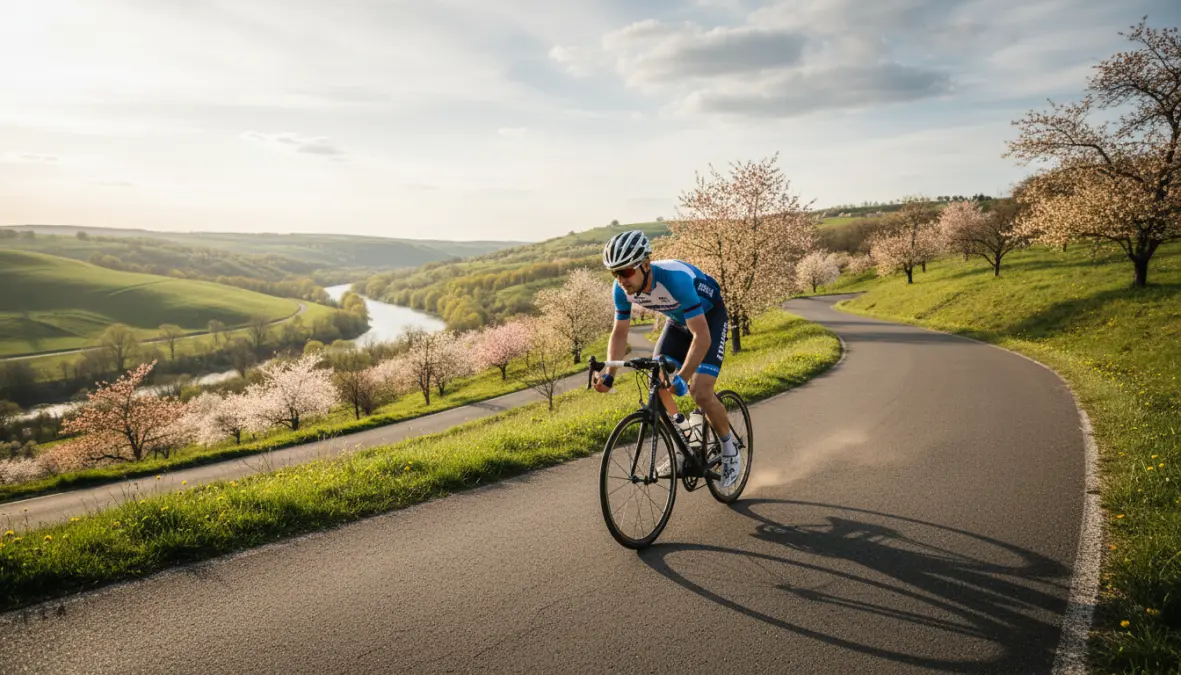
Beyond the training progression, several practical adjustments will make your indoor to outdoor cycling shift much smoother. Start with a bike fit check—your position might feel different outdoors due to road feedback and the need for more dynamic movement. Some cyclists find they need to slightly raise their bars or adjust saddle fore-aft position for outdoor comfort.
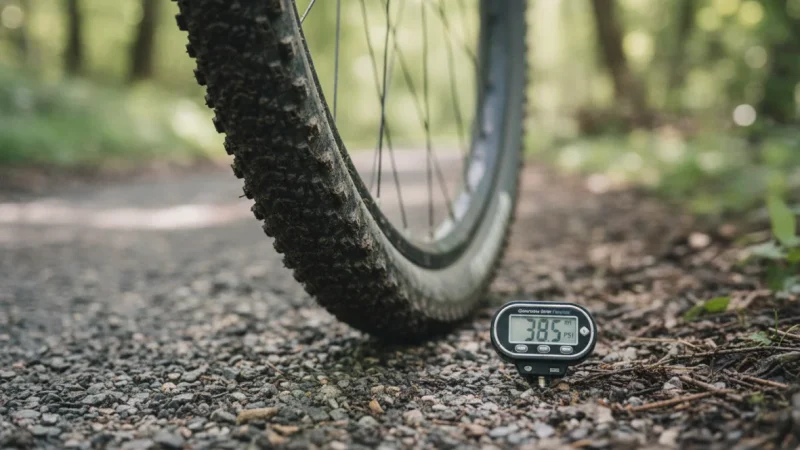
Check your tire pressure and adjust according to road conditions and your weight. The rock-hard pressure that worked on your trainer will feel harsh and unstable on real pavement. Lower pressure (within safe limits) improves comfort and traction significantly.
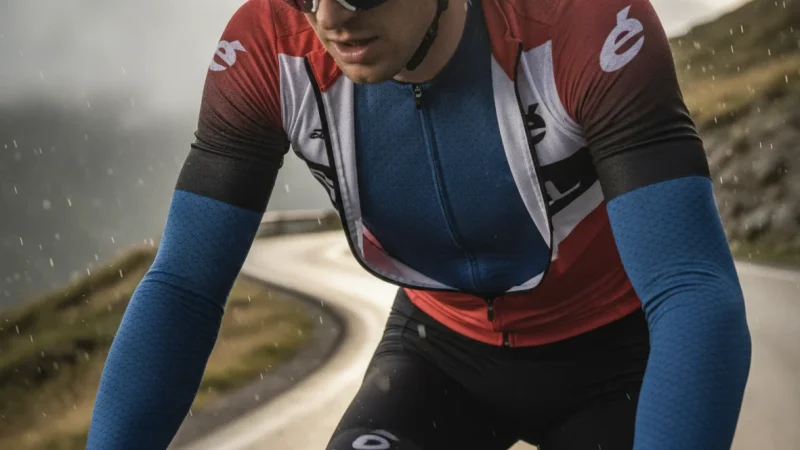
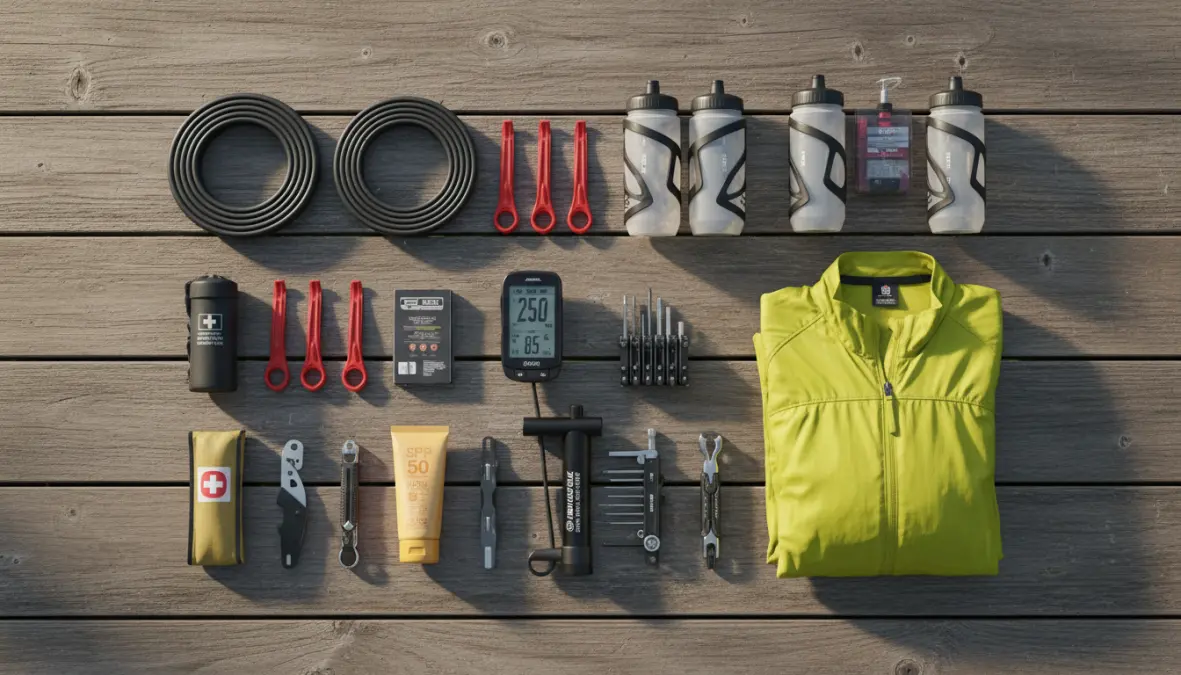
Master the art of layering clothing. Spring weather is notoriously unpredictable, and what feels warm at 10 a.m. might be scorching by noon. Always carry a lightweight jacket and be prepared to adjust layers mid-ride. Don’t forget essentials you never needed indoors: spare tubes, tire levers, a mini-pump or CO2, and basic tools. Getting a flat 25 miles from home is a very different scenario than stepping off your trainer.
Rehydration becomes more critical outdoors. Even if you don’t feel as hot as you did in your pain cave, you’re losing fluids through wind evaporation. Drink proactively, not just when thirsty. And never underestimate sun exposure—apply sunscreen before every ride and reapply on longer outings.
Finally, recalibrate your mental approach. Outdoor cycling demands constant environmental awareness—traffic, road surface hazards, other cyclists, pedestrians. You can’t zone out like you might have on the trainer. This cognitive load is tiring at first but becomes second nature with practice. The differences between indoor and outdoor cycling training extend beyond physical demands to include this crucial mental component.
FAQ
How long does it take to transition from indoor to outdoor cycling?
Most cyclists need 3-4 weeks to fully adapt. Your cardiovascular fitness transfers immediately, but bike handling, stabilizer muscles, and terrain adaptation require this adjustment period. Rushing it typically extends the timeline.
Should I reduce my power/FTP when riding outdoors?
Not your actual FTP, but expect to see 5-10% lower average power on outdoor rides due to coasting, traffic stops, and natural terrain variations. Your normalized power should be similar to indoor efforts at the same perceived intensity.
Can I do indoor and outdoor cycling together during spring?
Absolutely! Many cyclists maintain 1-2 indoor sessions weekly for structured intervals while building outdoor volume. This hybrid approach works excellently during the spring cycling season, especially when weather is inconsistent.
Why does outdoor cycling feel harder than indoor training?
Wind resistance, terrain changes, bike handling demands, temperature regulation, and mental vigilance all add cumulative stress. You’re also using stabilizer muscles that remain dormant on a trainer. This perception of increased difficulty is completely valid and diminishes as you adapt.
The cycling trainer to road transition might feel humbling at first, but embrace it as part of becoming a more complete cyclist. Those months of indoor work built a powerful aerobic engine—now you’re simply teaching that engine to operate in the wild. Give yourself grace during these initial weeks, stay consistent with your progressive plan, and within a month you’ll wonder why outdoor riding ever felt challenging. The freedom, scenery, and pure joy of road cycling after a winter indoors makes every adjustment worthwhile. Now get out there and enjoy the ride you’ve been dreaming about all winter long.