How to Train for a Century Ride: Your Complete 100 Mile Cycling Preparation Guide
So you’ve signed up for your first century ride, or maybe you’re just thinking about it. That mix of excitement and “what have I gotten myself into?” is totally normal. Completing 100 miles on a bike sounds like a massive undertaking, but here’s the good news: with the right approach to train for century ride success, almost anyone with decent fitness can cross that finish line feeling strong. It’s not about being a superhero cyclist—it’s about smart preparation, consistency, and knowing what your body needs over those long hours in the saddle.
Building Your Century Ride Training Plan
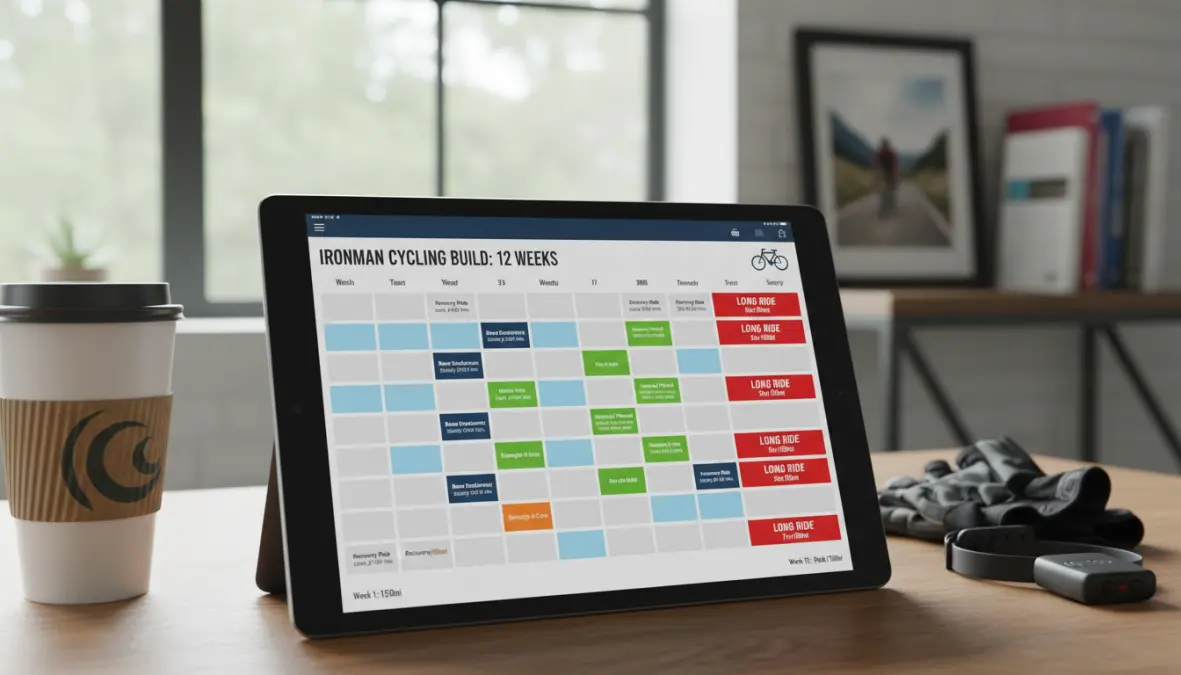
The foundation of successful century ride training plan starts with timing. Most cyclists need 12-16 weeks to properly prepare for 100 mile bike ride training, though this depends on your starting fitness level. If you’re already riding 50-60 miles per week comfortably, you might lean toward the shorter end. Complete beginners should aim for the full 16 weeks or even consider building more base miles cycling before starting a structured plan.
Your training for 100 mile cycling event should include 3-5 riding days per week. A typical week might look like: one long ride (your cornerstone workout), two moderate endurance rides, one interval or tempo session, and 1-2 rest or recovery days. Volume progression is crucial—start around 20-30 miles per week if you’re newer to cycling, building gradually to 70-80 miles at your peak training weeks.
The weekly long ride is non-negotiable. Start with rides around 20-25 miles and add roughly 10% each week, eventually reaching 70-80 miles about two weeks before your event. You don’t actually need to ride the full 100 miles in training—trust me, those last 20 miles on event day will happen on adrenaline and crowd energy. Understanding how to build your base fitness is essential before jumping into high-volume training.
Here’s a simple progression framework: Weeks 1-4 focus on consistency and building your aerobic base. Weeks 5-8 increase volume with longer rides. Weeks 9-12 are your peak training with your longest rides and highest weekly mileage. Weeks 13-14 (or up to 16) involve tapering to arrive fresh on race day.
Essential Century Ride Workout Plan Components
Your century ride workout plan needs variety beyond just logging miles. Different workout types build different physiological adaptations that all contribute to century cycling preparation.
Long rides are your bread and butter—these teach your body to burn fat efficiently, build mental endurance, and let you practice your nutrition strategy. Keep these at a conversational pace where you could chat with a riding buddy. Endurance rides at moderate intensity (60-75 minutes) maintain fitness between long rides without overtaxing your system.
Interval training might seem counterintuitive for endurance cycling preparation, but short bursts of higher intensity (think 3-5 minute efforts with equal recovery) build leg strength and cardiovascular capacity that makes sustained century pace feel easier. Just one interval session per week is plenty. Working on your cadence during these sessions helps you maintain efficient pedaling throughout those long miles.
Recovery rides are easy 30-45 minute spins that promote blood flow and help your legs bounce back. Don’t skip these—they’re not junk miles, they’re active recovery that prevents overtraining. If you’re coming from a triathlon background, brick workouts cycling can help simulate fatigued legs, though they’re less critical for pure cycling events.
Cross-training deserves attention too. Core and leg strength work twice weekly prevents imbalances and injuries. Yoga improves flexibility and helps with the mental game. The key is balancing intensity and volume—high mileage weeks should feature easier rides, while lower volume weeks can include harder interval work.
Fueling and Hydration Strategies
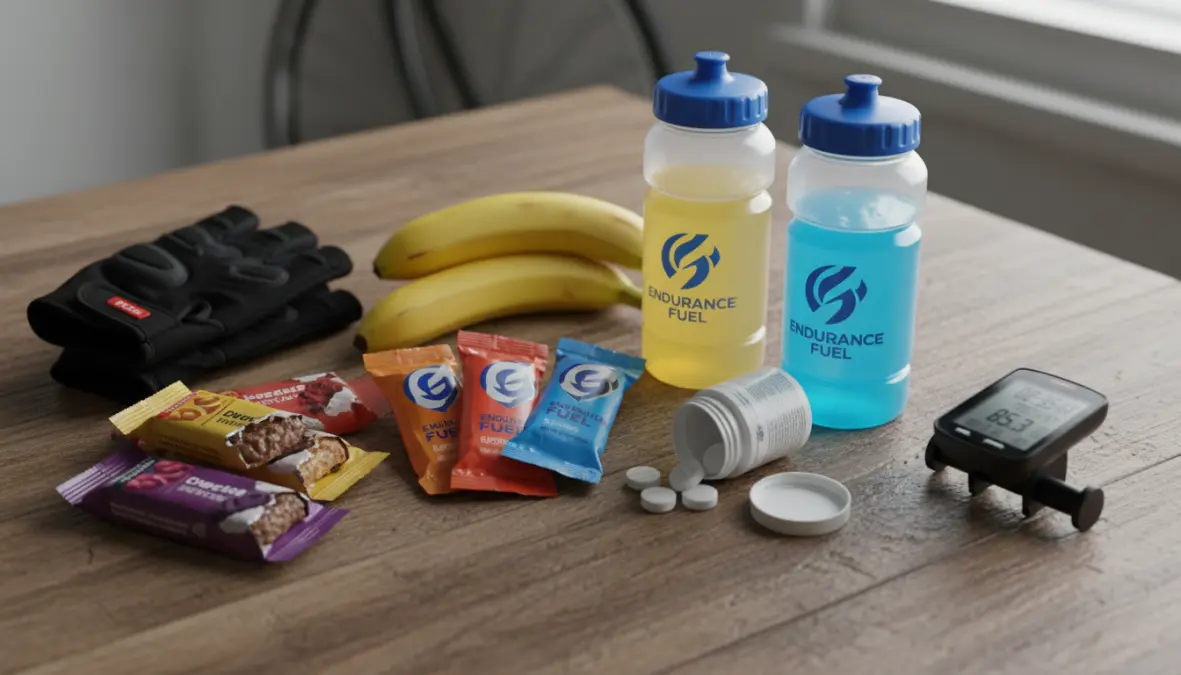
Your cycling nutrition strategy can make or break your century. Bonking prevention starts in training when you test what works for your stomach. Plan to consume 200-300 calories per hour during rides longer than 90 minutes. This might be energy gels, bars, bananas, or real food—whatever you can digest while riding.
Hydration follows a similar pattern: aim for 16-24 ounces per hour depending on temperature and your sweat rate. Don’t forget electrolytes, especially on rides over two hours. Practice your nutrition during every long ride so there are zero surprises on event day. What you eat the night before and morning of matters too—stick with familiar foods that you know digest well. Proper hydration strategies go beyond just drinking water and can significantly impact your performance.
Bike Fit and Equipment Preparation
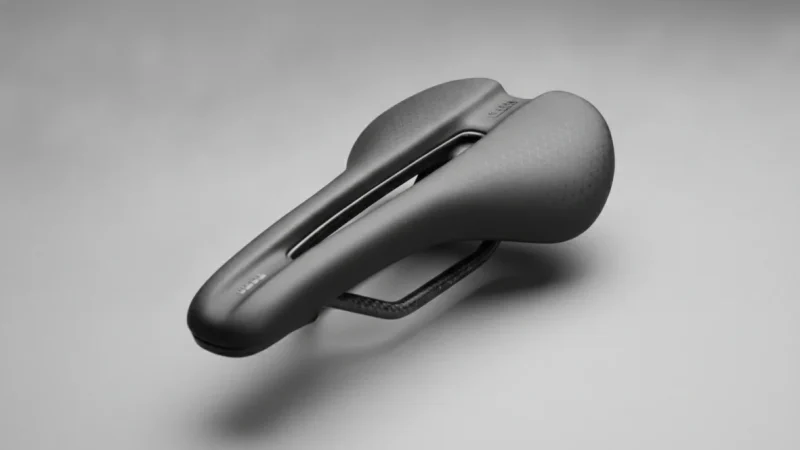
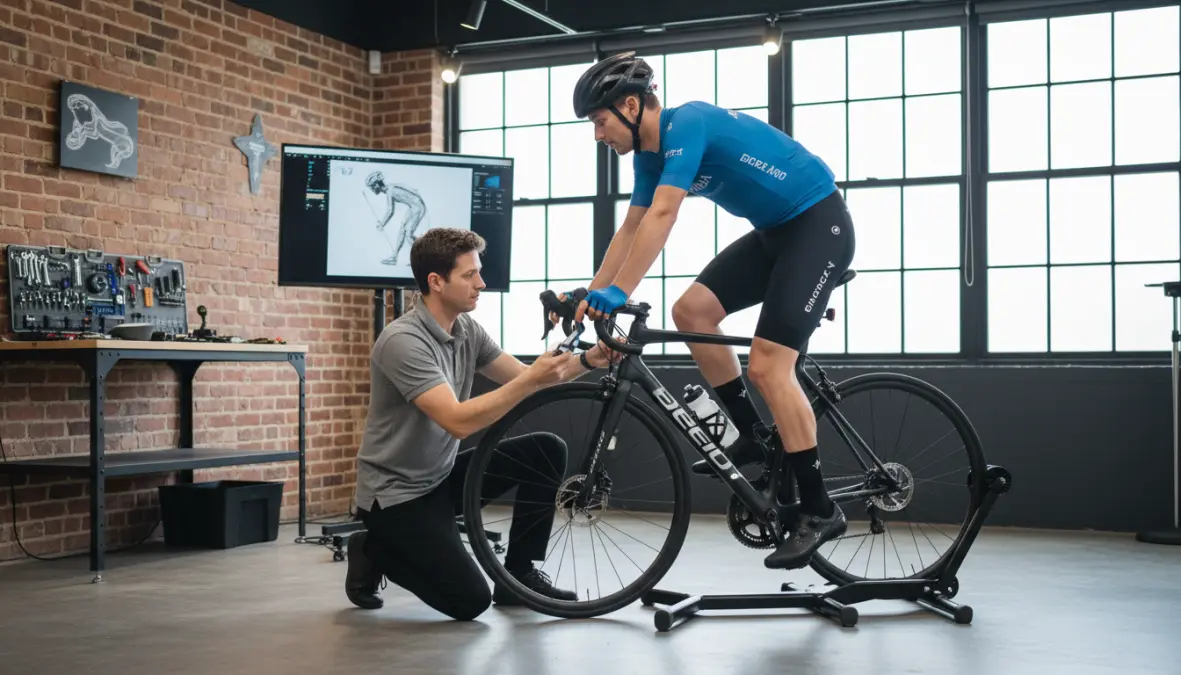
Spending 6-8 hours on a bike amplifies any fit issues. Invest in a professional bike fit early in your training—it’s cheaper than physical therapy. Your saddle time during training serves double duty: building fitness and testing comfort. If something hurts at mile 40 in training, it’ll be excruciating at mile 80 on event day.
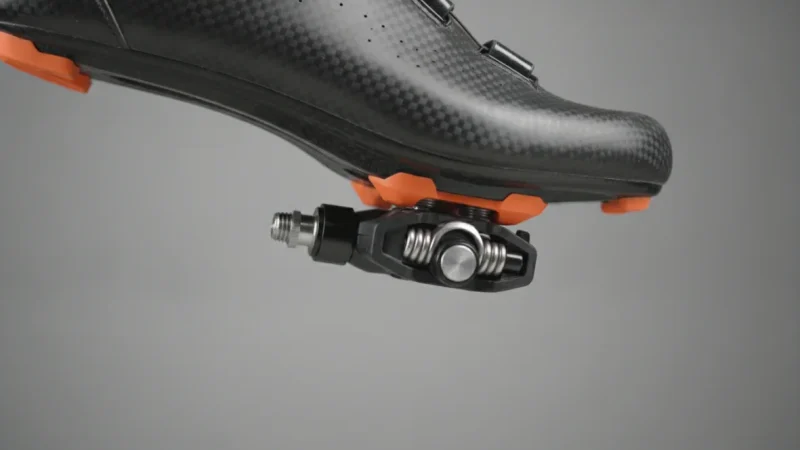
Test all your gear during training: shorts, chamois cream, jerseys, gloves, and especially your saddle. Break in those cycling shoes during shorter rides first. Create a gear checklist for event day and follow the golden rule: change nothing on race day. That new saddle or untested energy gel could turn your triumph into a nightmare. Consider using a quality fitness tracker to monitor your training metrics and ensure you’re hitting your targets.
First Century Ride Training: Week-by-Week Progression
Let’s break down a 12 week century ride training program for first century ride training success. Phase 1 (Weeks 1-4) focuses on base building. Your long ride progresses from 20 to 35 miles, with weekday rides around 10-15 miles. Total weekly volume: 40-60 miles. The goal is consistency and adapting to regular saddle time. If you’re transitioning from indoor training, allow extra time to adapt to outdoor conditions.
Phase 2 (Weeks 5-8) increases volume. Long rides build from 40 to 60 miles, adding one interval session weekly. Total volume reaches 60-75 miles per week. You’re teaching your body to handle increasing long distance bike training stress while maintaining quality.
Phase 3 (Weeks 9-11) is peak training. Your longest ride hits 70-80 miles around week 10 or 11. Weekly volume peaks at 75-85 miles. This phase tests your nutrition strategy, mental toughness, and physical preparation. Mental training becomes increasingly important as rides get longer and fatigue sets in.
Phase 4 (Week 12) is taper week. Cut volume by 40-50% while maintaining some intensity. Your longest ride might be 30-40 miles early in the week, with easy spins thereafter. Rest is your workout now—trust that the fitness is built. Common mistakes include panicking about lost fitness (you won’t lose any in one week) or trying to cram in extra miles (this only creates fatigue). Listen to your body throughout training. If you’re consistently exhausted, dial back before injury strikes.
FAQ: Century Ride Training
How long does it take to train for a century ride? Most cyclists need 12-16 weeks with consistent training, though this varies based on starting fitness level.
Do I need to ride 100 miles in training? No! Your longest training ride should be 70-80 miles. Event day excitement carries you through the final miles.
How many days per week should I train? Plan for 3-5 riding days weekly, balancing intensity with adequate recovery.
What pace should I ride during training? Long rides should be conversational pace—you should be able to chat comfortably. Save harder efforts for interval sessions.
How do I avoid bonking? Practice your nutrition strategy during every long ride. Consume 200-300 calories per hour and stay hydrated.
Can beginners do a century ride? Absolutely! With proper preparation and realistic expectations, beginners can successfully complete 100 miles. Consider a beginner-friendly structured training approach if you’re new to endurance sports.
Training for your first century ride is as much about the journey as the destination. Those early morning rides, the satisfaction of completing progressively longer distances, and the confidence you’ll build along the way make the event itself just one highlight in months of achievement. Start your plan today, stay consistent, listen to your body, and you’ll be amazed at what you can accomplish. Now get out there and start turning those pedals!