Cycling Group Ride Etiquette: Essential Rules and Tips for Safe Pack Riding
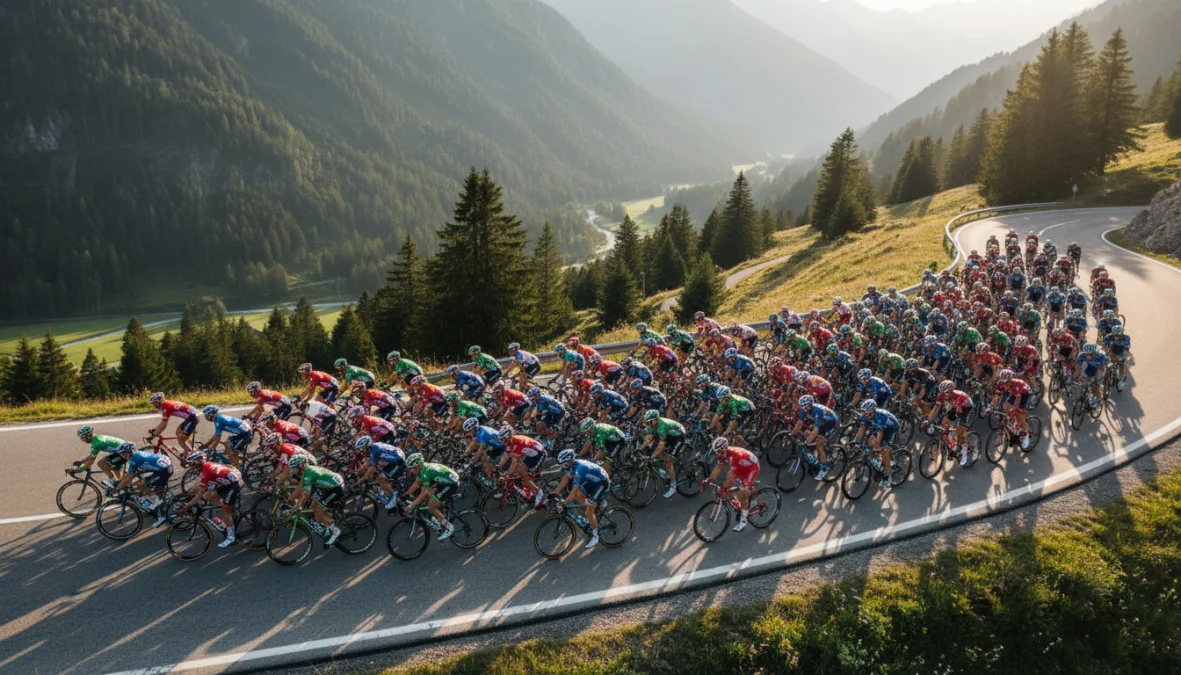
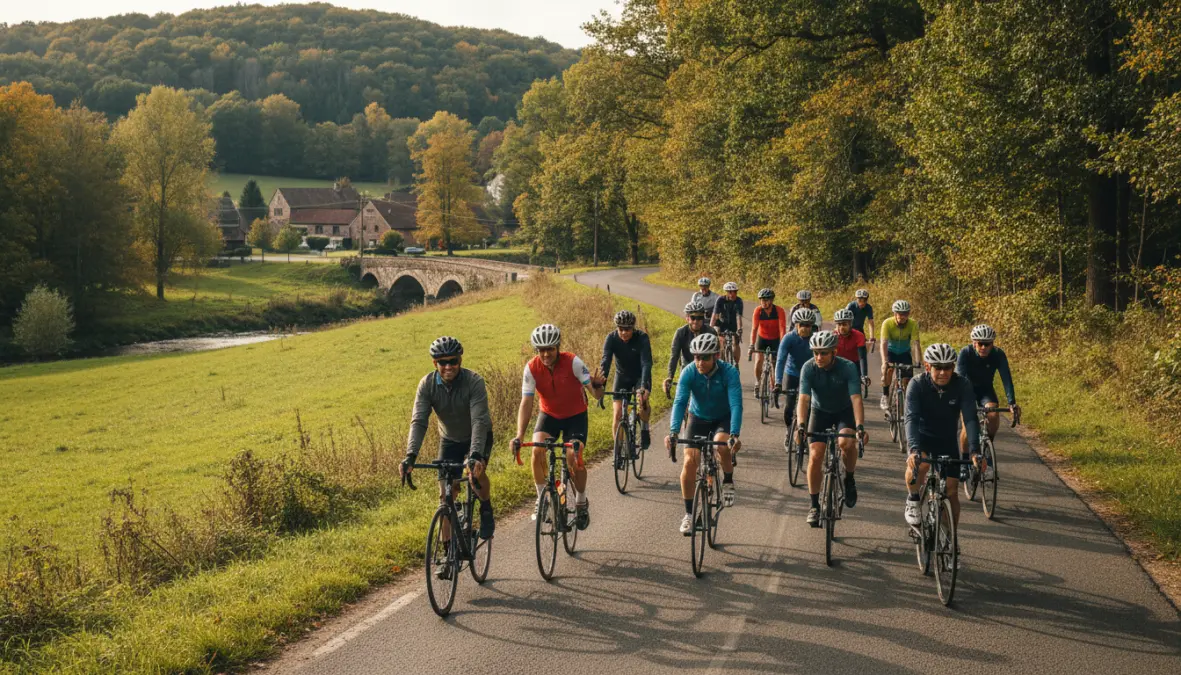
There’s nothing quite like the thrill of riding in a pack—wheels humming in unison, the wind shared among friends, and the road stretching ahead. But that exhilaration can turn dangerous fast if riders don’t follow proper cycling group ride etiquette. Whether you’re joining your first social spin or stepping into a fast-paced training ride, understanding the unwritten (and written) rules of pack riding isn’t just about being polite—it’s about keeping everyone upright and safe.
Group rides offer incredible benefits: shared workload through drafting, social connection, motivation, and the chance to push your limits. But they also demand a different skill set than solo riding. Let’s dive into everything you need to know to ride confidently and safely in a group.
Understanding Group Ride Dynamics and Basic Safety Principles
When you’re riding solo, you control every variable—your pace, your line, your responses to road conditions. But road cycling group rides require a completely different mindset. You’re now part of a moving organism where every rider’s actions affect everyone else. One sudden brake, one unpredictable swerve, and you could trigger a domino effect of crashes.
The foundation of pack riding safety is predictability. Smooth, steady movements trump flashy skills every time. Your fellow riders need to anticipate what you’ll do next, which means riding in a straight line, maintaining consistent speed, and communicating constantly.
Group rides come in various flavors: relaxed social rides where conversation flows freely, structured training rides with designated pace and intensity, and hammerfest rides where only the strong survive. Before joining any group, understand its purpose and pace. Showing up to a recovery ride and attacking every hill won’t win you friends. Similarly, joining an advanced ride without the fitness to hang on creates safety issues when you’re struggling in the draft.
The right mentality matters enormously. Leave your ego at home. Cycling group ride etiquette demands that you prioritize collective safety over personal glory. If you’re the strongest rider, that means controlling your power to keep the group together, not showing off. If you’re the weakest, it means communicating honestly about your limits and pulling off safely when necessary.
Essential Group Ride Rules Every Cyclist Must Follow
Mastering group ride rules starts with positioning. The cardinal sin of pack riding is wheel overlap—when your front wheel overlaps the rear wheel of the rider ahead. If they move laterally even slightly, you’re going down hard. Maintain a safe following distance (typically one bike length at moderate speeds) and keep your front wheel clear of others’ rear wheels.
Holding your line is perhaps the most repeated phrase in cycling peloton etiquette. It means riding in a predictable, straight path without weaving or making sudden movements. When drinking from your bottle, shifting position, or looking around, maintain your trajectory. Other riders are counting on you staying exactly where you are.
Never make sudden movements or hard braking in the pack. If you need to slow, scrub speed by sitting up to catch wind or soft-pedaling rather than grabbing brakes. If braking is unavoidable, do it gradually and call out “slowing” to warn riders behind you. Sharp accelerations are equally problematic—they create dangerous gaps and accordion effects through the group.
Respect traffic laws religiously. Group rides don’t exempt you from stop signs, red lights, or rules of the road. Blowing through intersections might feel efficient, but it endangers everyone and gives cyclists a bad reputation. When approaching stops, call them out early so the entire group can prepare.
If you get dropped from the pace, don’t panic and make dangerous moves trying to catch back on. Assess whether it’s safer to continue solo or wait for the sweep rider. Many organized rides have designated leaders and sweeps who ensure no one gets left behind completely. Proper preparation, including working on your base fitness through structured training programs, helps prevent getting dropped in the first place.
Communication Signals and Calls You Need to Know
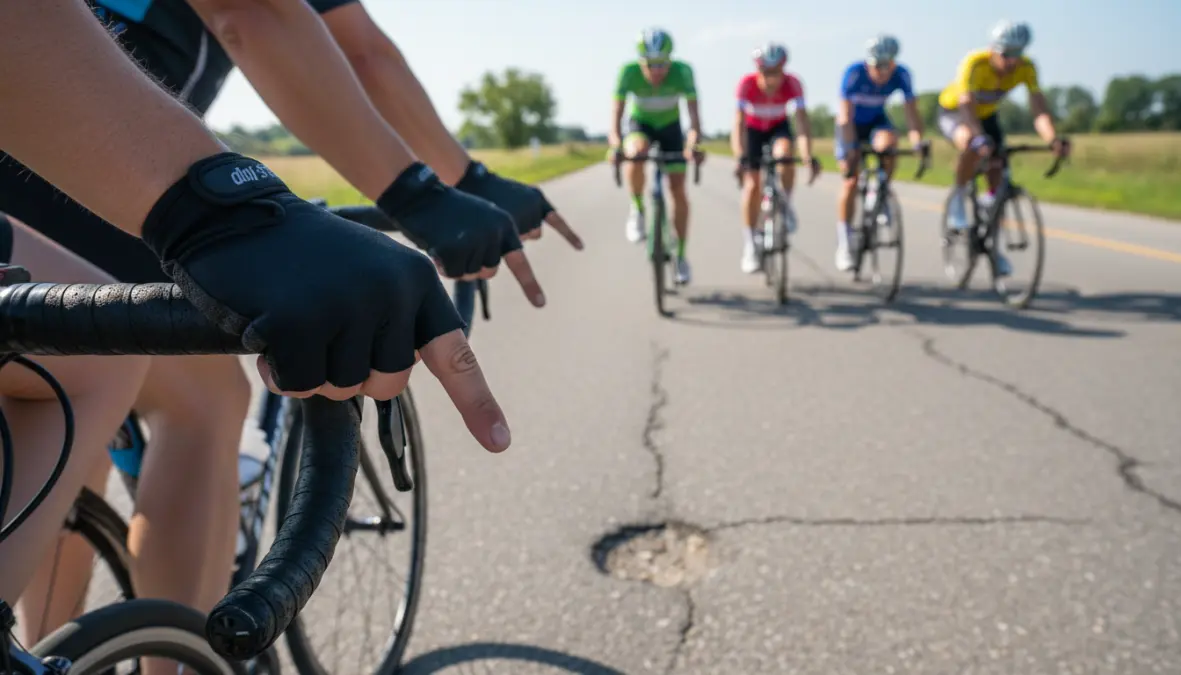
Communication is the nervous system of the pack. Cycling hand signals and vocal calls keep everyone informed about road conditions and traffic. Point out hazards with clear hand signals: point down at potholes, gravel, or debris on your side of the road. For larger hazards like parked cars, extend your arm out to indicate riders should move around.
Standard calls include “slowing” or “stopping” when reducing speed, “car up” when vehicles approach from ahead, “car back” when overtaking from behind, and “car left” or “car right” for cross traffic. When passing another cyclist or group, always call “on your left” with plenty of warning.
The single most important rule about calling out hazards is this: pass information backward. Don’t assume riders behind you can see what you see. When you hear a call or see a signal, repeat it for those behind you. This daisy-chain communication ensures the entire pack stays informed, especially in larger groups where the back can’t see the front.
Paceline Etiquette and Rotation Techniques
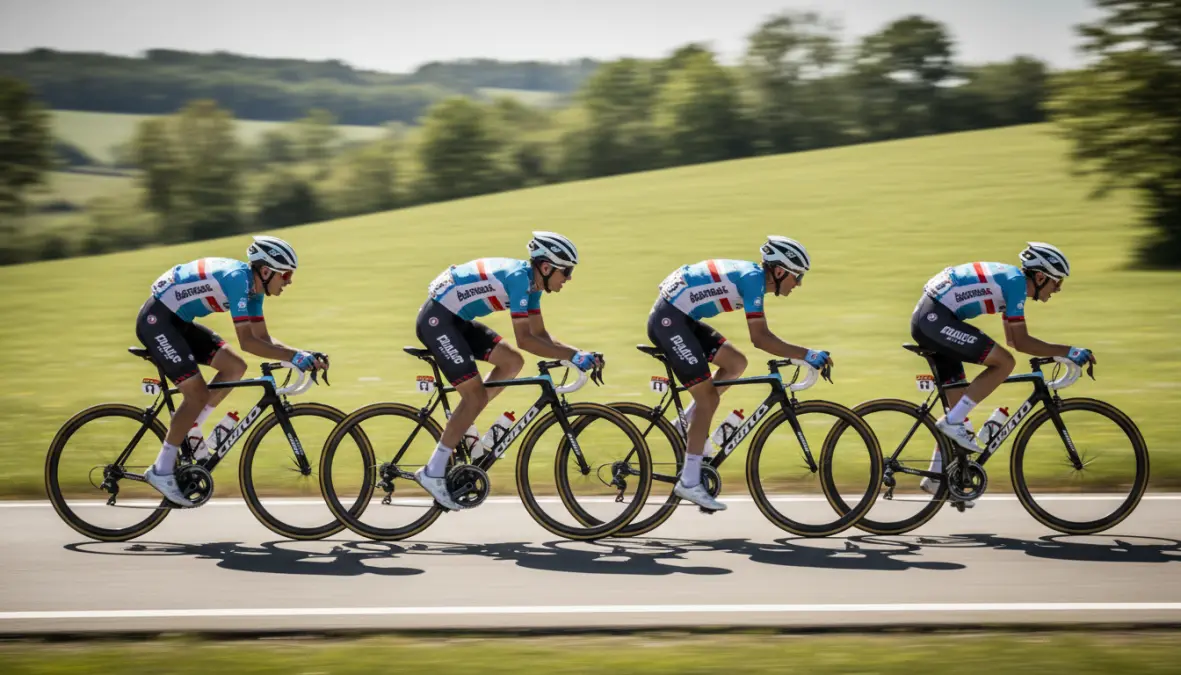
The rotating paceline is where group riding efficiency peaks. In a single paceline, riders take turns at the front battling the wind while others draft behind. When pulling, maintain the established pace—don’t surge. After your pull (typically 30 seconds to 2 minutes depending on speed and conditions), signal by flicking your elbow and smoothly move to the side, allowing the next rider to come through.
As you drift back, soft-pedal slightly to let the line pass, then slot in at the rear. In a double paceline, riders form two lines, with the left line moving slightly faster. After your pull, you drift left, move back, then slide right into the slower returning line. It’s a beautiful rotation when done smoothly.
Cycling paceline etiquette demands self-awareness. If you’re fatigued, take a shorter pull or skip your turn by staying at the back—just signal your intention. Don’t half-wheel (when the rider pulling moves slightly ahead of the rider beside them, forcing an increased pace). This aggressive move breaks the rhythm and irritates everyone. Understanding your optimal effort through cadence training helps you maintain consistent pulls.
Group Cycling Tips for Different Riding Scenarios and Skill Levels
For your first group ride, arrive early, introduce yourself, and be honest about your experience level. Bring spare tubes, tire levers, a pump, water, nutrition, and a fully maintained bike. Position yourself mid-pack initially—not at the very front where you’ll control pace, nor at the back where gaps form and you’ll work hardest to stay on.
In heavy traffic, the group should single up, with riders calling “single up” from the front when roads narrow or cars approach. Some rides use a “no drop” policy for certain sections, meaning the group waits for slower riders. Others are “drop rides” where you’re responsible for yourself. Know which type you’re joining.
Climbing in a group presents unique challenges. On steep grades, the natural pace variation means groups often splinter. Proper bunch riding rules suggest stronger climbers moderate their pace or the group designates a regroup point at the summit. Never sit on someone’s wheel then sprint past them at the top—that’s poor form unless it’s a designated race simulation.
Descents require heightened attention. Maintain your position but give extra following distance as speeds increase. Don’t overlap wheels, brake erratically, or take dangerous lines through corners. If you’re uncomfortable with the descent pace, let riders know and take it at your speed—better to lose contact temporarily than crash.
Weather conditions change everything. In crosswinds, the group naturally forms an echelon (diagonal line) to provide maximum draft. In rain, braking distance increases dramatically—double your following distance and avoid painted road markings and metal surfaces. If you’re transitioning from indoor to outdoor riding, group dynamics in real-world conditions require adjustment.
If you’re among the stronger riders, your responsibility extends beyond yourself. Setting a sustainable pace, providing clear communication, and ensuring weaker riders aren’t getting shelled on every acceleration makes you a valued group member. Creating an inclusive environment helps the sport grow, something especially important for encouraging diverse participation in cycling.
FAQ
What should I bring to my first group ride?
Essential items include spare tubes (at least two), tire levers, CO2 cartridges or a frame pump, multi-tool, identification, phone, water bottles, energy gels or bars, and cash for emergencies. Ensure your bike is in perfect mechanical condition—check brakes, tire pressure, and drivetrain before leaving. Poor bike maintenance causes crashes and disrupts the entire group.
How do I keep up with a fast group ride?
Proper drafting is crucial—riding in someone’s slipstream can reduce your effort by 30%. Stay relaxed on the bike, maintain efficient pedaling cadence, and don’t waste energy with constant speed variations. Build your fitness through consistent training and ensure proper bike fit to maximize power output while minimizing fatigue. Fuel properly before and during rides using strategies like strategic carbohydrate timing.
What does ‘hold your line’ mean in cycling?
Holding your line means maintaining a straight, predictable path without weaving side to side. Riders drafting behind you or beside you in a paceline count on you staying exactly where you are. Even small lateral movements can cause crashes when wheels are just inches apart. Practice riding straight even while looking around, drinking, or shifting gears.
When should I pull off in a paceline?
Pull off after maintaining the established pace for 30 seconds to 2 minutes, depending on terrain and speed. Signal by flicking your elbow to the side you’ll move toward, then smoothly drift over without slowing abruptly. If you’re too tired to pull through effectively, communicate this and skip your turn at the front—it’s better than pulling weakly and slowing the group.
What to do if I get dropped from the group?
Don’t chase desperately and blow yourself up. Assess the situation: can you maintain visual contact and potentially catch back on during a slowdown? If not, continue at a sustainable pace solo. Many rides have predetermined regroup points at turns or after climbs. Getting dropped isn’t shameful—it’s information about your current fitness level that guides your training focus.
Is it rude to pass in a group ride?
Context matters. On designated social rides, aggressive passing breaks the spirit of the ride. On training or race-simulation rides, passing may be expected but should be done safely—call “on your left,” leave ample space, and don’t cut back in sharply. Never pass on the right or in dangerous sections like descents or narrow roads. When in doubt, stay with the group pace rather than forcing moves that compromise safety.
Mastering cycling group ride etiquette transforms you from a liability into a valued member of the pack. These skills take time to develop, so be patient with yourself while staying committed to learning. Every experienced rider once wobbled nervously in their first paceline. The beautiful part of cycling culture is how willingly experienced riders share knowledge with newcomers. Ask questions, observe closely, and gradually you’ll find yourself moving through the pack with confidence, contributing to the collective rhythm that makes group riding so magical. Now get out there and find your pack—just remember to hold your line!