Active Recovery Workouts: What to Do on Rest Days to Boost Your Fitness

You crushed your workout yesterday, and now your muscles are screaming. But instead of collapsing on the couch for the next 24 hours, what if there was a smarter way to recover? Enter active recovery workouts—the secret weapon that keeps you moving without breaking down your body. Rest days don’t have to mean doing absolutely nothing, and in fact, the right kind of gentle movement can actually speed up your recovery, reduce soreness, and prepare you for your next training session better than complete rest alone.
What Is Active Recovery and Why It Matters
So what exactly are active recovery workouts? Simply put, they’re low-intensity exercises performed on rest days that promote blood flow and muscle repair without adding significant stress to your body. Unlike passive recovery (think: Netflix marathon on your couch), active recovery exercises involve gentle movement that helps flush out metabolic waste products like lactate and delivers oxygen-rich blood to fatigued muscles.
The science backs this up. Studies show that light activity increases circulation, which accelerates the removal of metabolic byproducts that contribute to muscle soreness. This improved blood flow also delivers essential nutrients to damaged muscle tissue, speeding up the repair process and helping prevent DOMS (Delayed Onset Muscle Soreness)—that brutal stiffness you feel 24-48 hours post-workout.
But when should you choose active recovery versus complete rest? If you’re dealing with extreme fatigue, illness, or acute injury, complete rest is non-negotiable. However, for general muscle soreness after intense training, what to do on rest days should include some form of gentle movement. Most athletes benefit from incorporating 1-2 active recovery sessions per week between harder training days, creating a sustainable rhythm that balances stress and recovery.

Best Active Recovery Workouts and Exercises for Rest Days
Not all movement is created equal when it comes to rest day workouts. The golden rule? Keep intensity between 30-60% of your maximum effort. Here are the most effective recovery day activities that promote healing without compromising your gains:
Yoga and Dynamic Stretching: Gentle yoga flows and stretching exercises improve flexibility while promoting relaxation through breathwork. Focus on restorative poses and avoid power yoga on recovery days. Duration: 30-45 minutes. Best for: Athletes with tight hips, shoulders, or chronic tension. Yoga for recovery also reduces cortisol levels, helping your nervous system shift from sympathetic (fight-or-flight) to parasympathetic (rest-and-digest) mode.
Walking or Light Jogging: One of the simplest light workout for recovery options. A leisurely walk or very easy jog (you should be able to hold a conversation) increases circulation without taxing your cardiovascular system. Duration: 20-40 minutes. Best for: Everyone, especially runners and high-impact athletes needing joint relief.
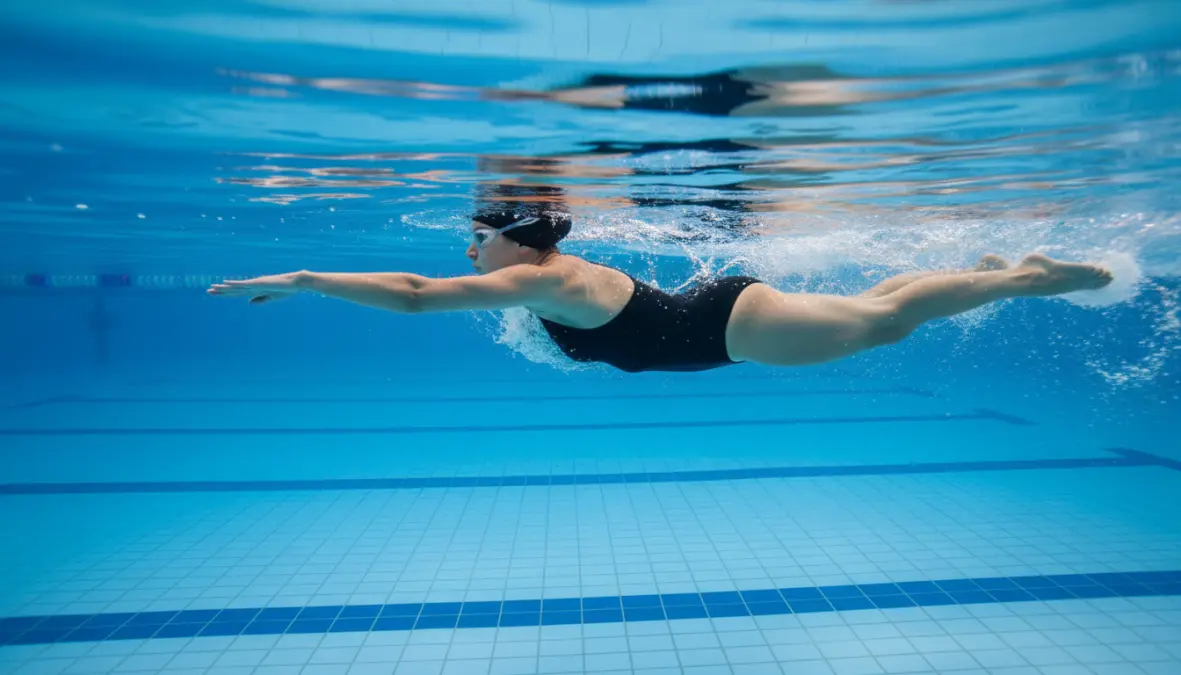
Swimming and Water Activities: Swimming for recovery is incredibly effective because water provides resistance without impact. The hydrostatic pressure also helps reduce inflammation and swelling. Even floating and gentle water walking count. Duration: 20-30 minutes. Best for: Anyone with joint issues or those recovering from high-impact training.
Easy Cycling: Spinning at a comfortable pace on flat terrain promotes leg circulation and maintains aerobic fitness without creating excessive muscle damage. Keep your heart rate in Zone 1-2. Duration: 30-45 minutes. Best for: Cyclists, runners, and anyone seeking low intensity training that’s easy on the joints.
Foam Rolling and Mobility Work: While not traditional cardio, foam rolling and mobility work are crucial active rest exercises. Self-myofascial release breaks up adhesions, improves tissue quality, and enhances range of motion. Duration: 15-20 minutes. Best for: Strength athletes, CrossFitters, and anyone with specific movement restrictions.
Tai Chi or Pilates: These mindful movement practices combine gentle strengthening with breathing and body awareness. They’re perfect for maintaining core stability and body control during recovery phases. Duration: 30-45 minutes. Best for: Those seeking mental recovery alongside physical restoration.

Sample Active Recovery Workout Routine
Here’s a practical 40-minute recovery workout routine you can do anywhere:
Warm-Up (8 minutes):
- 5 minutes easy walking or cycling
- 3 minutes gentle joint rotations (ankles, hips, shoulders, neck)
Main Sequence (25 minutes):
- Cat-Cow Stretches: 2 sets of 10 slow repetitions—promotes spinal mobility and core engagement
- Foam Rolling Circuit: 2-3 minutes each on calves, quads, IT bands, and upper back
- Walking Lunges with Rotation: 2 sets of 8 per side—gentle hip mobility and light leg activation
- Child’s Pose to Downward Dog Flow: 3 sets of 5 transitions—full-body stretch and gentle movement
- Light Swimming or Walking: 10 minutes at conversational pace
Cool-Down (7 minutes):
- Supine figure-four stretch: 90 seconds per side
- Seated forward fold: 2 minutes
- Lying spinal twist: 90 seconds per side
This combination of active recovery exercises addresses multiple recovery needs while keeping intensity appropriately low. If you’re particularly interested in optimizing your recovery strategy, check out our guide on Recovery Nutrition: The Complete Guide to Post-Workout Foods and Timing to complement your movement work with proper fueling.
How to Design Your Perfect Rest Day Strategy
Creating an effective approach to what to do on rest days requires tuning into your body’s signals and avoiding common pitfalls. Here’s how to nail your recovery day activities:
Listen to Your Body’s Signals: Fatigue comes in different flavors. General muscle soreness? Perfect for active recovery. Sharp pain, extreme exhaustion, or declining performance across multiple sessions? That’s your body demanding complete rest. Track your morning resting heart rate—if it’s elevated 5-10 beats above baseline, consider scaling back intensity or taking full rest.
Apply the 80/20 Rule: About 80% of your training should be at lower intensities (Zones 1-3), with only 20% at high intensity (Zones 4-5). This applies to your weekly schedule too. If you’re crushing three high-intensity sessions weekly, you need at least one or two active recovery days to maintain this balance.
Avoid These Common Mistakes: The biggest error? Turning recovery days into moderate-intensity workouts. That “just a little bit harder” mentality prevents true recovery. Also, never ignore persistent pain—muscle recovery requires addressing issues, not pushing through them. If you’re experiencing signs of overtraining, our article on Common Overtraining Symptoms and How to Recover Properly provides essential guidance.
Integrate the Recovery Triangle: Movement is just one pillar. Combine your active rest exercises with proper nutrition (prioritizing protein and anti-inflammatory foods) and quality sleep (7-9 hours). For fueling ideas that support recovery, explore our Spring Nutrition Reset: A Clean Eating Plan Designed for Active Lifestyles.
When to Choose Complete Rest: If you’re sick, injured, experiencing unusual fatigue, or have multiple consecutive days of poor sleep, skip the active recovery and embrace full rest. Your body will thank you with better performance when you return to training.
FAQ: Active Recovery Workouts
How often should I do active recovery?
Most athletes benefit from 1-2 active recovery sessions per week, depending on training intensity and volume. If you’re training 5-6 days weekly at moderate-to-high intensity, incorporate at least one dedicated active recovery day. Listen to your body—some weeks may require more recovery than others.
Can I do strength training on active recovery days?
Traditional heavy strength training defeats the purpose of recovery. However, very light resistance work (30-40% of your max), mobility drills with resistance bands, or bodyweight exercises performed slowly and mindfully can be appropriate. The key is never reaching muscular failure or significant fatigue.
What’s the difference between active and passive recovery?
Passive recovery involves complete rest—no structured exercise. Active recovery incorporates low-intensity movement that promotes circulation and healing without adding training stress. Both have their place, but active recovery often accelerates the removal of metabolic waste and reduces perceived soreness more effectively than passive rest alone.
How long should an active recovery workout be?
Aim for 20-45 minutes of low-intensity activity. Shorter sessions (15-20 minutes) work well for foam rolling and mobility work, while longer sessions (30-45 minutes) suit walking, swimming, or gentle yoga. Quality matters more than duration—never push into moderate or high intensity zones.
Is walking enough for active recovery?
Absolutely! Walking at a comfortable, conversational pace is one of the best active recovery activities. It increases circulation, reduces stress, and requires minimal recovery itself. Aim for 20-40 minutes at an easy pace. Combine it with some light stretching afterward for a complete recovery session.
Rest days aren’t about doing nothing—they’re about doing less, more intentionally. By incorporating smart active recovery workouts into your training schedule, you’ll bounce back faster, reduce injury risk, and ultimately perform better when it counts. Remember, fitness isn’t just built during hard workouts; it’s solidified during the recovery that follows. So lace up those walking shoes, roll out that yoga mat, or jump in the pool—your body has work to do, just at a gentler pace.