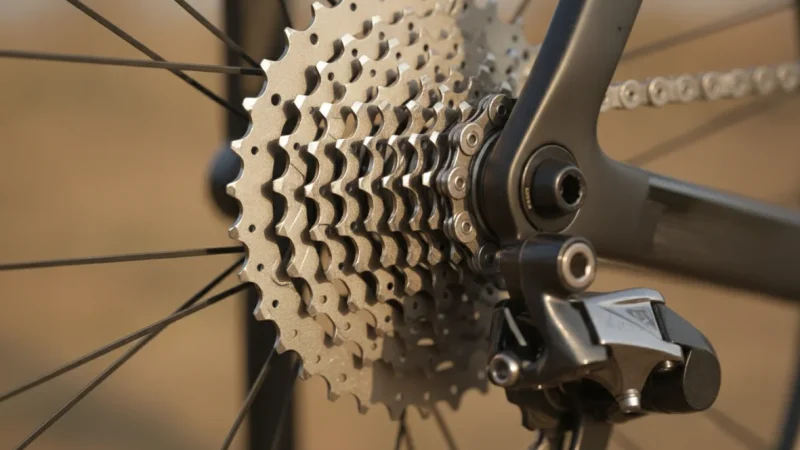
Cycling Saddle Bag Essentials: What Every Rider Should Carry
Picture this: you’re 20 miles from home, feeling great on your ride, when you hear that dreaded hiss of air escaping your tire. Do you have what you need to get back on the road? A well-stocked bike saddle bag is your insurance policy against mechanical misfortune and the difference between a minor inconvenience and a long walk home. Whether you’re heading out for a quick spin around town or tackling a century ride, knowing cycling saddle bag essentials ensures you’re prepared for whatever the road throws at you.
Must-Have Items for Your Bike Saddle Bag
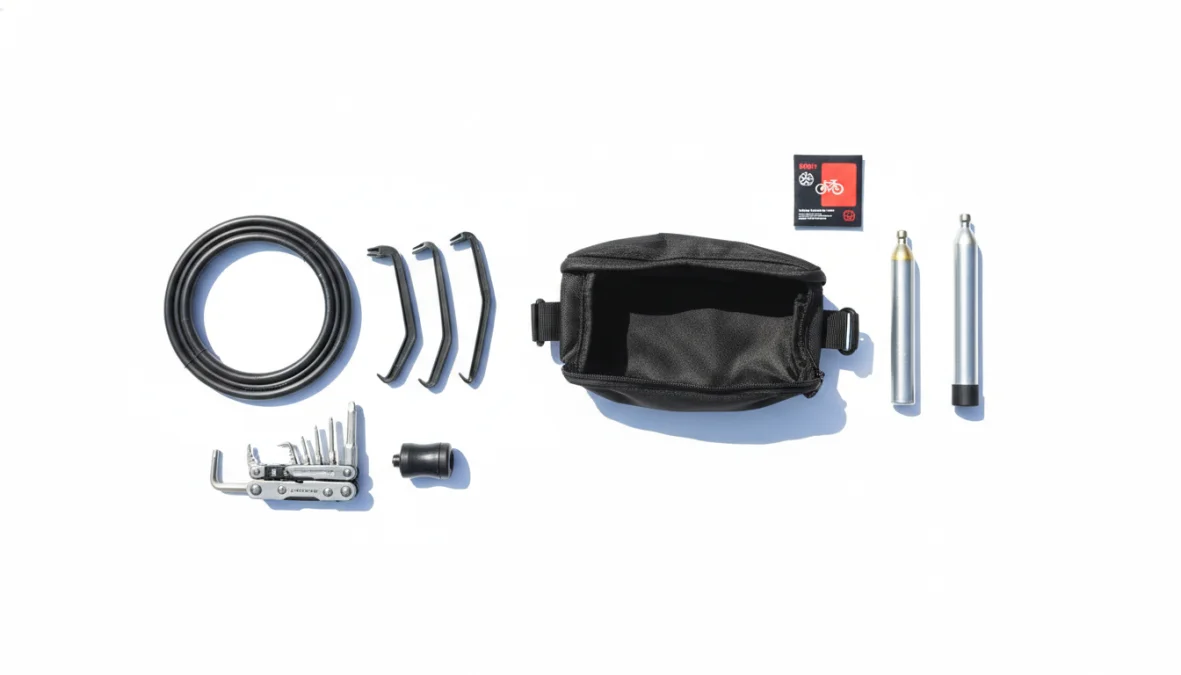
When it comes to cycling saddle bag essentials, think of your bike saddle bag as your mobile workshop. The core cycling essentials you pack should enable you to handle the most common roadside issues without turning your bag into a burden. A properly assembled bike repair kit doesn’t need to include every tool in your garage—just the right ones.
Start with the fundamentals: a multi tool with essential hex keys (typically 4mm, 5mm, and 6mm), screwdrivers, and possibly a chain breaker. Next, include tire repair essentials like tire levers (at least two, preferably three), and choose between a patch kit or spare inner tube—or better yet, both. For inflation, decide between a mini pump or CO2 cartridges based on your preference and ride type.
These items form your first line of defense against the most common cycling mishap: the flat tire. Beyond that, consider your riding style and distance. What to pack in cycling saddle bag for a 10-mile commute differs slightly from essential items for bike saddle bag on a 60-mile training ride, but the core components remain constant. For longer adventures, check out our complete guide to bike packing essentials for extended trip preparation.
Basic Bike Repair Kit Components
Your multi-tool should cover the most common bolt sizes on your bike—seatpost clamps, bottle cages, brake adjustments, and derailleur fixes. A quality multi-tool weighs just 100-150 grams but provides enormous peace of mind. For tire repair, carrying both a spare inner tube and a patch kit gives you options: tubes offer speed when you need to get moving quickly, while patches work when you’ve already used your spare or have multiple flats.
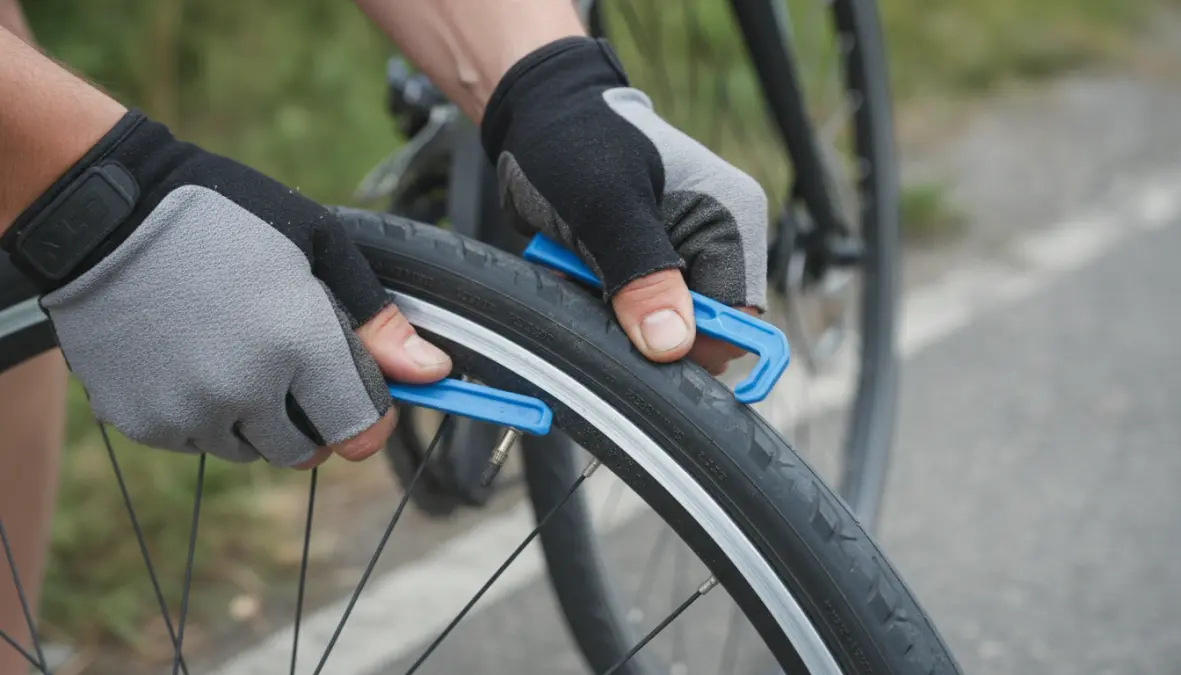
Regarding inflation, mini pumps are reliable and reusable but require effort to reach proper pressure. CO2 cartridges provide lightning-fast inflation (perfect during group rides when you don’t want to hold others up) but are single-use and can freeze in cold weather. Many experienced riders carry both: CO2 for quick fixes, a mini pump as backup. Don’t forget tire levers—plastic ones are lightweight and won’t damage your rims, and modern tight-fitting tires often require them for removal.
Emergency and Safety Essentials
Mechanical failures aren’t the only roadside concerns. Your cycling saddle bag essentials should include emergency supplies beyond tools. A small ziplock bag with emergency contact information, insurance details, and some cash can be invaluable if your phone dies or you need to call a taxi after a serious mechanical. Speaking of phones, ensure yours is charged—it’s your communication lifeline and navigation tool.
Basic first-aid items like adhesive bandages, antiseptic wipes, and pain relievers take minimal space but address common issues like road rash or unexpected aches. Energy gels or bars serve double duty as emergency fuel; bonking miles from home is no fun. For more guidance on fueling rides properly, our cycling nutrition guide covers what to eat before, during, and after rides.
Choosing the Right Bicycle Seat Bag for Your Needs
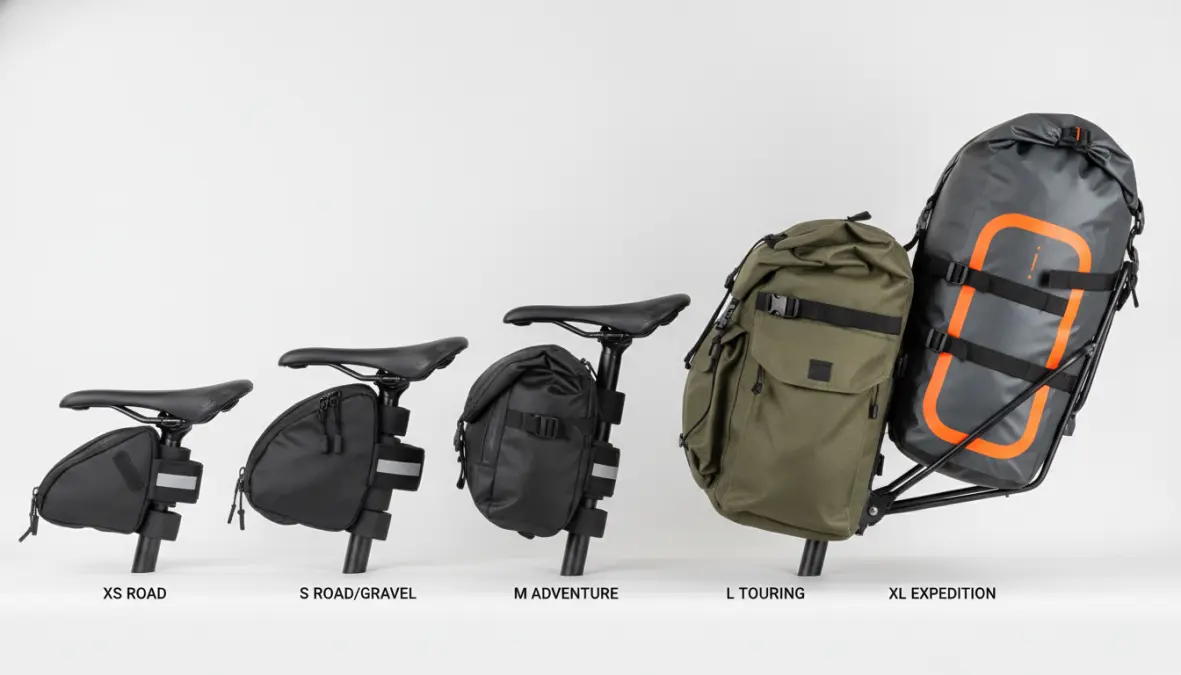
Not all bicycle seat bags are created equal, and selecting the right one depends on your riding style, bike type, and typical ride duration. A road bike saddle bag prioritizes compact size and aerodynamics, while mountain bikers might opt for slightly larger bags with more durable materials to withstand trail abuse.
Size matters when it comes to cycling gear storage:
- Small bags (0.3-0.6L): Perfect for road cyclists and minimalists. Holds a tube, tire levers, multi-tool, and CO2 cartridges. Ideal for rides under 30 miles where you’re staying relatively close to home.
- Medium bags (0.6-1.0L): The sweet spot for most riders. Accommodates all essentials plus extras like a patch kit, mini pump, and some emergency supplies. Suitable for most day rides and training sessions.
- Large bags (1.0L+): Best for long-distance rides, touring, or riders who prefer comprehensive preparedness. Room for additional layers, more food, extra tubes, and extended repair options.
Attachment systems vary from strap-based designs to quick-release mechanisms. Strap systems are universal and secure but take longer to remove. Quick-release clips offer convenience for bikes you frequently transport or when you need regular access to contents. Ensure whatever system you choose doesn’t interfere with your seatpost or rails.
Material considerations impact longevity and contents protection. Fully waterproof bags with welded seams and roll-top closures keep contents dry in downpours but cost more. Water-resistant bags with zippers offer easier access and lower prices but may let moisture in during heavy rain. Consider your typical riding conditions—if you’re often caught in weather, waterproofing is worth the investment.
For road bikes, aerodynamics become relevant on longer rides. Sleek, wedge-shaped designs minimize drag, though the real-world impact is minimal for recreational riders. Visibility matters too—bags with reflective elements or light attachment points enhance safety during low-light riding. When preparing for specific events like training for a century ride, having the right saddle bag setup becomes part of your overall preparation strategy.
Frequently Asked Questions
What should I keep in my saddle bag?
Your cycling saddle bag essentials should include a spare tube or patch kit, tire levers, a multi-tool, and inflation device (mini pump or CO2 cartridges). Add emergency contact info, basic first aid supplies, and some cash for longer rides. This cycling saddle bag packing list covers most common roadside scenarios without excessive weight.
How big should my bike saddle bag be?
Most riders find 0.6-1.0L bike saddle bags ideal, offering enough space for all essential items without excessive bulk. Minimalist road cyclists might prefer smaller 0.3-0.6L bags, while touring riders or those preparing for long distances may need 1.0L+ capacity. Choose based on ride length and personal preparedness preferences.
Do I need a saddle bag for short rides?
Yes. Even on short rides, a flat tire can happen, and walking home isn’t fun regardless of distance. A small bicycle seat bag with basic flat tire repair essentials weighs little but provides significant peace of mind. Think of it as insurance—you hope you won’t need it, but you’ll be grateful when you do.
What’s better: saddle bag or frame bag?
Both have advantages. Saddle bags keep the frame clear for bottles and don’t affect bike handling or cycling gear storage accessibility. Frame bags offer better weight distribution and easier access while riding but reduce bottle space. Many riders use both—saddle bag for repair items, frame bag for food and frequently accessed items during long rides.
Should I carry a spare tube or patch kit?
Ideally, both. A spare inner tube enables fast roadside repairs—crucial during group rides or when weather is poor. A patch kit serves as backup if you use your spare or experience multiple flats. Patches are lighter and take less space, making them perfect insurance. The best things to carry in saddle bag include both options.
How do I keep my saddle bag organized?
Use small ziplock bags to group items: one for tire repair (tube, levers, patches), one for tools (multi-tool, chain links), and one for emergency items (cash, ID, first aid). This organization makes finding items easier during roadside repairs when you’re stressed. Periodically empty and reorganize your bag—expired patch glue or deflated spare tubes don’t help when you need them.
Having the right cycling saddle bag essentials transforms potential ride-ending disasters into minor inconveniences. Whether you’re commuting to work, joining group rides, or tackling epic solo adventures, knowing what should I put in my bike saddle bag ensures you’re prepared for whatever comes your way. Invest in quality essentials, pack them properly, and ride with confidence knowing you can handle the most common mechanical issues. Your future self—standing roadside with a flat tire but all the tools to fix it—will thank you.