
Tabata Protocol: The Science Behind 4-Minute Maximum Intensity Training

Imagine getting the same cardiovascular and fat-burning benefits of a 45-minute steady-state cardio session in just four minutes. Sounds too good to be true? That’s exactly what tabata protocol training promises—and delivers. This ultra-efficient, scientifically-backed workout method has taken the fitness world by storm, offering maximum results in minimum time. But before you jump into those grueling 20-second bursts, let’s dive into what makes this protocol so effective and how to do it properly.
What Is the Tabata Protocol and How Does It Work
The tabata protocol training was developed by Japanese scientist Dr. Izumi Tabata in 1996 while working with the Japanese speed skating team. His groundbreaking research compared moderate-intensity continuous training with high intensity interval training, and the results were remarkable.
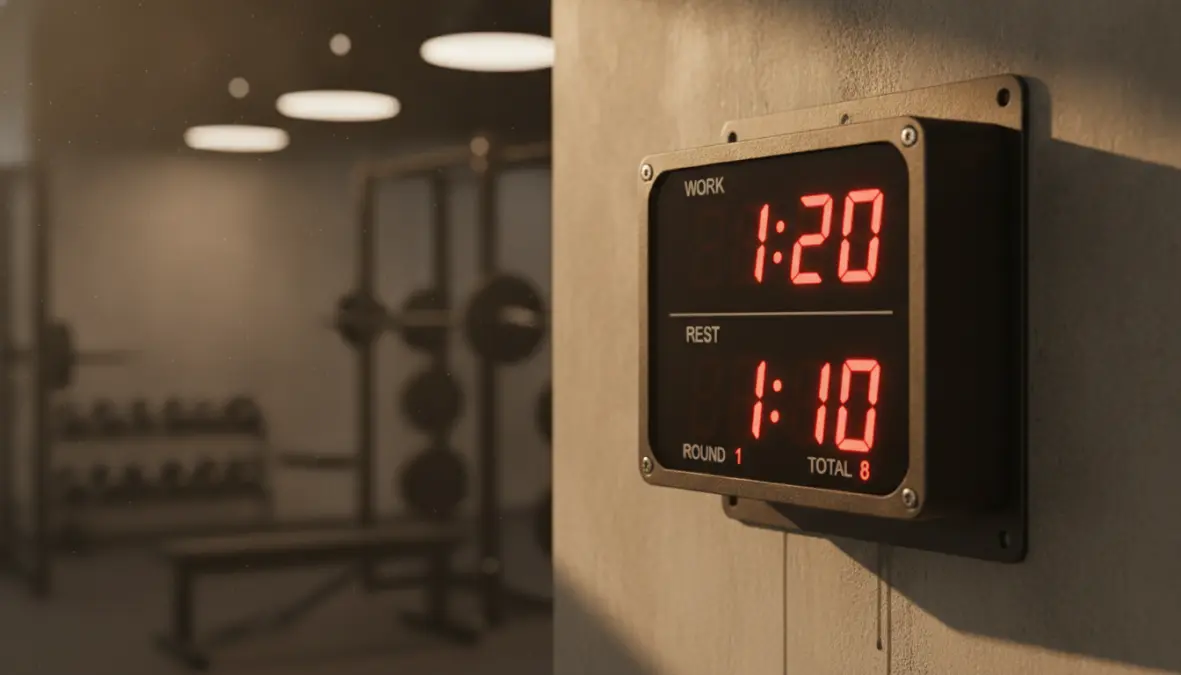
The structure is deceptively simple: 20 seconds of all-out effort followed by 10 seconds of rest, repeated for 8 rounds, totaling exactly 4 minutes. These tabata intervals aren’t just another trendy workout—they’re backed by serious science. Dr. Tabata’s original study showed that participants improved both aerobic capacity (VO2 max) by 14% and anaerobic capacity by 28% in just six weeks.
What makes tabata protocol training different from other hiit training formats? The timing is non-negotiable. While general HIIT might use various work-to-rest ratios (30:30, 40:20, etc.), true Tabata sticks to the specific 2:1 ratio. The intensity must be genuinely maximal—we’re talking 170% of your VO2 max during work intervals. This pushes your body into the anaerobic exercise zone, creating an oxygen debt that triggers the afterburn effect (EPOC), where your body continues burning calories for hours post-workout.
The science behind its effectiveness lies in metabolic conditioning. During those intense 20-second bursts, you deplete ATP stores and accumulate lactate, forcing your body to adapt by improving both aerobic and anaerobic systems simultaneously. This dual benefit is rare in traditional cardio, which typically targets only one energy system. Plus, the time efficiency is unbeatable—perfect for athletes who need to maintain conditioning without sacrificing recovery time needed for sport-specific training, similar to how cyclists approach strength training to complement their main discipline.
How to Perform a Tabata Workout: Exercises and Structure
Executing a proper tabata workout requires more than just flailing around for 20 seconds. Structure and exercise selection matter enormously. Here’s how to set up your 4 minute tabata session for maximum effectiveness.
First, invest in a good tabata timer. You’ll find plenty of free apps and online timers specifically designed for this protocol—look for ones with clear audio cues, customizable intervals, and a preparation countdown. This isn’t optional; trying to watch a clock while at maximum effort defeats the purpose.
For tabata exercises, choose compound movements that engage multiple muscle groups and can be performed explosively. The best options include:
- Burpees – Full-body power and cardio combined
- Jump squats – Lower body explosiveness and cardiovascular demand
- Mountain climbers – Core stability with cardio conditioning
- High knees – Pure cardiovascular intensity
- Push-ups (explosive or regular) – Upper body strength endurance
- Kettlebell swings – Posterior chain power
- Battle rope slams – Upper body metabolic stress
You can structure your session in two ways: perform one exercise for all 8 rounds, or alternate between two complementary exercises every round. Beginners should stick with a single movement to maintain form as fatigue sets in.
The warm-up is non-negotiable. Spend at least 5-10 minutes preparing your body with dynamic stretches and movement prep, gradually increasing intensity. Proper mobility work before intense sessions reduces injury risk significantly. Similarly, cool down with 5 minutes of light movement and stretching.
For beginners, modify the protocol by reducing intensity rather than changing the timing—the specific work rest ratio is what makes it Tabata. Start at 80% effort and gradually build to true maximum intensity over several weeks. Form always trumps speed; sloppy reps at high speed increase injury risk without additional benefit. Just like with proper nutrition before training, preparation determines results.

Common Questions About Tabata Protocol Training
Let’s address the most frequent questions about implementing tabata protocol training into your fitness routine.
How Often Should You Do Tabata?
Limit true tabata workout sessions to 2-3 times per week maximum. The intensity creates significant physiological stress that requires adequate recovery. Training daily would quickly lead to overtraining symptoms and diminished results. Allow at least 48 hours between sessions, and consider it as your high-intensity work within a balanced training program.
Is Tabata Good for Weight Loss?
Absolutely. Research shows tabata protocol training burns more calories per minute than steady-state cardio and creates a significant EPOC effect, making it an exceptional fat burning workout. A single 4-minute session can elevate your metabolism for up to 24 hours. However, remember that proper hydration and nutrition remain critical for fat loss—no workout outperforms a poor diet.
Can Beginners Do Tabata?
Yes, with modifications. True beginners should build a baseline fitness level first—if you can’t perform 20 continuous burpees with good form, start with modified versions or lower-impact movements. Those with cardiovascular conditions, joint issues, or who are significantly overweight should consult a physician first. The mental component matters too; building mental toughness helps push through the discomfort that makes Tabata effective.
What’s the Difference Between Tabata and Regular HIIT?
Tabata is a specific type of hiit training, not a synonym. Regular HIIT encompasses any interval training with varied work-to-rest ratios and intensity levels. True tabata intervals require the exact 20:10 protocol and maximal effort. Many “Tabata-style” workouts aren’t actually Tabata—they’re just circuit training or cardio intervals using a timer. The distinction matters because the specific protocol drives the unique physiological adaptations.
Do You Need Equipment for Tabata?
No. Bodyweight exercises work perfectly for tabata protocol training. Burpees, jump squats, mountain climbers, and high knees require zero equipment. That said, adding resistance (kettlebells, dumbbells, resistance bands) can increase intensity for advanced practitioners. A quality fitness tracker can help monitor heart rate to ensure you’re truly hitting maximum intensity during work intervals.
The Tabata protocol isn’t magic, but it’s close. Four minutes of genuine, maximum-effort work can deliver cardiovascular and metabolic benefits that rival much longer traditional workouts. The catch? Those four minutes need to be truly brutal. If you can chat during your rest intervals or feel fresh afterward, you’re not doing real Tabata. Respect the protocol, prioritize recovery, and watch your fitness transform. Ready to embrace the burn?