Bike Packing Essentials: Complete Guide to Multi-Day Cycling Adventures
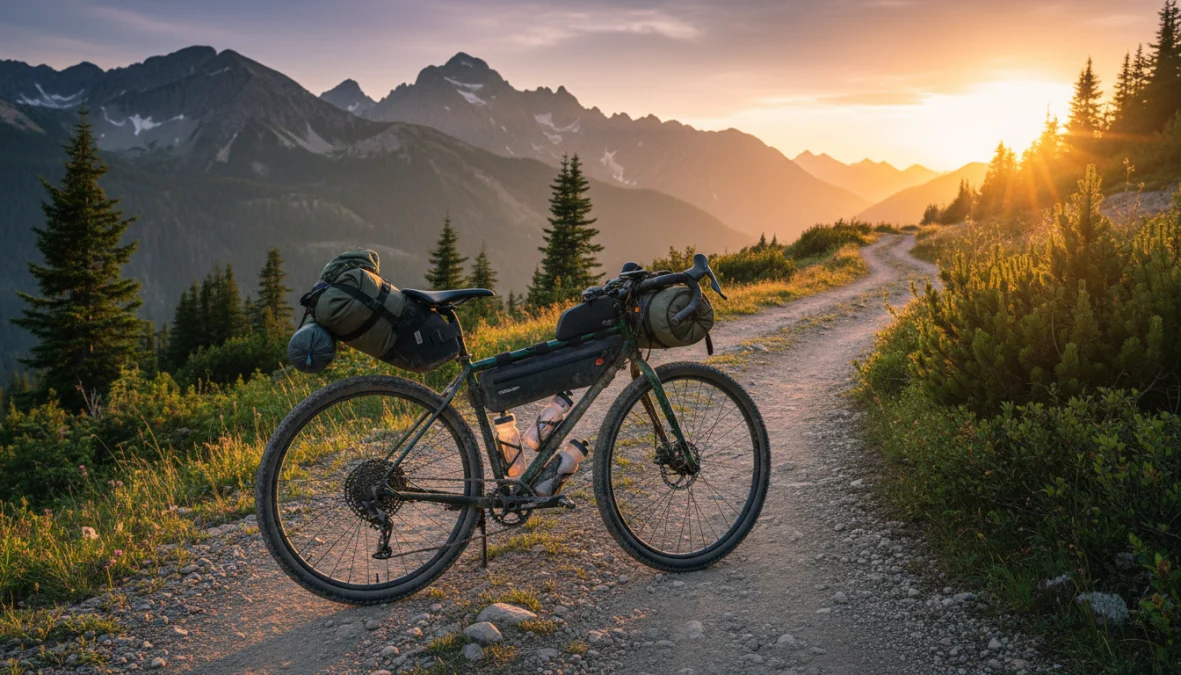
There’s something magical about waking up to a sunrise in the middle of nowhere, knowing your bike got you there and will carry you further today. Bikepacking opens up a world of cycling adventures that go beyond the daily ride, combining the freedom of backcountry exploration with the efficiency of lightweight travel. But heading out on your first multi-day bike trip can feel overwhelming—what exactly are the bike packing essentials you actually need? Let’s break down everything from bags to sleeping systems, so you can focus on the adventure instead of worrying about your gear.
Understanding Bikepacking: How to Pack Smart for Multi-Day Rides
Before diving into specific gear, it’s crucial to understand what makes bikepacking setup different from traditional bicycle touring essentials. While bike touring typically involves panniers mounted on racks and carrying more creature comforts, bikepacking embraces a minimalist philosophy. The gear attaches directly to your bike frame using specialized bags, keeping weight lower and making your setup more suitable for off-road terrain and technical trails.
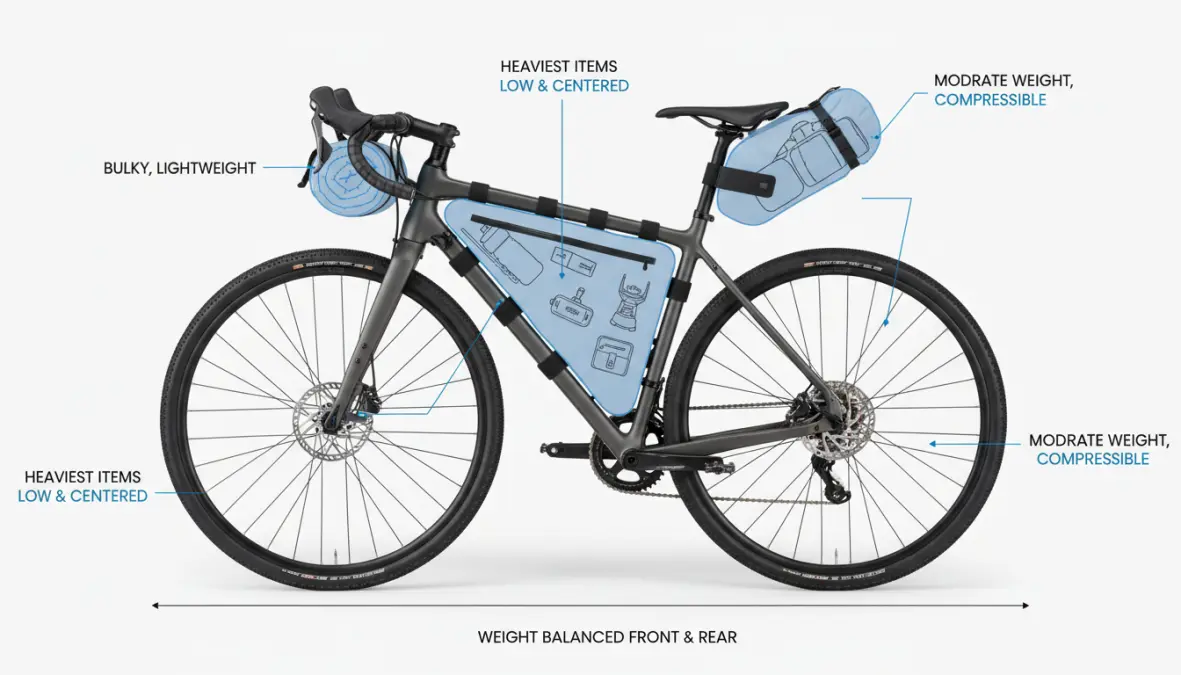
The core principle? Pack light, ride far. Every item should earn its place in your bags through necessity or multi-functionality. For multi day cycling gear, aim to keep your total loaded bike weight under 40 pounds if possible. Weight distribution matters enormously—heavier items belong low and centered (frame bag and bottom of saddle bag), while lighter bulky items like sleeping bags go in the saddle bag’s top section. Your handlebar bag should carry moderately heavy items you need access to frequently.
Adapt your approach based on terrain and trip duration. A two-day gravel adventure requires far less than a week-long backcountry expedition. Similarly, smooth gravel roads forgive heavier loads better than singletrack trails. Consider your fitness level too—getting proper bike fitting before loading up your bike helps prevent injury when carrying extra weight over long distances.
Essential Bikepacking Bags and Storage Systems
Your bikepacking bags form the foundation of your entire setup. Unlike traditional panniers, these bags attach directly to your frame, creating a streamlined package that handles better on varied terrain. The right bag system transforms what you can carry and how your bike performs when loaded.
Core Bag Setup: Frame, Saddle, and Handlebar
The holy trinity of bikepacking gear list includes three primary bags. Your frame bag sits inside the main triangle, offering 3-6 liters of capacity depending on frame size. This prime real estate should hold dense, heavy items like tools, spare tubes, food, and your repair kit. Full-frame bags maximize capacity, while half-frame options leave room for water bottles—critical for longer rides in remote areas.
The saddle bag (or seatpack) extends behind your saddle, typically holding 10-20 liters. This is where your sleeping bag, extra clothing, and lightweight camping gear live. Quality matters here—waterproof construction saves you from soggy sleeping bags after rain. Look for bags with compression straps to minimize sway and keep the load stable. Your tent or tarp can often strap to the outside if space runs tight.
Your handlebar bag (5-15 liters) carries bulky but lighter items like your sleeping pad, jacket, and food for the day. Some cyclists prefer harness-style bags that wrap around a dry bag, while others opt for integrated designs. Consider how the bag affects your riding position—overly large handlebar bags can interfere with hand positions on longer rides, potentially contributing to issues like those discussed in our cycling injury prevention guide.
Additional Storage Options and Accessories
Once you’ve nailed the core three, consider supplementary storage. Top tube bags (0.5-1 liter) put snacks, phone, and sunscreen within easy reach. Fork bags add 2-4 liters per side, ideal for water bottles, fuel, or camera gear on longer expeditions. Gas tank bags fill the space between your stem and top tube for even more snack storage.
Feed bags mount on your handlebars for grab-and-go nutrition—essential when you’re grinding up a long climb. Additional bottle cage mounts, voile straps, and dry bags offer backup solutions. But here’s the thing: more bags aren’t always better. Each addition adds weight and potential failure points. Start minimal and add storage only when you’ve truly maxed out your core system.
Complete Bikepacking Gear List for Overnight and Multi-Day Trips
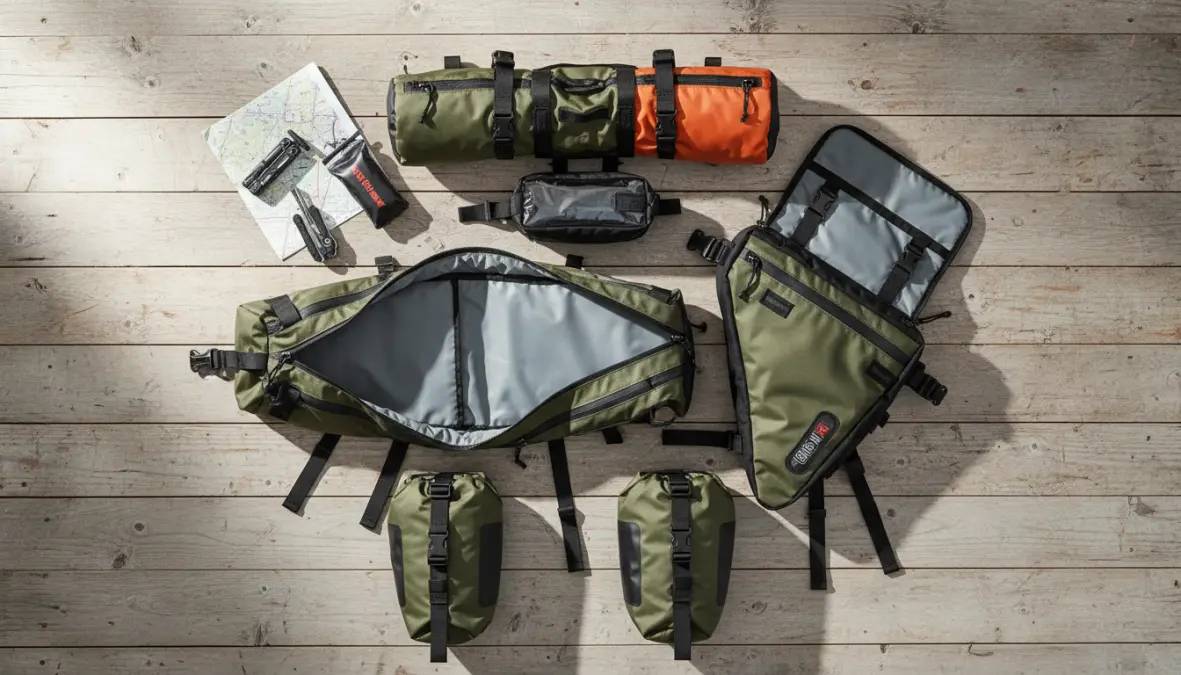
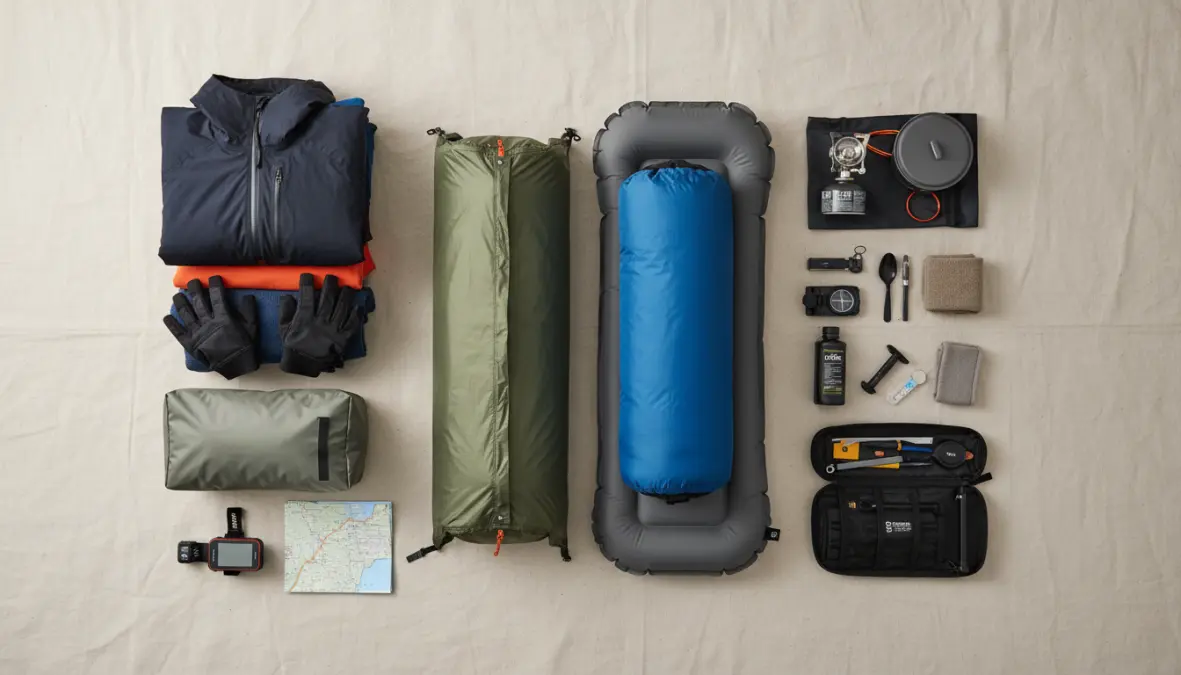
Now for the complete bikepacking gear guide—what actually goes inside those bags? Here’s your comprehensive cycling adventure equipment breakdown organized by category.
Shelter & Sleeping System: Your sleeping setup dramatically impacts pack weight. A quality sleeping bag (rated appropriately for conditions), sleeping pad, and ultralight tent or tarp form the foundation. Consider a bivy sack as a minimalist shelter option for experienced riders. Total weight for this system should ideally stay under 5 pounds for three-season conditions.
Cooking & Nutrition: A compact stove, fuel, pot, and utensil cover the basics. Many bikepackers embrace cold-soaking meals to eliminate stove weight entirely. Pack high-calorie, nutrient-dense foods—you’ll burn 4000+ calories daily on challenging routes. The principles from our carb cycling guide apply here: timing your fuel intake keeps energy consistent throughout long days.
Clothing: Follow the rule of threes: one set to wear, one to sleep in, one to wash/dry. Merino wool base layers, a warm insulation layer, waterproof jacket and pants, and extra socks cover most conditions. A buff or bandana provides endless utility. Remember, you can wash clothes in streams—you don’t need a full wardrobe.
Tools & Repair Kit: Multi-tool, spare tubes, patch kit, tire levers, chain breaker, spare links, pump or CO2, and duct tape handle most mechanical issues. Add zip ties and voile straps for field repairs. Know how to use everything you carry—tools are worthless without knowledge.
Navigation & Safety: Navigation tools include a bike computer or phone with offline maps, plus a backup paper map. Headlamp, first aid kit (including blister treatment), sunscreen, and a means of communication complete your safety essentials. If you’re venturing into truly remote terrain after building your fitness with structured training, consider a satellite communicator.
Water Storage: Capacity depends on route, but 3-4 liters minimum gives you safety margin between sources. Frame-mounted bottles, fork cage bottles, and hydration bladders in your frame bag all work. Always carry water treatment—tablets, filter, or UV purifier.
FAQ: Bikepacking Essentials
How much gear do I need for bikepacking?
For a weekend trip, aim for 15-25 pounds of gear total. The exact amount depends on season, terrain, and personal comfort level. Start with the essentials—shelter, sleep system, food, water, clothing, and tools—then add only what you truly need. Remember that less gear means more enjoyment on the trail.
What’s the difference between bikepacking and bike touring?
Bikepacking uses frame-mounted bags without racks, emphasizing lightweight, minimalist setups suited for off-road terrain. Bike touring typically uses pannier bags on racks, carrying more gear and creature comforts, best suited for paved roads and established routes. Choose based on your terrain and adventure style—or try both!
Do I need special bags for bikepacking?
While dedicated bikepacking bags offer the best performance, you can start with dry bags and straps as a budget alternative. However, purpose-built bags provide better weight distribution, waterproofing, and durability. As you commit to the sport, investing in quality bags pays dividends in comfort and reliability.
What should I pack for my first overnight bike trip?
Start with the basics: sleeping bag, sleeping pad, shelter, one extra set of clothes, food for 24 hours plus emergency rations, 3 liters of water capacity, essential bike tools, first aid kit, headlamp, and navigation. Keep it simple—your first trip teaches you what you actually need versus what you thought you’d need.
How do I pack light for multi-day cycling?
Choose multi-use items, cut unnecessary packaging, embrace minimalism, and test your setup on shorter trips first. Every item should serve multiple purposes when possible. Weigh everything and question each addition. The lightest gear is what you leave at home—but never compromise on safety essentials.
The beauty of bikepacking lies not in having the perfect gear, but in the freedom to explore beyond where the road ends. Whether you’re planning a gravel adventure or a backcountry expedition, your gear should enhance the experience, not burden it. Start with these bike packing essentials, adapt them to your needs, and most importantly—get out there. Your first sunrise from a remote campsite, reached entirely by pedal power, will prove every ounce of preparation worthwhile.