Cycling Gilet Guide: When and Why to Wear a Windproof Vest

Ever found yourself shivering on a chilly morning ride, only to be sweating through your jacket an hour later? Or maybe you’ve been caught out by an unexpected headwind that turned a pleasant spin into a battle against the elements? This is exactly where a cycling gilet becomes your secret weapon. This cycling gilet guide will walk you through everything you need to know about this versatile piece of kit that’s become a staple in every serious cyclist’s wardrobe.
What Is a Cycling Gilet and Why Every Cyclist Needs One
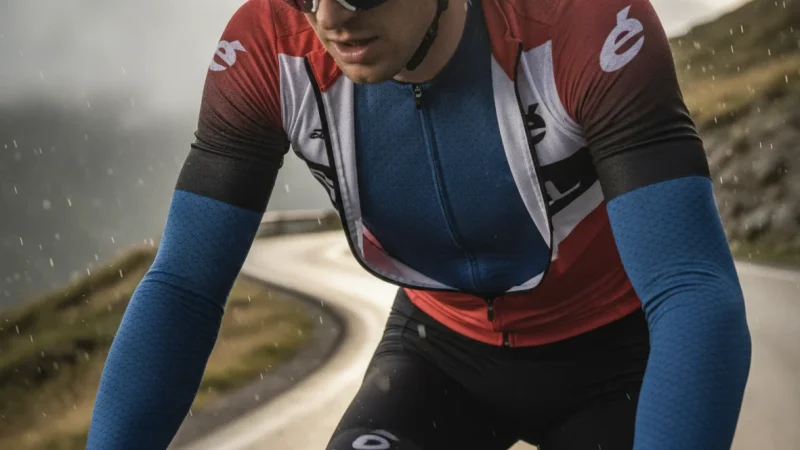
A cycling gilet (also called a bike vest or windproof cycling vest) is essentially a sleeveless jacket designed specifically for cycling. Unlike a full cycling jacket or windbreaker, it provides core temperature regulation while leaving your arms free to move and breathe. The magic lies in its simplicity: most gilets feature a windproof fabric panel on the front to shield your chest from wind chill, while a breathable mesh back allows heat and moisture to escape.
Professional and amateur cyclists alike consider the gilet essential kit for good reason. The key benefits include exceptional packability—most gilets compress down to fit in a jersey pocket—superior ventilation compared to jackets, and an unbeatable weight-to-protection ratio. Common materials include lightweight polyester with DWR (durable water repellent) coating on the front, paired with mesh or perforated fabric on the back panel.
What separates a gilet from a cycling windbreaker or jacket? The absence of sleeves is the obvious difference, but there’s more to it. A gilet won’t offer the complete weather protection of a jacket, but that’s precisely the point. It’s designed for transitional conditions where a jacket would be too much but a jersey alone isn’t quite enough. This makes it the ultimate tool for adapting to changing conditions without stopping to completely change your clothing setup.
When to Wear Your Cycling Gilet: Weather Conditions and Riding Scenarios
Understanding when to wear a cycling gilet is crucial for maximizing its benefits. The sweet spot for a road cycling gilet is typically between 8-18°C (46-64°F), though this varies based on personal preference and riding intensity. If you’re wondering what temperature to wear cycling gilet, a good rule of thumb is: if you need more than a jersey but less than a jacket, reach for your gilet.
Weather conditions where a gilet excels include windy days (even in relatively warm weather), early morning starts when it’s cool but will warm up later, overcast conditions with occasional light drizzle, and those unpredictable spring or autumn days. A winter cycling vest with thermal insulation can even work as part of a layering system in colder months.
For specific riding scenarios, gilets are perfect for long descents after hard climbs (when your core temperature drops rapidly), interval training sessions where you’re alternating between hard efforts and recovery, group rides where pace varies, and commutes where you’ll encounter different microclimates. The best cycling gilet for spring training rides is typically a lightweight, packable model that you can easily remove and stow once you’ve warmed up, which aligns perfectly with building your base fitness during spring training.
Mountain bikers often find gilets useful during technical climbs where a jacket would cause overheating, but the lower speeds on descents require wind protection. Road cyclists appreciate them for early season races and sportives where start times are chilly but mid-ride temperatures climb significantly.
Layering Strategy: Combining Your Gilet with Other Gear
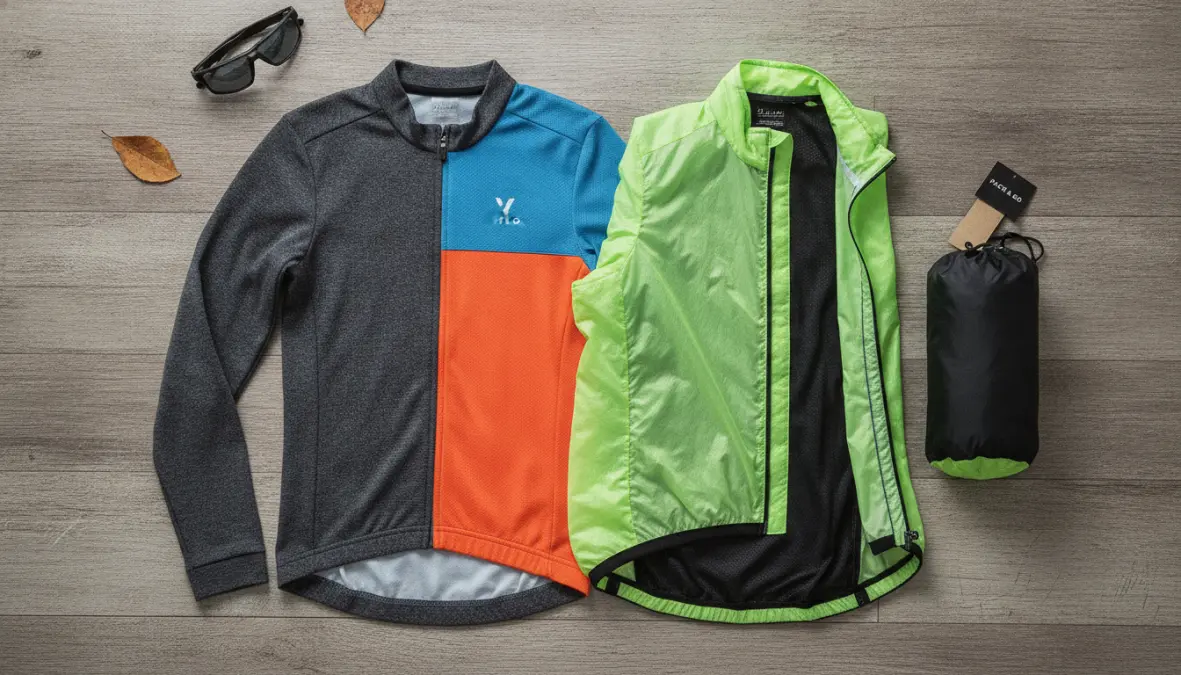
Mastering how to layer with cycling vest is essential for comfort. The standard layering system places the gilet as your outer shell over a base layer and cycling jersey. For moderate conditions (10-15°C), try a short-sleeve base layer plus jersey plus gilet. For cooler mornings, go with a long-sleeve base layer, long-sleeve jersey, and gilet on top.
The beauty of cycling layers with a gilet is the flexibility. As your ride progresses and you warm up, simply remove the gilet and stuff it into a rear pocket. This is where a lightweight packable cycling gilet really shines—quality models compress to the size of a banana. During winter rides, you can even wear a gilet under a jacket for extra insulation on particularly cold days, creating a versatile system that adapts to changing conditions.
Pro tip: practice the one-handed gilet removal technique while riding. Unzip fully, pull one arm across to grab the opposite shoulder of the gilet, pull it off, and stuff it in your pocket. With practice, this becomes second nature during long rides where you’re constantly managing your core temperature regulation.
How to Choose the Right Cycling Gilet for Your Needs
Selecting the perfect packable cycling gilet depends on your specific riding style and conditions. The first decision is windproofing versus water resistance. A windproof vest cycling benefits include blocking wind chill while maintaining breathability, which is ideal for dry conditions. If you frequently encounter light rain, look for models with DWR coating or light water resistance—though remember, a gilet is not a rain jacket.
Breathability is crucial. The best gilets feature a breathable mesh back panel or highly perforated fabric to prevent moisture buildup. Fit should be snug but not restrictive—an aerodynamic fit reduces flapping in the wind and improves comfort. Check pocket configuration: some gilets include rear pockets for storing essentials, while others rely on your jersey pockets underneath.
Visibility features like reflective elements or bright colors are important for safety, especially for commuters. Packability matters if you plan to carry it often—the best models weigh under 100 grams and compress to fist-size. Price ranges from budget options around $40-60 to premium models exceeding $150, with mid-range gilets ($70-100) offering excellent value.
For road cycling, prioritize aerodynamic fit and packability. Gravel riders might prefer slightly more robust fabrics. Commuters should focus on visibility and perhaps a bit more relaxed fit over business clothes. When deciding between insulated versus non-insulated, consider your climate: non-insulated gilets work for most conditions, while light thermal insulation suits those who run cold or ride in consistently cool climates.
Key Features to Look For
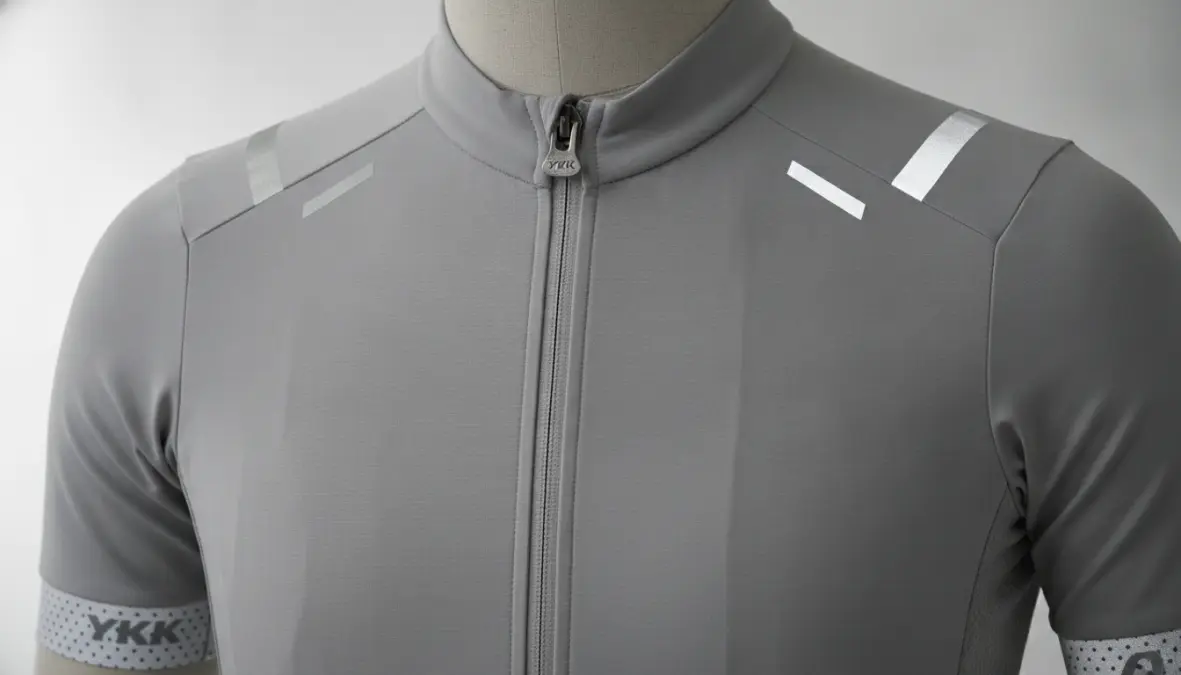
Quality details make the difference between a good gilet and a great one. Zip quality is paramount—look for smooth-operating YKK or similar quality zippers. Full-length zips offer maximum ventilation control, while half-zips are lighter and more packable. Collar height affects warmth and comfort; higher collars provide better neck protection but can feel restrictive.
A hem gripper (elastic or silicone dots at the bottom) prevents the gilet from riding up during your ride. Reflective elements should be positioned for 360-degree visibility. Some models feature a packable pocket that doubles as a stuff sack—incredibly convenient. Premium gilets often use advanced membrane technology for superior windproofing with minimal bulk, and seamless construction reduces chafing on long rides.
FAQ: Common Questions About Cycling Gilets
Can you wear a gilet over a cycling jersey?
Absolutely—this is the standard way to wear a cycling gilet. Layer it over your jersey and base layer for optimal weather protection cycling. The gilet should fit snugly over your jersey without restricting movement or causing bunching.
What temperature should I wear a cycling gilet?
Most cyclists find gilets perfect for 8-18°C (46-64°F), though individual preferences vary. If you generate a lot of heat, you might wear one in cooler temps; if you run cold, you might need one even around 20°C. Experiment to find your sweet spot.
Is a gilet better than a jacket for cycling?
The cycling gilet vs jacket debate depends on conditions. Gilets excel in transitional weather, offering better breathability and packability. Jackets provide more complete protection for cold, wet, or windy conditions. Many cyclists own both and choose based on the forecast—similar to how you might plan your nutrition strategy differently for various ride lengths and intensities.
How do you pack a cycling gilet?
Fold the gilet in half lengthwise, then roll it tightly from bottom to top, squeezing out air as you go. Tuck it into your jersey pocket or use the gilet’s own stuff pocket if it has one. Quality packable gilets compress remarkably small.
Do I need a waterproof or windproof gilet?
For most cyclists, a windproof gilet with light water resistance is more versatile. Fully waterproof gilets sacrifice breathability and are heavier. Since a gilet is typically for transitional conditions rather than heavy rain, windproof with DWR coating strikes the best balance.
Should a cycling gilet be tight or loose?
A cycling gilet should fit snugly without being restrictive. It should conform to your body shape when you’re in the riding position, with no excessive fabric flapping in the wind. However, it needs enough room to accommodate the layers underneath without compressing them or limiting your breathing.
A quality cycling gilet might just be the most versatile piece of kit in your cycling wardrobe. Whether you’re transitioning from indoor to outdoor riding or tackling unpredictable spring weather, this simple garment delivers exceptional value. Invest in a good one, learn when and how to use it effectively, and you’ll wonder how you ever rode without it. Now get out there and enjoy those perfect shoulder-season rides in complete comfort!