Gravel Bike vs Road Bike: Which One Suits Your Riding Style Best
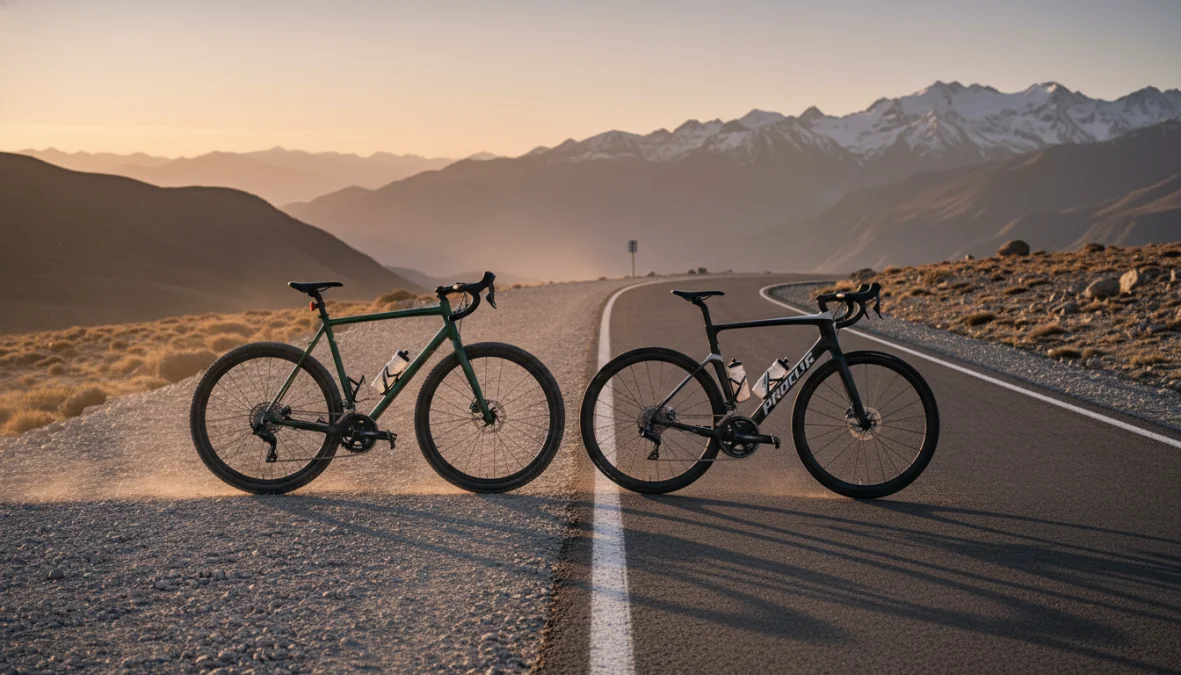
You’re standing in a bike shop, torn between two beautiful machines. One’s a sleek road bike that screams speed. The other’s a rugged gravel bike that whispers adventure. If you’re wrestling with the gravel bike vs road bike dilemma, you’re not alone. This choice shapes your entire cycling experience, from weekend rides to daily commutes. Let’s cut through the marketing hype and find out which drop bar bike truly matches your riding style.
Understanding the Key Differences Between Gravel and Road Bikes
The gravel bike vs road bike difference goes way beyond aesthetics. These bikes are engineered for fundamentally different purposes, and understanding their DNA helps you make a smarter choice.
Bike geometry differences are the first major distinction. Road bikes feature aggressive geometry with a lower handlebar position and shorter wheelbase for razor-sharp handling and aerodynamics. Gravel bikes adopt a more relaxed stance—longer wheelbase, higher stack height, and slacker head tube angles—prioritizing stability over raw speed, especially when the pavement ends.
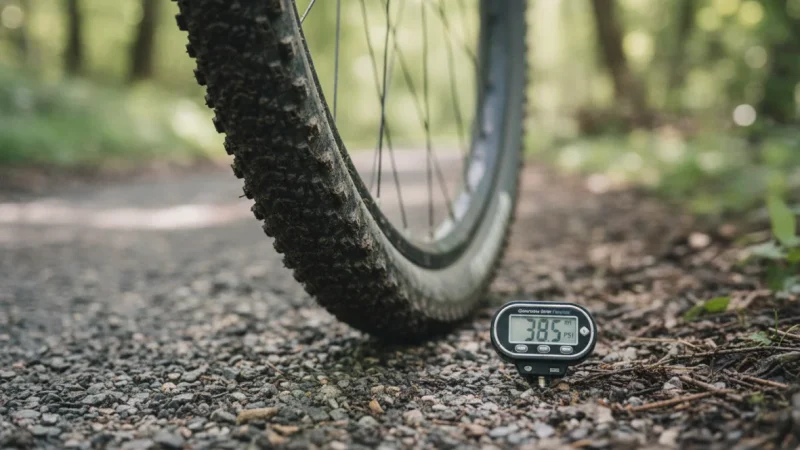
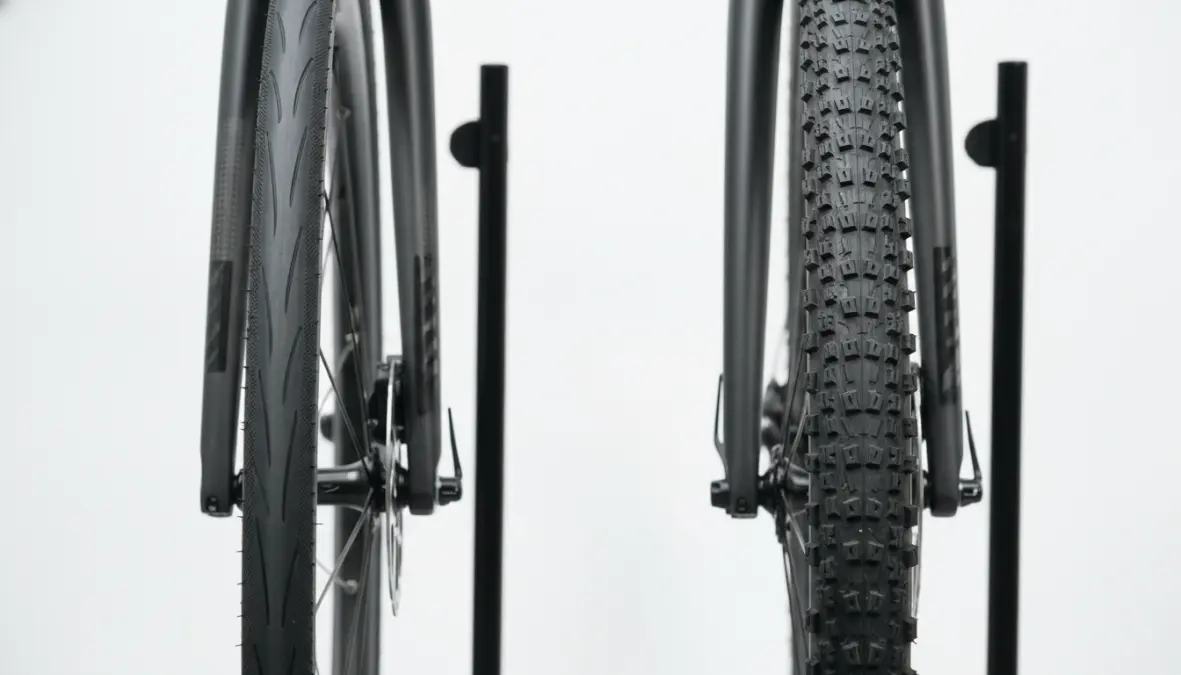
Then there’s the tire width comparison: road bikes typically run 23-28mm tires at high pressure for minimal rolling resistance on smooth surfaces. Gravel bikes accommodate 35-45mm (sometimes wider) rubber, offering cushioning, traction, and confidence on mixed terrain riding. This clearance difference fundamentally changes what surfaces you can tackle.
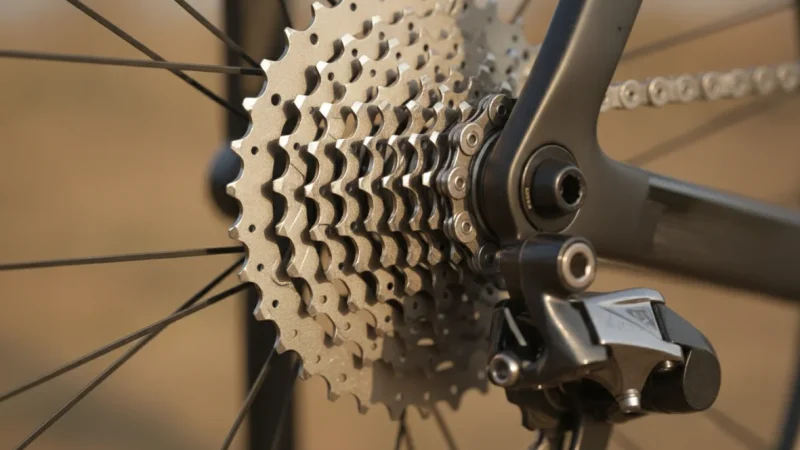
Gear ratios diverge significantly too. Road bikes favor tighter ratios optimized for maintaining speed on pavement. Gravel bikes spec lower gearing (often with a 1x or wide-range 2x setup) to help you grind up steep, loose climbs without destroying your knees.
Braking systems have converged recently—both now predominantly use disc brakes—but gravel bikes generally feature more robust mounts for racks and fenders. Weight-wise, road bikes edge ahead by 1-2kg on average, thanks to lighter tubing and components optimized purely for pavement vs off-road performance.
Performance Showdown: Speed, Comfort, and Versatility
Let’s talk brass tacks: road bike vs gravel bike speed. On smooth asphalt, a road bike wins decisively. The aerodynamic position, narrow tires, and lighter weight translate to 1-2 mph higher average speeds for the same effort. If you’re joining fast group rides or chasing Strava KOMs on paved segments, a road bike delivers that performance edge you’re craving.
But here’s where things get interesting: gravel bike on road performance isn’t as compromised as you’d think. With slick 35-38mm tires pumped to appropriate pressure, a gravel bike on asphalt feels surprisingly efficient. You’ll sacrifice maybe 10-15% speed compared to a dedicated road machine—often imperceptible on recreational rides. That’s a small price for massive versatility gains.
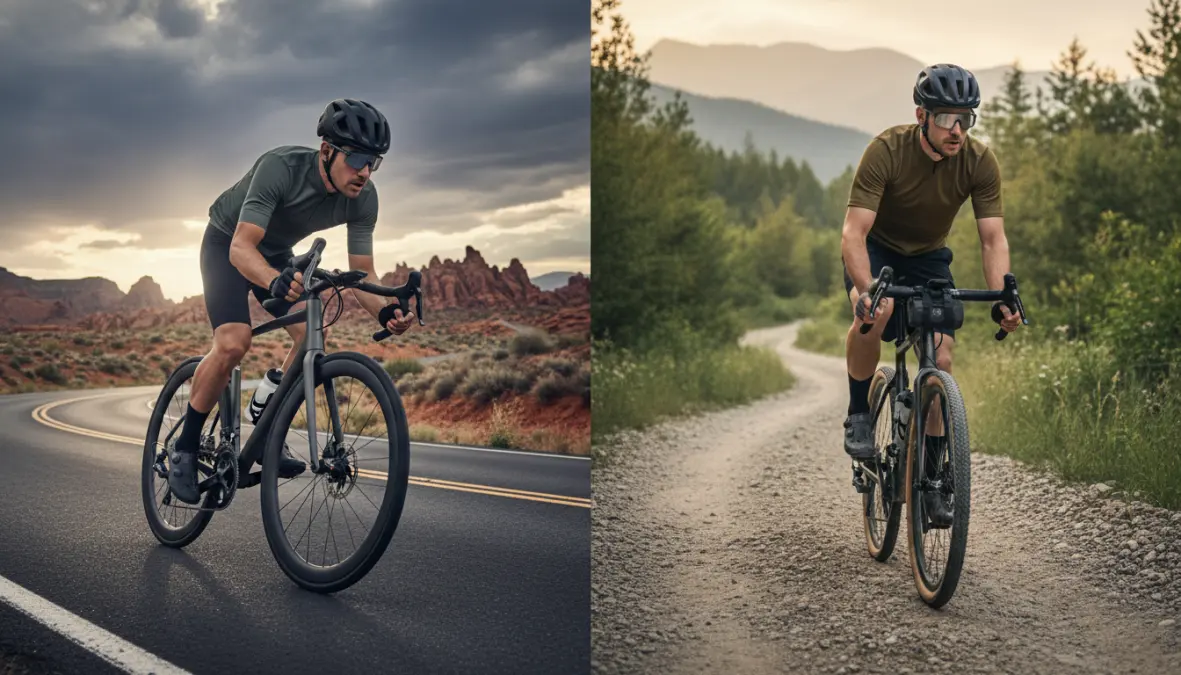
Switch to mixed surfaces, and the script flips completely. When you hit gravel roads, hardpack trails, or rough pavement, the gravel bike’s comfortable geometry and forgiving tires transform the experience. Your road bike becomes a liability—every rock threatens a pinch flat, and the twitchy handling demands constant attention. Meanwhile, gravel riders float over obstacles, exploring routes road bikes can’t touch.
For endurance cycling and bikepacking adventures, comfort trumps outright speed. The upright position and vibration-damping qualities of gravel bikes mean you’ll finish centuries and multi-day tours fresher. Road bikes excel in supported events on perfect pavement, but throw in some dirt roads or rough chip-seal, and that aggressive position becomes punishing over 6+ hours.
Real scenario: planning a weekend bikepacking setup? The gravel bike’s mounts, stable handling with loaded panniers, and ability to take shortcuts on fire roads make it the obvious choice. Heading out for a Tuesday night crit or hammerfest? The road bike’s your weapon.
Best Bike for Commuting: Road or Gravel?
Wondering about the best bike for commuting gravel or road? Urban environments favor gravel bikes overwhelmingly. City streets aren’t pristine velodromes—they’re obstacle courses of potholes, storm drains, cobblestones, and random debris.
Gravel bikes handle this chaos brilliantly. Wider tires absorb impacts that would rattle your teeth on a road bike. The clearance lets you run fenders for rainy commutes without rubbing issues. Mounting points accommodate racks for hauling work gear or groceries. The stable geometry keeps you confident hopping curbs or navigating sketchy bike lanes.
Maintenance matters too. Gravel bike components tolerate winter salt, rain, and grit better than delicate road race parts. When you’re commuting year-round, reliability beats marginal speed gains. Plus, that upright position gives better visibility in traffic—a genuine safety advantage worth more than arriving 90 seconds earlier.

Choosing Between Gravel and Road Bike: Match Your Riding Style
Still stuck on choosing between gravel and road bike? Let’s match bikes to rider profiles.
The Performance Roadie: You live for group rides, gran fondos, and maybe some racing. Your local roads are well-maintained, and you’re chasing fitness and speed metrics. You want that responsive, aerodynamic feel. Verdict: road bike. It’s purpose-built for your needs.
The Adventure Seeker: Gravel events, bikepacking trips, and exploring unmapped routes light your fire. You value experiences over Strava segments and don’t mind trading some speed for going places others can’t reach. Clear winner: gravel bike. This is its native habitat.
The Versatile Rider: You want options—road rides on Tuesday, exploring forest roads Saturday, maybe a gravel race occasionally. You’re building one bike to do everything reasonably well. Smart money’s on a gravel bike. Modern designs perform admirably on pavement while maintaining off-road capability. It’s the 80/20 solution.
The Urban Commuter with Weekend Ambitions: Daily commuting through imperfect city streets, with recreational rides on varied terrain when time allows. The gravel bike’s practicality for commuting, combined with weekend versatility, makes it ideal. You’ll appreciate the gravel bike vs road bike for daily commute advantages every single day.
Budget and garage space matter. If you can only afford one quality bike, gravel delivers more versatility. Already own a road bike? Adding a gravel bike opens new riding dimensions. Local infrastructure counts too—endless smooth roads favor road bikes; network of gravel paths and mixed surfaces tips the scales toward gravel.
Consider your actual riding, not aspirational plans. Be honest: will you really do that bikepacking trip, or are you mostly riding club routes on Sundays? Make the choice that matches reality.
FAQ
Can you use a gravel bike as a road bike?
Absolutely. With appropriate tires (35-38mm slicks), a gravel bike performs admirably on pavement. You’ll sacrifice 10-15% speed compared to a dedicated road bike, but gain massive versatility. For recreational riders, this tradeoff is negligible.
Is a gravel bike slower than a road bike?
On smooth pavement, yes—typically 1-2 mph slower at the same effort level due to aerodynamics, weight, and tire rolling resistance. But on rough roads or mixed terrain, gravel bikes often maintain higher average speeds thanks to superior comfort and traction.
Which is better for long distance: gravel or road bike?
Depends on surface quality. For supported centuries on perfect pavement, road bikes edge ahead. For self-supported touring, rough roads, or bikepacking, gravel bikes win decisively with better comfort, carrying capacity, and terrain versatility.
Should I buy a gravel bike or road bike for beginners?
Gravel bikes make excellent beginner choices. The forgiving geometry, stable handling, and versatility let you explore different riding styles before specializing. You won’t outgrow it as quickly as a race-focused road bike.
What is the main difference between gravel and road bikes?
Tire clearance and geometry. Road bikes prioritize speed and aerodynamics with narrow tires (23-28mm) and aggressive positioning. Gravel bikes emphasize versatility and comfort with wider tires (35-45mm+), relaxed geometry, and stable handling for mixed surfaces.
The road bike or gravel bike question doesn’t have a universal answer—it has your answer. Think hard about where you’ll actually ride, what adventures call to you, and which compromises you’re willing to accept. Both are fantastic machines that deliver joy on two wheels. Choose the one that gets you riding more, exploring further, and smiling wider. That’s the bike that suits your style best.