
Glycogen Depletion Training: The Science-Backed Guide to Fat Burning Workouts

Ever feel like you’re spinning your wheels trying to burn fat, even though you’re putting in the work at the gym? The problem might not be your effort—it could be your fuel. Your body loves burning carbs because they’re easy energy, but what if you could train it to tap into fat stores instead? That’s exactly where glycogen depletion training comes in. This strategic approach forces your body to shift gears metabolically, turning you into a more efficient fat-burning machine. Let’s dive into how this works and whether it’s right for you.
What Is Glycogen Depletion Training and How Does It Work?
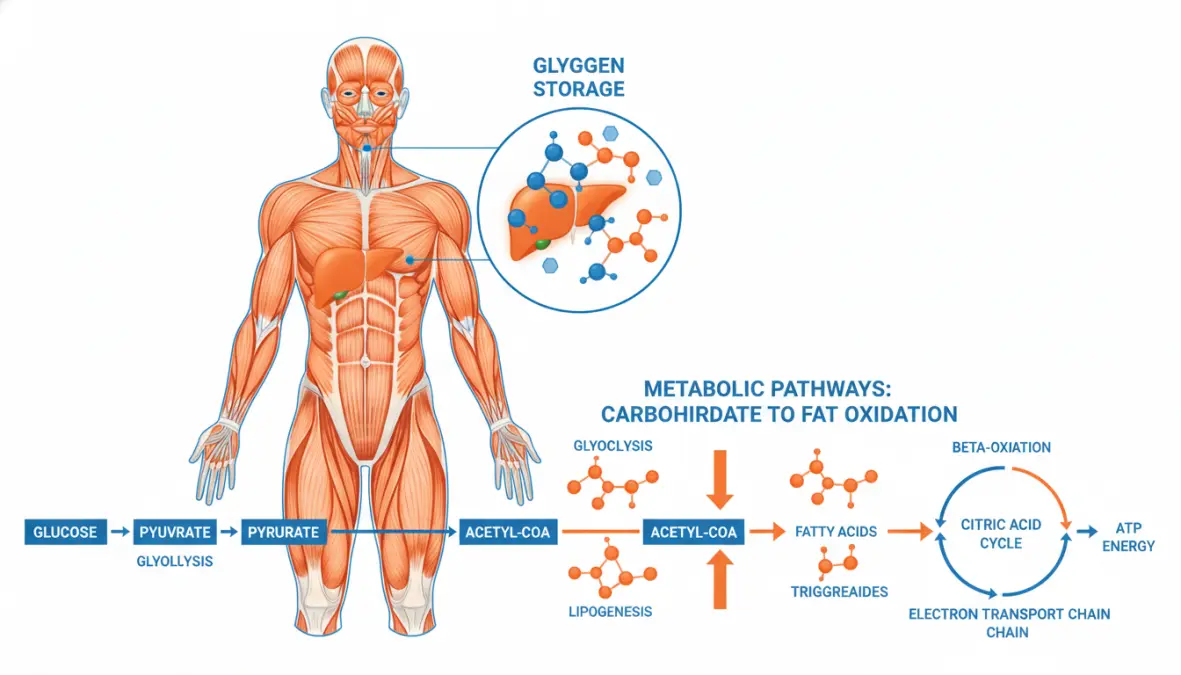
Before we talk about glycogen depletion training, let’s get clear on what glycogen actually is. Glycogen is essentially your body’s stored form of carbohydrates—think of it as your muscle’s gas tank. It’s stored primarily in your muscles (about 400-500 grams) and liver (around 100 grams), ready to fuel your workouts and daily activities.
During exercise, your body preferentially burns glycogen because it’s the quickest energy source available. But here’s the interesting part: when you deliberately train in a low glycogen training state, your body has no choice but to adapt. This is where carb depletion training gets fascinating from a metabolic perspective.
The science behind this adaptation is called substrate utilization. Normally, your body switches between burning carbs and fats based on availability and intensity. But when muscle glycogen stores are depleted through strategic training protocols, your body undergoes a metabolic shift. It starts ramping up enzymes responsible for fat oxidation, becomes more efficient at transporting fatty acids into cells, and may even begin producing ketones as an alternative fuel source.
This metabolic adaptation doesn’t happen instantly—it typically takes several sessions of consistent low-glycogen training for your body to upregulate the cellular machinery needed for enhanced fat burning. The goal isn’t just to burn more fat during a single workout, but to fundamentally improve your metabolic flexibility—your body’s ability to efficiently switch between fuel sources based on what’s available.
Effective Glycogen Depletion Workout Protocols
Now that you understand the theory, let’s get practical. There are several effective approaches to glycogen depletion workout protocols, each with its own advantages depending on your goals and schedule.
Fasted Cardio Protocol: The classic approach involves performing fasted cardio first thing in the morning after an overnight fast. Your liver glycogen is naturally lower after 8-12 hours without food, putting you in a prime position for fat burning. Try 30-45 minutes of moderate-intensity cardio (Zone 2, around 60-70% max heart rate). If you’re into cycling, check out our guide on cycling cadence training to optimize your pedaling efficiency during these sessions.
High-Volume Resistance Training: Another powerful method involves using moderate weights (60-70% of your 1RM) with high repetitions (15-25 reps) and short rest periods (30-45 seconds). Circuit training works exceptionally well here. Perform 4-6 exercises back-to-back, repeating the circuit 3-4 times. This approach depletes glycogen while maintaining muscle-building stimulus—a winning combination for body composition.
Extended Moderate-Intensity Cardio: Sessions lasting 60-90 minutes at a conversational pace are excellent fat adaptation exercises. This duration is long enough to significantly deplete glycogen while staying at an intensity where fat oxidation is maximized. Endurance athletes particularly benefit from this protocol as it builds the aerobic base crucial for long-distance events.
Timing Considerations: For maximum glycogen depletion, restrict carbohydrates 3-4 hours before training. Post-workout timing is crucial too—delaying carb intake by 1-2 hours after training can extend the fat-burning window, though this must be balanced against recovery needs. For guidance on what to eat before and after, our pre-workout nutrition guide offers comprehensive strategies.
Sample Weekly Training Split for Glycogen Depletion
Here’s a practical weekly glycogen depletion workout plan for fat burning that balances effectiveness with recovery:
- Monday: Fasted morning cardio (45 minutes, Zone 2) + Low-carb breakfast
- Tuesday: High-volume circuit training (full body, 60 minutes) + Carbohydrate restriction until evening
- Wednesday: Active recovery (30-minute walk or yoga)
- Thursday: Extended cardio session (90 minutes, moderate pace) in semi-fasted state
- Friday: High-rep resistance training (upper body focus, 50 minutes)
- Saturday: Long, slow distance training (2+ hours, low intensity) with minimal carbs beforehand
- Sunday: Complete rest + Carb refeed to replenish glycogen stores
The key is progressive implementation—don’t jump into full metabolic conditioning immediately. Start with 2-3 depleted sessions per week and monitor your recovery using tools like those in our fitness tracker guide.

Benefits, Risks, and Who Should Use Glycogen Depletion Training
Like any training methodology, glycogen depletion training comes with distinct advantages and potential drawbacks. Understanding both sides helps you make an informed decision.
The Benefits: The primary advantage is enhanced fat oxidation efficiency—your body literally gets better at burning fat for fuel. Research shows that consistent low-glycogen training can improve insulin sensitivity, making your body more effective at managing blood sugar. Body composition improvements are often dramatic, especially when combined with appropriate nutrition. Endurance training adaptations are another major benefit, as athletes develop superior aerobic capacity and can sustain effort longer without bonking. The increased metabolic flexibility means you’re less dependent on constant carb fueling during long events.
The Risks: Training with depleted glycogen isn’t all sunshine and rainbows. High-intensity performance will suffer—you simply can’t sprint or lift maximally without adequate glycogen. There’s a real risk of muscle catabolism if protein intake isn’t sufficient or if you overdo the depleted training frequency. Hormonal stress is another concern; excessive low-glycogen training can elevate cortisol and potentially disrupt thyroid function. You might also experience the dreaded “bonk” feeling—extreme fatigue, brain fog, and irritability. Watch for overtraining symptoms and prioritize adequate recovery.
Who Benefits Most: Endurance athletes preparing for long-distance events, bodybuilders during cutting phases, and individuals following ketogenic diets typically see the best results. If you’re training for events like long bike commutes or building your base fitness, this approach can be valuable.
Who Should Avoid It: Beginners, athletes in competition phases requiring peak performance, anyone with metabolic disorders, and those recovering from overtraining should steer clear. Pregnant or nursing women and individuals with a history of disordered eating should also avoid this approach.
To minimize risks: ensure adequate protein intake (1.6-2.2g per kg bodyweight), include strategic carb refeeds weekly, maintain proper hydration, and listen to your body’s signals.
FAQ: Common Questions About Glycogen Depletion Workouts
How long does it take to deplete glycogen stores?
It depends on intensity and starting point, but generally 60-90 minutes of moderate exercise or 30-45 minutes of high-intensity training can significantly deplete muscle glycogen. Complete depletion might take 2+ hours of sustained effort. Liver glycogen depletes faster, typically within 12-16 hours of fasting or 60 minutes of exercise.
Can you build muscle with glycogen depletion training?
Building muscle is challenging but not impossible with low-glycogen training. The key is adequate protein intake, progressive overload, and strategic carb timing around workouts. Most athletes use glycogen depletion during fat-loss phases rather than muscle-building phases for optimal results.
Should I do glycogen depletion training every day?
Absolutely not. Training in a depleted state daily will lead to overtraining, performance decline, and potential muscle loss. Limit depleted sessions to 2-4 times weekly with at least one full rest day and periodic carb refeeds to support recovery and hormonal health.
What should I eat after a glycogen depletion workout?
This depends on your goals. For extended fat burning, delay carbs for 1-2 hours and consume protein with healthy fats. For optimal recovery, consume a mixed meal with quality protein and complex carbs within 30-60 minutes post-workout. The timing strategy varies based on whether your next session is depleted or glycogen-loaded.
Glycogen depletion training is a powerful tool in your fitness arsenal, but like any tool, it requires proper use. Start conservatively, monitor your response carefully, and adjust based on your individual goals and recovery capacity. When implemented correctly, this science-backed approach can transform your body’s metabolic efficiency and take your fat-burning potential to the next level.