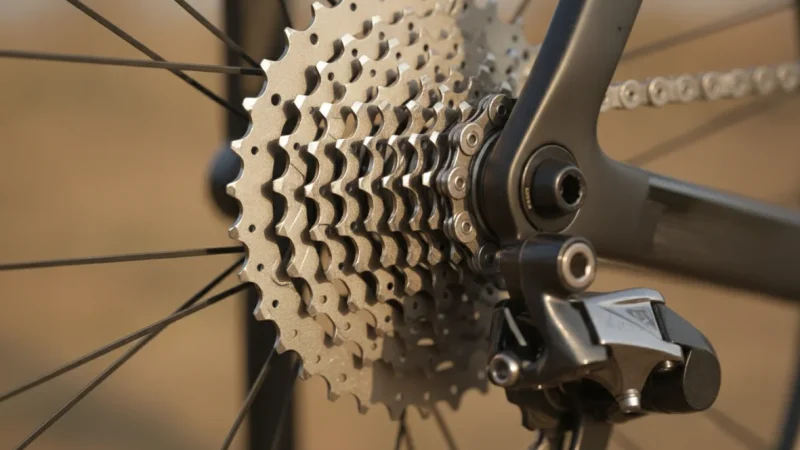
How to Sprint on a Bike: Master Cycling Sprint Technique for Maximum Power Output
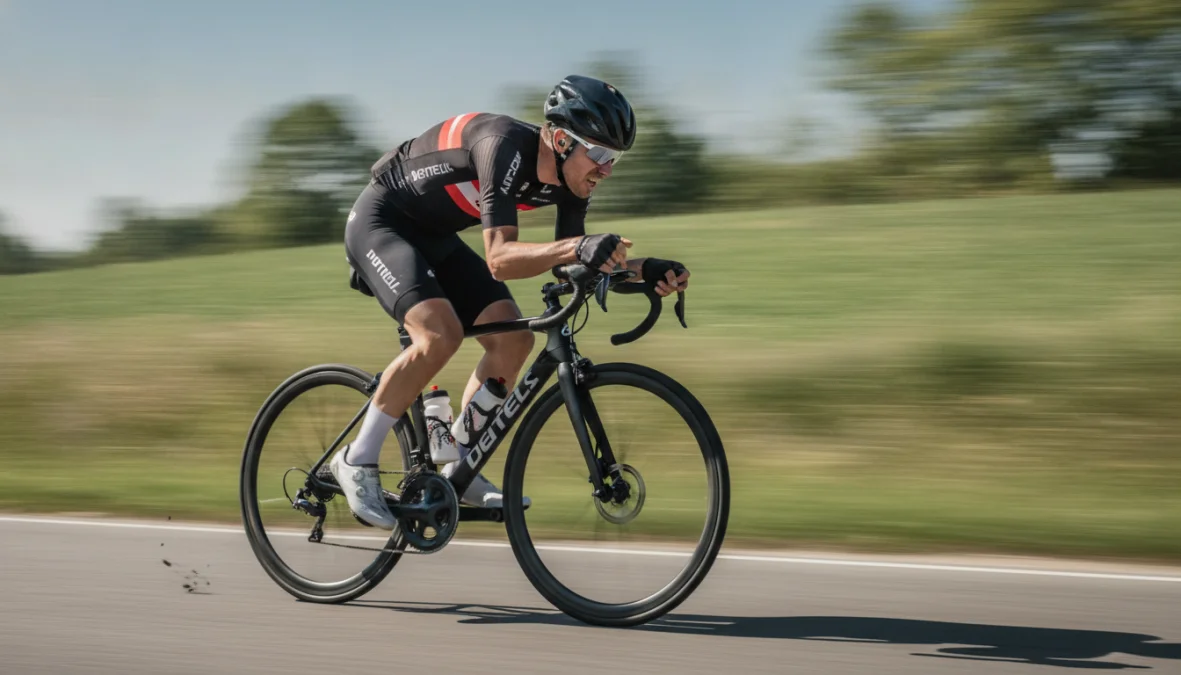
There’s nothing quite like the rush of a full-gas sprint—that explosive moment when you throw everything into the pedals and your bike surges forward with raw power. Whether you’re contesting a bunch sprint, chasing down a breakaway, or just trying to beat your mate to the town sign, mastering cycling sprint technique is essential for maximizing your power output and speed. But sprinting isn’t just about mashing the pedals harder; it’s a technical skill that combines proper positioning, timing, muscle recruitment, and bike control. Get it right, and you’ll unlock watts you didn’t know you had. Get it wrong, and you’ll waste energy, lose speed, or worse—end up in the barriers.
Understanding Cycling Sprint Mechanics and Power Output
Before you can improve your sprint cycling technique, you need to understand what’s actually happening when you unleash maximum effort. A proper sprint involves recruiting every major muscle group in a coordinated explosion of anaerobic power. Unlike sustained efforts where efficiency is king, sprints demand absolute force production—often pushing experienced riders beyond 1,200-1,500 watts for short bursts, with elite track sprinters hitting over 2,000 watts.
The sprint unfolds in three distinct phases: the anticipation (positioning and gear selection), the explosion (initial acceleration with maximum force), and the maintenance (sustaining high power as speed builds). Understanding these phases helps you time your effort and manage your energy expenditure.
A critical concept here is cycling power output relative to body weight (watts per kilogram). A lighter rider producing 1,000 watts may accelerate faster than a heavier rider producing 1,200 watts, which is why pure sprinting ability involves both absolute power and power-to-weight ratio. To truly optimize your training and track improvements, consider learning how to train smarter with watts and power data.
The seated versus standing debate deserves attention here. Seated sprints offer better pedal stroke efficiency and aerodynamics but limit absolute power. Out of saddle sprinting recruits more muscle groups (glutes, core, upper body) and allows for explosive acceleration, but costs more energy and creates more drag. The best sprinters seamlessly transition between both, using each technique strategically.
Essential Sprint Technique: Body Position, Pedaling, and Bike Control
This is where theory meets the tarmac. Your bicycle sprinting form determines how efficiently you convert muscle power into forward momentum. Poor technique wastes watts through unnecessary movement, compromises bike handling, and can even cause crashes in tight bunch situations.
Proper Body Position and Weight Distribution
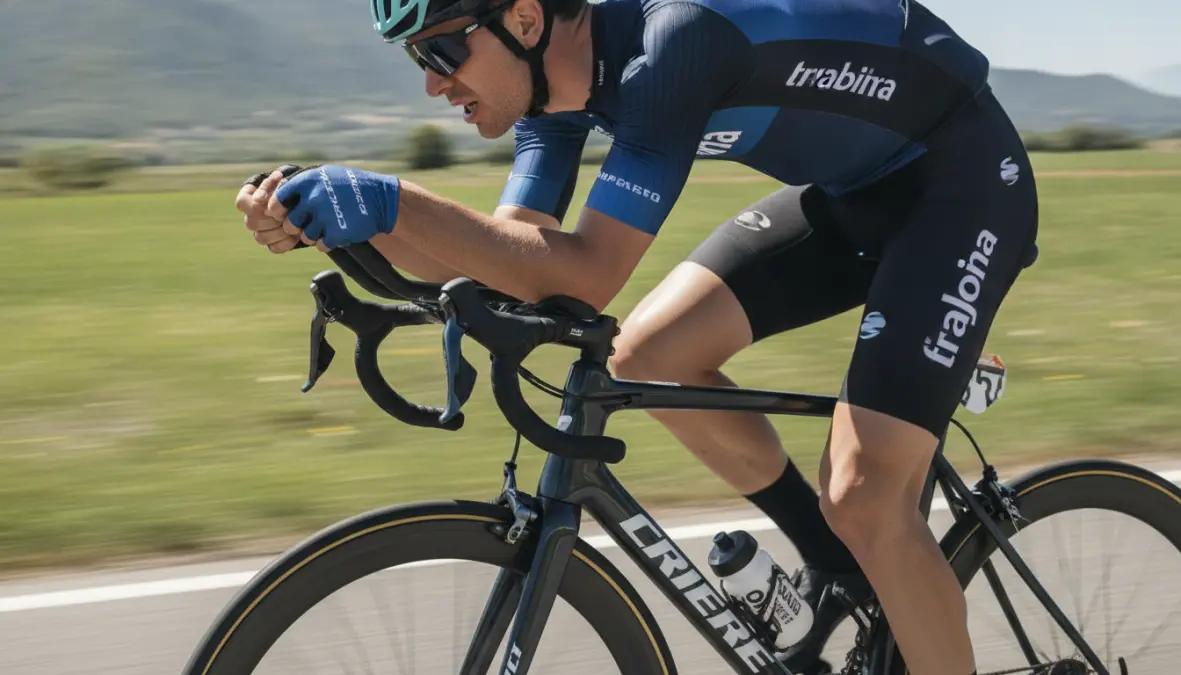
Hand position matters enormously. For road bike sprinting, your hands should be firmly in the drops for maximum leverage and control—this lower position also reduces frontal area. Keep your elbows slightly bent to absorb bike movement and maintain control. In track cycling sprint situations, riders often use a more aggressive forward position to maximize power transfer.
Your torso angle should be relatively low but not collapsed—think “aggressive” rather than “aerodynamic.” You need enough upright positioning to engage your core and pull on the bars effectively. Weight distribution is dynamic: during the initial explosion, weight shifts slightly forward to prevent the front wheel lifting, then centers as you reach maximum velocity.
The bike itself will move laterally beneath you during a standing sprint—this is normal and necessary. Pull with the arm opposite to your driving leg (right arm pulls when left leg pushes down). This rhythmic pulling engages your upper body and core, adding significant power to each pedal stroke. However, excessive lateral movement wastes energy, so practice finding that sweet spot where the bike rocks just enough to aid muscle recruitment without becoming sloppy.
Road sprinting differs from track sprinting primarily in the need for stability within a pack and the importance of drafting before your final acceleration. Track sprinters can be more aggressive with bike movement and body positioning since they’re not navigating through other riders at 60+ km/h.
Pedaling Technique and Cadence Management
The transition from cruising speed to all-out sprint is crucial. Many riders make the mistake of immediately jumping out of the saddle and grinding a massive gear at low cadence. Instead, begin your cycling acceleration technique by spinning up your current gear while seated, building momentum before you stand.
When asking yourself about the best cadence for bike sprinting, there’s no single answer—it depends on your power profile and the situation. Generally, you’ll want to be around 100-120 RPM during peak acceleration, though track sprinters may hit 130+ RPM with smaller gears and flying starts. Starting from low speed (standing starts) requires lower cadence in bigger gears (70-90 RPM) to generate initial force.
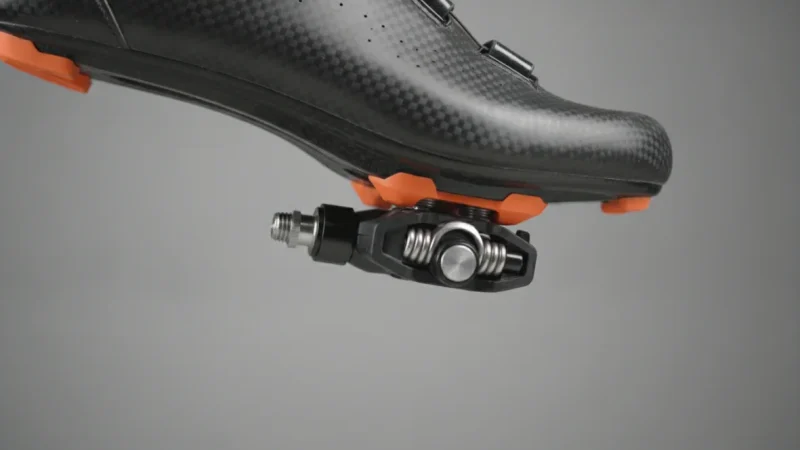
Focus on applying force through the entire pedal stroke, not just the downstroke. Think about pulling through the bottom and kicking over the top—this is where pedal stroke efficiency becomes critical. The “dead spots” (top and bottom of the stroke) are where many riders lose power. Clipless pedals and proper technique help you maintain tension throughout the revolution.
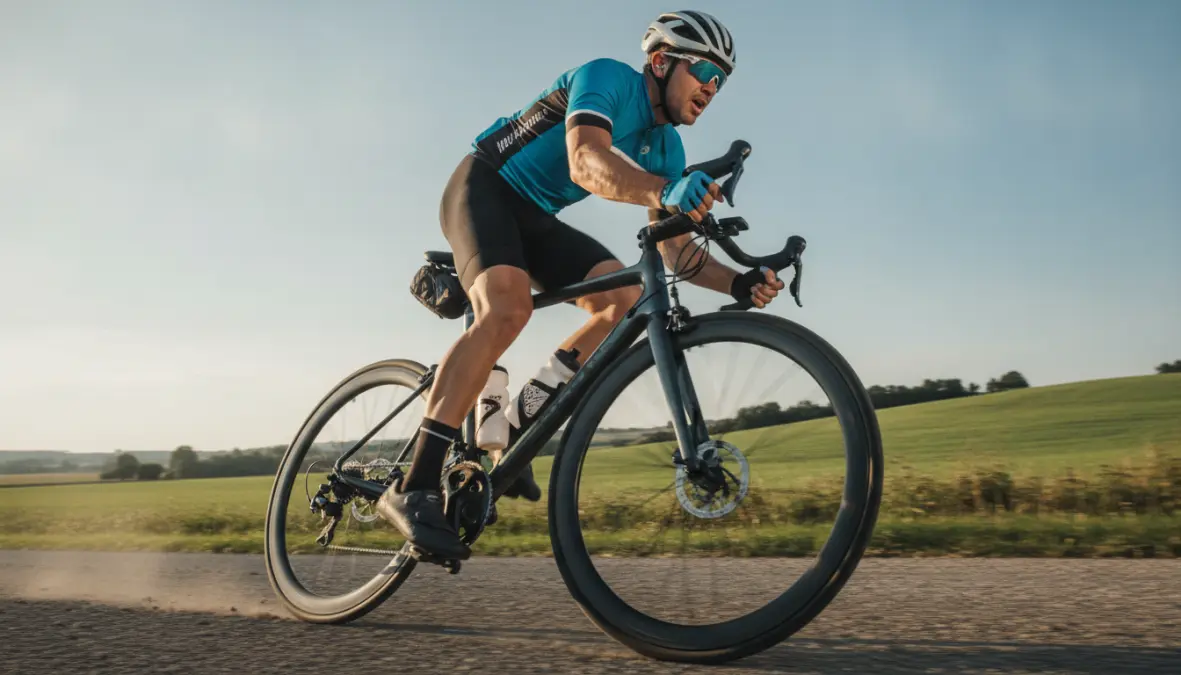
The seated versus standing question comes down to context. Use seated sprints when: you’re already at high speed, you’re in an aerodynamic draft, or you’re conserving energy for a longer effort. Stand when: you need explosive acceleration from lower speeds, you’re starting your sprint, or you need to maximize power regardless of energy cost. Top sprinters often start seated, explode into standing for 5-8 seconds of maximum power, then may sit again if the sprint is particularly long.
Bike Sprint Training: Building Explosive Power and Speed
Knowing proper technique is one thing; having the fitness to execute it is another. Effective bike sprint training develops the specific neuromuscular pathways, anaerobic capacity, and raw power needed for explosive efforts.
Your training should include several sprint types. Maximum effort sprints (10-15 seconds all-out from a slow roll) build pure power and technique. Flying sprints (where you’re already at high speed before the effort) develop top-end speed and teach you how to accelerate from pace. Standing starts simulate race scenarios like jumping from a corner or attacking from low speed.
A sample sprint workout might look like: 20-minute warm-up, then 6 x 15-second max sprints with 5 minutes easy spinning between each, followed by a cool-down. Quality trumps quantity—these efforts should be truly maximal, which means full recovery between reps. Trying to sprint when fatigued just reinforces poor technique and doesn’t develop true power.
Progression is key. Start with 4-5 sprints per session, adding volume gradually. Include variety: one session might focus on standing starts, another on flying sprints, another on longer 30-second efforts that develop different energy systems.
Off-bike work matters too. Strength training for cyclists builds the raw power foundation that translates to bigger watts. Heavy squats, deadlifts, and explosive movements like box jumps develop the fast-twitch muscle fibers crucial for sprinting. Just like climbing requires specific power development, sprinting demands targeted strength work.
Common training mistakes include: sprinting too frequently without adequate recovery (sprints tax the neuromuscular system heavily), poor gear selection that forces grinding at low cadence, neglecting technique work in favor of just “going hard,” and not periodizing sprint work appropriately throughout the season.
Recovery nutrition matters significantly for sprint training. Since these efforts deplete muscle glycogen rapidly, ensure you’re properly fueled before sessions and refuel quickly afterward. Proper carbohydrate timing and pre-workout nutrition can make the difference between a productive sprint session and one where you’re too depleted to generate real power.
FAQ: Common Questions About Cycling Sprint Technique
Should I sprint sitting or standing?
Both have their place. Stand for explosive acceleration from lower speeds or when you need maximum power regardless of energy cost. Sit when already at high speed, when in a draft, or for longer sustained efforts. Elite sprinters fluidly transition between both positions during a single sprint.
What gear should I use for sprinting?
This depends on speed and conditions. From low speed, use a gear you can accelerate smoothly (around 80-100 RPM initially). From flying starts, use a bigger gear you can turn at 100-120 RPM. Avoid gears so big you bog down or so small you spin out without generating force.
How can I improve my sprint power?
Combine specific on-bike sprint intervals with off-bike strength training, ensure proper technique (especially bike positioning and weight distribution), and focus on explosive movements. Track your wattage output to measure progress objectively.
How long should a cycling sprint last?
True maximum sprints last 10-20 seconds before power drops significantly. In races, sprints might last 15-30 seconds depending on when you start your effort. Training sprints should emphasize quality over duration—prioritize maximum power output.
What’s the difference between track and road sprinting?
Track sprinting allows more aggressive bike movement and positioning without pack navigation concerns. Road sprinting requires greater stability, tactical positioning, and often benefits from drafting strategy. Track riders typically develop higher absolute power, while road sprinters balance power with pack skills.
Mastering your sprint isn’t just about bragging rights at the town sign—it’s about developing a fundamental cycling skill that makes you more competitive, more versatile, and frankly, more dangerous in any group ride or race situation. Start with technique, build your power systematically, and remember that even small improvements in positioning or timing can unlock significant gains. Just like proper bike fit improves power and prevents injury, dialing in your sprint technique pays dividends across all your riding. Now get out there and practice unleashing those watts!