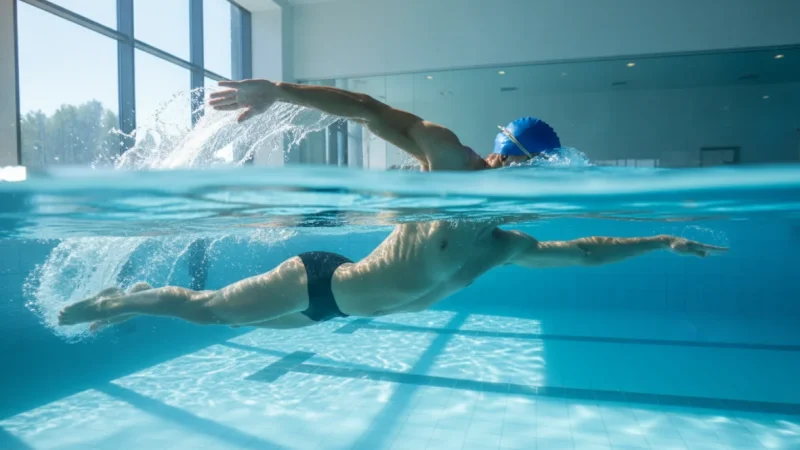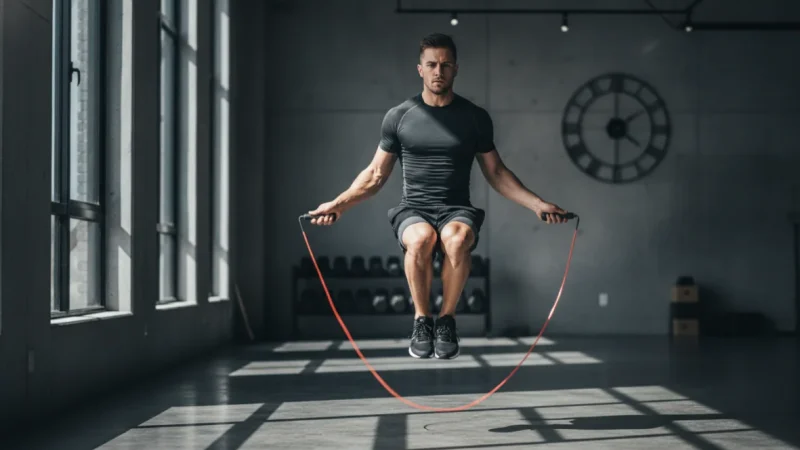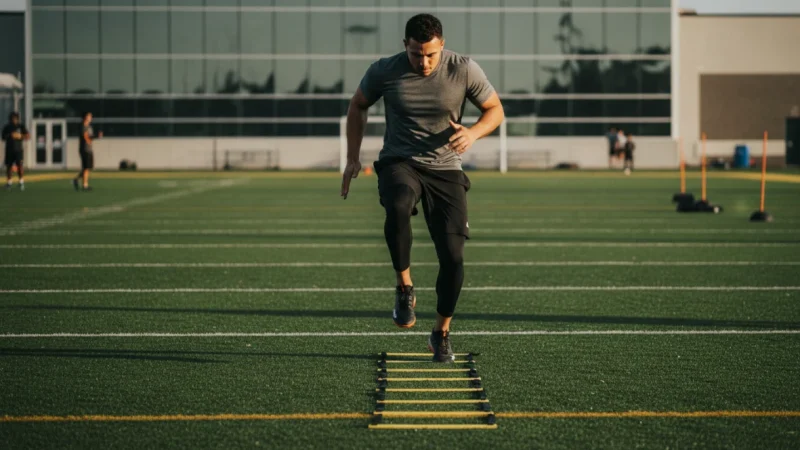
Triathlon Transition Training: Complete Guide to Mastering T1 and T2
You’ve trained for months in the pool, logged countless miles on the bike, and built your running endurance—but have you practiced what happens between these disciplines? Triathlon transition training is often the most overlooked aspect of race preparation, yet it can make or break your performance. While most triathletes obsess over shaving seconds off their swim pace, they lose minutes fumbling in the transition zone. Let’s fix that.
Understanding Triathlon Transitions: The Fourth Discipline
In triathlon, we talk about three sports, but smart athletes know there are actually four disciplines. T1 and T2 training deserves the same attention as swimming, cycling, and running because transitions are where races are won or lost. Studies show that age-group triathletes can easily lose 2-5 minutes in transitions—time that could represent the difference between a personal best and disappointment.
The swim to bike transition (T1) involves exiting the water, removing your wetsuit, donning cycling gear, and mounting your bike. The bike to run transition (T2) requires racking your bike, switching footwear, and heading out on the run course. Each presents unique challenges: T1 tests your ability to transition from horizontal to vertical while managing equipment with potentially shaky hands and elevated heart rate. T2 challenges you to manage heavy legs and the notorious “jelly leg” sensation while making quick decisions.
The right mindset is crucial for faster triathlon transitions. Think of transitions as active parts of your race, not rest periods. Every second counts, and smooth, practiced movements beat frantic rushing every time. If you’re just starting out, check out our complete triathlon training guide for beginners to build a solid foundation.
Essential Transition Zone Setup and Practice Strategies
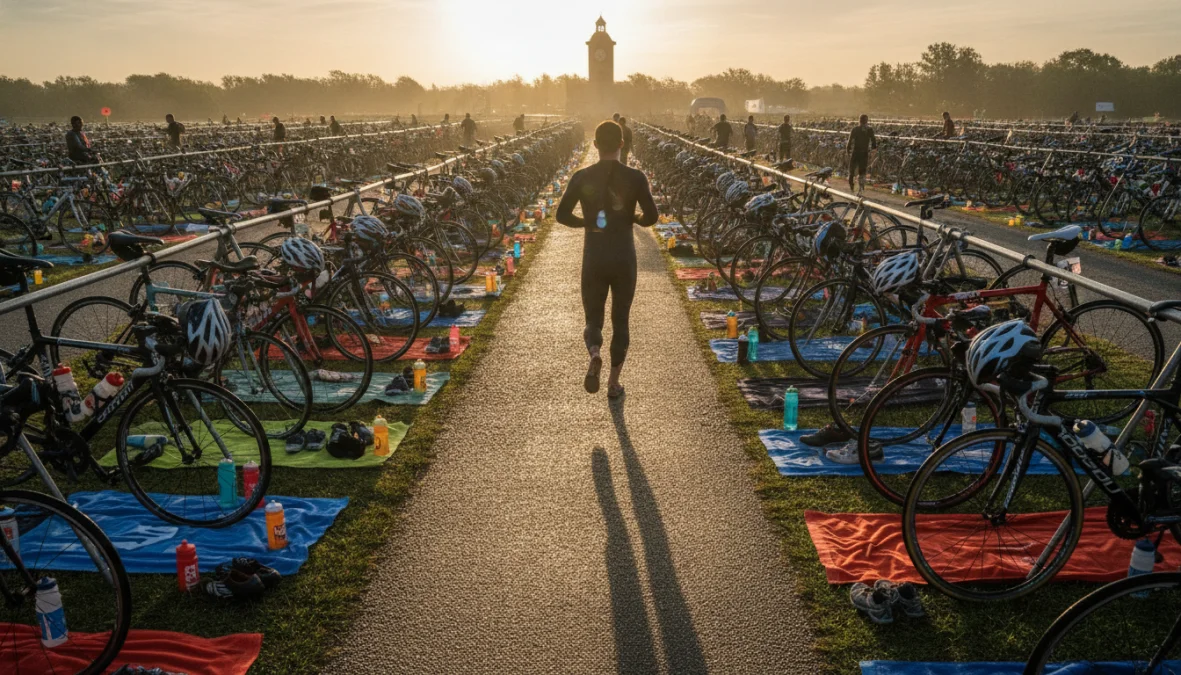
Your transition zone setup is your pit crew station, and organization is everything. When you arrive at the transition area on race day, you’ll need to memorize your bike’s position. Count the rows, identify landmarks, and visualize your route both entering and exiting. Most races won’t allow you to mark your spot beyond what’s provided, so mental preparation is key.
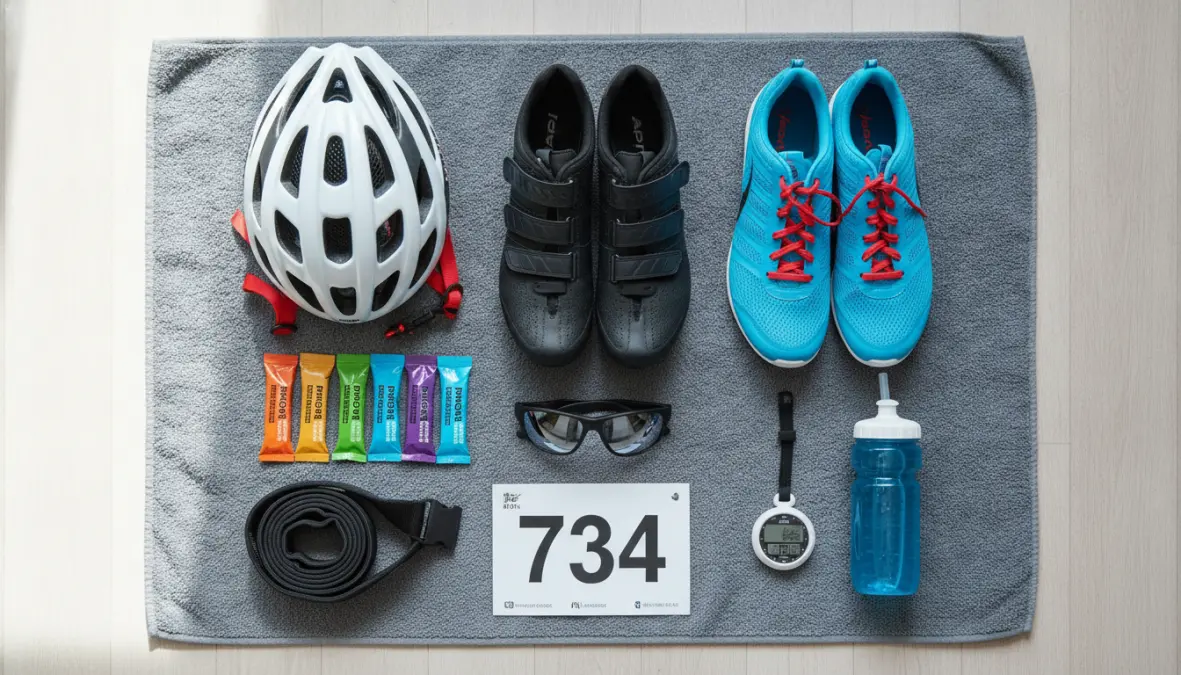
Layout your gear in the order you’ll use it. A transition mat or small towel marks your space and gives you a clean surface for bare feet. Arrange everything systematically: helmet and sunglasses on bike handlebars (helmet straps open and ready), cycling shoes positioned for easy entry, nutrition accessible, and running shoes waiting for T2. Understanding transition zone layout and organization tips helps you avoid common mistakes like placing items where they’ll be kicked or knocked over by neighboring athletes.
Transition area practice is non-negotiable. Visit the transition zone during packet pickup if possible, walk through your route, and note any obstacles. On race morning, arrive early enough to set up calmly and do a mental walk-through of both transitions.
T1 Setup and Swim-to-Bike Transition Techniques
For T1, your bike setup should be pristine and ready to roll. Helmet goes on handlebars with straps unbuckled and spread wide for quick donning. Sunglasses can go inside the helmet or on the bars. Cycling shoes can be pre-mounted on pedals (for advanced athletes attempting a flying mount) or placed beside your bike for conventional mounting.
The wetsuit removal technique starts in the water—begin unzipping as you approach the swim exit. Once on land, pull the suit down to your waist while running to your bike. Apply lubricant (Body Glide or similar) to your wrists and ankles before the race to ease removal. The classic technique: sit briefly if needed, pull one arm out, then the other, then strip the suit down your legs like peeling a banana. Practice this at home until it’s second nature.
The scalzi vs. socks debate depends on distance and personal preference. For sprints, going sockless saves 20-30 seconds. For longer races, the comfort may be worth it. If you choose socks, leave them open and rolled at the top of your shoes for quick entry. The optimal sequence: dry feet quickly, don helmet first (race rules require it before touching your bike), sunglasses on, mount bike, clip into shoes.
T2 Setup and Bike-to-Run Transition Techniques
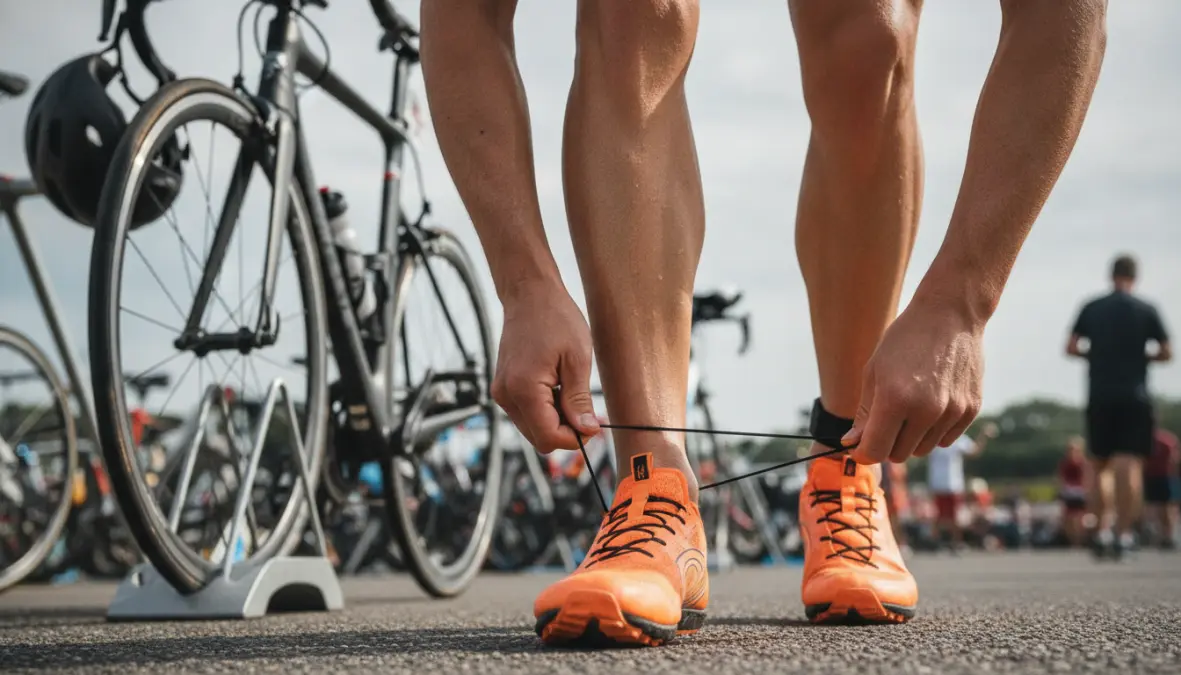
T2 requires less equipment but demands mental sharpness after a hard bike leg. Position your running shoes with elastic laces already tied—these save 15-30 seconds and eliminate the fumbling factor. Place your race number (if it’s a belt, have it laid out ready to clip), visor or hat, and any run nutrition in an obvious spot.
Mounting and dismounting bike safely is crucial in T2. Practice the dismount before the dismount line—start unclipping one foot several meters before, swing your leg over, and run alongside your bike to your rack spot. This triathlon transition tip prevents the awkward hop-and-stop that wastes time and energy.
Managing heavy legs is where brick training becomes essential. The bike-to-run transition creates a unique physiological challenge, and the only way to adapt is through practice. Your first few running steps will feel strange—this is normal and improves with brick workouts. Consider incorporating heart rate zone training to better manage your effort through transitions.
Proven Triathlon Transition Training Drills and Workouts
Now for the practical work: what to practice for faster T1 and T2. Start with at-home drills. Set up a mock transition area in your garage or yard. Practice the complete sequence: wetsuit removal (wear it in the shower first to simulate wet conditions), running to your bike area, helmet on, shoes on, mount. Time yourself and aim to improve each session.
Brick workouts for transition training are your secret weapon. Once or twice monthly, combine disciplines with transition practice. A simple brick: 30-minute bike followed immediately by a 15-minute run, with a timed T2 in between. For swim-to-bike practice, do a pool or open water swim, then immediately transition to a bike ride. These sessions teach your body to adapt to the physiological shifts while your mind practices the mechanical sequences.
Create time trials of your transitions. Set everything up, start your timer, and execute. Record your times: beginners might start at 3-4 minutes for T1 and 2-3 minutes for T2, while experienced triathletes can get T1 under 2 minutes and T2 under 1 minute. If you’re looking to enhance your overall training approach, explore our guide on mental training for athletes to build the focus needed for smooth transitions.
Avoid beginner triathlon transition mistakes like trying new techniques on race day, bringing unnecessary gear, or failing to practice mounting and dismounting. Use visualization techniques the night before your race—mentally walk through every step, from swim exit to bike mount to rack position to run start. This mental rehearsal primes your brain for automatic execution under race pressure.
Progressive training means starting simple and adding complexity. Beginners should master the basic sequence before attempting advanced techniques like flying mounts. Track your progress with quality fitness trackers designed for multi-sport athletes to monitor your transition times alongside your discipline-specific metrics.
FAQ: Triathlon Transition Training
How long should I spend in T1 and T2?
For age-groupers, aim for under 2 minutes in T1 and under 90 seconds in T2 for sprint distances. Olympic distance transitions might be slightly longer due to more gear. Elite athletes complete T1 in 45-60 seconds and T2 in 30-45 seconds, but don’t let that intimidate you—focus on steady improvement.
Can I practice transitions without going to the pool or getting on my bike?
Absolutely! Set up your transition area at home and practice the movements: wetsuit removal, helmet donning, shoe changes, and running through the motions. While brick workouts provide the most realistic preparation, dry runs build muscle memory and identify inefficiencies.
What should I pack in my transition bag essentials?
Your transition bag should include: wetsuit, goggles, swim cap, bike helmet, sunglasses, cycling shoes, running shoes with elastic laces, race belt with number, nutrition for bike and run, towel, lubricant, and a small pump or CO2 cartridge. Create a checklist and use it before every race.
Is it better to use socks or go barefoot?
For sprint distances, most athletes skip socks to save 20-40 seconds total. For Olympic distance and longer, socks prevent blisters and add comfort that outweighs the small time loss. Test both approaches in training to find your preference.
How do I handle transitions in cold or hot weather?
Cold weather: have a light jacket accessible for the bike, and consider arm warmers you can remove. Hot weather: pre-position a water bottle to pour over yourself in T1, and ensure your helmet is well-ventilated. Always practice in conditions similar to your race.
What are the most common beginner mistakes in transitions?
The biggest mistakes include: forgetting helmet-first rule (instant disqualification), bringing too much unnecessary gear, not practicing wetsuit removal, failing to memorize bike position, and treating transitions as rest breaks rather than active race segments.
Mastering triathlon transitions transforms you from a participant into a competitor. The beauty of triathlon transition training is that improvements come quickly with consistent practice—unlike shaving minutes off your run time, you can cut 30-60 seconds from your transitions in just a few focused sessions. Set up that mock transition area this weekend, practice the sequences, and watch your race times improve without swimming, cycling, or running a single extra mile. Your podium finish might be hiding in those precious seconds between disciplines.