Anti-Inflammatory Foods for Athletes: The Complete Guide to Recovery and Joint Health
You’ve just crushed a tough training session, but instead of feeling energized for tomorrow’s workout, your joints ache and your muscles feel stiff. Sound familiar? While inflammation is a natural part of athletic adaptation, chronic inflammation can sabotage your performance and slow down recovery. The good news? The right anti inflammatory foods athletes can eat daily might be the missing piece in your training puzzle.
Why Anti-Inflammatory Foods Matter for Athletic Performance
When you push your body during intense training, you’re creating microscopic tears in muscle tissue and putting stress on your joints. This triggers an inflammatory response—and that’s actually a good thing in the short term. This acute inflammation is part of how your body adapts and gets stronger. The problem starts when inflammation becomes chronic.
Chronic inflammation can lead to prolonged muscle soreness, joint pain, slower recovery times, and even increased injury risk. For athletes, this means fewer quality training sessions and compromised performance. Research shows that inflammation reducing foods can help modulate this response, keeping inflammation at beneficial levels without suppressing the adaptations you’re working so hard to achieve.
The connection between athlete nutrition recovery and inflammation is clear: certain foods contain compounds that naturally reduce inflammatory markers in the body. By incorporating anti inflammatory foods athletes need into your daily diet, you’re not just recovering faster—you’re protecting your joints, reducing muscle soreness, and setting yourself up for long-term athletic success. Unlike over-the-counter anti-inflammatories, food-based approaches support your body’s natural healing processes without unwanted side effects.

The Best Anti-Inflammatory Foods for Athletic Recovery and Joint Health
Building an effective anti inflammatory diet for athletes doesn’t mean overhauling everything you eat. It’s about strategically including natural anti inflammatory foods that pack the biggest punch. Let’s break down the top categories of foods for athletic recovery and joint health foods you should prioritize.
Omega-3 Rich Foods and Fatty Fish
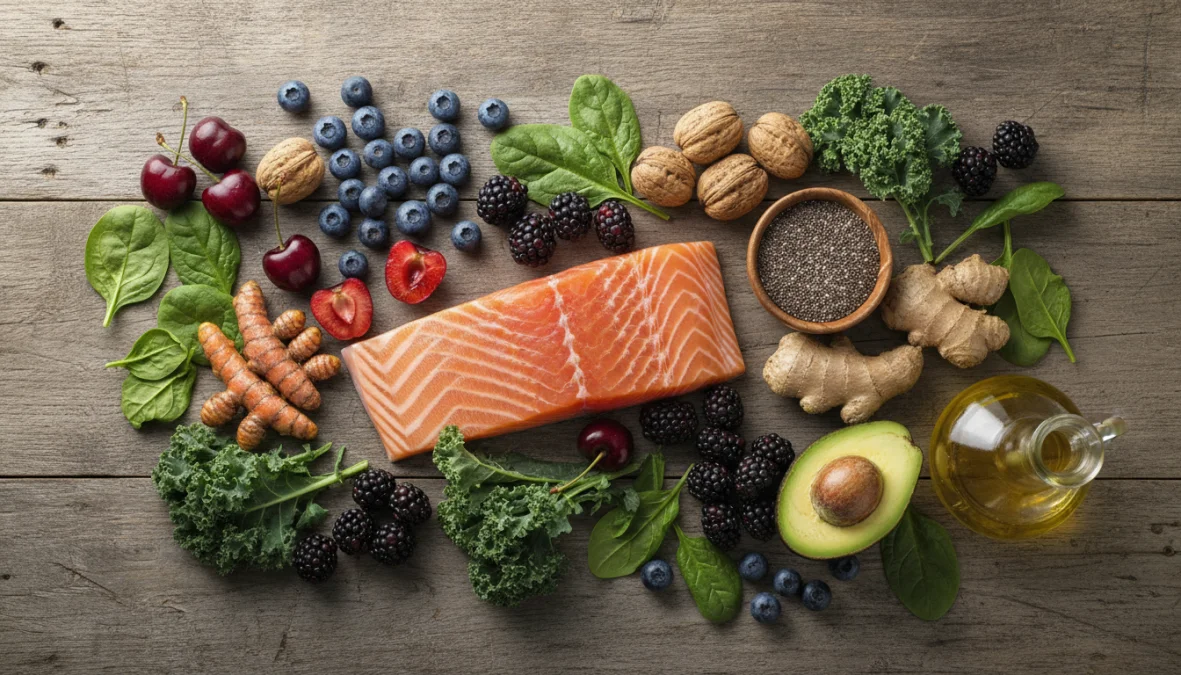
If there’s one nutritional superstar for reducing inflammation, it’s omega-3 fatty acids. These essential fats are among the best anti inflammatory foods for muscle recovery, and fatty fish are your richest source. Salmon, sardines, mackerel, and anchovies contain EPA and DHA—two omega-3s that directly combat inflammatory compounds in your body.
For athletes, aim for at least two to three servings of fatty fish per week. A 3-4 ounce serving of salmon provides around 1.5-2 grams of omega-3s. If you’re dealing with significant joint pain or intense training loads, you might benefit from daily consumption. Don’t eat fish? Plant-based options like walnuts, flaxseeds, and chia seeds contain ALA, another omega-3 that your body converts to EPA and DHA (though less efficiently). Ground flaxseed sprinkled on your morning oatmeal or a handful of walnuts as a snack are simple ways to boost your intake.
The anti-inflammatory power of omega-3s is particularly valuable for runners and athletes dealing with anti inflammatory foods for joint pain in runners—these fats help maintain cartilage health and reduce joint stiffness.
Berries, Leafy Greens, and Antioxidant Powerhouses
Colorful fruits and vegetables aren’t just pretty on your plate—they’re loaded with antioxidants recovery compounds and phytonutrients that fight inflammation. Berries, especially blueberries and tart cherries, contain anthocyanins that reduce oxidative stress and inflammatory markers. Studies show tart cherry juice can significantly decrease muscle soreness reduction after intense exercise.
Dark leafy greens like spinach, kale, and Swiss chard are rich in vitamins A, C, and K, plus minerals that support chronic inflammation prevention. These vegetables also contain sulforaphane and other compounds that activate your body’s natural antioxidant defenses.
Then there’s turmeric curcumin—the golden spice that’s become famous for its anti-inflammatory properties. Curcumin inhibits multiple inflammatory pathways and can help with both acute soreness and long-term cartilage health. Add turmeric to smoothies, curries, or scrambled eggs. Pro tip: combine it with black pepper and a fat source to increase absorption by up to 2000%.
Ginger is another powerful root that reduces inflammation and muscle pain. Fresh ginger tea post-workout or grated ginger in stir-fries are easy additions. To learn more about optimizing your post-exercise nutrition, check out this guide on Recovery Nutrition: The Complete Guide to Post-Workout Foods and Timing.
Building Your Anti-Inflammatory Sports Recovery Diet
Understanding which foods fight inflammation is one thing; actually building a practical sports recovery diet is another. Here’s how to structure your eating to maximize the anti-inflammatory benefits while meeting your athletic energy demands.
Pre-workout nutrition: Focus on easily digestible carbs with some anti-inflammatory additions. A bowl of oatmeal topped with berries and walnuts gives you energy plus antioxidants. A smoothie with spinach, banana, frozen cherries, and ground flaxseed works great too.
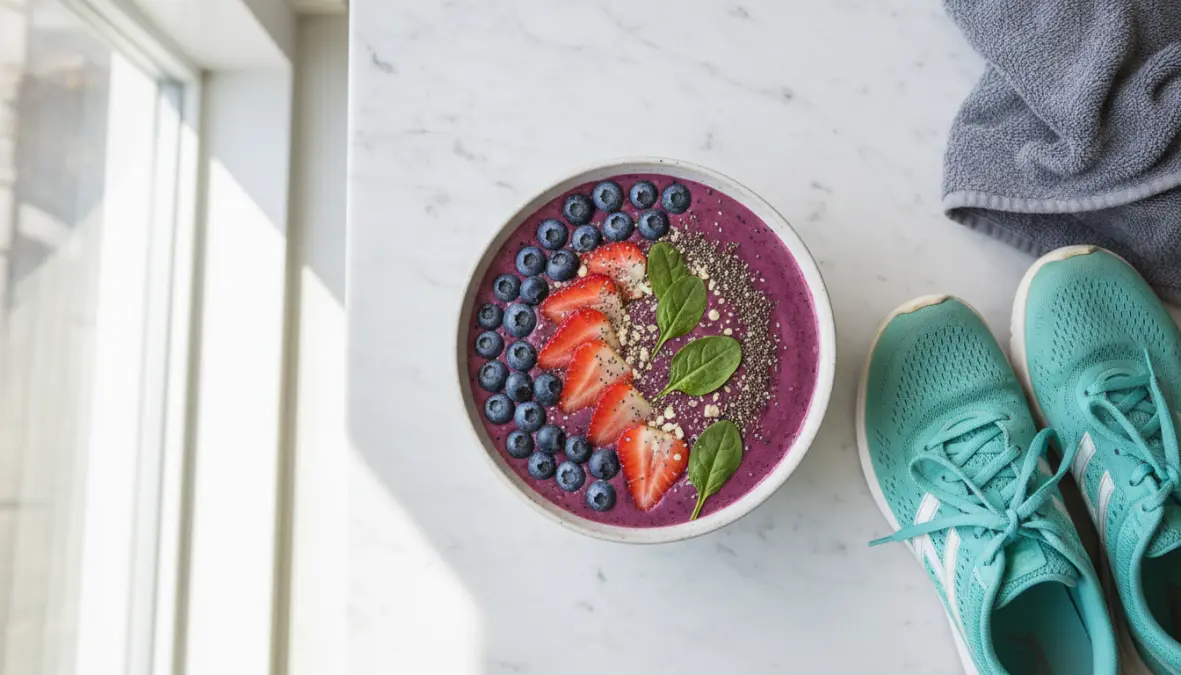
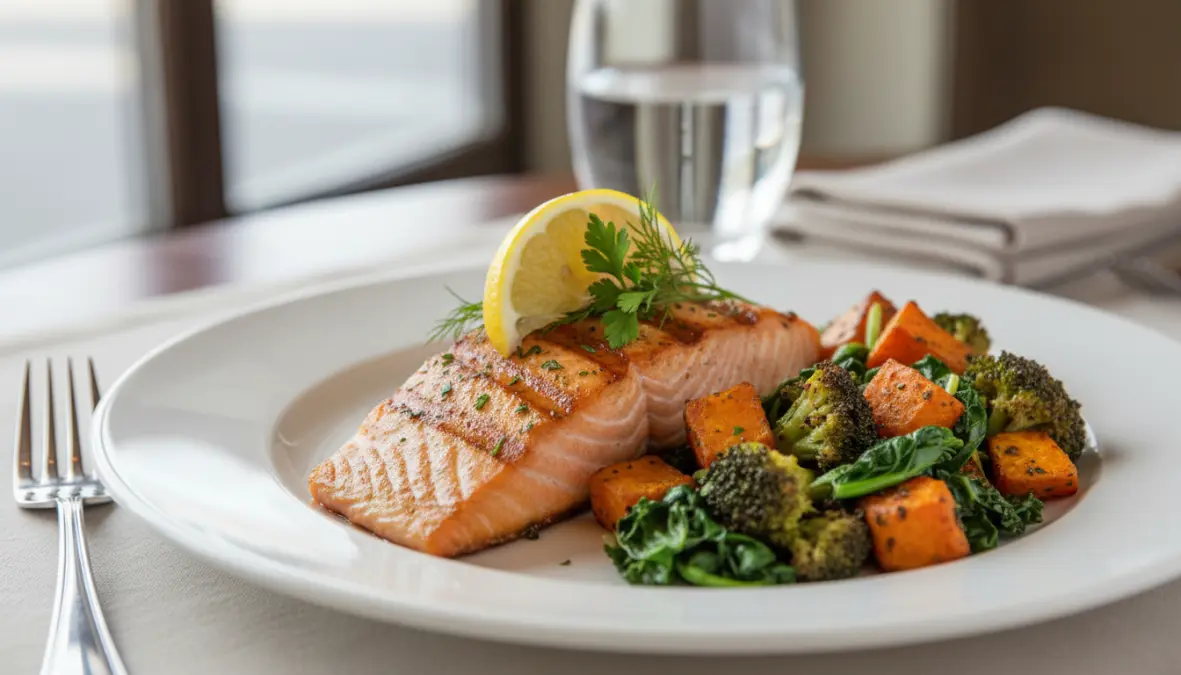
Post-workout timing matters: Within 30-60 minutes after training, you need both protein for repair and carbs to replenish glycogen. This is also the perfect time for your anti-inflammatory foods. Try salmon with sweet potato and steamed broccoli, or a smoothie bowl with Greek yogurt, berries, chia seeds, and a pinch of turmeric. These combinations provide natural foods for post workout inflammation while supporting muscle recovery.
Daily meal structure: Build each meal around a protein source, colorful vegetables, healthy fats, and quality carbs based on your training load. For an anti inflammatory meal plan for athletes, a typical day might include: breakfast of scrambled eggs with spinach and avocado; lunch with grilled chicken over mixed greens with olive oil dressing; snacks like apple slices with almond butter or Greek yogurt with berries; dinner featuring baked salmon, quinoa, and roasted vegetables with turmeric.
Foods to limit or avoid: Highly processed foods, excessive added sugars, refined grains, and trans fats promote inflammation. That doesn’t mean never enjoying treats, but making them exceptions rather than staples. Also watch alcohol consumption—it can increase inflammatory markers and impair recovery.
Hydration and supplements: Don’t forget that proper hydration supports every anti-inflammatory process in your body. Check out Hydration Strategies for Endurance Athletes for detailed guidance. As for supplements, whole foods should be your foundation, but fish oil, curcumin, or tart cherry supplements can complement your diet when whole food sources aren’t sufficient. For athletes following plant-based diets, explore Plant-Based Protein Sources for Athletes to ensure you’re getting adequate omega-3s and other nutrients.
FAQ: Anti-Inflammatory Nutrition for Athletes
How long does it take to see results from an anti-inflammatory diet?
Most athletes notice reduced muscle soreness and joint discomfort within 2-3 weeks of consistently eating anti-inflammatory foods. However, deeper changes to inflammatory markers and chronic inflammation can take 6-12 weeks. Consistency is key—this isn’t a quick fix but a sustainable approach to better recovery.
What are the worst pro-inflammatory foods athletes should avoid?
The biggest culprits are processed meats, foods high in trans fats and partially hydrogenated oils, excessive added sugars, refined carbohydrates (white bread, pastries), and fried foods. Regular alcohol consumption also promotes inflammation. You don’t need to eliminate these completely, but minimizing them will significantly impact your recovery.
Do I need supplements or is food enough?
Whole foods should always be your primary source of anti-inflammatory compounds. However, some athletes benefit from fish oil (if not eating fatty fish regularly), curcumin supplements (which offer higher doses than dietary turmeric), or tart cherry extract. Quality matters—choose third-party tested brands and consult with a sports nutritionist for personalized guidance.
How do I balance anti-inflammatory eating with high caloric needs?
Great question! Athletes often need substantial calories, and anti-inflammatory eating doesn’t mean restricting intake. Focus on nutrient-dense, calorie-rich foods like nuts, seeds, avocados, olive oil, fatty fish, and whole grains. Add anti-inflammatory foods to your existing meals rather than replacing them. For guidance on adjusting carb intake around training, see Carb Cycling for Athletes.
Incorporating foods that help athletic recovery and reduce inflammation into your daily routine isn’t complicated—it’s about making smarter choices with the foods you’re already eating. Your body works incredibly hard during training; give it the nutritional tools it needs to recover stronger. Combined with proper mobility work and smart training planning, an anti-inflammatory approach to nutrition could be the game-changer your performance has been waiting for.