
Creatine for Endurance Athletes: Benefits Beyond Strength Training

When most people hear “creatine,” they picture bodybuilders and powerlifters grunting through heavy squats. But here’s the thing: creatine endurance athletes can benefit from just as much as their strength-training counterparts. Whether you’re logging miles on the road, grinding out intervals on the bike, or pushing through a grueling triathlon, this well-researched supplement might be the missing piece in your performance puzzle. Let’s dive into why creatine deserves a spot in your nutrition arsenal, even if you’re chasing PRs in the marathon rather than the bench press.
Understanding Creatine’s Role in Endurance Performance
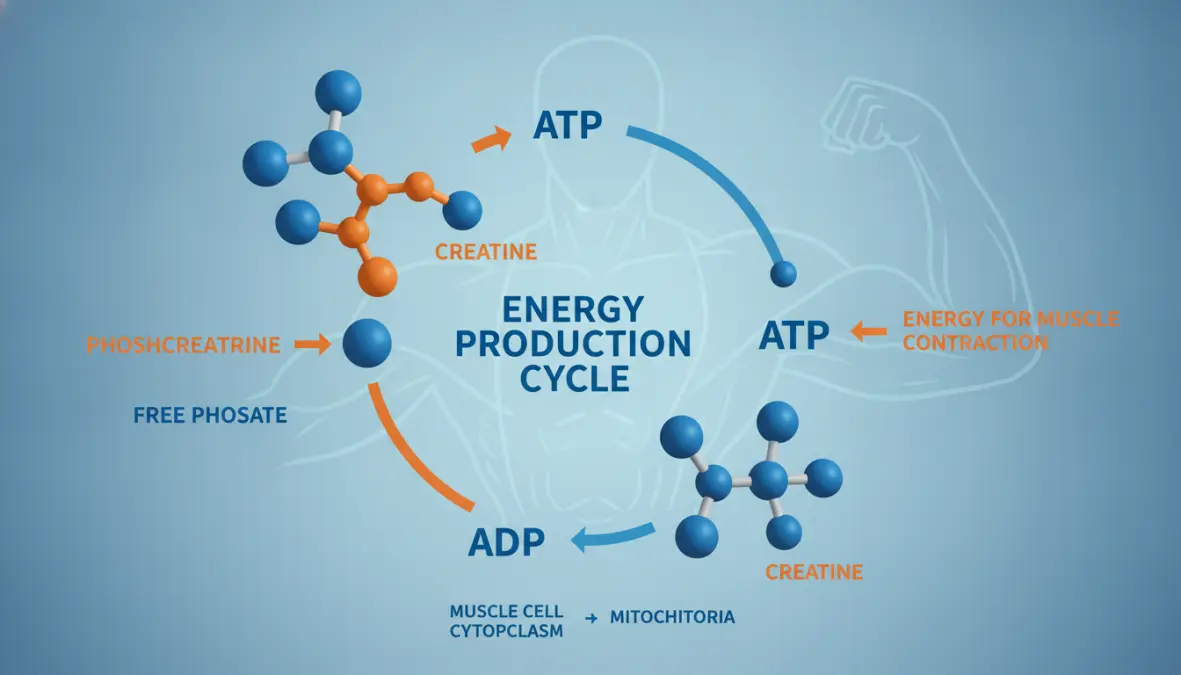
So, what exactly is creatine? It’s a naturally occurring compound found in muscle cells that plays a crucial role in ATP production—the energy currency your muscles use during exercise. Your body produces some creatine naturally, and you get more from foods like meat and fish, but supplementation can significantly boost your muscle creatine stores.
Here’s where it gets interesting for endurance athletes supplementation: while creatine is famous for fueling short, explosive movements through the phosphocreatine system, its benefits extend far beyond those initial 10 seconds of max effort. Research shows that creatine supplementation can enhance creatine aerobic performance by improving your ability to sustain high-intensity efforts during predominantly aerobic activities.
A study published in the Journal of the International Society of Sports Nutrition found that creatine supplementation improved repeated sprint performance and recovery in endurance-trained athletes. This matters because endurance sports aren’t just about steady-state effort—think about surging up a hill during a cycling race, accelerating to break away from a pack of runners, or powering through the final kick of a 10K. These moments require rapid ATP regeneration, exactly what creatine excels at providing.
The key mechanism? Creatine helps rapidly replenish ATP during recovery between intervals, allowing you to maintain quality throughout high-intensity training sessions. This translates to better adaptations from your interval work, which is crucial for improving your lactate threshold and overall race performance. To complement your supplementation strategy, check out our guide on hydration strategies for endurance athletes to ensure optimal performance.
Key Benefits of Creatine for Endurance Athletes
Let’s get specific about how creatine endurance benefits can show up in your training and racing. First up: those crucial finishing kicks and accelerations. Whether you’re a runner trying to outsprint competitors in the final 400 meters or a cyclist attacking on a climb, creatine for runners and cyclists enhances your anaerobic capacity during these decisive moments.
Recovery is where creatine really shines for endurance folks. High-volume training weeks can leave you feeling perpetually fatigued, but creatine helps by supporting faster recovery between hard sessions. This means you can stack quality workouts closer together without compromising performance—a huge advantage during peak training blocks.
Creatine cycling performance benefits are particularly notable during interval sessions. Cyclists doing repeated efforts above threshold report being able to maintain power output longer across multiple intervals. The same applies to runners doing track workouts—that sixth 800-meter repeat might not feel quite as brutal when your phosphocreatine stores are topped off.
Here’s something many endurance athletes don’t realize: creatine also helps preserve muscle glycogen stores during prolonged exercise. By providing an additional energy buffer, it may reduce your reliance on glycogen during high-intensity portions of long workouts, potentially extending your time to exhaustion.
Mental fatigue is real, especially during long training blocks or races. Emerging research suggests creatine may reduce mental fatigue during prolonged cognitive and physical tasks—think maintaining focus during the final miles of a marathon when your brain is screaming at you to slow down. For more on building mental resilience, explore our complete guide to mental training.
Practical example: A marathoner doing weekly tempo runs might notice they can sustain goal pace longer before form breaks down. A triathlete might find transitions between bike and run feel less jarring. These aren’t massive, overnight transformations, but small consistent improvements that add up on race day.
Creatine Monohydrate: The Gold Standard for Endurance
When it comes to choosing a creatine supplement, creatine monohydrate endurance athletes should look no further than creatine monohydrate. It’s the most researched form, the most cost-effective, and consistently shows the best results. Fancy formulations with added bells and whistles typically don’t offer additional benefits for the extra cost.
How much creatine for endurance athletes should you take? You have two options: the loading protocol or the steady approach. Loading involves taking 20 grams daily (split into 4 doses of 5 grams) for 5-7 days, followed by a maintenance dose of 3-5 grams daily. This saturates your muscle creatine stores quickly. Alternatively, skip the loading phase and take 3-5 grams daily from the start—you’ll reach saturation in about 3-4 weeks.
For those wondering about creatine loading phase endurance athletes specifics: the loading phase isn’t necessary, but it speeds up results. If you’re 4-6 weeks out from a goal race, loading might make sense. Otherwise, daily supplementation works just fine.
Timing isn’t critical with creatine—it’s about maintaining elevated muscle stores rather than acute pre-workout effects. Many endurance athletes take it post-workout with their recovery meal, as insulin may enhance creatine uptake. It pairs well with sports nutrition supplements like carbohydrates and protein in your recovery shake.
Since proper strength work enhances endurance performance, consider how creatine fits into your overall training approach by reviewing our article on balancing strength and endurance training.

FAQ: Common Questions About Creatine for Endurance Athletes
Does creatine cause water retention that affects running/cycling?
Yes, creatine causes intracellular water retention (water stored inside muscle cells), which typically adds 1-3 pounds during the first week of supplementation. However, this isn’t bloating—it’s functional hydration that doesn’t negatively impact performance. The weight gain is minimal compared to body weight for most athletes, and the performance benefits typically outweigh any marginal increase in weight carried. Importantly, maintaining proper hydration status is crucial when supplementing with creatine.
Should endurance athletes take creatine? Does creatine help with endurance training?
Absolutely, if your training includes high-intensity intervals, hill repeats, tempo runs, or any efforts requiring repeated bursts of power. While creatine won’t directly improve your VO2 max or make your easy runs faster, it enhances your ability to perform and recover from the high-intensity work that drives endurance adaptations. Learn more about measuring these adaptations in our guide to VO2 max and lactate threshold testing.
What’s the best creatine for marathon runners? Do creatine benefits for long distance runners exist?
Creatine monohydrate is the best choice. While marathon running is predominantly aerobic, creatine still offers benefits: better training quality during interval sessions, improved ability to surge during races, faster recovery between hard efforts, and potential protection against muscle damage during high-mileage weeks. The cumulative effect of better training quality translates to better race performance.
How long before seeing results? Does creatine improve running performance immediately?
With loading, you might notice improved interval performance within 5-7 days. Without loading, expect 3-4 weeks. The effects are subtle but measurable—you might sustain threshold pace for an extra minute, complete that last interval without falling apart, or bounce back faster between hard sessions. Track your performance metrics to notice the gradual improvements.
Should I cycle creatine supplementation?
There’s no physiological need to cycle creatine. Your body doesn’t develop tolerance, and long-term studies show it’s safe for continuous use. Some athletes cycle it for cost reasons or simply take breaks during off-season, but you can safely supplement year-round if it benefits your training.
Creatine isn’t just for gym bros anymore. As an endurance athlete, whether you’re chasing podiums or personal bests, this supplement offers legitimate benefits that extend well beyond the weight room. From improving your creatine stamina during intervals to supporting recovery between hard efforts, creatine deserves consideration in your nutrition plan. Combine it with solid training fundamentals—like core strength work and mobility training—and you’ve got a recipe for sustainable performance gains. Give it a shot for 8-12 weeks and track your results. Your next PR might be closer than you think.