
BCAAs for Endurance Athletes: Complete Guide to Muscle Protection During Long Efforts

You’ve logged those brutal training miles, pushed through the wall at mile 20, and somehow survived that century ride. But have you ever wondered why your legs feel like lead days after a long effort, or why recovery seems to take forever? The answer might lie in what’s happening to your muscles during those grueling endurance sessions. BCAAs endurance athletes swear by aren’t just another supplement fad—they’re essential amino acids that could be the missing piece in your training puzzle, especially when you’re asking your body to go the distance.
What Are BCAAs and Why Endurance Athletes Need Them
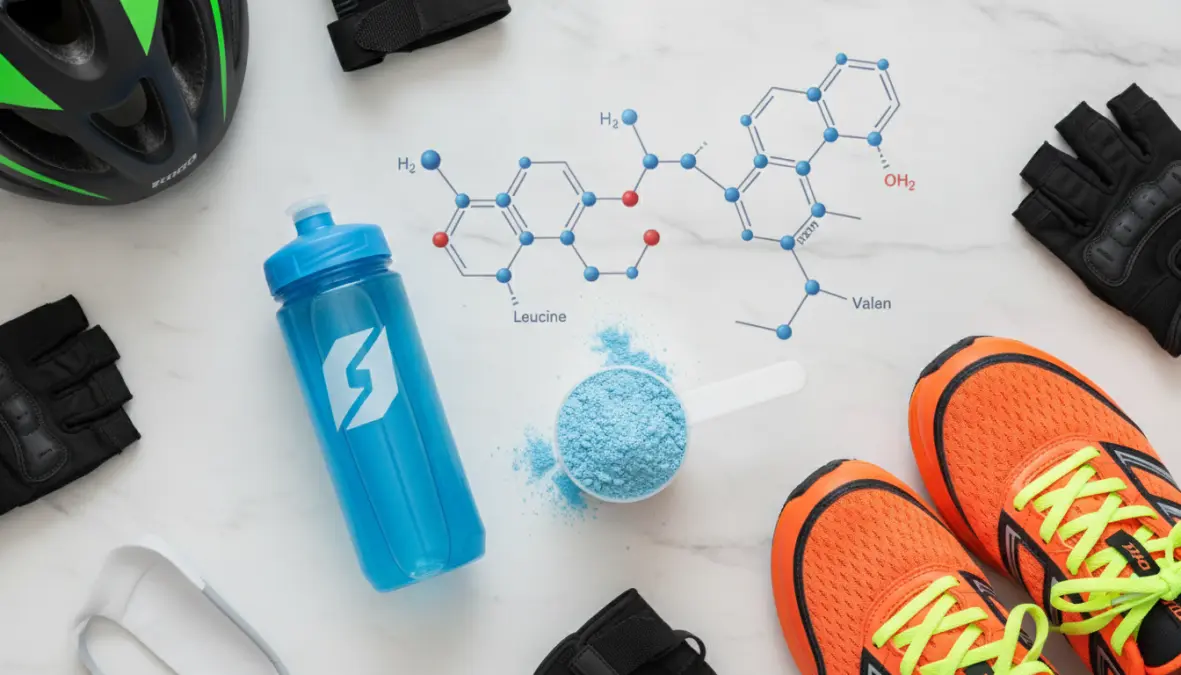
BCAAs—or branched chain amino acids endurance athletes rely on—consist of three essential amino acids: leucine, isoleucine, and valine. Unlike other amino acids that get metabolized in the liver, these three get processed directly in your muscles, which makes them particularly valuable when you’re grinding out mile after mile or pedaling for hours.
Here’s where it gets interesting for endurance folks: while strength athletes use BCAAs primarily for building muscle, endurance athletes need them for a completely different reason—survival. During long efforts, your body starts running low on glycogen, and when that happens, it doesn’t just politely stop. Instead, it begins breaking down your hard-earned muscle tissue to fuel your performance, a process called muscle catabolism. Think of it as your body eating itself to keep you moving.
Research shows that during prolonged endurance exercise, BCAA levels in your blood can drop by 20-40%. This glycogen depletion triggers your body to use muscle protein as fuel, which is exactly what you don’t want when you’re trying to maintain strength and power through the final miles of a marathon or the last climb of a long ride. Studies on BCAAs endurance athletes have demonstrated that supplementation can help maintain BCAA levels during exercise, potentially reducing this unwanted muscle breakdown. This becomes even more critical during peak training blocks when you’re stacking high-mileage days together.
How BCAAs Protect Muscles and Enhance Performance in Endurance Sports
The magic of BCAAs for endurance goes beyond just preventing muscle breakdown. These amino acids work through several mechanisms that directly impact your performance and recovery. First, they compete with tryptophan for entry into your brain. Why does this matter? Tryptophan gets converted to serotonin, which contributes to that feeling of fatigue during long efforts. By limiting tryptophan entry, BCAAs may help reduce central fatigue—that mental exhaustion that makes you want to quit even when your legs could theoretically keep going.
For BCAAs muscle recovery, leucine plays the starring role by stimulating muscle protein synthesis. This is crucial not just for building muscle, but for repairing the micro-damage that occurs during endurance training. Studies on exercise induced muscle damage have shown that BCAA supplementation can reduce markers of muscle damage and soreness following prolonged exercise, helping you bounce back faster for your next session.
When it comes to timing, BCAAs marathon training protocols typically recommend a three-phase approach: taking 5-10 grams before your long effort, sipping another 5-10 grams during (especially for efforts over 90 minutes), and consuming 5-10 grams post-workout. This is different from strength training protocols because you’re not just trying to build muscle—you’re actively preventing its breakdown during the effort itself. Much like proper hydration strategies for endurance athletes, timing is everything with BCAA supplementation.
For athletic performance, research on BCAAs cycling performance and running has shown mixed but promising results. A study on trained cyclists found that BCAA supplementation improved performance in a subsequent time trial after a glycogen-depleting ride. Another study on marathon runners showed reduced muscle soreness and faster recovery of muscle function when taking BCAAs around their long runs. The key is consistency and proper dosing—most studies showing benefits used 10-20 grams total per day during heavy training periods.
BCAAs During Marathon Training and Long Distance Running
For runners logging serious miles, BCAAs long distance running supplementation becomes particularly valuable during those dreaded 18-20 milers. The research suggests taking BCAAs 30 minutes before your long run, then mixing them into your fuel strategy during the run itself. Many runners report feeling less muscle soreness 24-48 hours after long efforts when they consistently use BCAAs. During peak mileage weeks—say, when you’re hitting 60-70 miles—do BCAAs help endurance athletes? The answer appears to be yes, especially for recovery between hard sessions. Consider pairing your BCAA protocol with solid core strength work to maximize your marathon training benefits.

BCAAs for Cycling and Multi-Hour Endurance Events
Cyclists and triathletes face unique challenges during those 4-6 hour training rides or ultra-distance events. BCAAs cycling performance supplementation works best when combined with carbohydrates—think adding BCAA powder to your sports drink. For BCAAs benefits for ultra distance runners and ultra-cyclists, the anti-catabolic effect becomes crucial when you’re out there for 8+ hours. Many athletes report better leg freshness in the final hours of long events when they’ve been sipping BCAAs throughout. The combination of BCAAs with proper electrolyte balance can make or break your performance in these extended efforts.
Best Practices: When and How to Use BCAAs for Endurance Training
Let’s get practical about amino acids endurance sports supplementation. The optimal ratio for BCAAs endurance athletes should use is typically 2:1:1 (leucine:isoleucine:valine), though some research suggests a 3:1:1 ratio might be even better for maximizing leucine’s muscle-protecting effects.
When to take BCAAs for endurance depends on your workout:
- Easy days: Probably not necessary if you’re eating adequate protein
- Long runs/rides (90+ minutes): 5-10g before, during, and after
- Hard intervals or tempo work: 5-10g before and after
- Double-session days: Between workouts to jumpstart recovery
For how much BCAAs for endurance training, most research points to 10-20 grams total per day during heavy training blocks. Powder form generally offers better value and mixability in your water bottles, though capsules work fine if you prefer convenience.
Here’s a reality check: BCAAs vs protein for endurance athletes isn’t really an either-or question. If you’re already consuming 1.2-1.6g of protein per kg of bodyweight daily through whole foods and quality protein powders, your BCAA needs might be covered. This is especially true if you’re eating protein shortly before or after training. BCAAs shine most when you’re training fasted, during very long efforts, or when you can’t consume whole protein around your workouts.
For athletes following plant-based diets, BCAA supplementation becomes more important since many plant proteins are lower in leucine specifically. If you’re vegan or vegetarian, consider BCAAs as a strategic insurance policy during peak training.
One often-overlooked aspect: sports nutrition supplementation works best when you’re also monitoring your training stress. Tools discussed in sports performance testing can help you identify when you’re pushing hard enough to warrant BCAA supplementation versus when you’re just throwing money at a problem that better recovery practices could solve.
FAQ
Do BCAAs really work for endurance athletes?
The evidence is moderately positive but not overwhelming. BCAAs appear most effective for reducing muscle soreness and speeding recovery during high-volume training blocks, especially for efforts over 90 minutes. They’re not magic, but they can provide a meaningful edge when used strategically.
Should I take BCAAs during a marathon or long ride?
Yes, if the effort exceeds 90 minutes. Mix BCAAs with your carbohydrate fuel for the best results. The combination helps preserve muscle while maintaining energy levels, though carbs should still be your primary fuel source during the event itself.
Can BCAAs replace protein for endurance athletes?
Absolutely not. BCAAs are just three of the nine essential amino acids your body needs. Think of them as a tactical supplement for specific training situations, not a replacement for complete protein sources from food or protein powder.
What’s the best BCAA ratio for endurance sports?
Look for a 2:1:1 or 3:1:1 ratio (leucine:isoleucine:valine). The higher leucine content supports muscle protein synthesis and provides better anti-catabolic effects during long efforts.
Whether you’re chasing a marathon PR, tackling your first century ride, or just trying to survive another heavy training week, BCAAs might be worth adding to your nutrition toolkit. They’re not essential for everyone, but for serious BCAAs endurance athletes pushing big volumes or struggling with recovery, these three simple amino acids could help protect your hard-earned fitness and keep you training consistently. Just remember: supplements enhance a solid foundation—they don’t replace proper training, nutrition, and recovery practices. Now get out there and put in the work.