
Heat Illness Prevention for Athletes: Recognizing Warning Signs and Emergency Response
Picture this: a promising young athlete collapses during practice on a humid summer afternoon. Within minutes, what seemed like simple fatigue escalates into a life-threatening emergency. This scenario plays out far too often in sports programs across the country, but it doesn’t have to. Understanding heat illness prevention athletes need and recognizing warning signs early can literally save lives on the field.
Heat-related illnesses send thousands of athletes to emergency rooms each year, with high school and college sports accounting for a significant portion of these cases. The good news? Most of these incidents are entirely preventable with proper education, preparation, and quick action when warning signs appear. Whether you’re a coach, parent, or athlete, knowing the difference between manageable heat cramps and life-threatening heat stroke could make all the difference when seconds count.
Understanding Athletic Heat Illness: From Cramps to Heat Stroke
Athletic heat illness exists on a continuum, ranging from mild heat cramps to potentially fatal heat stroke. Unlike recreational exercisers, athletes push their bodies to extreme limits, generating internal heat that can overwhelm the body’s natural thermoregulation mechanisms. When environmental conditions—high temperature, humidity, and inadequate air movement—combine with intense physical exertion, the risk multiplies exponentially.
Studies indicate that football players are 10 times more likely to experience exertional heat illness than other athletes, but no sport is immune. Track and field, soccer, tennis, and cycling all present significant risks, especially during peak summer months. The wet bulb globe temperature (WBGT), which accounts for temperature, humidity, wind speed, and solar radiation, provides a more accurate risk assessment than temperature alone. When WBGT exceeds 82°F (28°C), outdoor practice becomes hazardous, and above 92°F (33°C), it should be cancelled entirely.
Several factors increase vulnerability to heat illness prevention athletes must understand: poor physical conditioning, inadequate acclimatization, dehydration, previous heat illness history, certain medications, sleep deprivation, and underlying medical conditions. Young athletes are particularly susceptible because their bodies produce more metabolic heat relative to their size and have less efficient sweating mechanisms than adults. For endurance athletes, learning proper hydration strategies becomes crucial for performance and safety.
Heat Cramps: The First Warning
Heat cramps typically appear as the first indication that something’s going wrong with the body’s heat management system. These painful, involuntary muscle spasms—usually affecting the calves, thighs, or abdominal muscles—result from electrolyte balance disruption, particularly sodium depletion through excessive sweating.
Heat cramps treatment requires immediate action: stop all activity, move to a cool environment, and begin oral rehydration with an electrolyte-containing sports drink rather than plain water. Gentle stretching and massage of affected muscles can provide relief. Athletes should not return to play the same day, even if cramps resolve quickly. Full recovery with appropriate medical clearance return to play protocols should be followed before resuming intense activity.
Heat Exhaustion vs Heat Stroke: Critical Differences
Understanding the distinction between heat exhaustion and heat stroke is critical for anyone involved in athletics. Heat exhaustion symptoms include profuse sweating, pale and clammy skin, rapid pulse, dizziness, nausea, headache, weakness, and a core body temperature typically between 100-104°F (38-40°C). While serious, heat exhaustion responds well to immediate cooling measures and oral hydration.
Heat stroke warning signs, however, signal a medical emergency requiring immediate 911 activation. Key indicators include hot, dry skin (though sweating may still be present in exertional cases), body temperature above 104°F (40°C), altered mental status (confusion, aggression, irritability), loss of consciousness, seizures, and rapid, strong pulse that may later become weak. The central nervous system dysfunction distinguishes heat stroke from exhaustion—this is when the body’s cooling mechanisms have completely failed.
The progression from heat exhaustion to heat stroke can occur within minutes, making early recognition of warning signs of heat stroke during exercise absolutely critical. Never dismiss confusion, unusual behavior, or stumbling as simple fatigue—these are neurological red flags demanding immediate action.
Heat Illness Prevention Strategies for Athletes
Effective heat illness prevention athletes and coaches implement starts weeks before the season begins. Acclimatization—the physiological adaptation to exercising in heat—requires a minimum of 10-14 days of gradually increasing exposure. During this period, training intensity and duration should build progressively, allowing the body to develop more efficient sweating, improved cardiovascular stability, and enhanced plasma volume expansion.
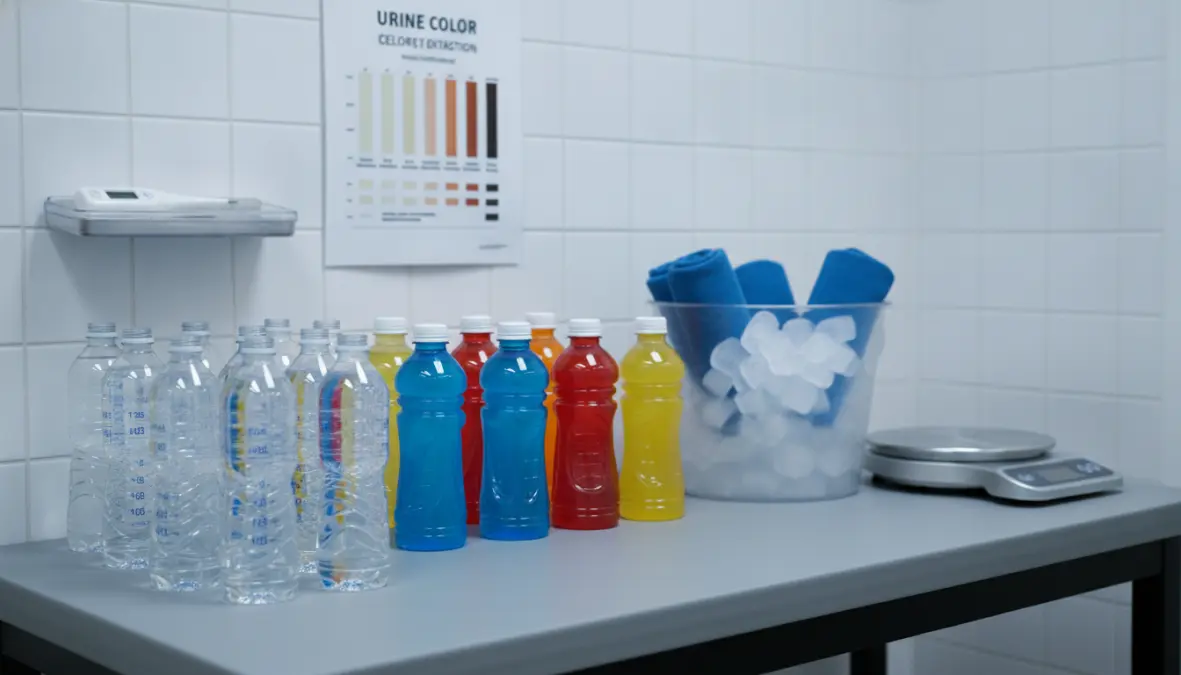
Heat safety protocols should include scheduling practices during cooler parts of the day (early morning or evening), providing frequent rest breaks in shaded areas, allowing unlimited water access, and modifying practice intensity based on environmental conditions. Athletes should wear light-colored, moisture-wicking clothing and remove unnecessary equipment during extreme heat. Monitoring systems that track each athlete’s hydration status through pre- and post-practice weigh-ins help identify those at higher risk.
Coaches should establish clear guidelines for practice modification or cancellation based on WBGT readings. The National Athletic Trainers’ Association recommends increased rest breaks when WBGT reaches 75-80°F, modified practice at 80-87°F, and cancellation above 87°F. Creating a heat emergency action plan before the season—including designated personnel roles, location of cooling techniques equipment, and emergency contact information—ensures preparedness when seconds matter.
Athletes serious about performance should consider baseline fitness assessments including VO2 max testing to establish conditioning levels that influence heat tolerance.
Hydration Protocol: Beyond Drinking Water
Dehydration prevention sports programs emphasize requires a strategic approach that begins well before practice starts. Athletes should pre-hydrate by consuming 16-20 ounces of fluid 2-3 hours before activity, followed by another 8-10 ounces 15-20 minutes before starting. During exercise, aim for 7-10 ounces every 10-20 minutes, adjusting based on sweat rate, intensity, and environmental conditions.
Simple weight monitoring provides valuable insight: losing more than 2% of body weight during activity indicates inadequate hydration. A urine color chart (pale yellow indicates good hydration, dark amber suggests dehydration) offers another practical assessment tool. While water suffices for activities under 60 minutes, longer sessions require electrolyte replacement through sports drinks to maintain sodium, potassium, and other essential minerals. However, avoid overhydration (hyponatremia), which dilutes blood sodium levels and can be equally dangerous. For comprehensive guidance on balancing fluids and nutrition, explore carbohydrate timing strategies that support hydration needs.
Emergency Response Protocol for Heat-Related Illness
When heat illness strikes, the athlete emergency response must be swift and systematic. First, recognize the emergency—if an athlete shows altered mental status, stop breathing normally, loses consciousness, or exhibits other heat stroke warning signs, call 911 immediately. Every minute of delay increases the risk of permanent organ damage or death.
While waiting for emergency services, begin aggressive cooling immediately. Cold water immersion (CWI) in a tub filled with ice water (35-58°F/2-15°C) is the gold standard, capable of reducing core temperature at rates of 0.35°F (0.2°C) per minute. If a tub isn’t available, apply ice packs to major arterial points (neck, armpits, groin), use rotating cold wet towels, or create an ice sheet wrap. Continue cooling until core temperature drops below 102°F (39°C) or emergency personnel arrive.
Critical heat illness first aid procedures athletes require include: never give oral fluids to an unconscious or confused athlete, don’t use fever-reducing medications like acetaminophen (they’re ineffective for exertional heat stroke), and continuously monitor for breathing and pulse. The first 30 minutes are crucial—mortality rates increase significantly when cooling is delayed beyond this window.
Pre-season preparation should ensure immediate access to immersion tubs, ice, rectal thermometers (the only accurate measure of core temperature during heat stroke), and trained personnel who know what to do when athlete has heat illness. Every team should conduct heat emergency drills, just as they would for other medical emergencies. Building mental toughness includes knowing when to speak up about concerning symptoms rather than pushing through dangerous situations.
Frequently Asked Questions
What are the early warning signs of heat illness in athletes?
Early signs of heat illness in sports include excessive fatigue disproportionate to the workout intensity, muscle cramps, headache, dizziness, nausea, decreased performance, irritability, and excessive sweating or, conversely, absence of sweating. Any athlete displaying these symptoms should immediately stop activity, move to a cool environment, and begin rehydration.
How quickly can heat exhaustion turn into heat stroke?
Heat exhaustion can progress to heat stroke within minutes if not addressed. The transition accelerates when an athlete continues exercising despite warning signs, when environmental conditions are extreme, or when cooling measures aren’t implemented quickly. This is why recognizing symptoms early and responding immediately is absolutely critical.
Can you prevent heat illness completely?
While heat illness prevention strategies for coaches and athletes can dramatically reduce risk, no prevention program eliminates it entirely. However, proper acclimatization, strategic hydration, environmental monitoring, appropriate scheduling, and immediate response to early warning signs make serious heat illness extremely rare in well-managed athletic programs.
What should be in a heat emergency kit?
Every athletic program needs a heat emergency kit containing: rectal thermometers, large immersion tub or kiddie pool, multiple bags of ice or access to ice machine, cold wet towels, portable fans, oral rehydration solutions with electrolytes, and emergency action plan with contact numbers. Consider adding a fitness tracker to monitor heart rate patterns that might indicate heat stress.
When is it too hot for outdoor practice?
When to call emergency for heat stroke weather conditions? When WBGT exceeds 92°F (33°C), outdoor practice should be cancelled. Between 82-92°F, practices should be modified with increased breaks, reduced intensity, and enhanced monitoring. Always prioritize athlete safety over training schedules—missed practices are infinitely preferable to preventable tragedies.
Heat illness remains one of the most preventable causes of death in athletics, yet it continues to claim young lives each year. The difference between a successful season and a tragedy often comes down to education, preparation, and the courage to act decisively when something seems wrong. Coaches, parents, and athletes all share responsibility for creating a culture where heat safety isn’t optional—it’s fundamental. Whether you’re preparing for cycling in extreme heat or managing team sports in summer, the principles remain the same: respect the heat, prepare properly, recognize warning signs early, and respond without hesitation. Your vigilance today could save a life tomorrow.