
HMB for Athletes: Complete Guide to Muscle Preservation and Recovery Benefits
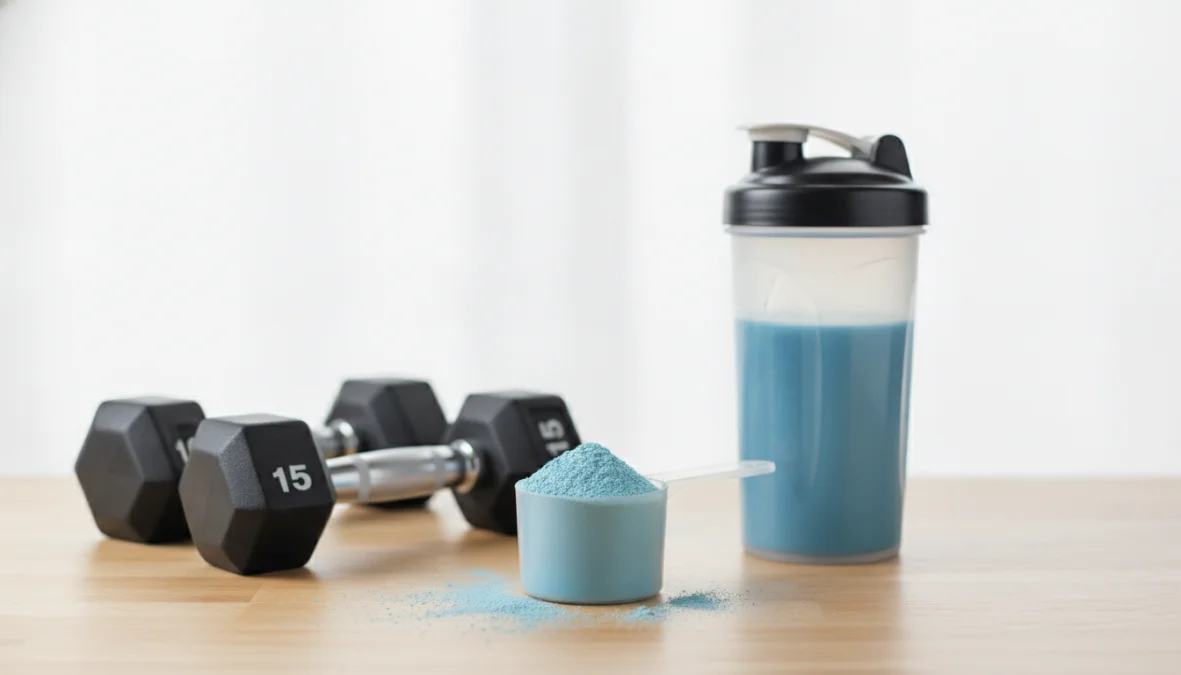
If you’ve been pushing your body to the limit in the gym or on the field, you’ve probably heard whispers about HMB for athletes in the supplement aisle. But unlike many hyped-up products that promise the world and deliver nothing, HMB actually has some solid science backing its claims. This leucine metabolite has been quietly helping athletes preserve hard-earned muscle, speed up recovery, and maintain strength during demanding training phases. Whether you’re cutting weight, training twice a day, or just trying to maximize your gains, understanding how HMB works could be the missing piece in your sports nutrition puzzle.
What is HMB and How Does It Work for Athletes?
Beta hydroxy beta methylbutyrate (HMB) is a metabolite your body naturally produces when it breaks down the amino acid leucine. Think of it as leucine’s smaller, more specialized cousin. When you consume protein—especially foods rich in leucine like chicken, beef, or dairy—your body converts a small percentage into HMB. But here’s the catch: you’d need to eat massive amounts of protein to get performance-enhancing levels naturally, which is why hmb supplementation has become popular among serious athletes.
HMB works through two primary mechanisms that make it valuable for hmb for athletes. First, it has powerful anticatabolic effects, meaning it slows down muscle protein breakdown during intense training or caloric deficits. Second, it stimulates muscle protein synthesis through the mTOR pathway, though to a lesser degree than leucine itself. This dual action makes HMB particularly useful during periods when your muscles are under siege—think two-a-day practices, contest prep, or recovery from injury.
You’ll encounter HMB in two forms: HMB-FA (free acid) and HMB-CA (calcium salt). HMB-FA is absorbed faster and reaches peak blood levels within 30 minutes, making it ideal for pre-workout timing. HMB-CA takes longer to absorb but stays in your system longer, which works well for sustained anti-catabolic protection throughout the day.

Science-Backed HMB Benefits for Athletic Performance
The research on hmb benefits has grown substantially over the past two decades, with studies examining everyone from elderly populations trying to preserve muscle to elite athletes pushing performance boundaries. Let’s break down what the science actually shows about hmb performance enhancement.
Muscle Preservation and Recovery
Perhaps the most compelling evidence for HMB centers on its ability to reduce exercise-induced muscle damage and accelerate hmb muscle recovery. When you train hard, you create microscopic tears in muscle fibers—this is normal and necessary for adaptation. However, excessive damage can impair subsequent workouts and slow progress. Multiple studies show that HMB supplementation significantly reduces markers of muscle damage (like creatine kinase and lactate dehydrogenase) following intense resistance or endurance training.
For endurance athletes wondering does hmb prevent muscle breakdown during training, the answer is encouraging. Research on cyclists and runners shows HMB helps maintain lean muscle mass during high-volume training periods when catabolism typically increases. This makes hmb supplement benefits for endurance athletes particularly relevant during peak training blocks or multi-day competitions.
The muscle breakdown prevention effect becomes even more valuable during cutting phases. If you’re asking about hmb for muscle preservation during cutting, studies demonstrate that athletes in caloric deficits who supplement with HMB lose significantly less muscle mass compared to those who don’t. This is gold for any athlete who needs to make weight or lean out while maintaining performance. For comprehensive strategies during cutting phases, check out our guide on carb cycling for athletes to optimize your nutrition approach.
Strength Gains and Body Composition
The effects of HMB on strength and body composition vary depending on training status. Untrained individuals and those new to serious strength training recovery protocols tend to see the most dramatic results. Studies show novice lifters can experience significant increases in strength and muscle mass when combining HMB with resistance training—sometimes adding 1-2 pounds more lean mass over 8-12 weeks compared to placebo groups.
For experienced athletes, the picture is more nuanced. Advanced lifters may see more modest gains, but HMB still provides value during periodization phases that emphasize volume or intensity. The supplement appears most beneficial when you’re pushing beyond your normal training stress—adding extra sets, increasing frequency, or combining multiple training modalities.
Body composition improvements extend beyond just muscle gain. Research indicates HMB may support fat loss while preserving muscle, creating the favorable recomposition effect that athletes chase. Combined with proper recovery nutrition and adequate sleep optimization, HMB can contribute to a leaner, stronger physique.
HMB Dosage, Timing, and Practical Recommendations
So how much hmb should athletes take daily? Research consistently points to 3 grams per day as the optimal hmb dosage for athletes. This amount has been used in the vast majority of successful studies and appears to maximize the supplement’s benefits without additional gains at higher doses. Most athletes split this into three 1-gram doses taken with meals, though the timing can be adjusted based on your form of HMB.
Regarding the best time to take hmb for muscle recovery, it depends on which form you’re using. If you’ve got HMB-FA, take 1-2 grams about 30-60 minutes before training to ensure peak blood levels during your workout. HMB-CA works better when spread throughout the day—morning, afternoon, and evening doses maintain consistent anti-catabolic protection. Many athletes find success taking one dose pre-workout and distributing the rest around meals.
As for how long does hmb take to work for athletes, you’ll need some patience. Unlike stimulants that work immediately, HMB’s benefits accumulate over time. Most research shows measurable effects starting around 2-4 weeks, with optimal results emerging after 4-8 weeks of consistent use. Plan to run HMB for at least a month to fairly assess its impact on your training.
When comparing hmb vs other supplements, HMB occupies a unique niche in the sports nutrition supplements hierarchy. It’s not a replacement for protein or creatine—those remain foundational. Instead, think of HMB as a specialized tool for specific scenarios: cutting phases, high-volume training blocks, or periods when recovery is compromised. It pairs well with creatine (which enhances strength and power) and can be more effective than BCAAs for muscle preservation, since it’s actually the active metabolite responsible for leucine’s anti-catabolic effects.
HMB supplementation is remarkably safe with virtually no reported side effects in research studies. Athletes have used it continuously for months without issues, making it suitable for long-term use during extended training cycles.
Frequently Asked Questions About HMB for Athletes
When should I take HMB?
For HMB-FA (free acid form), take it 30-60 minutes before workouts for maximum absorption during training. For HMB-CA (calcium salt), split your 3-gram daily dose across morning, pre-workout, and evening to maintain steady blood levels throughout the day.
Is HMB safe for long-term use?
Yes, research shows HMB is safe for extended periods. Studies lasting several months have found no adverse effects or safety concerns. Unlike some supplements that require cycling, HMB can be used continuously during training blocks that demand extra muscle protection.
Can HMB replace protein supplements?
Absolutely not. HMB is a leucine metabolite that helps preserve muscle, but it doesn’t provide the amino acids needed to build new tissue. You still need adequate protein intake—whether from whole foods like plant-based sources or supplements—to support muscle protein synthesis and recovery.
How long before I see results from HMB?
Most athletes notice improvements in recovery and reduced soreness within 2-3 weeks. Measurable changes in strength and body composition typically appear after 4-6 weeks of consistent use combined with proper training. Don’t expect overnight miracles—HMB is a marathon supplement, not a sprint.
Is HMB better than BCAAs for recovery?
For muscle preservation and anti-catabolic effects, HMB appears more effective than BCAAs. Since HMB is the active metabolite of leucine, it provides targeted benefits without needing conversion. However, BCAAs offer other advantages like energy during fasted training. Your choice depends on your specific goals and training context.
Whether you’re grinding through a cutting phase, ramping up training volume, or simply looking to optimize recovery alongside proper nutrition and mental preparation, HMB offers science-backed support for preserving your hard-earned muscle. It won’t replace consistent training, proper programming, or adequate protein intake, but as part of a comprehensive approach to athletic performance, HMB deserves consideration in your supplement strategy.