Cycling with Allergies: Essential Training Strategies for Hay Fever Sufferers
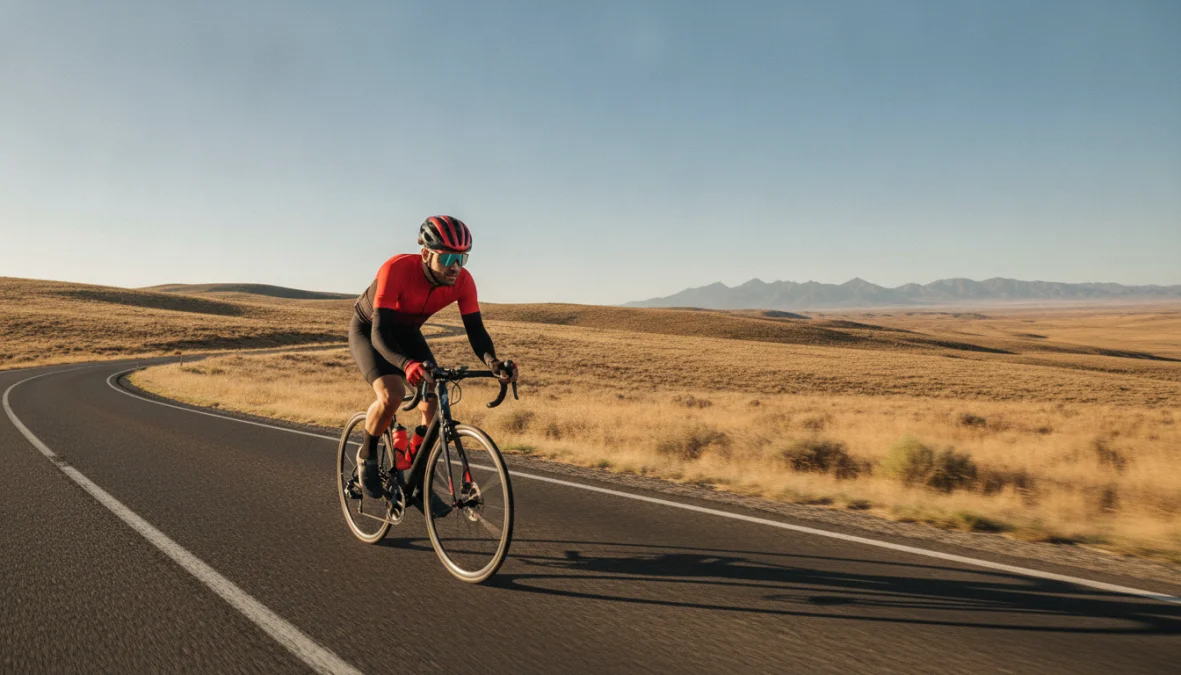
There’s nothing quite like the freedom of a long summer ride—until your eyes start streaming, your nose turns into a faucet, and every breath feels like you’re inhaling sandpaper. If you’re one of the millions dealing with cycling with allergies, you know this struggle all too well. But here’s the good news: hay fever doesn’t have to sideline your training or ruin your favorite routes. With the right strategies, you can keep pedaling through pollen season without sacrificing performance or comfort.
Understanding How Pollen and Cycling Impact Your Performance
When it comes to pollen and cycling, cyclists face a unique challenge compared to other athletes. While runners might cover 5-10 miles in an hour, cyclists often travel 15-20 miles or more, exposing themselves to a far wider variety of pollen sources across different terrain. Plus, the speed you’re traveling at creates a constant stream of air—and airborne allergens—directly into your face and respiratory system.
During exercise, your breathing rate increases dramatically. While resting, you might take 12-15 breaths per minute through your nose, which naturally filters some particles. But during moderate to intense hay fever cycling, you’re pulling in 40-60 breaths per minute, mostly through your mouth, bypassing your body’s natural filtration system entirely. This means you’re inhaling significantly more pollen, mold spores, and other allergens with every pedal stroke.
The effects of allergic rhinitis cycling go beyond just annoying symptoms. Research shows that unmanaged allergies can reduce VO2max by 10-15% and impair respiratory performance significantly. The inflammation in your nasal passages and airways restricts airflow, making it harder to achieve optimal oxygen exchange. Your body’s immune system response also triggers the release of histamines and other chemicals that cause fatigue, reduce concentration, and slow reaction times—none of which help when you’re navigating traffic or trying to maintain your power output.
Different pollens peak at different times: tree pollens dominate early spring, grass pollens take over late spring through early summer, and weed pollens surge in late summer and fall. Understanding when your specific triggers are highest helps you plan your training calendar more strategically, much like you would for building base fitness during spring.

Proven Training Strategies for Cycling with Allergies
Managing summer allergies training requires a multi-faceted approach that combines smart planning with practical protective measures. These cycling allergies tips will help you minimize exposure while maintaining your training consistency.
Timing Your Rides to Minimize Pollen Exposure
Knowing how to cycle with hay fever starts with understanding when pollen counts are at their worst—and planning around them. Pollen levels typically peak during early morning hours (roughly 5-10 AM) when plants release their pollen, and again in early evening as the air cools and pollen that rose during the day settles back down. The best time to cycle with allergies is generally mid-to-late afternoon, particularly between 12-4 PM when pollen has risen higher into the atmosphere and dispersed.
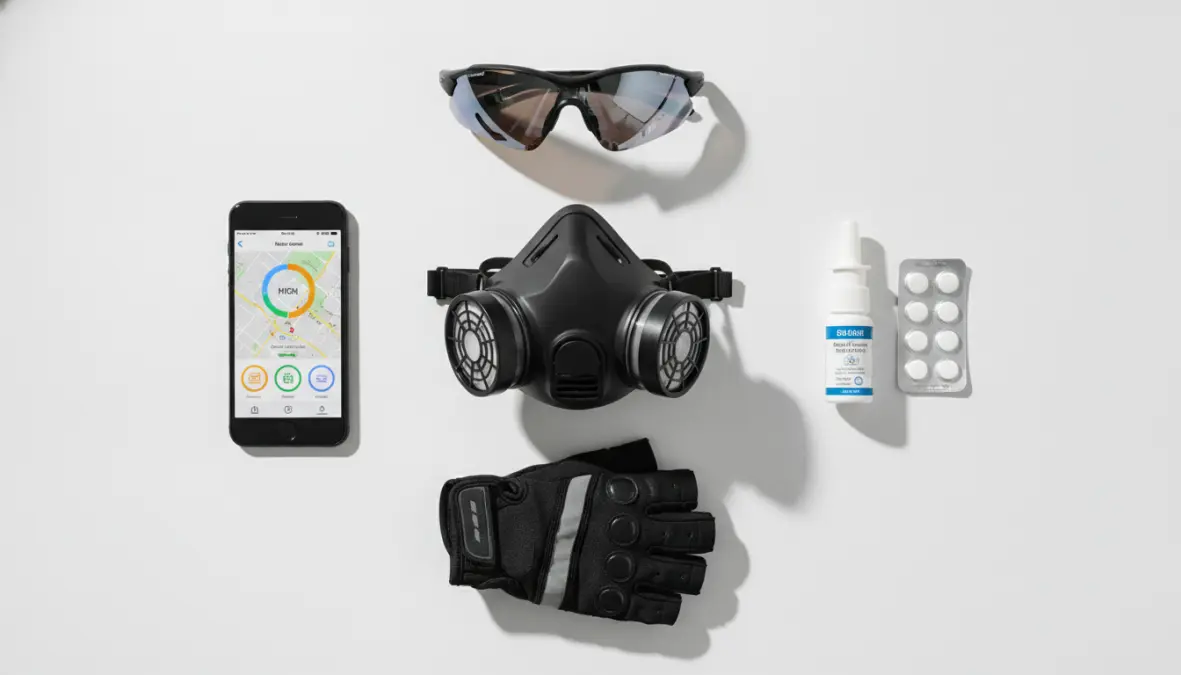
Rain is your friend when dealing with outdoor exercise allergies. A good shower literally washes pollen from the air, giving you a window of relief for several hours afterward. Check your local pollen count levels using apps like Pollen.com, Weather.com, or specialized allergy trackers before heading out. On days when counts are listed as “high” or “very high,” consider shifting your quality intervals to the indoor trainer and saving outdoor rides for easier recovery spins.
Strategic training block planning can also help. If you know grass pollen is your main trigger and peaks in late May through June in your area, front-load your high-intensity work in April and early May, then maintain fitness with shorter, more controlled efforts during peak allergy season. This approach aligns well with periodized training principles, similar to those used in power-based training.
Equipment and Protective Measures for Allergy-Free Cycling
Physical barriers make a surprisingly big difference in managing hay fever while cycling outdoors. Wraparound cycling glasses or sunglasses protect your eyes from direct pollen contact—and once you’ve tried riding with proper eye protection during allergy season, you’ll never go back. The difference is immediate and noticeable.
For nose and mouth protection, specialized air filtration masks designed for cyclists can filter out pollen particles while still allowing adequate airflow for exercise. Brands like Respro and Cambridge Mask offer sport-specific options. If a full mask feels too restrictive, a cycling buff or neck gaiter worn over your nose can provide partial filtration, especially when riding through particularly pollen-heavy areas like fields or wooded trails.
Route selection is another crucial element of cycling training strategies for allergy sufferers. During peak pollen season, choosing cycling routes for hay fever sufferers means avoiding rural roads lined with flowering trees, agricultural areas with crops, and heavily wooded paths. Instead, opt for urban routes with more pavement and less vegetation, or coastal roads where sea breezes disperse pollen. Check out strategies for hot weather riding if you’re planning summer routes with these considerations in mind.
Post-ride hygiene matters too: wash your face, hands, and hair immediately after returning home to remove pollen. Throw your cycling kit straight in the wash rather than leaving it in your room where pollen can continue affecting you. Some cyclists even apply petroleum jelly around their nostrils before rides to trap pollen particles before they’re inhaled—a simple trick that can provide surprising relief.
Medical Management and Performance Optimization for Hay Fever Cyclists
While environmental strategies help, proper medical management is essential for serious athletes dealing with cycling seasonal allergies. The good news is that modern allergy medications are far more compatible with athletic performance than older options.
Non-sedating antihistamines like cetirizine (Zyrtec), loratadine (Claritin), or fexofenadine (Allegra) are the go-to options for antihistamines for cyclists. Unlike older antihistamines (diphenhydramine/Benadryl), these don’t cause drowsiness or significantly impair coordination. The key to allergy medication timing is consistency: take them daily throughout allergy season, not just on symptomatic days. They work best when they build up in your system and prevent symptoms rather than treating them after they start.
Nasal corticosteroid sprays (fluticasone, mometasone) are particularly effective for exercise-induced rhinitis and allergic rhinitis cycling. They reduce inflammation directly at the source and don’t have systemic side effects. Start using them 1-2 weeks before your allergy season typically begins for best results. Avoid oral decongestants (pseudoephedrine) before rides—they can increase heart rate and blood pressure, affecting your respiratory performance and making it harder to gauge effort accurately.
For athletes who suffer severely, immunotherapy (allergy shots or sublingual tablets) can be game-changing. This long-term approach gradually desensitizes your immune system to specific allergens. While it takes several months to years to achieve full benefit, many competitive cyclists find it worth the investment. Always work with a sports medicine physician or allergist who understands your training demands.
Nutritional strategies can provide additional support. Anti-inflammatory foods like fatty fish, berries, leafy greens, and turmeric may help reduce overall inflammatory response. Stay extra hydrated during allergy season—aim for an additional 500ml per day beyond your normal intake—as proper hydration helps thin mucus and supports respiratory function. You might also consider the indoor vs outdoor cycling for allergies equation on particularly bad days, recognizing that quality intervals on the trainer can preserve fitness when cycling through high pollen count would compromise both your performance and your health.
On days when symptoms are significant, adjust your training intensity. Follow the principle of quality over quantity: a focused 45-minute session at controlled intensity will benefit you more than struggling through a 3-hour ride while feeling miserable. This adaptive approach to training load is similar to other aspects of smart training periodization, like adjusting cadence during different training phases.
FAQ
Can you cycle with hay fever?
Absolutely! Many professional and amateur cyclists train and race successfully despite seasonal allergies. The key is combining proper medication, strategic timing of rides, protective equipment, and route planning. With the right approach, hay fever becomes a manageable inconvenience rather than a training barrier. Listen to your body, though—if symptoms are severe on a particular day, there’s no shame in moving your workout indoors or adjusting intensity.
What is the best time of day to cycle with allergies?
Mid-to-late afternoon (12-4 PM) typically offers the lowest pollen exposure, as morning-released pollen has risen higher into the atmosphere. Early morning (5-10 AM) and early evening are usually worst for pollen counts. Immediately after rainfall is also excellent, as rain clears pollen from the air. Check local pollen forecasts daily to optimize your ride timing.
Do cycling masks help with pollen?
Yes, specialized sport masks with appropriate filtration can significantly reduce pollen inhalation. Look for masks designed specifically for athletic use that filter particles while allowing adequate airflow for exercise. Even a simple cycling buff or neck gaiter provides partial protection. The key is finding the balance between filtration and breathability that works for your intensity level.
Should I take antihistamines before cycling?
For best results, take non-sedating antihistamines daily throughout allergy season, not just before rides. They work by preventing histamine release and are most effective when maintained at consistent levels in your system. Taking them only before symptoms appear is less effective. Always use non-drowsy formulations designed for daytime use, and take them at the same time each day.
How do professional cyclists deal with seasonal allergies?
Professional cyclists use a combination of approaches: year-round immunotherapy in the off-season, daily preventive medications during pollen season, strategic training camp locations chosen partly for low pollen counts, indoor training on high-pollen days, and team doctors who monitor and adjust medication timing around races. Many pros also use custom-fitted nasal filters and prioritize post-ride hygiene protocols to minimize continued exposure.
Dealing with allergies while cycling requires patience, planning, and a willingness to adapt your approach based on daily conditions. But with these strategies in place, you don’t have to choose between your love of riding and your respiratory comfort. The road is still yours—pollen season and all. Consider exploring summer gear essentials that can further enhance your comfort during allergy season, and remember that managing allergies effectively is just another aspect of becoming a smarter, more adaptable cyclist.