Best Bike Lights for Night Riding: Complete Visibility and Safety Guide
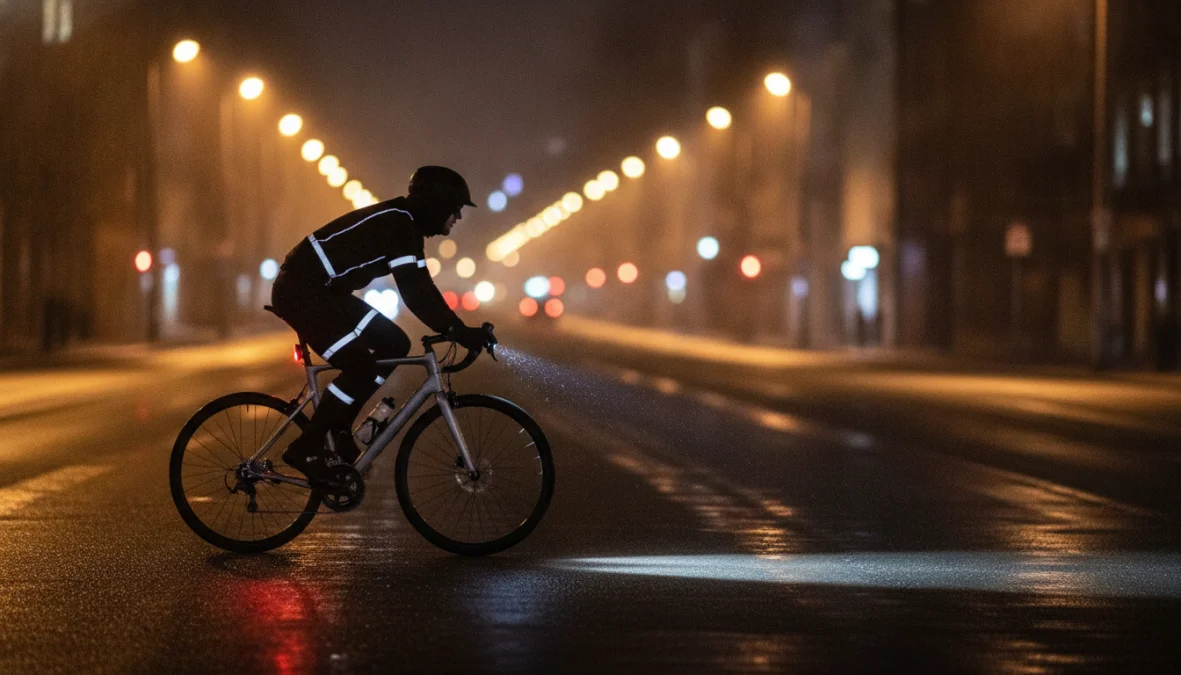
There’s something magical about cycling at night—the quiet streets, the cool air, the sense of freedom. But let’s be real: without proper lighting, that magic can quickly turn dangerous. Whether you’re commuting home after work or tackling dark country roads, having the best bike lights isn’t just about convenience—it’s about staying alive. Every year, thousands of cycling accidents happen because riders weren’t visible to drivers or couldn’t see hazards ahead. The good news? Modern cycling lights have evolved dramatically, offering incredible brightness, long battery life, and features that make night riding safer than ever.
Why Proper Bike Lighting Is Essential for Night Riding
Here’s a sobering fact: cyclists are significantly more likely to be involved in accidents during low-light conditions. Studies show that nearly 40% of cycling fatalities occur between sunset and sunrise, despite far fewer riders being on the road during these hours. The problem isn’t just about seeing where you’re going—it’s equally about being seen by drivers, pedestrians, and other cyclists.
Most regions have legal requirements for bike lights for night riding, typically mandating a white front light and red rear light. But meeting the bare minimum legal standard isn’t enough if you want real visibility and safety. There’s a crucial distinction between lights that help you see the road ahead (bicycle headlights with high lumens) and lights that make you visible to others (rear lights with attention-grabbing flash patterns). The best approach uses both types strategically.
Beyond legal compliance, proper cycling lights help you spot potholes, debris, and other hazards that could cause crashes. They also communicate your intentions to drivers—your position on the road, your speed, your presence. In urban environments with streetlights, you might get away with lower-powered lights, but venture onto unlit rural roads without serious illumination, and you’re gambling with your safety. If you’re interested in expanding your cycling adventures, check out our complete guide to bike packing essentials for multi-day trips that might involve night riding.
Understanding Bike Light Types and Key Features
Not all bike lights are created equal, and understanding the key differences will help you choose the right setup for your needs. The world of LED bike lights has revolutionized cycling safety, offering powerful illumination in compact, energy-efficient packages.
Front Bike Lights: Power and Beam Patterns
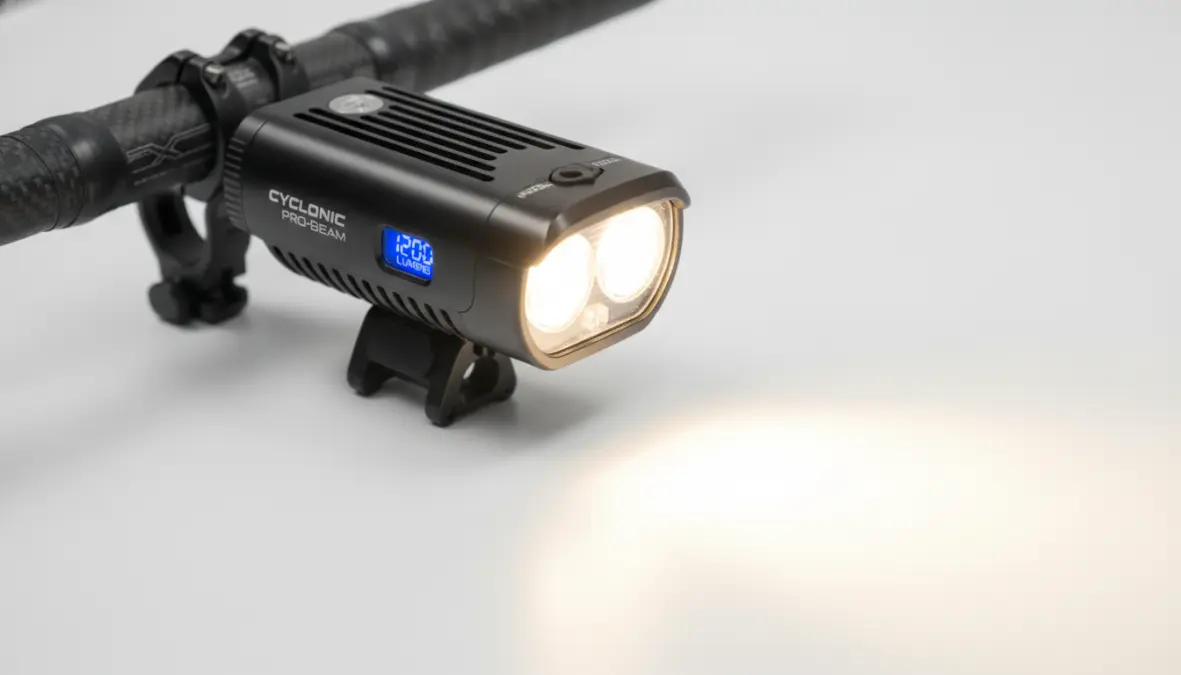
Front bike lights serve a dual purpose: illuminating your path and making you visible to oncoming traffic. The key metric here is lumens—the measurement of total light output. For urban commuting with street lighting, 200-400 lumens is generally sufficient. However, if you’re riding on dark country roads or trails, you’ll want at least 800-1,000 lumens, with serious off-road riders opting for 1,500+ lumens.
Equally important is beam pattern. Bicycle headlights typically come in two types: spot beams (focused, long-range) and flood beams (wide, shorter-range). The brightest bike lights often combine both patterns for optimal visibility. Some premium lights feature a cut-off beam design similar to car headlights, preventing you from blinding oncoming cyclists and drivers while maximizing road illumination.
Rear Bike Lights: Maximizing Your Visibility
Rear bike lights are all about being seen. While front lights need serious power, rear lights prioritize visibility angles and attention-grabbing patterns. Look for lights with at least 180-degree visibility so drivers approaching from angles can spot you. Flash modes are particularly effective at catching attention, though steady modes help drivers judge distance better. Many riders use daytime running lights even in daylight—studies show they significantly improve driver awareness of cyclists.
Modern rechargeable bike lights have largely replaced disposable battery models, offering better value and environmental benefits. USB-rechargeable options are especially convenient, letting you charge from power banks, computers, or wall adapters. Battery life varies dramatically based on brightness settings—a light might last 20 hours on flash mode but only 2 hours on maximum steady output.
| Lumens | Best Use | Typical Range |
|---|---|---|
| 50-200 | Being seen (urban) | Close visibility |
| 200-400 | Lit urban streets | 20-30 meters |
| 400-800 | Unlit roads | 40-60 meters |
| 800-1,500 | Rural/trail riding | 80-100 meters |
| 1,500+ | High-speed trails | 100+ meters |
Waterproofing is essential—look for IPX4 rating minimum, though IPX6 or higher is ideal for all-weather riding. Mounting systems should be tool-free and secure, allowing quick removal to prevent theft.
Top Bike Lights for Different Riding Needs
Choosing the best bike lights depends on your specific riding style and budget. Here’s a breakdown of top performers across different categories:
Best Budget Option: Cygolite Metro 400/Hotshot Combo – This set offers 400-lumen front and 50-lumen rear lights with USB rechargeable batteries. Perfect for urban commuters, it provides 2-20 hour runtime depending on mode, costs around $45, and delivers excellent value. Pros: Affordable, reliable, easy mounting. Cons: Not bright enough for unlit rural roads.
Best for Commuting: Lezyne Lite Drive 800XL/Strip Drive Pro – With 800 lumens up front and a highly visible rear strip light, this combination excels for daily bike commuting. Features include multiple beam patterns, 1.5-30 hour battery life, and IPX7 waterproofing. Around $80 for the set. Pros: Versatile modes, durable construction. Cons: Heavier than competitors.
Brightest Rechargeable: NiteRider Lumina 1200 Boost – One of the brightest rechargeable bike lights for night riding, delivering 1,200 lumens (1,500 in boost mode) for serious road illumination. Runtime: 1.5-24 hours, price approximately $90. Pros: Exceptional brightness, excellent beam pattern. Cons: Overkill for urban riding, shorter runtime on high settings.
Best Long Battery Life: Exposure Strada MK11 – Premium option offering 1,100 lumens with up to 36 hours runtime on lower settings. Optimized for road cycling with intelligent light modes. Around $150. Pros: Superior battery technology, smart features. Cons: High price point.
Best All-Weather: Bontrager Ion Pro RT/Flare RT Set – These waterproof bike lights for all weather feature radar integration, automatic brightness adjustment, and exceptional visibility. 1,300 lumens front, 90 lumens rear, approximately $200 for the set. Pros: Advanced technology, outstanding visibility. Cons: Requires Bontrager ecosystem for full features.
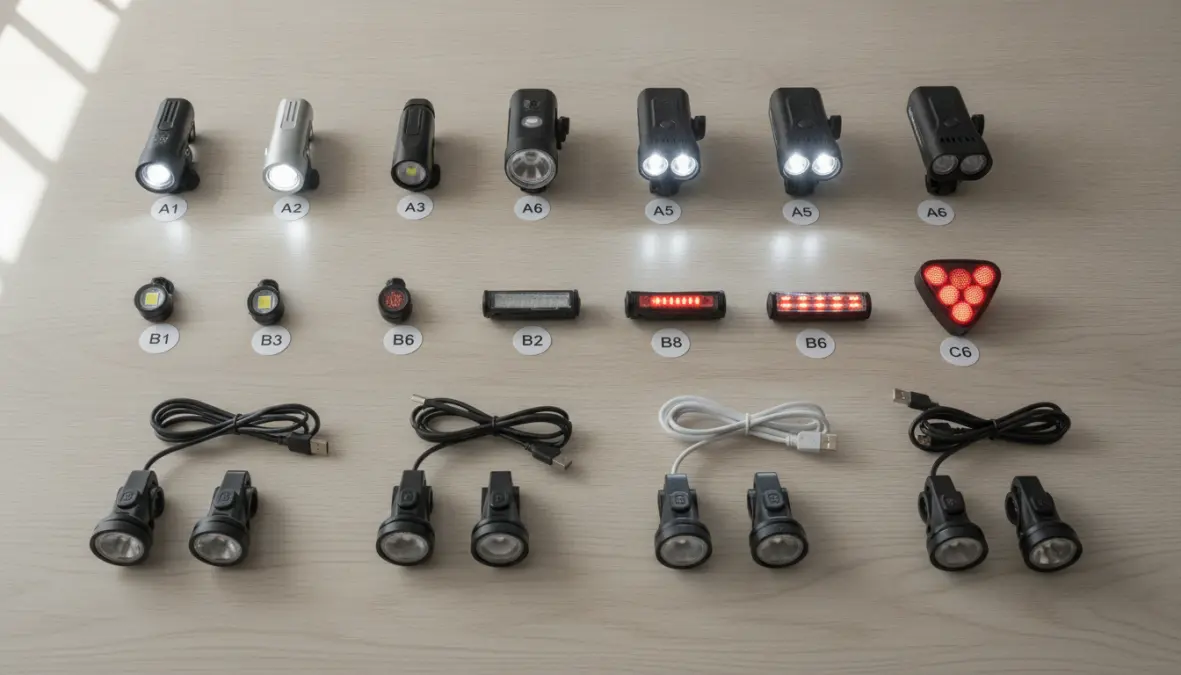
Best Value Set: CatEye Volt 400/Rapid Mini Set – Reliable Japanese engineering delivers 400 front lumens and compact rear light with excellent visibility. USB rechargeable, costs about $55. Pros: Proven reliability, good battery indicators. Cons: Basic feature set.
FAQ: Common Questions About Bike Lights
How many lumens do I need? For urban riding with streetlights, 200-400 lumens works well. Unlit roads require 600-1,000 lumens minimum, while off-road trails need 1,000+ lumens for safe navigation.
Are rechargeable bike lights better than battery-powered? Yes, rechargeable bike lights offer better long-term value, consistent brightness, and environmental benefits. Modern lithium batteries maintain performance much better than disposable alkaline batteries.
Can I use a bike light in the rain? Most quality lights are water-resistant (IPX4 or higher). For heavy rain, choose IPX6 or IPX7 rated lights that can handle submersion.
Where should I mount my bike lights? Front lights mount on handlebars or helmet. Rear lights go on seat posts or seat stays. Multiple light positions increase visibility—consider adding helmet lights or spoke lights for maximum safety.
How long do bike lights last? Battery runtime ranges from 1.5 hours (maximum brightness) to 40+ hours (flash modes). The lights themselves typically last several years with proper care. Just like maintaining proper bike positioning, regular equipment maintenance matters.
What’s the legal requirement for bike lights? Most jurisdictions require white front and red rear lights when riding between sunset and sunrise. Some areas specify minimum visibility distances (typically 500 feet). Always check local regulations.
Investing in quality bike lights transforms night riding from risky to enjoyable. Whether you’re commuting through city streets or exploring quiet country roads, proper illumination keeps you safe, visible, and confident. Don’t compromise on visibility—your life literally depends on it. Start with a solid front and rear light combination, test different modes to find what works for your routes, and remember: the best bike lights are the ones you actually use every single ride.