Cycling Base Layer Guide: How to Choose the Right Fabric and Fit for Every Season
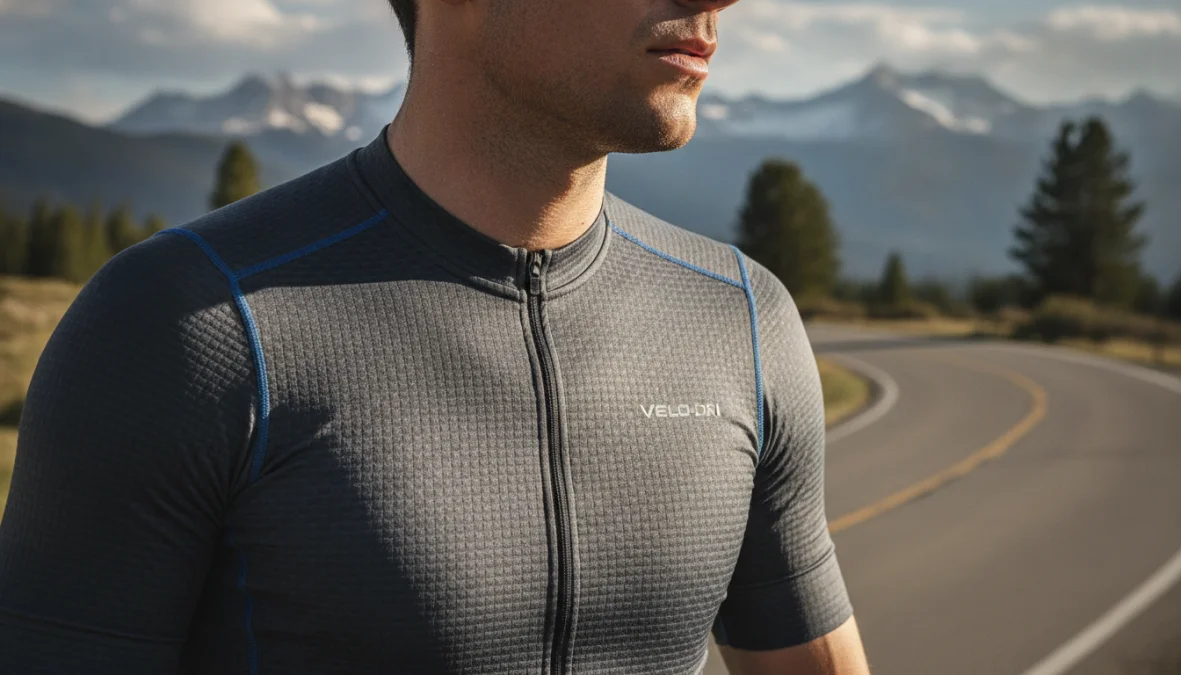
Ever felt like an ice cube halfway through a winter ride, or a walking sauna in summer heat? Chances are, you’re overlooking cycling’s unsung hero: the base layer. This thin piece of technical fabric sits closest to your skin, quietly working to regulate temperature, manage moisture, and keep you comfortable regardless of what the weather throws at you. In this cycling base layer guide, we’ll break down everything you need to know about choosing the right fabric and fit for every season, so you can ride comfortably year-round.
Understanding Base Layer Fabric Technology
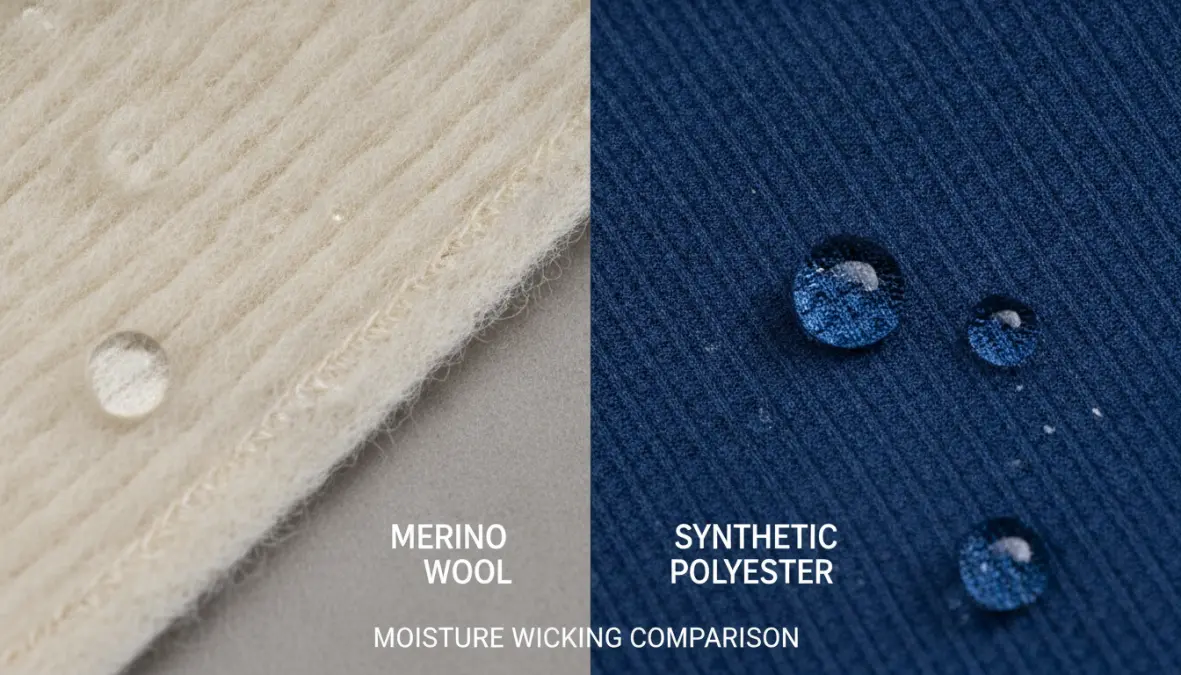
The magic of a good cycling base layer lies in its base layer fabric technology. Unlike regular cotton t-shirts that absorb sweat and cling to your skin, technical fabrics actively wick moisture away from your body to the outer surface where it can evaporate. This moisture wicking fabric capability is essential for thermal regulation – keeping you warm when it’s cold and cool when it’s hot.
The two main camps in base layer materials are natural fibers like merino wool cycling layers and synthetic base layer options made from polyester or polypropylene. Each has distinct advantages. Merino wool naturally resists odor (you can wear it multiple days without smelling like a locker room), provides excellent temperature regulation, and feels soft against skin. Synthetics typically offer superior wicking performance, dry faster, and cost less, but they can develop odors more quickly.
| Fabric Type | Pros | Cons |
|---|---|---|
| Merino Wool | Natural odor resistance, excellent thermal regulation, comfortable in wide temperature range | Slower drying, more expensive, requires careful washing |
| Polyester | Fast drying, durable, affordable, excellent moisture wicking | Retains odors, less temperature versatility |
| Polypropylene | Lightest weight, hydrophobic (repels water), very quick drying | Can feel plasticky, poor odor resistance |
| Blend Fabrics | Combines benefits of natural and synthetic, balanced performance | Variable quality depending on blend ratio |
Key properties to look for include moisture management capabilities, quick drying materials, breathability, and how the fabric performs across your typical riding temperatures. The best base layer won’t just move sweat – it’ll do so efficiently enough that you barely notice you’re sweating at all.
Seasonal Base Layer Selection Guide
The right seasonal cycling layers can transform your riding experience. What works perfectly in January will leave you overheating in July, so understanding when and what to wear is crucial for year-round comfort.
Summer and Hot Weather Base Layers
Here’s a question many riders ask: do I need a base layer for cycling in summer? The answer is yes – but it needs to be the right one. A breathable cycling base layer summer option should be extremely lightweight (typically 100-150 grams per square meter), often featuring mesh construction panels for maximum airflow.
For hot weather, synthetic fabrics usually outperform merino because of their superior moisture-wicking speed. Look for sleeveless or short-sleeve options in white or light colors to reflect heat. The base layer should feel almost weightless and dry within minutes of sweating. Some riders skip base layers entirely above 30°C (86°F), but a proper summer cycling base layer can actually help by creating a wicking layer between skin and jersey, preventing that uncomfortable wet-fabric-clinging sensation.
Consider pairing your summer riding with proper nutrition – check out our complete cycling nutrition guide to fuel those hot-weather efforts effectively.
Winter and Cold Weather Base Layers
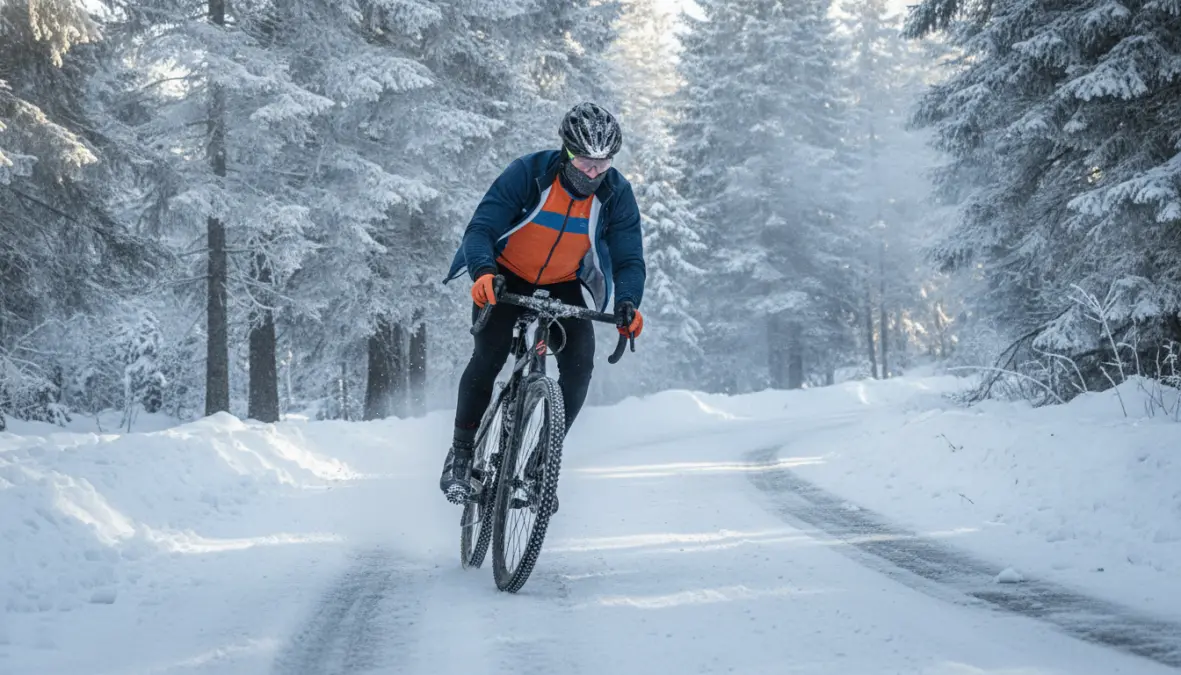
The best base layer for winter cycling needs to balance insulation with breathability. This is where merino wool truly shines. A medium to heavyweight base layer (200-260 grams per square meter) provides warmth while still managing moisture from hard efforts. For base layer for cold weather cycling, look for long sleeves with extended cuffs, high necks or zip collars, and longer torso length to prevent gaps.
In freezing conditions, moisture management becomes critical – wet skin loses heat 25 times faster than dry skin. Your winter cycling base layer must move sweat away immediately, even during intense climbs. Merino blends (typically 50-70% merino with synthetic fibers) offer the best of both worlds: natural warmth and odor control with enhanced durability and faster drying.
A proper layering system includes your base layer, an insulating mid-layer, and a windproof/waterproof shell. The base layer is your foundation – get this wrong, and no amount of outer layers will keep you comfortable. For riders transitioning from indoor trainer sessions, our guide on moving from indoor to outdoor cycling offers valuable tips on adapting to variable weather.
How to Choose Your Perfect Cycling Base Layer
So, how to choose cycling base layer that’s right for you? Start with fit. Your base layer should be snug but not restrictive – think second skin, not compression garment. A tight fit maximizes skin contact for optimal wicking performance, but you should still move freely without fabric bunching or pulling.
Consider sleeve length based on your typical riding conditions. Long sleeves work year-round (you can always push them up), short sleeves suit warmer climates, and sleeveless options maximize cooling for intense summer efforts or indoor training. Look for flatlock or seamless construction to prevent chafing during long rides – something especially important if you’re training for endurance events like those covered in our century ride preparation guide.
Here’s a practical cycling base layer temperature guide:
- Above 20°C (68°F): Lightweight synthetic or very light merino (100-150g)
- 10-20°C (50-68°F): Lightweight to midweight options (150-200g)
- 0-10°C (32-50°F): Midweight merino or merino blend (200-230g)
- Below 0°C (32°F): Heavyweight base layer (230-260g+) plus additional insulating layers
Also factor in ride intensity and duration. High-intensity interval sessions generate more heat than steady endurance rides, so you might need lighter layers even in cool weather. For multi-day adventures, check out our bike packing essentials guide for layering strategies on extended trips.
Budget matters too, but view base layers as an investment. One quality merino base layer might cost three times more than a basic synthetic, but it’ll last years and perform across a wider temperature range with better odor resistance.
FAQ
What’s the difference between a cycling base layer and regular underwear?
Cycling base layers use technical fabrics specifically designed for moisture management and temperature regulation. Regular cotton underwear absorbs sweat and stays wet, which can lead to chafing and temperature regulation problems. Base layers actively wick moisture away from your skin.
How many base layers do I need?
Most riders do well with 2-3 base layers: one lightweight for summer, one midweight for spring/autumn, and one heavyweight for winter. This rotation allows you to wash one while using another, and covers most weather conditions you’ll encounter.
How should I wash and maintain my base layers?
Synthetic base layers are generally wash-and-wear hardy – use cool water and avoid fabric softener. Merino wool requires more care: hand wash or use a wool cycle with specialized wool detergent, never use hot water or tumble dry on high heat. Air drying preserves the fabric’s properties best.
Should my base layer be tight-fitting?
Yes, base layers should fit snugly against your skin for optimal moisture wicking. However, they shouldn’t restrict movement or feel uncomfortable. The fabric should lie flat without gaps but not compress your body.
When should I replace my base layer?
Replace base layers when they lose elasticity, develop holes, or when the fabric no longer wicks moisture effectively (you’ll notice it staying damp). Quality merino can last 3-5 years with proper care, while synthetics typically last 2-3 years of regular use.
Getting your base layer right transforms everything that goes on top of it. Whether you’re building fitness during spring training or tackling winter miles, the right foundation makes all the difference. Invest in quality fabrics, choose the appropriate weight for your conditions, and pay attention to fit – your body will thank you on every ride.