Beet Juice for Endurance Performance: How Nitrate Loading Boosts Athletic Results
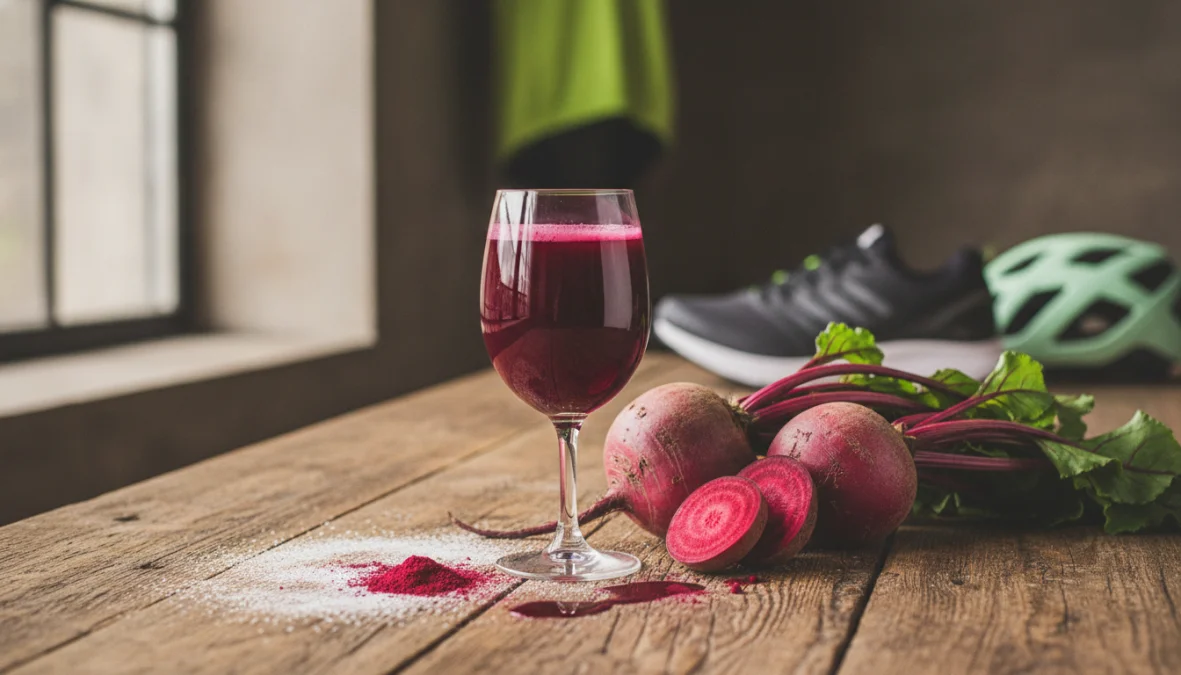
Ever wondered why your legs feel like lead halfway through a long run, while your training partner seems to glide effortlessly? The answer might not be in your training plan—it could be in your glass. Beet juice endurance benefits have exploded in popularity among serious athletes, and for good reason: this deep purple liquid contains dietary nitrates that can genuinely enhance your performance. We’re talking measurable improvements in oxygen efficiency, blood flow optimization, and that all-important metric—time to exhaustion. Whether you’re chasing a PR in your next marathon or simply want to feel stronger on your weekend rides, understanding how nitrate loading works could be your secret weapon.
How Beet Juice Enhances Endurance Performance
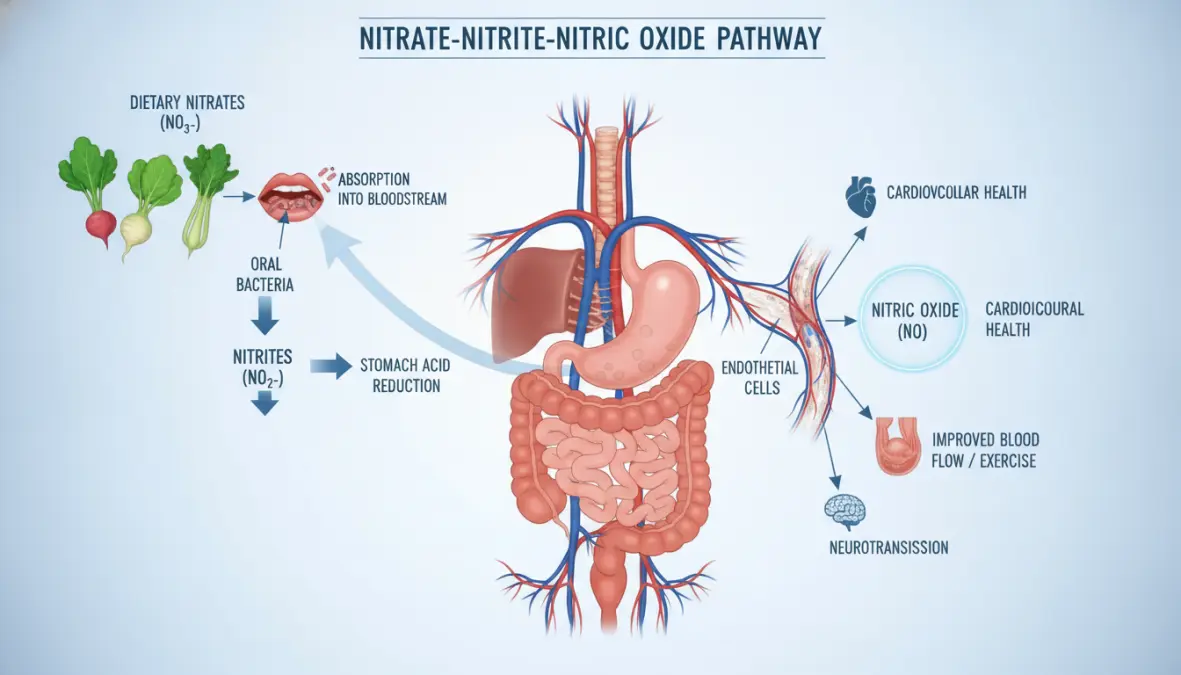
The magic behind beetroot juice athletic performance enhancement lies in a fascinating biochemical pathway: dietary nitrates convert to nitrites, then to nitric oxide endurance-boosting molecules that fundamentally change how your body uses oxygen during exercise. When you consume nitrate-rich beetroot, your body doesn’t just passively absorb it—it orchestrates a complex conversion that improves mitochondrial efficiency and reduces the oxygen cost of exercise at submaximal intensities.
Here’s what that means practically: your muscles can produce the same power output while consuming less oxygen, effectively making you more economical. Studies consistently show improvements in time to exhaustion ranging from 1-3% in well-trained athletes, with even greater benefits (up to 15-25%) in recreational exercisers. This improvement might sound modest, but in competitive endurance sports where races are decided by seconds, a 2% boost can mean the difference between the podium and the pack. Enhanced ATP utilization, delayed fatigue onset, and improved calcium handling in muscle fibers all contribute to these beet juice benefits athletes experience.
The effects extend beyond just lasting longer—beetroot supplementation can improve cardiovascular benefits like reduced blood pressure during exercise and enhanced recovery between high-intensity intervals. Understanding your VO2 max becomes even more valuable when you’re strategically using ergogenic aids like beetroot to push those numbers higher.
The Nitrate to Nitric Oxide Pathway
The conversion process begins the moment beetroot juice hits your mouth. Beneficial bacteria living on your tongue and in your saliva convert dietary nitrates into nitrites—this is why antibacterial mouthwash can completely sabotage your supplementation efforts. These nitrites then enter your bloodstream and are further converted into nitric oxide (NO), particularly in low-oxygen environments like working muscles.
Why does nitric oxide matter so much? It’s the body’s master regulator of vasodilation—the widening of blood vessels that allows more oxygen-rich blood to reach your muscles precisely when they need it most. This improved blood flow optimization doesn’t just deliver more oxygen; it also removes metabolic waste products like lactate more efficiently. Additionally, NO improves the contractile efficiency of muscle fibers themselves, meaning each contraction requires slightly less energy. This triple benefit—better delivery, better waste removal, better efficiency—explains why such a simple intervention can yield measurable performance gains.
Performance Benefits Across Different Endurance Sports
Research on beet juice cycling performance has been particularly robust. Time trial performance improvements of 2-3% are commonly reported, with studies showing increased power output at lactate threshold. Cyclists benefit from enhanced oxygen efficiency during sustained efforts, making those brutal threshold intervals slightly more manageable and competitive time trials notably faster.
For runners, the benefits manifest as improved running economy—essentially, you use less energy to maintain the same pace. Beetroot supplement running studies demonstrate particularly strong effects at 5K to half-marathon distances, where you’re working near threshold for extended periods. One influential study showed 5K time improvements averaging 41 seconds in trained runners after a week-long nitrate loading protocol.
Triathletes and swimmers also see benefits, though aquatic performance research is less extensive. The cardiovascular benefits and improved oxygen efficiency translate well to swimming’s unique demands, while triathletes appreciate the recovery benefits between disciplines. When combined with proper hydration strategies, beetroot can be part of a comprehensive race-day nutrition plan.
Nitrate Loading Protocols for Athletes
Implementing nitrate loading endurance protocols effectively requires understanding both dosage and timing. The target dose is 300-600mg of nitrates, which typically equals about 500ml of concentrated beetroot juice or 2-3 beetroot shots (70ml each). Different beetroot products contain varying nitrate concentrations, so always check labels—concentrated shots typically contain 400mg per serving, while diluted juices may have considerably less.
Timing matters enormously. For acute supplementation, consuming your beetroot 2-3 hours before exercise performance maximizes blood nitrite levels right when you need them. This protocol works well for races or important training sessions. For chronic loading, consuming beetroot daily for 5-7 days before an event provides cumulative benefits with potentially greater magnitude. Many athletes combine both approaches: loading for a week beforehand, then taking an additional dose 2-3 hours pre-race.
The question of beet juice vs beetroot powder endurance benefits comes down to convenience and nitrate content. Fresh juice tastes better to some but requires refrigeration and has a shorter shelf life. Concentrated shots are portable and shelf-stable. Powders mix easily into smoothies but may have lower bioavailability. All can work—choose based on your logistics and tolerance.
Here’s a practical protocol breakdown:
- Acute Protocol: 500ml beetroot juice or 2 concentrated shots, consumed 2-3 hours before competition
- Chronic Protocol: 250-500ml daily for 5-7 days before important events, plus an acute dose on race day
- Training Integration: Use beetroot before key quality sessions to enhance adaptation, similar to how you might use caffeine strategically
Acute vs Chronic Supplementation Strategies
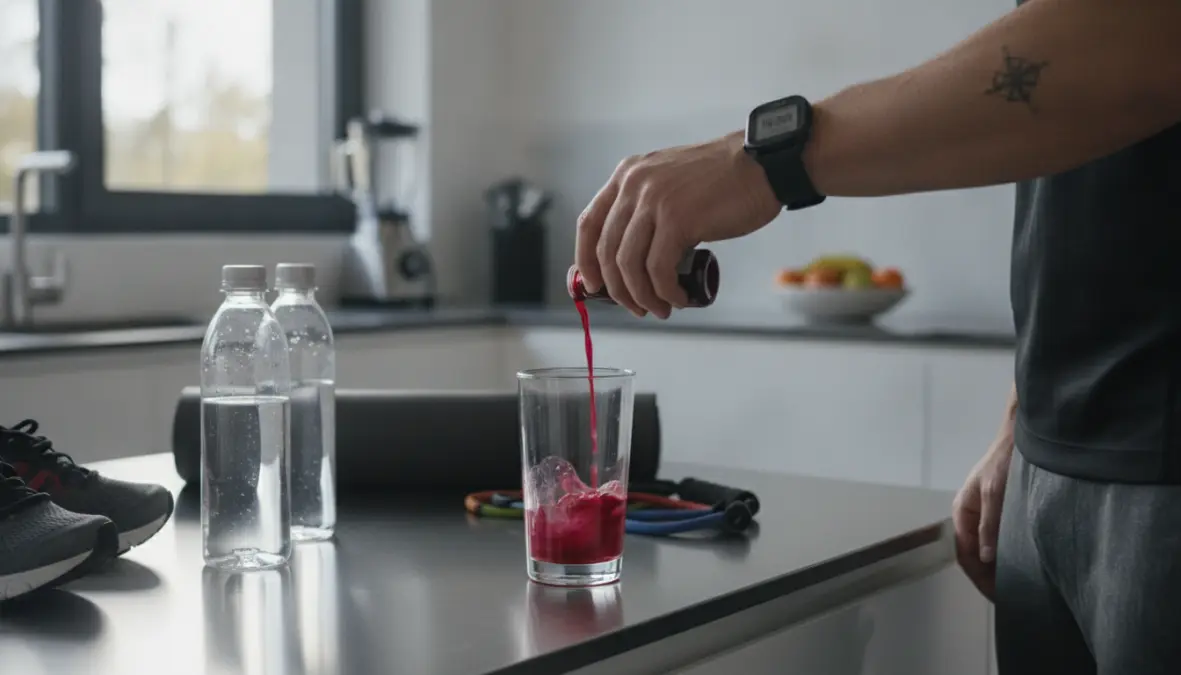
Single-dose acute supplementation offers simplicity and lower cost—perfect for testing your individual response or for occasional races. Peak nitrite concentrations occur 2-3 hours post-consumption and remain elevated for 6-12 hours. This works well for events lasting under three hours and requires minimal planning.
Chronic supplementation builds tissue nitrate stores and may enhance the enzymatic pathways involved in nitrate-to-nitrite conversion. The performance benefits tend to be slightly larger with chronic loading, and the effects on resting blood pressure and vascular function become more pronounced. The downside? Higher cost, potential GI adaptation needed, and the discipline of consistent daily dosing. Elite athletes preparing for championship events often choose chronic protocols, while age-groupers might reserve beetroot for their most important races using acute dosing.
Maximizing Results and Avoiding Common Mistakes
The most common mistake athletes make with beet juice endurance supplementation is using antibacterial mouthwash, which kills the oral bacteria essential for converting nitrates to nitrites. Avoid mouthwash for at least 12 hours before and after beetroot consumption. Similarly, antacids can interfere with nitrite-to-NO conversion in the acidic stomach environment, so timing matters if you’re prone to GI issues.
Individual variability is substantial—research suggests 20-30% of elite athletes are “non-responders” who show minimal performance improvement. This might relate to already-optimized endurance adaptations, genetic factors affecting nitrate metabolism, or differences in oral microbiome composition. The only way to know if beetroot works for you is systematic testing: try it in training before relying on it for competition, ideally measuring performance markers like heart rate at specific power outputs.
Potential side effects are generally mild but worth knowing. Beeturia (red-colored urine) affects about 10-14% of people and is harmless. GI distress is more concerning—some athletes experience bloating or urgent bathroom needs. Starting with smaller doses and gradually increasing, or switching to concentrated shots rather than large volumes of juice, often resolves these issues. Timing your dose relative to meals matters too; some athletes tolerate beetroot better on an empty stomach, others need food to buffer it.
Consider beetroot as part of a comprehensive performance nutrition strategy, alongside proper training periodization and recovery protocols. It’s an ergogenic aid, not a replacement for consistent training, adequate sleep, and solid base fitness.
Frequently Asked Questions
How much beet juice for endurance should I drink before a race?
The optimal beetroot juice dosage for athletes is 500ml of standard beetroot juice or 2 concentrated shots (70ml each), providing approximately 400-600mg of nitrates. Consume this 2-3 hours before your event for peak blood nitrite levels during competition.
Does beet juice improve running performance in already trained athletes?
Yes, though the magnitude is smaller than in recreational athletes. Well-trained runners typically see 1-3% improvements in time to exhaustion and running economy, while less-trained individuals may experience 5-15% gains. The benefits are real but more modest at higher fitness levels, making them most valuable in competitive situations where small margins matter.
How long before workout drink beet juice for best results?
The best time to drink beet juice before exercise is 2-3 hours prior to your session. Blood nitrite concentrations peak around this timeframe and remain elevated for 6-12 hours, covering most training sessions or races. Some athletes prefer 2.5 hours to allow for any potential GI settling.
Is fresh beet juice better than beetroot powder for endurance?
Both can be effective if they deliver adequate nitrate doses. Fresh juice and concentrated shots generally have higher and more consistent nitrate content (check labels for specific amounts). Powders offer convenience and shelf stability but may have slightly lower bioavailability. Choose based on your tolerance, budget, and logistics—consistency matters more than format.
Are there alternatives to beetroot for dietary nitrates in sports nutrition?
Yes, other dietary nitrates sports sources include arugula (rocket), spinach, celery, and lettuce—all contain substantial nitrates. However, achieving performance-enhancing doses (400-600mg nitrates) requires consuming large quantities of these vegetables, making concentrated beetroot products more practical for athletes. A large arugula salad might provide 200-300mg, requiring multiple servings daily to match beetroot supplementation levels.
Whether you’re looking to shave seconds off your personal best or simply want to feel stronger during long training rides, beetroot’s nitrate content offers legitimate, research-backed benefits. Like any nutritional intervention, it works best when integrated thoughtfully into your overall training and nutrition plan. Test it during training, find your optimal protocol, and don’t be surprised when that finish line starts feeling a little closer than before.