Hydration Pack vs Bottles Cycling: Which System Works Best for Long Rides?
You’re 60 kilometers into a century ride, the sun’s beating down, and you reach for your water bottle only to realize it’s nearly empty—and the next town is still 20km away. Sound familiar? The hydration pack vs bottles cycling debate isn’t just about personal preference; it’s about choosing the right system that keeps you properly hydrated without compromising your riding experience. Whether you’re tackling epic mountain bike trails or crushing road miles, understanding your cycling hydration solutions can make the difference between a great ride and a suffering fest.
Understanding Your Cycling Hydration Options
When it comes to cycling water storage options, cyclists essentially have two main approaches: the traditional bike water bottle cage setup with standard bottles, or the more modern hydration bladder cycling systems integrated into backpacks. Let’s break down what makes each tick.
Traditional water bottles mounted in frame cages have been around since cycling’s early days. They typically hold between 500ml to 1 liter each, and most road bikes accommodate two bottles (one on the downtube, one on the seat tube). They’re simple, accessible, and universally understood. Grab, drink, return—no learning curve required.
Hydration packs, on the other hand, emerged from the mountain biking and outdoor adventure scene in the 1990s. These bike hydration system comparison newcomers feature a bladder (reservoir) that sits in a backpack, with a drinking tube that routes over your shoulder for hands-free hydration. Capacities range from 1.5 to 3 liters, and many include storage compartments for tools, snacks, and layers—making them particularly popular for bike touring and long-distance adventures.
Both systems remain popular because they each excel in different scenarios. The question isn’t which is objectively better, but which works best for your riding style, distance, and conditions.
Hydration Pack vs Bottles: Complete Comparison for Long Rides
Let’s dig into the nitty-gritty of hydration pack vs bottles cycling across the factors that actually matter when you’re out on the road or trail. Understanding these differences will help you determine the best hydration for long rides based on your specific needs.
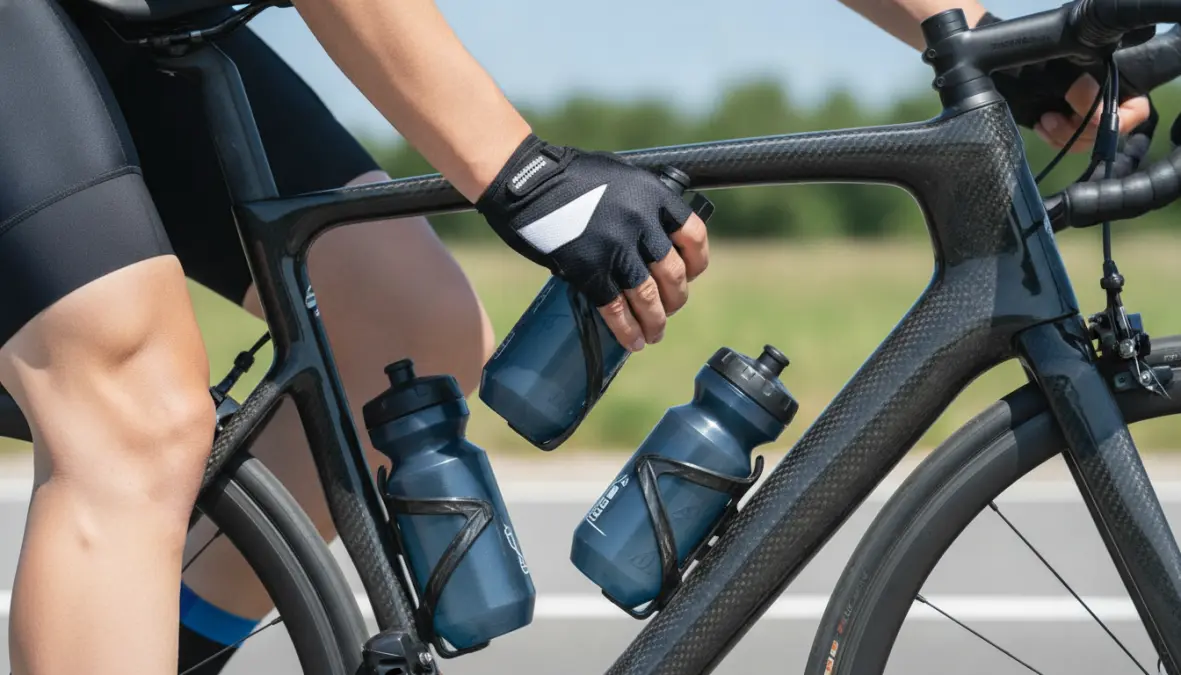
Water Capacity and Autonomy: Hydration packs win on sheer volume. A 3-liter bladder provides significantly more autonomy than two 750ml bottles combined. For rides exceeding 100km in hot weather where fluid intake cycling demands are high, this capacity advantage can eliminate the stress of finding refill points. However, bottles are easier to refill on-the-go at cafes, gas stations, or public fountains.
Access During Riding: Hydration packs offer true hands-free drinking—just bite the valve and sip while maintaining your grip and cadence. This is invaluable during technical mountain biking or when you’re in the drops pushing hard. Bottles require one hand to grab, drink, and replace, which disrupts rhythm but only takes seconds on smooth roads.
Weight Distribution: Bottles keep weight low on the frame, maintaining your bike’s handling characteristics. Hydration packs place 2-3kg on your back, raising your center of gravity and potentially affecting bike handling, especially on technical descents. However, for bike touring hydration where you’re already carrying gear, integrating water into your pack makes sense.
Aerodynamics: For road cycling hydration, bottles—especially aerodynamic water bottles—are clearly superior. Modern aero bottles integrate seamlessly with frame designs, while a backpack creates drag. If you’re racing or chasing Strava segments, bottles are non-negotiable.
Temperature Control: Bottles warm up quickly in summer but can be easily refilled with ice-cold water at stops. Hydration pack bladders, insulated by the pack and your back, actually stay cooler longer—but that same insulation means you’re wearing a heat-trapping layer. In hot weather, this back sweat is a legitimate complaint.
Maintenance: Bottles are dishwasher-friendly and dry quickly. Bladders require thorough cleaning, complete drying (to prevent mold), and occasional deep cleaning with specialized tablets. The convenience gap here is significant for everyday riders. For tips on managing nutrition and hydration together, check out our complete cycling nutrition guide.
Cost: Basic bottle cages and bottles run $20-40 total. A quality hydration pack starts around $60-100. Neither requires frequent replacement if properly maintained, but bladders do degrade faster than bottles.
Versatility: Hydration packs double as cargo carriers for tools, tubes, food, extra layers, and even a lightweight jacket. Bottles are single-purpose. For multi-day adventures, this storage capacity is transformative—as detailed in our bike packing essentials guide.
When Hydration Packs Win
So when are hydration packs better than bottles for cycling? Several scenarios make them the clear winner:
Ultra-endurance and bikepacking: When you’re tackling 150km+ rides through remote areas with limited refill options, that 3-liter capacity becomes essential. Combining hydration with gear storage eliminates the need for additional bags.
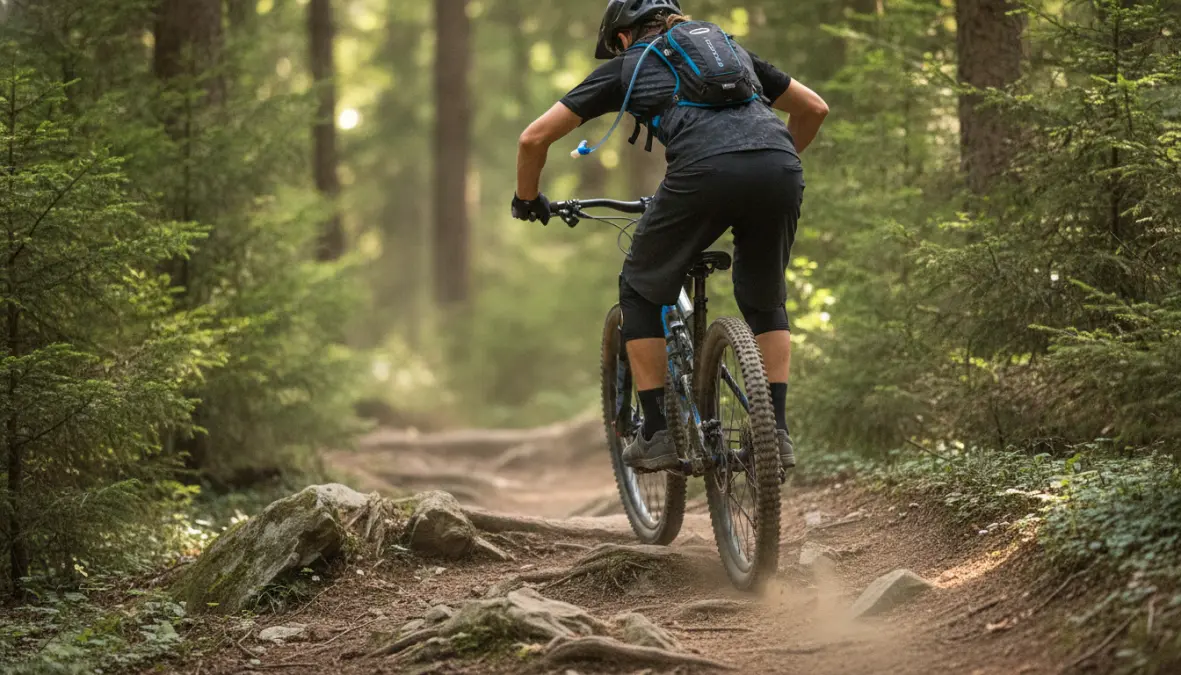
Mountain biking: Technical terrain demands both hands on the bars. The hands-free hydration of a pack means you can drink while navigating rock gardens, drops, or steep climbs without compromising control or safety.
Extreme heat: In desert conditions or summer centuries where you need 4+ liters, a hydration pack plus one bottle provides more capacity than bottles alone. The ability to add electrolyte replacement mixes to the bladder is convenient too.
Unsupported events: Races or rides without aid stations require self-sufficiency. A pack carrying water, nutrition, tools, and first aid transforms you into a mobile support vehicle.
When Bottles Are the Better Choice
Conversely, traditional bottles excel in these situations:
Road cycling and racing: Do professional cyclists use hydration packs? Rarely in road racing. The aero penalty, weight distribution issues, and heat buildup make bottles the obvious choice for competitive road cycling.
Shorter rides (under 3 hours): Two bottles provide 1.5 liters—adequate for most riders on moderate-length outings. The simplicity and lack of pack weight enhance comfort.
Hot weather preference: Many riders simply can’t tolerate the back sweat from wearing a pack in summer. Bottles eliminate this discomfort entirely. Check our summer cycling gear guide for more heat management strategies.
Easy refilling: Urban and suburban routes with cafes, convenience stores, or water fountains make bottles practical. Pop in, refill in 30 seconds, and you’re back riding.
Maintenance simplicity: For daily riders, the quick-clean convenience of bottles beats the commitment required for bladder care.
Choosing the Right Hydration System for Your Riding Style
Selecting the best hydration for long rides comes down to honest assessment of your typical riding conditions and personal preferences. Here’s a practical framework:
Road cyclists and racers: Stick with bottles. Invest in quality aerodynamic water bottles and cages. Two bottles handle most rides; for century rides, plan strategic refill stops or use feed zones.
Mountain bikers and trail riders: A hydration pack’s hands-free access and storage capacity align perfectly with off-road demands. Look for packs with good ventilation channels to minimize back sweat.
Gravel and adventure riders: Consider the hybrid approach—bottles for daily rides, pack for longer unsupported adventures. This flexibility covers both scenarios without forcing compromises.
Bike tourists and bikepackers: Hydration packs integrate seamlessly with your existing gear system, though some tourers prefer bottles plus separate panniers to keep weight off their backs.
Climate considerations: Hot, humid regions might favor bottles to avoid pack-induced sweating. Arid climates with sparse services favor packs for capacity. How much water do you need for long bike rides? A general rule is 500-750ml per hour in moderate conditions, increasing to 1 liter+ per hour in heat—adjust your system accordingly.
The hybrid solution deserves emphasis: running a hydration pack plus one or two bottles gives you maximum capacity and redundancy for epic rides. Many endurance cyclists use this combination, drinking from the pack during riding and saving bottles for mixing fresh electrolyte replacement or having cold backup water.
When choosing specific products, prioritize these features: insulated bladders or bottles for temperature control, easy-clean designs, reliable bite valves or sport caps, secure cage fit, adequate storage (for packs), and comfortable shoulder straps with chest and waist stabilizers (for packs).
Frequently Asked Questions
How much water do I need for a long bike ride? Plan for 500-750ml per hour in moderate conditions, increasing to 1 liter per hour in hot weather or high-intensity efforts. A 4-hour ride might require 2-4 liters depending on temperature, humidity, and effort level. Monitor urine color and thirst levels to fine-tune your personal needs.
Do professional cyclists use hydration packs? Road racing pros almost never use packs due to aerodynamic penalties and team car support providing bottles. However, mountain bike racers and ultra-endurance specialists frequently use hydration packs when self-sufficiency and hands-free access outweigh aero concerns.
Are hydration bladders hard to clean? They require more effort than bottles but aren’t difficult. After each ride, rinse thoroughly with warm water. Weekly, use mild soap or specialized cleaning tablets, then hang to dry completely with the opening wide. Proper care prevents mold and extends bladder life significantly.
Can I use both bottles and a hydration pack? Absolutely! This hybrid approach is popular for ultra-distance rides, providing maximum capacity and redundancy. Drink from the pack while riding, and use bottles for easy refilling or mixing fresh electrolyte drinks. It’s particularly effective for how to stay hydrated on century rides.
What’s better for mountain biking vs road cycling? Mountain biking strongly favors hydration packs for hands-free access during technical sections and integrated tool storage. Road cycling generally favors bottles for aerodynamics, simplicity, and reduced back sweat—unless you’re doing unsupported ultra-distance events where pack capacity becomes essential.
Ultimately, the hydration pack vs bottles cycling decision isn’t about finding one universal winner—it’s about matching the system to your riding reality. Test both approaches on your typical routes, consider the hybrid option for versatility, and remember that proper dehydration prevention cycling matters far more than the delivery method. Stay hydrated out there, whatever system gets water from storage to your bloodstream most effectively!